To set up two-factor authentication on your Lock account today, log into your account and go to security settings. Find the 2FA option and follow the prompts to activate it. Choose your preferred method—authenticator app or SMS—and scan the QR code or enter your phone number. Make sure to save backup codes in a safe place. If you’d like step-by-step guidance, keep going to learn how to manage and troubleshoot your 2FA setup effectively.

Get privacy and security gear delivered free — and shop member deals
- Fast, free delivery on millions of items
- Access to Prime Big Deal Days deals on October 6–7
- Prime Video, Amazon Music and more included
Key Takeaways
- Log into your account and navigate to security settings via the dashboard menu.
- Locate and select the option to enable Two-Factor Authentication (2FA).
- Choose your preferred method—authenticator app or SMS—and follow setup instructions.
- Scan QR code with an authenticator app or enter your phone number to activate 2FA.
- Save backup codes securely, and verify that 2FA is properly enabled for enhanced security.
As an affiliate, we earn on qualifying purchases.
Why Should You Enable 2FA on Your Lock Account?
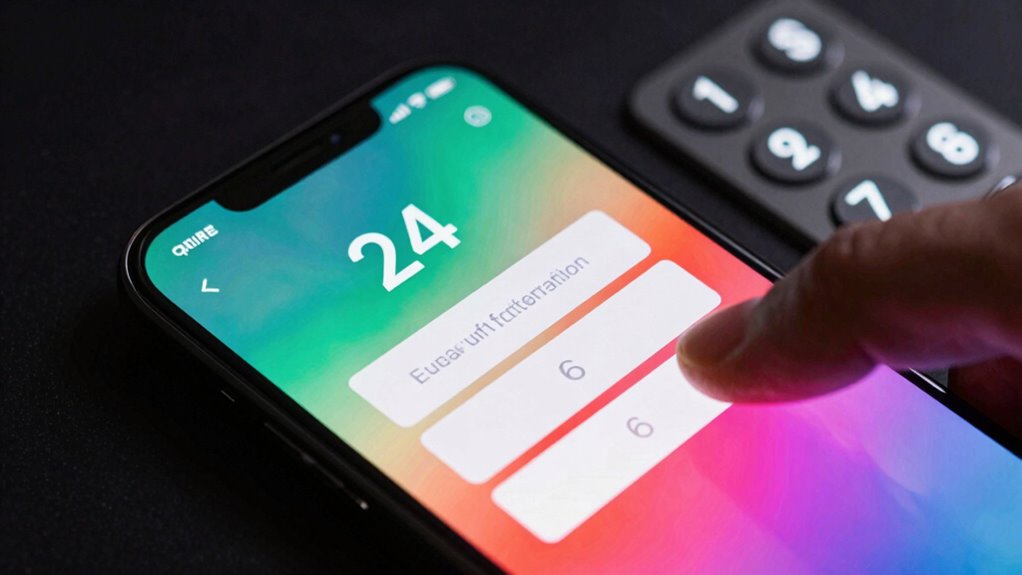
Have you ever wondered how secure your online accounts really are? Enabling two-factor authentication (2FA) is one of the best security best practices you can adopt to protect your Lock account. It adds an extra layer of security by requiring a second verification step, making it harder for unauthorized users to access your account. Without 2FA, a compromised password can lead to serious privacy concerns and data breaches. By activating 2FA, you considerably reduce this risk and ensure your personal information stays private. It’s a simple yet powerful way to strengthen your account’s defenses and maintain control over your digital privacy. Protect your online presence today by understanding why 2FA is essential for your security and peace of mind. Implementing wave and wind security measures like 2FA can further enhance your protection against evolving cyber threats. Additionally, adopting industry best practices helps to stay ahead of potential vulnerabilities and ensures your digital safety. An important aspect of these practices includes understanding the significance of multi-factor authentication in modern cybersecurity. Recognizing the role of encryption techniques can also add an extra layer of security to your data.
SMS two-factor authentication device
As an affiliate, we earn on qualifying purchases.
As an affiliate, we earn on qualifying purchases.
How to Access Your Lock Account Security Settings
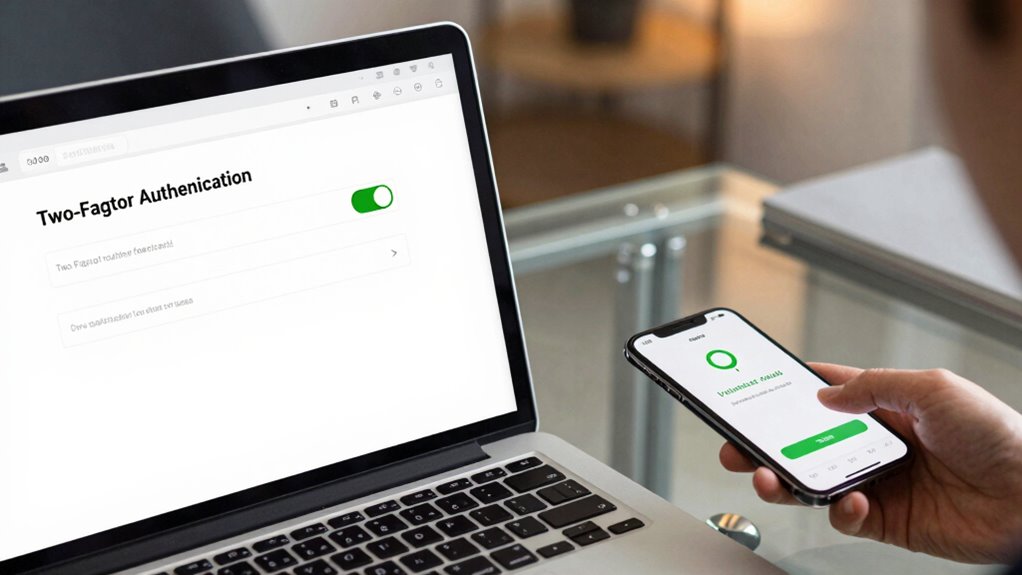
To start, log into your Lock account using your credentials. Once you’re in, find the security settings menu, which is usually located in your account dashboard. From there, you can enable two-factor authentication to enhance your account’s security. Be sure to review the available security options to choose the most effective protection measures. Adding additional layers of protection can further safeguard your account against unauthorized access, especially when you understand the importance of account security in protecting your personal information. Incorporating modern security practices like multi-factor authentication helps ensure your data remains protected against evolving threats. Utilizing adaptive security measures can provide an extra level of confidence in your account’s safety.
Log Into Your Account
Once you’re logged into your account, accessing your security settings is straightforward. Start by visiting the login page and entering your credentials—your username and password. After entering this information, you’ll complete an account login process, which may include a security verification step for added protection. Follow the prompts to verify your identity, such as entering a code sent to your email or phone. To enhance your account security, consider familiarizing yourself with security best practices to ensure your information remains protected. You can also explore two-factor authentication options that provide an extra layer of security beyond your password. Once logged in, navigate directly to your account dashboard. From there, locate the security or settings menu to find options related to your account’s security features. Ensuring your login is secure and verified is essential before enabling two-factor authentication, so take your time to confirm your details are accurate and up to date. Additionally, understanding the horsepower of electric dirt bikes can help you choose more secure and reliable models for your riding needs. Being aware of the European cloud innovation landscape can also assist in selecting platforms that prioritize security and sustainability. Familiarizing yourself with sauna and cold‑plunge systems can provide insights into integrating secure remote controls for your home wellness setup.
Navigate Security Settings
After successfully logging into your account and verifying your identity, you can access your security settings by browsing through your dashboard. Look for the security or settings menu, often represented by a gear icon or labeled directly. Once there, you’ll find options related to password security and account verification. Review these sections carefully to ensure your password is strong and up-to-date, and confirm your account verification methods are current. Exploring these settings gives you control over your account’s safety, making it easier to prepare for enabling two-factor authentication later. Take your time to explore each option, and make any necessary updates to strengthen your security posture before proceeding to additional authentication steps. Understanding performance and capability features can help you better manage your account’s security settings. Additionally, familiarizing yourself with safe setup practices can further enhance your overall security. Being aware of common security threats can also help you recognize potential vulnerabilities and respond proactively. Being familiar with these security best practices is essential for maintaining your account’s integrity over time.
Enable Two-Factor Authentication
Accessing your account security settings is the first step toward enabling two-factor authentication. Once there, locate the option to turn on or enable two-factor authentication. This process aligns with security best practices, adding an extra layer of protection to your account. By enabling this feature, you strengthen user authentication methods, making it harder for unauthorized users to access your account. Follow the prompts to choose your preferred authentication method, such as a mobile app or SMS codes. Make sure you review any instructions carefully, as properly configuring two-factor authentication is vital for effective security. Taking these steps now helps safeguard your account against potential breaches, keeping your personal information secure with minimal effort. Additionally, understanding security features of your account can help you better manage and customize your protection settings. Being familiar with two-factor authentication options allows you to adapt your security measures to best fit your needs, and consulting security best practices can further enhance your account’s safety.
As an affiliate, we earn on qualifying purchases.
How to Set Up 2FA Using Auth Apps or SMS
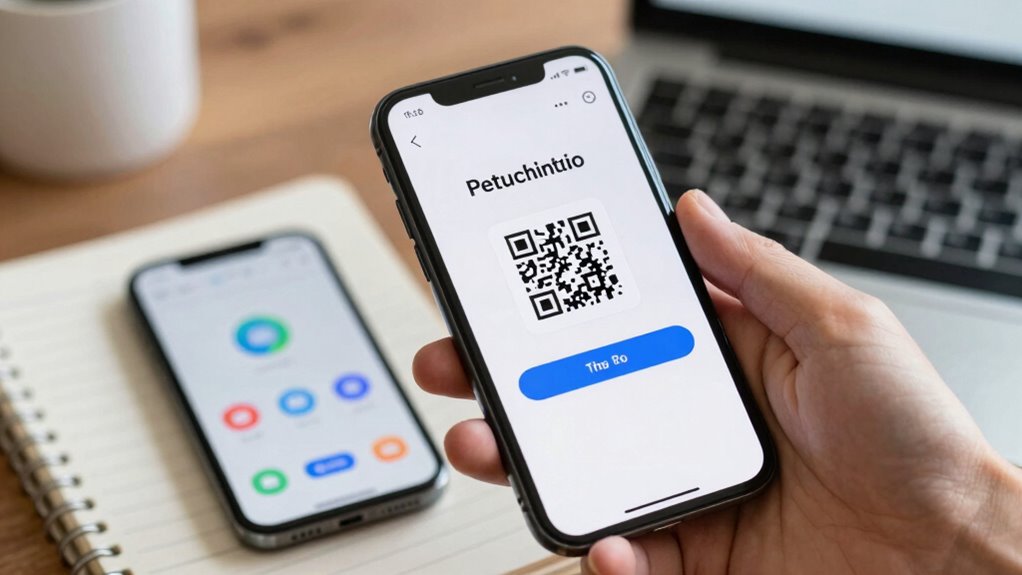
Setting up two-factor authentication (2FA) with auth apps or SMS adds an extra layer of security to your accounts. To get started, follow these steps:
Enhance your account security by enabling 2FA with auth apps or SMS verification.
- Download a trusted authentication app like Google Authenticator or Authy, or verify your phone can receive SMS verification codes.
- Navigate to your account’s 2FA settings and select the option to enable via app or SMS.
- Scan the QR code provided for auth apps or enter your phone number for SMS verification.
- Familiarize yourself with media literacy to better understand online security practices and recognize potential threats. Understanding the mechanics of various authentication methods can help you choose the most secure option for your needs. Local reviews and best practices highlight the importance of security measures such as 2FA to protect your personal information. Developing digital literacy can further empower you to identify and avoid phishing attempts and other online scams. Using authentication apps generates time-sensitive codes, while SMS verification sends codes directly to your phone. Both methods strengthen your account security by requiring a second form of verification beyond your password. Choose the method that best fits your convenience and security needs.
Two-factor authentication hardware key
As an affiliate, we earn on qualifying purchases.
As an affiliate, we earn on qualifying purchases.
Tips for Managing Your 2FA Codes and Backups
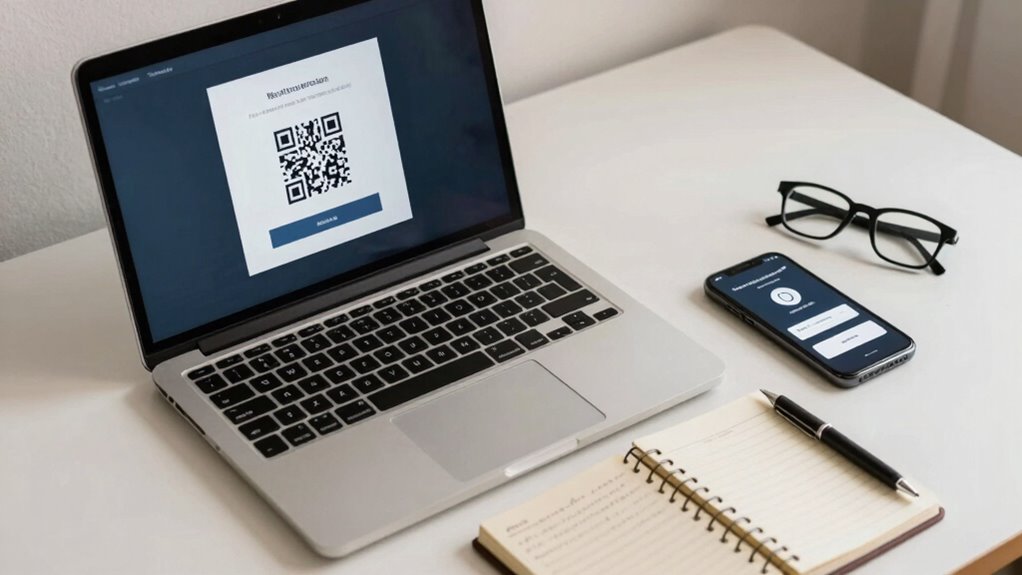
Once you’ve enabled 2FA on your accounts, it’s important to stay organized and prepared in case you need to recover access. Store backup codes securely offline, such as in a password manager or a physical safe, so they’re easily accessible if your primary device is lost or unavailable. Managing multiple devices can be tricky, so consider syncing 2FA apps across trusted devices or generating backup codes for each one. Regularly review your backup options to ensure they’re up-to-date. Avoid relying solely on one method; having multiple backups prevents lockouts. By staying proactive and organized, you’ll ensure continuous access to your accounts without stress, even if your primary 2FA method becomes temporarily inaccessible.
Common 2FA Setup Troubles and How to Fix Them
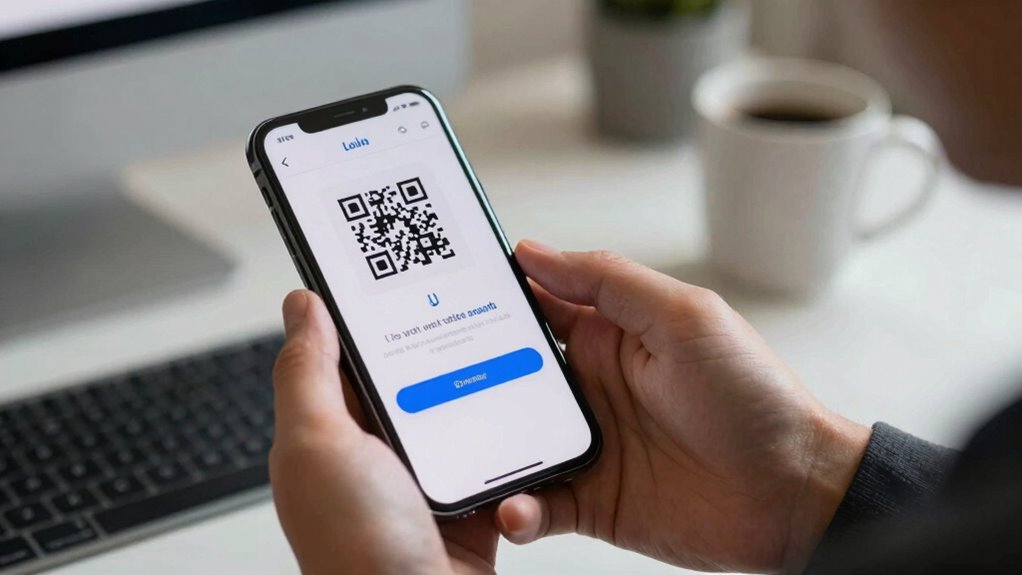
Many users encounter common issues when setting up 2FA, such as time synchronization errors or app compatibility problems, which can prevent successful authentication. To troubleshoot errors, start by verifying your device’s time settings, as mismatched clocks often cause code mismatches. Next, ensure your authentication app is compatible and updated to the latest version. If problems persist, explore recovery options, like using backup codes or alternative verification methods provided by your account.
Here are key steps to resolve setup troubles:
- Sync device time accurately or switch to manual time setting.
- Update or switch authentication apps if compatibility issues arise.
- Use recovery options like backup codes to regain access when setup fails.
Following these steps ensures smoother troubleshooting and reliable 2FA activation.
How to Keep Your Lock Account Secure Beyond 2FA

While two-factor authentication greatly enhances your account security, it’s essential to implement additional measures to keep your Lock account safe. Good password hygiene is key—use unique, complex passwords and update them regularly. Also, familiarize yourself with account recovery options, so you can regain access if needed. Visualize your security setup as a two-column shield:
| Strong Passwords | Backup Recovery Methods |
|---|---|
| Unique for each account | Backup email and phone number |
| Regular updates | Security questions or recovery codes |
This setup ensures even if 2FA is compromised, your account remains protected. Prioritize password hygiene and recovery preparedness to strengthen your overall security and prevent unauthorized access.
Frequently Asked Questions
Can I Disable 2FA After Enabling It on My Account?
Yes, you can disable 2FA after enabling it on your account. To do this, you need to go to your account settings, find the security section, and select the option for 2fa deactivation. Keep in mind, disabling 2FA reduces your account’s security, so consider doing it only if necessary. Follow the prompts to complete the process, and you’ll successfully disable 2fa.
What Should I Do if I Lose Access to My 2FA Device?
Imagine you lose your 2FA device, and you’re locked out of your account. Don’t worry—use your backup options for account recovery. For example, if you saved backup codes beforehand, enter one of them to regain access. If not, contact support and verify your identity. Always set up multiple backup options, like a secondary device or email, so you can restore access quickly if your primary 2FA device is lost.
Is 2FA Compatible With All Devices and Operating Systems?
Two-factor authentication is compatible with most devices and operating systems, but it’s essential to verify device compatibility and operating system support before setting it up. You’ll find many 2FA apps work across Android, iOS, Windows, and macOS, ensuring broad support. However, some older devices or specific operating systems may have limited compatibility. Always verify the app’s requirements to ensure seamless security and easy access to your account.
How Often Should I Update My 2FA Backup Codes?
You should update your 2FA backup codes whenever you suspect they’ve been compromised or after any security update. It might seem like overkill, but relying on old backup codes is like using a rusty key—it won’t keep your account safe. Regularly refresh your backup codes to guarantee they stay secure, especially after major security updates, so you won’t be caught off guard when you need them most.
Are There Alternative Methods to Secure My Account Besides 2FA?
Yes, there are alternative ways to secure your account besides 2FA. You can use biometric security, like fingerprint or facial recognition, for quick and strong protection. Additionally, setting up security questions adds a layer of security, but make sure they’re unique and hard to guess. Combining these methods with 2FA offers thorough protection, making it much harder for unauthorized users to access your account.
Conclusion
Enabling 2FA on your Lock account isn’t just a good idea—it’s your ultimate shield against hackers, identity thieves, and digital chaos. With this simple step, you’re transforming your account into Fort Knox, impervious to even the craftiest cyber villains. Don’t leave your security to chance—activate 2FA today, or risk opening the gates to a world where your personal info is just a click away from the wrong hands. Protect everything that matters with this tiny, mighty step!
Evergreen bestsellers Picks
bestsellers
As an affiliate, we earn on qualifying purchases.