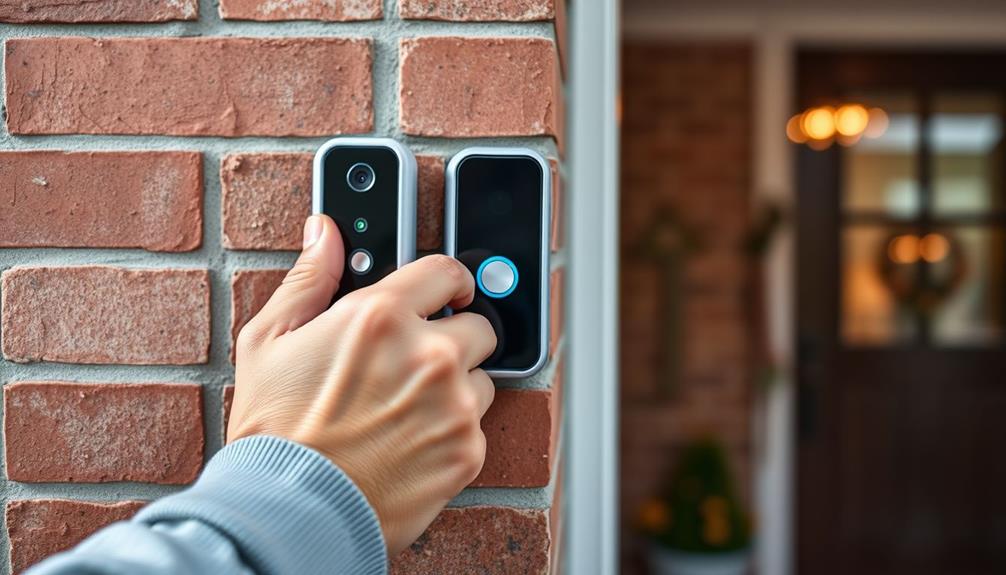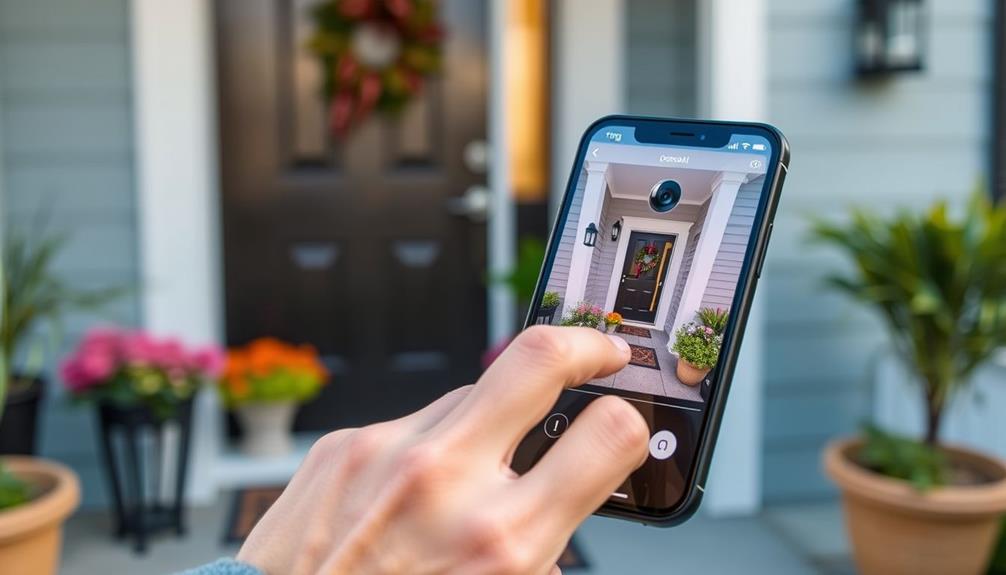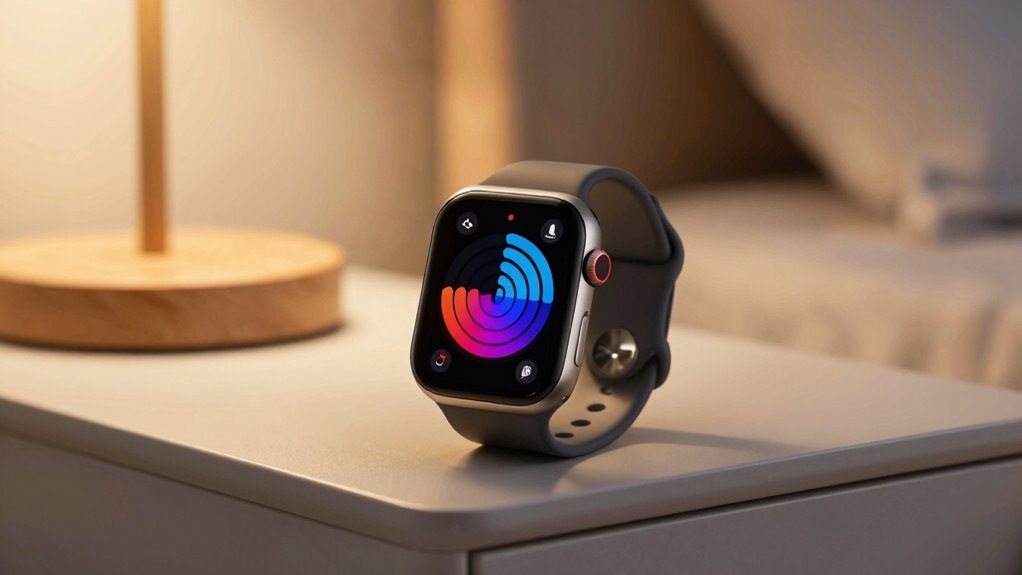

The Mode Schedule Trick helps your Ring device adapt smarter while you sleep by analyzing your sleep patterns to create a tailored schedule. It identifies your most common behaviors—and aligns modes like ‘Night’ or ‘Away’ accordingly—minimizing disruptions and boosting security. By automating adjustments based on your routines, you enhance convenience and energy efficiency. Keep exploring to discover how this trick optimizes your smart home for better sleep and smarter security.
Key Takeaways
- Analyze sleep cycle data to identify dominant sleep patterns and optimize Ring’s modes accordingly.
- Use the mode schedule trick to align device settings with natural sleep stages, reducing disruptions.
- Automate mode activation during specific sleep phases for smarter security and routine management.
- Track behavioral data over multiple nights to personalize and fine-tune Ring’s responsiveness.
- Regularly review and adjust mode schedules to enhance sleep quality and device efficiency.
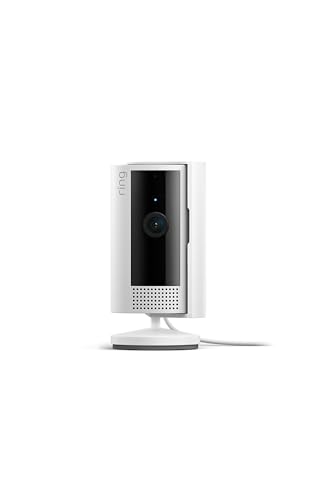
Ring Indoor Cam, Home or business security in 1080p HD video, White
Get the whole picture – Watch over your home day or night in 1080p HD video with Live…
As an affiliate, we earn on qualifying purchases.
As an affiliate, we earn on qualifying purchases.
What Is the Mode Schedule Trick and How Does It Work?
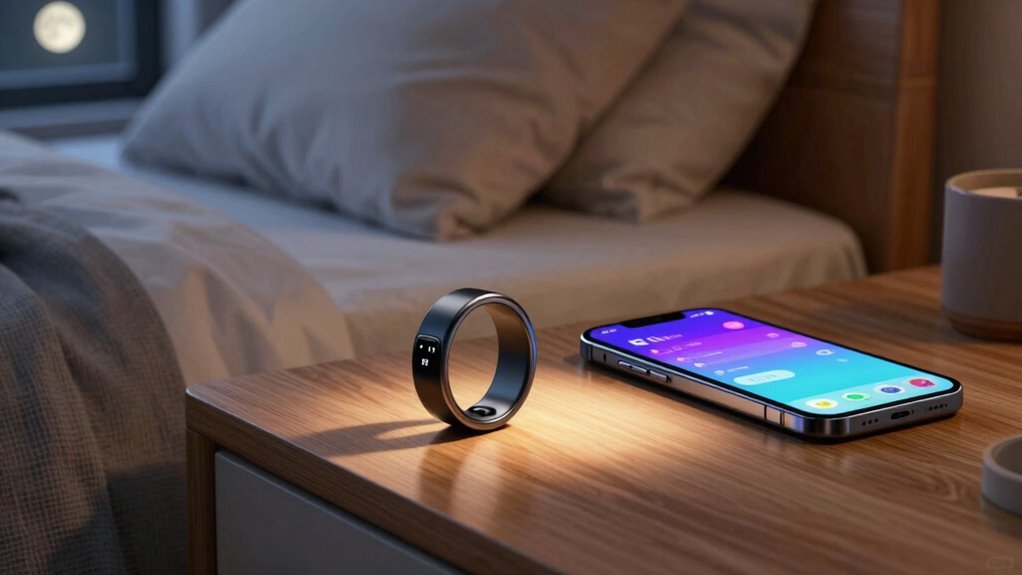
Have you ever wondered how some people quickly find the most common value in a data set? That’s where the mode schedule trick comes in. It’s a clever way to optimize your routine by analyzing patterns, especially during sleep. By focusing on sleep analysis, you identify the most frequent behaviors or times you’re active or resting. This process involves observing your habits over several nights, allowing you to gather meaningful behavioral data that reveal your natural tendencies. This helps you streamline your schedule, making it more efficient. The trick involves tracking your habits over several nights, then using the mode—the most common occurrence—to set your routine. Instead of guessing, you base your schedule on actual data. This approach simplifies routine optimization by aligning your sleep and daily activities with your natural patterns. Understanding your behavioral patterns can lead to more personalized and effective adjustments to your daily life. Incorporating data-driven decisions into your routine can help you sleep better and maximize your productivity during waking hours. Recognizing the importance of behavioral consistency can further enhance the effectiveness of this method.

SOMNDEEP Contactless Smart Sleep Tracker, Bedside Sleep Monitor Wellness Device for Sleep Quality, Heart Rate, Breathing Pattern & Nighttime Movement Trends, Non-Wearable Radar Sleep Tracker for Adult
【Contactless Sleep Tracking for Better Rest】SOMNDEEP uses 60GHz millimeter-wave radar to help track sleep routines without rings, watches,…
As an affiliate, we earn on qualifying purchases.
As an affiliate, we earn on qualifying purchases.
Why Your Sleep Cycles Are Key to Smarter Ring Automation

Since your sleep cycles dictate when you’re most receptive or inactive, understanding them is essential for smarter ring automation. By aligning your device’s actions with your natural rhythms, you optimize sleep and daily performance. Sleep optimization isn’t just about quantity; it’s about timing. Tracking your sleep cycles allows your ring to detect when you’re in deep or REM sleep, enabling it to adjust notifications or automate routines accordingly. Dream analysis can reveal insights into your sleep quality, helping fine-tune your schedule for better rest. When your ring understands these cycles, it can minimize disruptions during light sleep phases and maximize benefits during restorative periods. Sleep cycle tracking enhances the device’s ability to work with your body’s natural patterns, further improving overall sleep quality and day-to-day productivity. Additionally, recognizing sleep stages can help you better coordinate your daily activities with your sleep health. Incorporating biometric data from your sleep patterns can also provide personalized insights to refine your routines for optimal rest and alertness. Understanding how sleep regulation works can further empower you to optimize your sleep environment and habits for enhanced recovery.
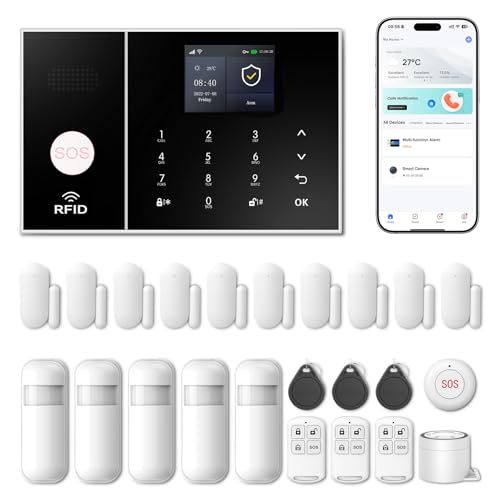
Wireless Alarm System for Home Security,24 Pcs Home Alarm System Wireless DIY Kit,WiFi+GSM/4G with Instant App Alerts NO MonthlyFees,SOS Button,App & Remote Control,Work with Alexa,for Apartment
APP Control & Highly DIY: Home Security Systems can be remotely controlled via Smart Life or Tuya APP….
As an affiliate, we earn on qualifying purchases.
As an affiliate, we earn on qualifying purchases.
How to Create a Mode Schedule That Fits Your Sleep Patterns
Creating a mode schedule that aligns with your sleep patterns starts with analyzing your sleep cycle data. Pay attention to how long you stay in each stage, especially REM, which is linked to dreaming. Dream analysis can help identify when you naturally shift between light sleep, deep sleep, and REM. By understanding these patterns, you can set your ring modes to activate during specific phases, ensuring your device works with your body’s rhythms. Record your sleep times and note any fluctuations or irregularities. Use this data to customize your schedule so modes switch seamlessly, supporting restful sleep and effective wake-up routines. Tailoring your mode schedule to your sleep patterns makes your ring smarter and more responsive to your unique sleep behavior. Incorporating sleep cycle tracking can further optimize your device’s responsiveness to your natural sleep rhythms. Additionally, understanding sleep architecture helps refine the timing of your mode shifts for better overall sleep quality. Being aware of your sleep stage durations provides deeper insight into your sleep health and enhances your ability to personalize your device’s performance. Recognizing sleep consistency can also help in making more precise adjustments to your schedule, leading to improved sleep quality.

Home Assistant Green | Smart Home hub with Advanced Automation | Official Home Assistant Hardware
💡 EASIEST WAY TO GET STARTED WITH HOME ASSISTANT – With Home Assistant already installed, it only requires…
As an affiliate, we earn on qualifying purchases.
As an affiliate, we earn on qualifying purchases.
Automate Your Ring Modes Based on Your Sleep Schedule

Automating your ring modes based on your sleep schedule guarantees your device adapts seamlessly to your natural rhythms. By setting your device to switch modes automatically, you encourage better sleep hygiene and ensure your device doesn’t disturb your rest. When you follow a consistent sleep routine, your ring can activate “Sleep Mode” at the right time, helping you unwind and improve overall sleep quality. Additionally, this automation can support dream analysis by minimizing interruptions during REM cycles, allowing for more accurate insights into your sleep patterns. With smart automation, you don’t have to manually change modes each night, making it easier to maintain healthy sleep habits. Incorporating sleep hygiene principles can further enhance your sleep environment and overall well-being, supporting your sleep goals. Properly device settings can optimize your sleep experience and ensure your device works in harmony with your nightly routine. This setup promotes restful nights and more meaningful dream tracking, ultimately making your device work smarter while you sleep. Understanding automatic routines can help you better tailor your device to your unique sleep needs. To maximize these benefits, it’s important to regularly review and adjust your device configurations to stay aligned with your evolving sleep habits.
Top Tips to Maximize Security and Convenience With Mode Schedules
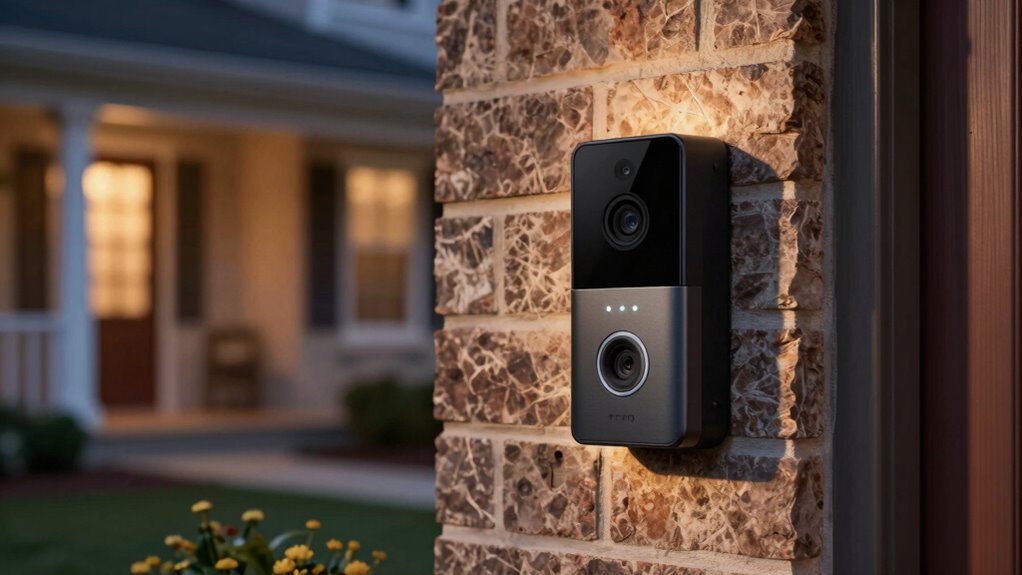
To maximize both security and convenience with mode schedules, you need to tailor your device settings to match your daily routines. Use lighting automation to create realistic activity patterns, making your home look occupied even when you’re away. Adjust security routines so that cameras, alarms, and door locks activate or relax based on the mode schedule, ensuring ideal protection during absences and ease when you’re home. Set specific times for lights to turn on or off, simulating occupancy and enhancing security. Regularly review and update your mode schedules to reflect changes in your schedule or seasons. This proactive approach ensures your home remains both safe and convenient, leveraging automation to seamlessly blend security routines with your lifestyle. Incorporating local automation can further optimize responsiveness and reduce reliance on cloud services, enhancing both security and privacy. Understanding home automation systems helps you fine-tune your device interactions for optimal performance and security. Additionally, utilizing smart device integration allows for more cohesive and efficient automation, ensuring all your systems work harmoniously. Being aware of automation best practices can help you avoid common pitfalls and maximize the benefits of your setup.
Troubleshooting Your Mode Schedule Setup
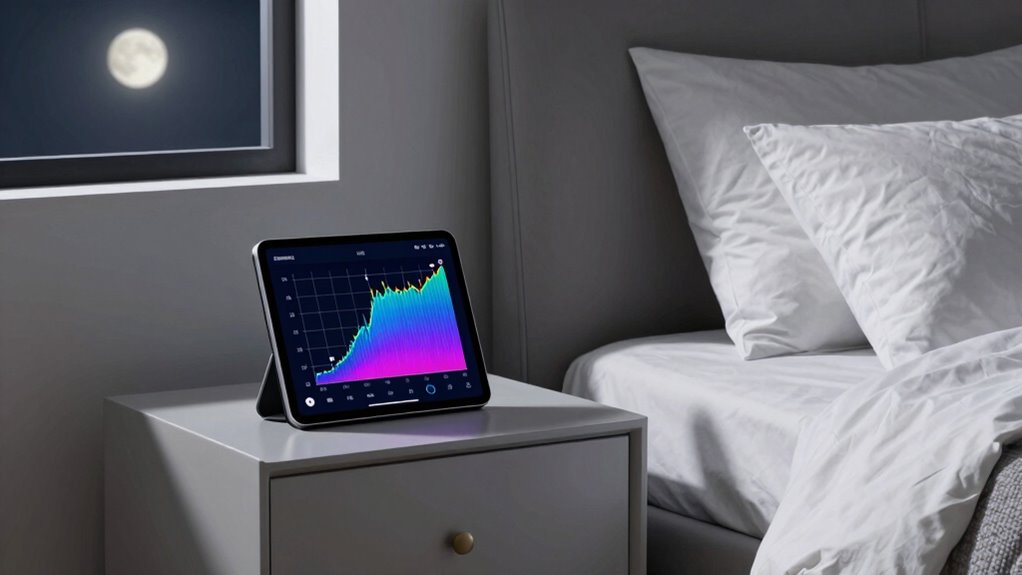
When your mode schedule isn’t working as expected, start by verifying that the schedule details are correct. You may need to modify mode changes to make certain they happen smoothly, and double-check that your devices are compatible with the schedule. Addressing these points helps you troubleshoot effectively and get your setup back on track. Additionally, understanding Free Floating concepts can help optimize your system’s flexibility and responsiveness. Ensuring your setup adheres to proper mount alignment practices can also improve overall reliability. Keeping your firmware up to date ensures all features function properly and maintains system reliability.
Verify Schedule Accuracy
Are you confident that your mode schedule is set up correctly? Verifying its accuracy is key to ensuring your smart home responds as intended. Double-check that your schedule matches your user routines—like arming security at night or disarming in the morning. Review the start and end times for each mode, making sure they align with your daily habits. Confirm that the correct days are selected, especially if your routine varies during the week. Don’t rely solely on visual settings; test the schedule by manually triggering modes to see if they activate correctly. If discrepancies arise, adjust the schedule to fit your true routines. Accurate setup guarantees your Ring system adapts seamlessly, making your smart home more intuitive and efficient.
Adjust Mode Transitions
Adjusting mode shifts is essential when your schedule isn’t triggering as expected. If your routines aren’t activating at the right times, try manipulating routines to better align with your daily habits. Sometimes, small tweaks to changeover times or conditions can markedly improve performance. Focus on optimizing workflows by ensuring your mode changes reflect your actual needs, not just preset times. Review your current schedule and identify any gaps or overlaps that could cause delays or missed triggers. Fine-tuning these transitions helps your device respond more accurately to your environment and activities. Remember, effective manipulation of routines isn’t about overcomplicating your setup but making targeted adjustments that ensure seamless mode changes, keeping your smart system functioning smoothly while you sleep.
Confirm Device Compatibility
Before troubleshooting your mode schedule, it’s essential to confirm that all your devices are compatible with the system’s requirements. Check device compatibility to guarantee your smart devices can work seamlessly with your mode schedule setup. Verify that your device firmware and software are up to date, as outdated versions can cause synchronization issues. App synchronization is critical—make sure the app controlling your devices is properly linked and synchronized with your smart system. If devices aren’t compatible or fail to sync, your mode schedule might not function correctly. Testing device compatibility ahead of time helps prevent conflicts and ensures your setup runs smoothly while you sleep. Confirming these details saves you time and avoids unnecessary troubleshooting later.
How to Personalize Your Mode Schedule for Different Sleep Habits

To make your mode schedule truly work for you, start by customizing your cycle lengths to match your sleep patterns. If your sleep varies from night to night, adjust your schedule accordingly to stay aligned with your natural rhythms. By fine-tuning these elements, you’ll create a personalized plan that fits your habits perfectly.
Customizing Mode Cycles
Have you ever wondered how to tailor your mode schedule to better fit your unique sleep habits? Customizing your mode cycles allows you to align your sleep tracking data with your night routines, making your sleep analysis more accurate. Start by identifying when you naturally fall asleep and wake up, then adjust your mode cycle so that it activates during those periods. If you tend to go to bed earlier or later, tweak the timing accordingly to match your personal rhythm. This personalization ensures the device isn’t just generic but reflects your actual sleep patterns. By fine-tuning your mode cycles, you’ll get more precise insights, helping you optimize your sleep quality and wake-up times without feeling forced into a rigid schedule.
Adjusting for Sleep Variations
Ever notice how your sleep schedule shifts on weekends or during stressful weeks? To personalize your mode schedule effectively, use sleep tracking to monitor these changes. Keep an eye on your sleep patterns and adjust your cycles accordingly. Dream analysis can also help identify when you’re entering deeper REM stages or lighter sleep, indicating ideal times for your device to activate. If you notice longer or shorter sleep periods, tweak your mode cycle durations to match. Flexibility is key—your schedule should reflect real-life variations. Regularly reviewing your sleep data helps fine-tune your routine, ensuring your device works smarter while you rest. By actively adapting your mode schedule, you’ll maximize its benefits regardless of how your sleep habits fluctuate.
How Using Mode Schedules Saves Time and Boosts Your Smart Home
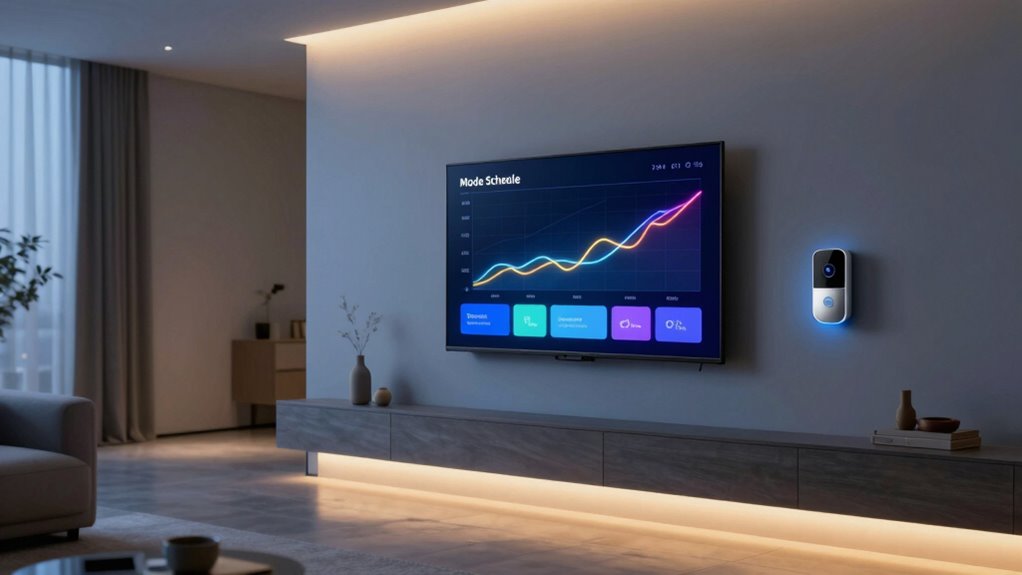
Implementing mode schedules in your smart home can considerably save you time by automating routine adjustments. When you set specific modes for different times of day, your smart lighting activates or dims automatically, creating the perfect ambiance without manual intervention. This not only enhances convenience but also promotes energy savings by ensuring lights aren’t left on unnecessarily. By tailoring these schedules to your daily patterns, you reduce the need for constant adjustments, freeing up your time for more important tasks. Mode schedules also help streamline other smart devices, making your home more efficient and responsive. Overall, these automated routines improve your home’s functionality, allowing you to enjoy a smarter, more energy-conscious living environment with less effort.
Expanding the Mode Schedule Trick to Other Smart Devices
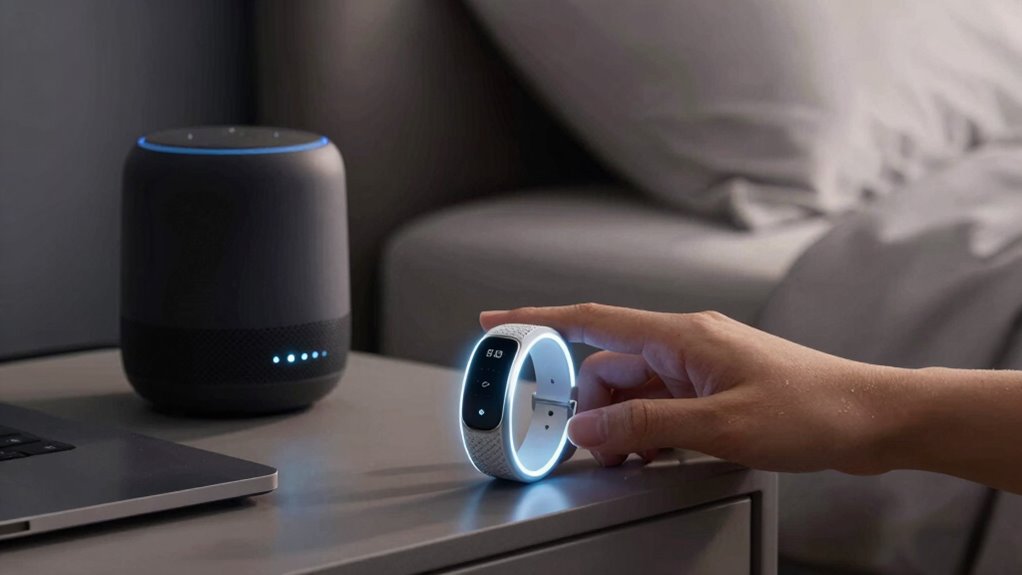
While mode schedules are commonly associated with lighting, you can extend their benefits to a wide range of smart devices in your home. By applying mode schedules to devices like thermostats, security systems, and appliances, you enhance energy efficiency and create a more personalized environment. For example, setting your thermostat to a “Night” mode saves energy while ensuring a comfortable sleeping temperature. User personalization allows you to customize these modes based on your routines, making your smart home smarter and more responsive. Implementing mode schedules across multiple devices ensures they work together seamlessly, reducing unnecessary power consumption and adapting to your lifestyle. This holistic approach maximizes convenience, saves energy, and makes your smart home truly tailored to your needs.
Frequently Asked Questions
Can the Mode Schedule Trick Improve Ring’s Battery Life?
Yes, the mode schedule trick can improve your Ring’s battery life by optimizing when it uses power, which helps with battery conservation. It also reduces unnecessary data collection, addressing privacy concerns. By setting specific schedules, you prevent the device from constantly running in the background, extending battery life while maintaining privacy. This simple adjustment makes your Ring smarter and more efficient, giving you better control over power and privacy.
Is It Possible to Disable Mode Schedules Temporarily?
Yes, you can temporarily disable mode schedules on your Ring device. To do this, navigate to the app settings and turn off the schedules manually. Keep in mind, doing so might raise privacy concerns if your device isn’t properly protected, and it could limit automation features you value. Be aware of these limitations before making changes, and consider re-enabling schedules when needed to maintain your desired automation.
How Secure Are Mode Schedule Automations From Hacking?
You wonder if mode schedule automations are secure from hacking. While Ring employs robust encryption and security protocols, cybersecurity concerns still exist, especially if your device or network has vulnerabilities. Hackers could potentially exploit privacy implications if your system isn’t well-protected. Stay vigilant by updating firmware regularly, using strong passwords, and enabling multi-factor authentication to keep your automations safer from cyber threats.
Can Multiple Users Customize Their Own Mode Schedules?
Yes, multiple users can customize their own mode schedules using personalization options and user-specific settings. You can set different schedules for each person in your household, ensuring each individual’s preferences are met. This feature allows everyone to tailor their Ring experience without interference. Simply access the app, select the user, and adjust the mode schedule accordingly, making your smart home more personalized and efficient for everyone.
Does the Mode Schedule Trick Work With All Ring Devices?
Think of the mode schedule trick as a universal key for your Ring devices, but it doesn’t fit all locks. It works with most Ring devices, especially those integrated into your smart home system, making them smarter while you sleep. However, be mindful of privacy concerns; syncing schedules can reveal your routines. Always check device compatibility and privacy settings to guarantee your home stays both intelligent and secure.
Conclusion
By leveraging mode schedules synced to your sleep patterns, you can make your Ring smarter and more efficient effortlessly. Did you know that automating routines like this can save you up to 30 minutes daily? Embracing this trick not only boosts security and convenience but also simplifies your smart home management. Once you personalize your schedule, you’ll enjoy a seamless, smarter living experience—sleep well knowing your devices are working smarter while you rest.