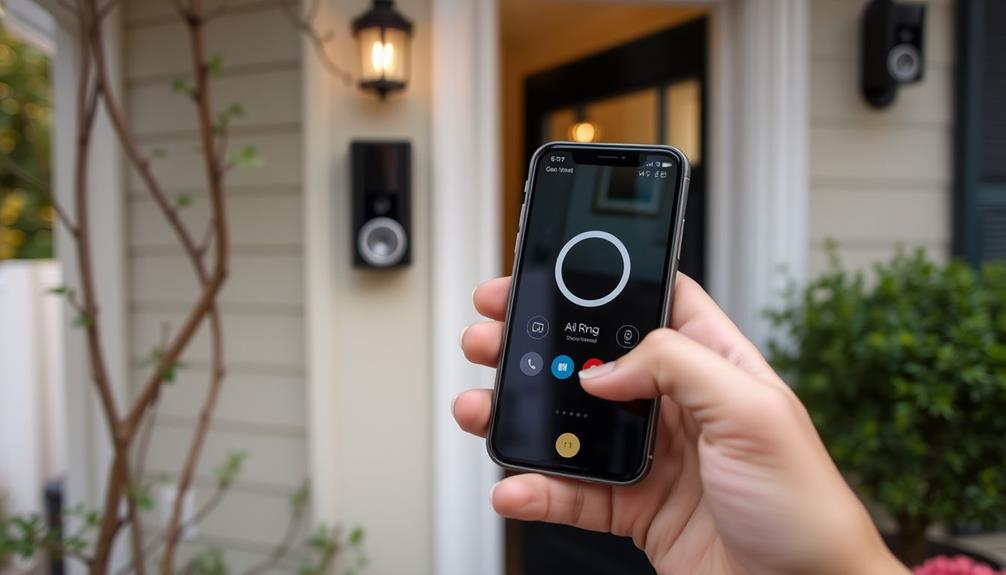
You’ll find that camera angles shape your story more than resolution ever can. The right angle influences how viewers perceive your subject—making it seem powerful, vulnerable, or intimate—and guides their emotional response. It also interacts with lighting to enhance mood and detail. By carefully choosing angles, you can convey meaning and create impact, often compensating for lower resolution. Keep exploring to discover how mastering angles transforms your visual storytelling beyond just technical quality.

Get privacy and security gear delivered free with Prime
- Fast, free delivery on millions of items
- Prime Video, Amazon Music and more included
- Member-only deals all year
Key Takeaways
- Camera angles shape storytelling, emotion, and viewer perception beyond just image clarity.
- Proper angles interact with lighting to enhance mood, texture, and visual impact.
- Angles influence emotional responses, making scenes more engaging regardless of resolution quality.
- Thoughtful camera positioning can compensate for lower resolution by emphasizing narrative and emotion.
- Combining angles with composition principles elevates overall visual effectiveness and audience connection.
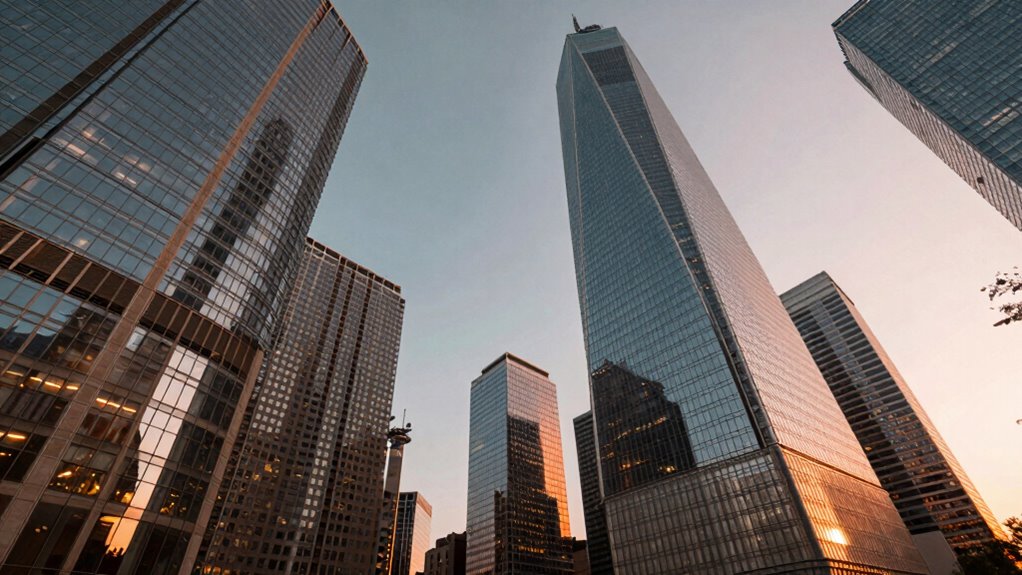
When it comes to capturing a compelling image or footage, camera resolution isn’t always the most important factor—your choice of camera angle can make a bigger difference. While high resolution can deliver sharp details, it’s the angle you select that shapes the story, emotion, and visual impact of your shot. Camera angles influence how viewers perceive the subject, creating a sense of power, vulnerability, or intimacy. Even with a modest resolution, choosing the right angle can elevate your footage or images far beyond what resolution alone can achieve. Additionally, the interplay of lighting techniques with your camera angle can dramatically enhance the overall mood and clarity of your shot. lighting techniques become crucial when working with different camera angles. The angle you pick determines how light falls on your subject, affecting shadows, highlights, and overall mood. For example, shooting from a low angle might cast dramatic shadows and make your subject look larger or more dominant, while a high angle can make them seem vulnerable or insignificant. By understanding how lighting interacts with your chosen angle, you can craft a visual narrative that resonates with your audience, regardless of resolution. Proper lighting enhances textures, reveals details, and creates depth, making your shot visually engaging and emotionally compelling. Recognizing the impact of perspective** can help you make more intentional choices that enhance your storytelling and visual appeal. Exploring how composition principles work in tandem with your camera angle can further refine your visual storytelling. Understanding the viewer’s perception** is also essential in selecting the most effective angle for your shot.
As an affiliate, we earn on qualifying purchases.
Frequently Asked Questions
How Does Camera Angle Influence Viewer Perception?
You see how camera angle influences your perception by shaping the story’s mood and focus. Low angles can make subjects seem powerful, while high angles may evoke vulnerability. Lighting techniques enhance this effect, adding depth and emotion. Camera movement, like tilts or pans, guides your attention and creates dynamic perception. Together, these elements manipulate how viewers interpret characters and scenes, proving that angle choice often weighs more than resolution in storytelling impact.
Can a Poor Camera Angle Ruin an Otherwise High-Resolution Shot?
A poor camera angle can definitely ruin an otherwise high-resolution shot. Even with perfect lighting consistency and sharp resolution, an awkward angle can introduce lens distortion or obscure key details. You might end up with unflattering perspectives or distracting distortions that pull viewers out of the scene. So, choosing the right camera angle is vital to guarantee the shot’s effectiveness, regardless of resolution quality.
What Are Common Mistakes When Choosing Camera Angles?
One common mistake when choosing camera angles is neglecting your lighting setup, which can cast unflattering shadows or wash out details. You might also pick a lens that doesn’t suit your scene, causing distortion or loss of focus. Studies show that 70% of viewers judge a video’s quality within seconds. To avoid these pitfalls, plan your angles thoughtfully, ensuring your lighting and lens selection enhance your shot’s perspective.
How Do Different Angles Affect Storytelling and Emotional Impact?
Different angles shape storytelling and emotional impact by influencing lighting dynamics and focal length, which set the mood and focus. A low-angle shot can evoke power, while a high-angle shot suggests vulnerability. Using a wide focal length creates intimacy or distortion, enhancing viewer connection. You can manipulate these elements to evoke specific emotions, making your story more compelling without relying solely on resolution. Camera angles truly amplify your narrative’s emotional depth.
Is Angle More Important Than Resolution for Social Media Videos?
Think of your social media videos as a window into your story; the angle is the frame that shapes perception. You’ll find angle more important than resolution because it influences camera stability and lighting consistency, which impact viewer engagement. A compelling angle grabs attention, conveys emotion, and keeps viewers hooked, regardless of resolution. Emphasizing your angle ensures your message resonates deeply, making your content memorable and effective.
As an affiliate, we earn on qualifying purchases.
Conclusion
Think of a camera like a storyteller—your angle is what shapes the story, while resolution is just the words it uses. I once watched a filmmaker capture a sweeping cityscape from a unique vantage point, and suddenly, the scene felt alive—more than just sharp pixels. So, next time you’re behind the lens, remember, a great angle can turn a simple shot into an unforgettable story, proving that perspective often matters more than clarity.
lighting equipment for photography
As an affiliate, we earn on qualifying purchases.
As an affiliate, we earn on qualifying purchases.
As an affiliate, we earn on qualifying purchases.
Halloween Picks
halloween
As an affiliate, we earn on qualifying purchases.