
TL;DR
A homeowner discovered a large gap in their back door, prompting safety and energy efficiency concerns. The issue highlights the importance of regular door inspections.
A homeowner has identified a significant gap in their back door, raising concerns over security and energy loss. This development underscores the importance of regular home maintenance and inspection.
The issue was brought to light when a homeowner noticed a visible gap around the door frame. Reinforcing door security. Experts confirm that such gaps can compromise security by allowing unauthorized access and reduce energy efficiency by letting heat or cold air escape. The homeowner has not yet confirmed if the gap is due to warping, poor installation, or damage.
According to discussions on r/HomeImprovement, the gap appears to be several millimeters wide, which could be enough for a small object to pass through. Home repair specialists recommend inspecting door frames periodically and sealing gaps with weatherstripping or installing smart locks or replacing damaged parts. No official assessment has been made by a professional at this stage.
Gap In
Back Door
A visible opening around a homeowner’s back door has raised two immediate concerns: easier unauthorized access and unwanted heat or cooling loss. The exact cause remains unconfirmed, but the case is a useful reminder that small maintenance defects can create overlapping security and efficiency risks.
security + energy
inspection rhythm
wear · warp · fit
await assessment
Three common paths to a visible door gap
The homeowner has not confirmed why the opening developed. Repair specialists typically begin by checking alignment, material movement, hinges, seals, and the condition of the surrounding frame.
Poor installation
A door or frame that was not installed square can leave an uneven reveal, prevent full contact with seals, or worsen as fasteners settle.
Check frame geometrySeasonal warping
Temperature and moisture changes can make materials expand, contract, or bow—especially after periods of extreme weather.
Compare across seasonsWear or damage
Loose hinges, compressed weatherstripping, impact damage, or frame deterioration can create new space around a previously snug door.
Inspect hardware + sealsOne opening, two household consequences
Risk depends on the gap’s width, location, door construction, lock engagement, exposure, and local climate. The indicators below show relative concern—not measured performance for this specific property.
Relative concern profile
When to escalate
Match the response to the defect
Temporary sealing can improve comfort, but it should not conceal an alignment or security problem. Test that the latch and deadbolt still seat fully after any adjustment.
| Response | Small air gap | Misalignment | Security value | Best use |
|---|---|---|---|---|
| Weatherstripping | ✓ Strong | ✗ Limited | ~ Indirect | Temporary air sealing around an otherwise sound door |
| Door sweep | ✓ Bottom edge | ✗ No | ~ Limited | Reducing drafts beneath the door slab |
| Hinge / strike adjustment | ~ Possible | ✓ Strong | ✓ Direct | Restoring fit and full latch or deadbolt engagement |
| Frame or door replacement | ✓ Strong | ✓ Strong | ✓ Highest | Warping, damage, deterioration, or major installation faults |
| Smart lock upgrade | ✗ No seal | ✗ No repair | ~ Adds control | Access management after the physical fit is corrected |
From visible clue to durable repair
A disciplined sequence helps separate cosmetic sealing from a structural or security issue.
“Regular inspection is key to preventing security and energy issues caused by door gaps.” — Anonymous researcher
Observe
Close the door and check for visible light, drafts, uneven spacing, or movement.
Measure
Record the width and location of the opening at several points around the frame.
Diagnose
Have alignment, hinges, seals, lock engagement, door slab, and frame assessed.
Repair + verify
Seal, reinforce, adjust, or replace—then confirm secure closure and an even fit.
A fast field guide
How can I tell if the gap may be serious?
Look for visible space or passing light with the door closed. Check whether the latch and deadbolt engage fully. A gap wider than a few millimeters, major unevenness, or frame movement warrants further inspection.
What happens if I ignore it?
The opening may make forced access easier, allow conditioned air to escape, increase energy use, admit moisture, and place additional stress on the door, hinges, or frame.
What can I do temporarily?
Weatherstripping and door sweeps can reduce small drafts. They are temporary measures and should not replace professional repair when the gap is large or the lock alignment is affected.
How often should doors be inspected?
Check exterior doors at least twice a year and after extreme weather. Reinspect sooner if closure changes, drafts appear, hardware loosens, or seals become compressed.
Is this a common problem?
Yes. Door gaps occur in older and newer homes through wear, seasonal movement, settling, installation defects, or damage. What remains unknown in this case is the precise cause, measurement, and quantified impact; no professional inspection has yet been reported.
Continue your home-safety review
Start with current buying guides for access control and affordable property monitoring.
15 Best Fingerprint Smart Locks for Front Doors in 2026
See the top picks →15 Best Home Security Cameras With Live Feed
See the top picks →15 Best Home Security Cameras Under $100
See the top picks →Implications for Home Security and Energy Efficiency
This gap presents a security risk by potentially enabling intruders to gain easier access. Additionally, it can lead to increased energy costs due to heat loss during winter or cooling loss in summer. Addressing such issues promptly can improve both safety and home comfort, making this a matter of practical importance for homeowners.
As an affiliate, we earn on qualifying purchases.
Common Causes and Prevention of Door Gaps
Gaps in doors are often caused by wear and tear, warping, or poor installation. Homeowners are advised to regularly inspect door frames, especially after extreme weather conditions. In recent months, reports of similar issues have increased, possibly linked to seasonal temperature fluctuations causing materials to expand or contract.
Experts note that weatherstripping can be an effective temporary fix, but significant gaps may require professional repair or replacement of the door or frame. The specific cause of this gap remains unconfirmed pending a professional assessment.
“Regular inspection is key to preventing security and energy issues caused by door gaps.”
— an anonymous researcher
As an affiliate, we earn on qualifying purchases.
Extent and Cause of the Door Gap Still Unconfirmed
It is not yet clear what caused the gap or how extensive it is beyond initial visual assessment. No professional inspection has been conducted, and the homeowner has not provided detailed measurements. The precise impact on security and energy efficiency remains to be quantified.
As an affiliate, we earn on qualifying purchases.
Next Steps Include Professional Inspection and Repair
The homeowner is advised to schedule a professional inspection to determine the cause and extent of the gap. Depending on the findings, repairs may involve sealing, reinforcement, or replacement of the door or frame. Monitoring weather conditions and inspecting doors regularly are recommended to prevent future issues.
As an affiliate, we earn on qualifying purchases.
Key Questions
How can I tell if my door has a dangerous gap?
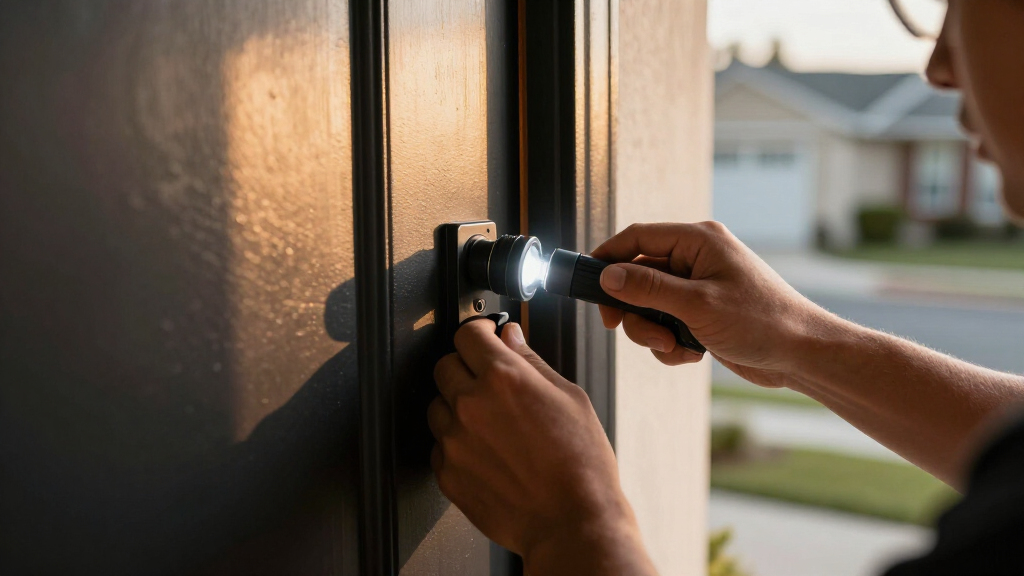
Visually inspect the door frame for visible space between the door and the frame. Use a flashlight to check for light passing through when the door is closed. A gap wider than a few millimeters may warrant further inspection.
What are the risks of ignoring a door gap?
Ignoring a gap can compromise security by allowing unauthorized access and increase energy costs due to heat or cool air escaping. It may also lead to further structural damage if not addressed promptly.
What temporary fixes can I apply before professional repair?
Applying weatherstripping or door sweeps can help seal small gaps temporarily. However, significant gaps should be repaired professionally to ensure safety and efficiency.
How often should I inspect my doors for issues?
Homeowners should inspect doors at least twice a year, especially after extreme weather events, to identify and address any gaps or damage early.
Is this a common problem?
Yes, door gaps are relatively common, especially in older homes or after seasonal changes that cause materials to warp. Regular maintenance can help prevent serious issues.
Source: r/HomeImprovement