Many people overlook key vulnerabilities in sliding doors, like improper installation, misaligned tracks, or damaged seals that can be exploited by intruders. Poor weatherproofing and low-quality or cracked glass also weaken security and energy efficiency. Regularly checking locks, hinges, and rollers can prevent failures, but many skip these steps. If you want to guarantee your sliding door’s security and durability, keep an eye on these often-missed issues—there’s more to learn to keep your home safe.

Get privacy and security gear delivered free — and shop member deals
- Fast, free delivery on millions of items
- Access to Prime Big Deal Days deals on October 6–7
- Prime Video, Amazon Music and more included
Key Takeaways
- Improper installation and misalignment create gaps and structural weaknesses that can be exploited for forced entry.
- Track and roller wear or debris can cause misalignment, making the door easier to tamper with or break.
- Weak locks and poor sealing around the frame compromise security and energy efficiency, increasing vulnerability.
- Damaged or low-quality glass and malfunctioning electronic components weaken overall door security.
- Inadequate routine maintenance and inspections can overlook signs of wear, tampering, or component failure, increasing security risks.
As an affiliate, we earn on qualifying purchases.
How Proper Installation Ensures Your Sliding Door’s Security
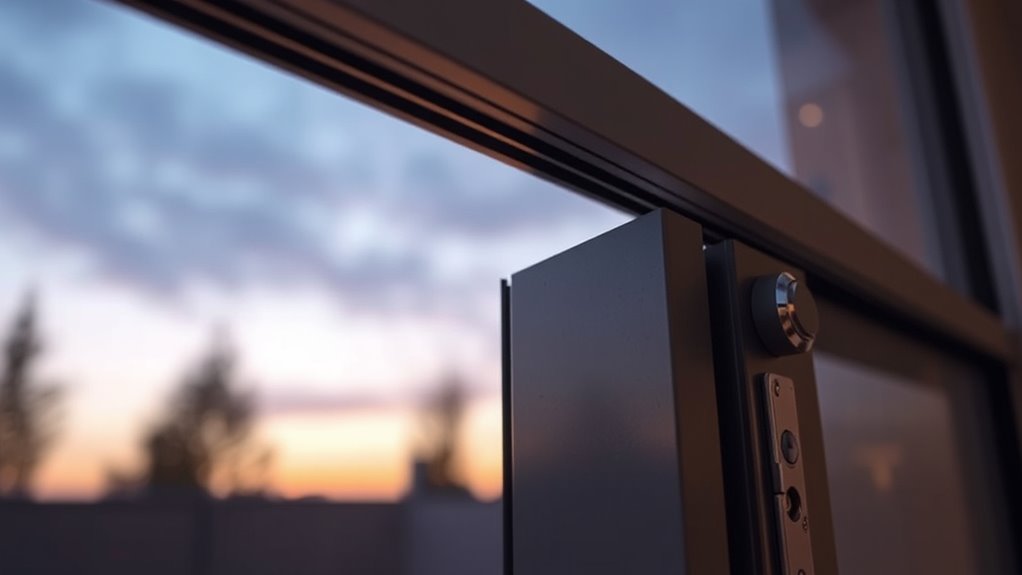
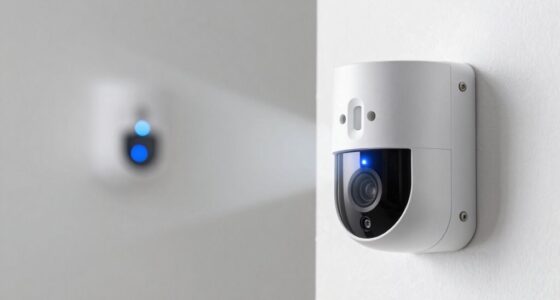
Proper installation is essential to ensuring your sliding door provides maximum security. When you install your door correctly, it becomes easier to optimize security camera placement, giving you clear views of potential entry points. Proper alignment ensures cameras can monitor the entire door area effectively, discouraging intruders. Additionally, integrating your alarm system during installation creates a seamless security network. When the door is properly fitted, sensors detect tampering or forced entry immediately, triggering alarms promptly. Secure tracks and sturdy locks are fundamental, but thoughtful setup of surveillance and alarm systems amplifies your protection. High‑quality hardware and precise installation techniques are crucial for maximizing your sliding door’s security effectiveness. Ensuring the installation process adheres to best practices helps prevent vulnerabilities that could be exploited by intruders. Using appropriate security measures during installation further enhances overall safety and deters potential intruders. Properly anchoring the door frame also plays a vital role in preventing forced entry and maintaining the integrity of the security setup. Additionally, understanding security vulnerabilities related to sliding doors can help identify and address potential weak points during installation.
sliding door track alignment tools
As an affiliate, we earn on qualifying purchases.
As an affiliate, we earn on qualifying purchases.
Are Your Track and Rollers Maintained Correctly?

Is your sliding door’s track properly aligned and free of debris? Regularly check your rollers for smooth operation and apply lubrication when needed. Keep an eye out for signs of wear and tear to prevent vulnerabilities and make sure your door stays secure. Utilizing proper maintenance tools can help ensure your door remains reliable during power outages or emergencies. Additionally, inspecting the track and rollers periodically can help identify potential issues early before they become more serious. For example, understanding the net worth of celebrity figures can give insight into how personal branding influences financial stability. Implementing energy-efficient maintenance practices not only prolongs the lifespan of your sliding door but also contributes to sustainable building management. Remember, preventive maintenance is key to extending the lifespan of your sliding door and maintaining its security and functionality.
Track Alignment Checks
Have you ever noticed your sliding door sticking or moving unevenly? If so, it’s time to check the track alignment. Misaligned tracks can cause uneven wear, making the door harder to slide. Start by inspecting the track for debris, dust, or obstructions that could hinder smooth movement. Clear away any track debris carefully, then look for signs of warping or bending. Proper track alignment ensures the rollers glide smoothly along the track, reducing strain on the door. Also, check that the track is level and securely fastened to the frame. Regular track maintenance and adjustments can extend the lifespan of your sliding door and prevent costly repairs down the line. Additionally, considering the use of bike generators for energy-efficient maintenance tools can help keep your door functioning smoothly without increasing energy costs. Paying attention to track stability can prevent misalignments before they develop into bigger issues. Implementing preventive measures based on proper alignment practices can further safeguard your door’s operation. Regular inspection routines can help detect early signs of misalignment and ensure the door remains in optimal condition.
Roller Lubrication Routine
Regularly lubricating the rollers is vital to keep your sliding door operating smoothly. Proper roller lubrication reduces friction, prevents sticking, and extends the lifespan of your door’s moving parts. Use a silicone-based lubricant designed for hinges and rollers, applying it evenly along the roller tracks and hinges. Regular hinge maintenance also plays an important role, ensuring that hinges stay aligned and function properly. Check for any debris or dirt buildup that could hinder movement and clean the rollers and track thoroughly before applying lubricant. Avoid over-lubrication, which can attract dust and dirt, causing more problems. Consistent roller lubrication and hinge maintenance ensure your sliding door glides effortlessly and reduces the risk of unexpected malfunctions. Proper maintenance saves you time and money in the long run. Additionally, understanding small appliance and comfort device maintenance can help prevent issues before they arise.
Wear and Tear Signs
Over time, wear and tear on your sliding door’s track and rollers can lead to noticeable problems. You might notice the door isn’t sliding smoothly or making grinding noises, which signals the track or rollers are worn out. Check the door frame for gaps or misalignment—these can affect how well your door moves. If the handle feels loose or wobbly, it’s a sign the mounting hardware or handle durability is compromised, impacting safety. Visible signs like scratches, dents, or debris buildup on the track also indicate it’s time for maintenance. Regularly inspecting these signs helps prevent bigger issues and ensures your sliding door functions properly. To maintain optimal performance, ensure the proper airflow around the door components to prevent dust buildup that can accelerate wear. Ensuring that the handle durability remains high can prevent safety hazards and maintain the door’s longevity. Proper maintenance of the track, rollers, and handle durability keeps your door operating smoothly and extends its lifespan.
sliding door roller replacement kit
As an affiliate, we earn on qualifying purchases.
As an affiliate, we earn on qualifying purchases.
Do Your Locks Really Keep Intruders Out?

Are your locks truly enough to keep intruders out? Many assume that a sturdy lock is sufficient, but that’s not always the case. Intruders can often bypass simple locks with tools or force. To improve security, consider integrating alarm systems that alert you of suspicious activity and adding security signage that warns potential intruders you’re protected. Additionally, using products with proven effectiveness, such as those that incorporate Glycolic Acid benefits, can enhance your understanding of how to reinforce vulnerabilities. Some overlooked vulnerabilities include: – Relying solely on the lock’s strength without reinforcement – Ignoring the importance of visible alarm system signage – Not upgrading locks after wear and tear – Underestimating how easy it is to tamper with sliding door locks. Implementing effective security measures can significantly reduce the risk of break-ins and improve overall safety.
As an affiliate, we earn on qualifying purchases.
Do Gaps and Seals Compromise Security and Insulation?
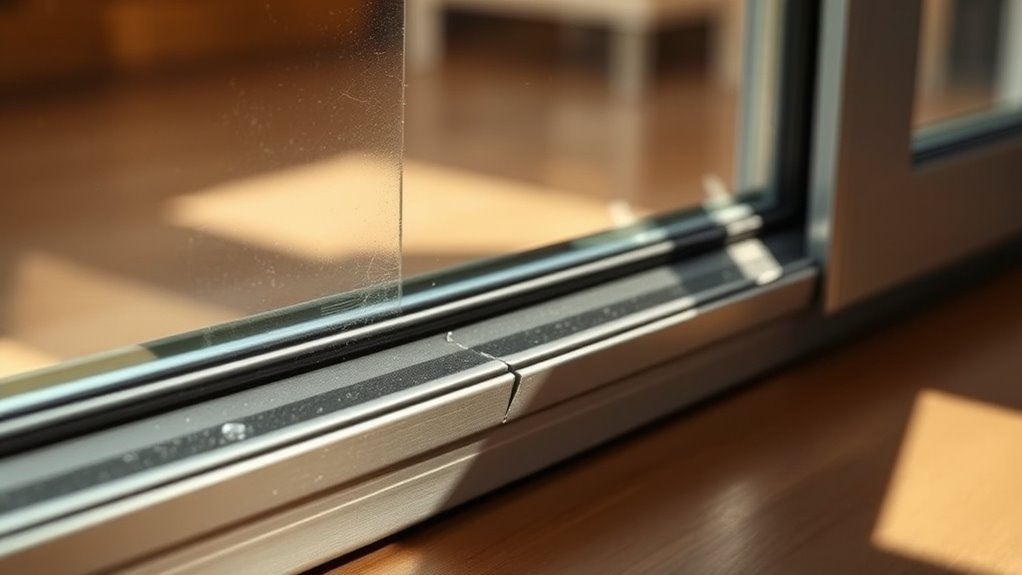
While a sturdy lock is essential, small gaps and poorly sealed edges around your doors can undermine both security and insulation. Gaps and seals affect insulation efficiency, letting drafts in and heat out, which raises energy costs. They also create vulnerabilities that intruders could exploit. Proper sealing ensures your door is airtight and secure. Additionally, addressing these issues can significantly improve overall durability, and prevent costly repairs down the line. Moreover, well-maintained seals can also enhance energy efficiency, reducing your utility bills over time. Regular inspections and sealant maintenance help maintain these benefits and extend the lifespan of your door components.
Is Your Door Installed and Aligned Correctly?
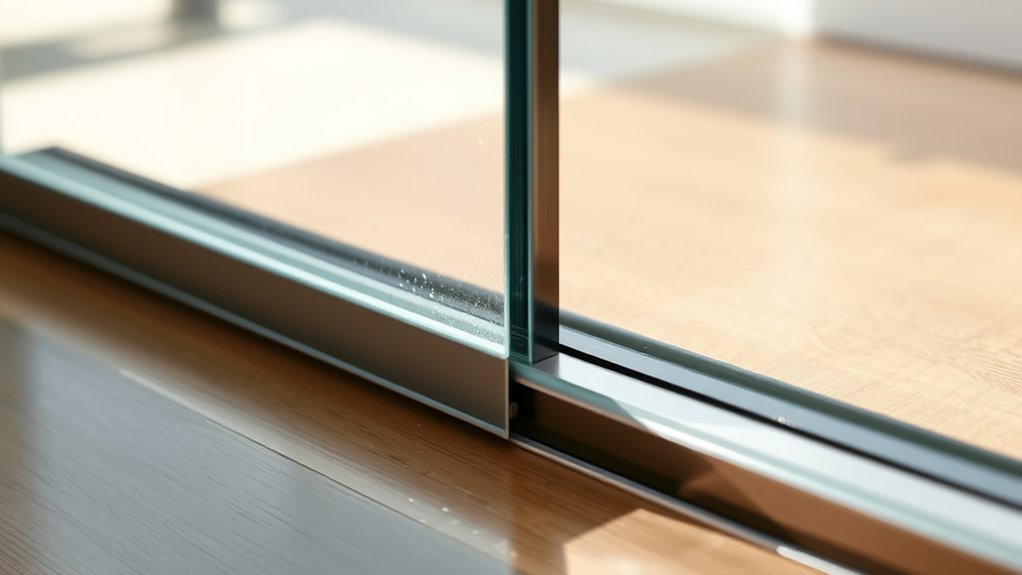
A properly installed and aligned door is essential for security and energy efficiency. When your sliding door isn’t correctly positioned, it becomes vulnerable to forced entry and leaks air, driving up energy costs. Plus, poor alignment can spoil your door aesthetics and disrupt your interior design, making your space look untidy. To check if your door is set up right, consider these points:
- Is the door smoothly sliding without sticking or gaps?
- Does it sit flush with the frame, enhancing both security and appearance?
- Are the rollers and tracks clean and functioning properly?
- Does the door align perfectly with the surrounding wall, maintaining the overall interior design?
Addressing these issues keeps your door secure, efficient, and visually appealing.
Are Your Door Frame and Surrounding Structure Weak?
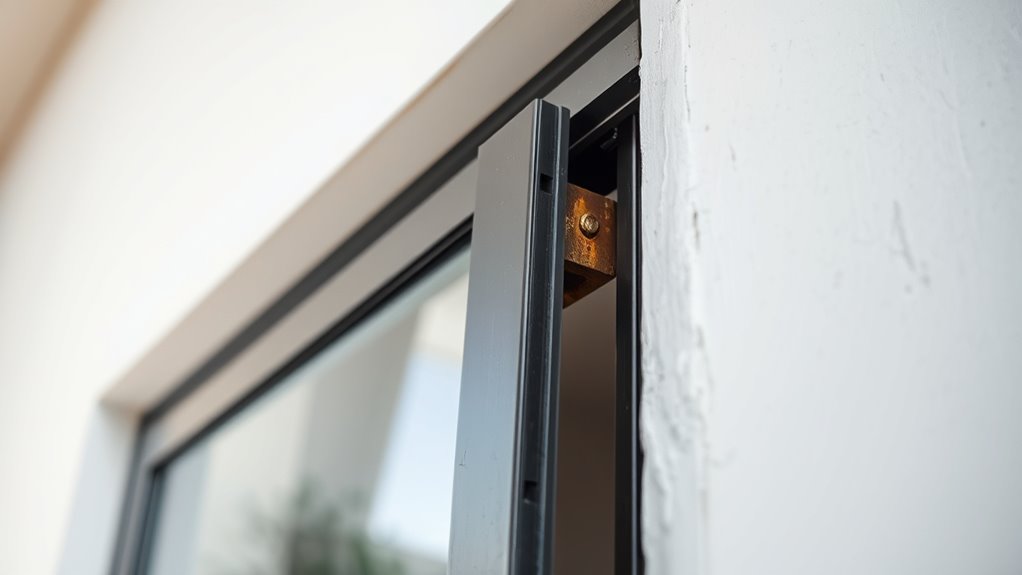
Your door frame and surrounding structure might be more vulnerable than you think, especially if the materials are weak or damaged. Poor locking mechanisms can make it easier for intruders to force their way in, even if the frame seems sturdy. It’s essential to assess both the strength of your frame material and the security of your locks to protect your home effectively.
Frame Material Weaknesses
The strength of your sliding door often depends on the durability of its frame material and surrounding structure. Over time, frame corrosion and material fatigue can weaken the entire setup, making it more vulnerable to forced entry or failure. If your frame isn’t resistant to moisture, rust can develop, reducing its integrity. Repeated stress or temperature changes can cause material fatigue, leading to cracks or warping. These issues compromise the door’s overall security and functionality.
- Corroded metal frames become brittle and easier to breach
- Wooden frames may warp or rot if exposed to moisture
- Weakening due to material fatigue reduces resistance
- Structural deterioration often goes unnoticed until it’s too late
Poor Locking Mechanisms
Weaknesses in the locking mechanisms of sliding doors can markedly undermine the security provided by an otherwise sturdy frame. A poor lock mechanism can be easily bypassed, leaving your home vulnerable. Many sliding doors rely on basic locks that don’t resist force or tampering, making them an easy target for intruders. Even if your door has a locking system, it might not be robust enough to withstand physical attacks. Check if the lock mechanism engages fully and securely every time. Upgrading to a high-quality, tamper-resistant lock system can substantially improve security. Remember, a strong lock isn’t just about the lock itself but also how well it integrates with the door’s frame and surrounding structure. Don’t overlook the importance of a reliable locking system in your overall security plan.
Does Poor Weatherproofing Reduce Security?

Does poor weatherproofing compromise the security of sliding doors? Absolutely. Weatherproofing vulnerabilities caused by maintenance neglect can weaken the door’s frame, seals, and locking points, making it easier for intruders to force entry. When you ignore routine upkeep, gaps and cracks develop, allowing drafts, water, and pests inside. These issues can also damage the door’s hardware over time, reducing its effectiveness.
Neglecting weatherproofing weakens sliding doors and invites security risks.
- Gaps around the frame create leverage points for burglars
- Water intrusion can corrode locks and hardware
- Drafts signal weak seals, inviting forced entry
- Neglected weatherproofing leads to overall structural weakening
Focusing on proper weatherproofing isn’t just about energy efficiency; it’s a key security measure.
Is Damaged or Low-Quality Glass a Security Risk?

Damaged or low-quality glass makes your sliding door more vulnerable to break-ins. While security films can help, they have limitations and might not prevent a determined intruder. Understanding these risks is essential to improving your door’s overall security.
Glass Breakage Risks
Low-quality or damaged glass can considerably increase the security risks of sliding doors, making it easier for intruders to break in. Weak or cracked glass, especially if not tempered, can shatter easily under pressure or impact. Even high-quality tempered glass can be compromised if there are surface damages or poor glass coatings, reducing its strength. This vulnerability gives intruders a quick entry point.
- Cracked or chipped glass that weakens the overall structure
- Poorly applied or worn glass coatings that reduce durability
- Inadequate tempered glass that may not meet safety standards
- Glass with scratches or defects that weaken its integrity
Ensuring your sliding door glass is high-quality, properly coated, and free of damage is key to reducing breakage risks.
Security Film Limitations
Security film can enhance the resilience of your sliding door glass, but its effectiveness is limited if the glass itself is compromised. Damaged or low-quality glass reduces the benefits of security film because the film relies on intact glass for proper glass reinforcement. If the glass has cracks, chips, or defects, attackers can exploit these weaknesses to break through more easily. Security film isn’t a foolproof solution; it’s just one layer of defense. When the glass is compromised, the film’s ability to hold shards together diminishes considerably, increasing vulnerability. To maximize security, you need to confirm your glass is in good condition before applying film and consider reinforced or laminated glass options for better glass reinforcement and overall protection.
Are Automated Sliding Doors Prone to Electronic Failures?
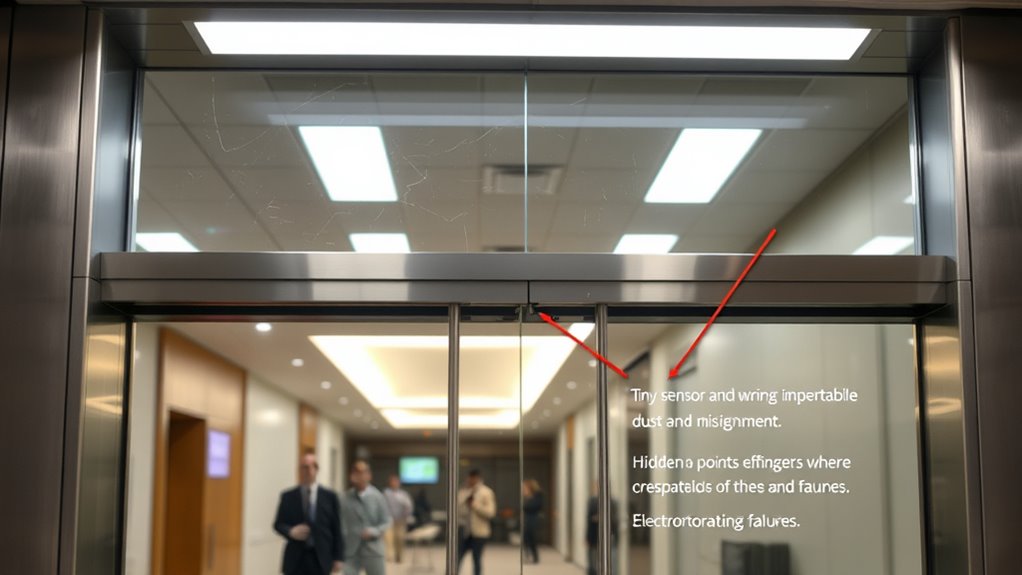
Automated sliding doors rely heavily on electronic components, making them susceptible to various failures. You might notice issues like doors not opening or closing smoothly, often caused by sensor calibration errors or power supply problems. These failures can be frustrating and might compromise security or convenience. Common electronic vulnerabilities include:
- Misaligned sensors that prevent proper detection of motion or obstacles
- Power supply fluctuations causing intermittent operation
- Faulty circuit boards leading to control system failures
- Inaccurate sensor calibration resulting in unresponsive doors
Since your door’s operation depends on precise electronic signals, even small issues can cause significant disruptions. Regular checks of sensor calibration and ensuring a stable power supply help minimize these risks, keeping your sliding door functioning reliably.
How to Regularly Inspect and Maintain Your Sliding Door

Regularly inspecting and maintaining your sliding door is essential to guarantee it operates smoothly and reliably. Start by checking the track for debris or obstructions that could hinder movement. Clean the track and rollers regularly to prevent sticking or jamming. Ensure the door’s security camera placement offers a clear view of the entry point, helping you monitor and identify vulnerabilities. Test the locking mechanism to confirm it engages properly, enhancing security. Also, verify that the emergency exit accessibility remains unobstructed and easy to operate, especially in urgent situations. Lubricate moving parts to reduce wear and squeaking. By performing these inspections routinely, you reduce the risk of failure and improve safety, making certain your sliding door remains a secure and functional barrier.
Frequently Asked Questions
Can Hidden Vulnerabilities in Sliding Door Design Be Exploited by Intruders?
Yes, hidden vulnerabilities in sliding door design can be exploited by intruders to gain access. If security gaps exist, such as weak locks or frames, intruders can manipulate or bypass these points easily. You should regularly inspect and reinforce your sliding door’s locking mechanisms and frame to prevent intruder access. Addressing these vulnerabilities guarantees your home stays secure and minimizes the risk of break-ins through overlooked weaknesses.
Are There Specific Materials That Make Sliding Doors More Secure?
Think of your sliding door like a fortress—strong materials make all the difference. Opt for a sturdy door frame made from reinforced aluminum or steel, and choose glass with high durability, like laminated or tempered glass, to resist shattering. These materials provide added security, making it hard for intruders to force entry. Using the right combination of frame and glass, you markedly boost your door’s resilience against break-ins.
How Do External Environmental Factors Weaken Sliding Door Security Over Time?
External environmental factors, like weather degradation and corrosion effects, weaken your sliding door security over time. Harsh weather, such as rain and snow, causes metal components to rust and degrade, making locks and tracks less reliable. Continuous exposure to moisture accelerates corrosion, which can loosen fittings or even cause frame warping. To protect your door, regularly maintain and inspect it, applying protective coatings and addressing any signs of corrosion early on.
Can Smart Security Systems Be Bypassed in Automated Sliding Doors?
Think of your smart security system as a fortress—yet even this fortress can be breached. Yes, automated sliding doors can be bypassed through sensor hacking or signal jamming. Hackers might disable sensors or block signals, tricking the system into opening or ignoring intruders. To stay protected, verify your system has advanced encryption and anti-jamming features, and regularly update its firmware. Don’t let technology lull you into false security.
What Are Common Overlooked Signs of Sliding Door Tampering?
You should regularly check your sliding door’s door frame for any signs of tampering, like dents or misalignment. Pay close attention to the glass integrity—cracks, chips, or unusual fogging could indicate attempted forced entry. Also, confirm the lock mechanism functions smoothly and isn’t loose. These overlooked signs can help you detect tampering early, preventing potential security breaches before they happen.
Conclusion
Think of your sliding door as the gateway to your sanctuary—a delicate balance of craftsmanship and care. When you stay vigilant, inspecting and maintaining it like a watchful guardian, you seal vulnerabilities like cracks in armor. With every proper adjustment and upgrade, you’re fortifying your fortress against unseen threats. Keep it aligned, sealed, and secure, so your home stands strong and inviting—a shining beacon of safety amid the shifting shadows.
Halloween Picks
halloween
As an affiliate, we earn on qualifying purchases.