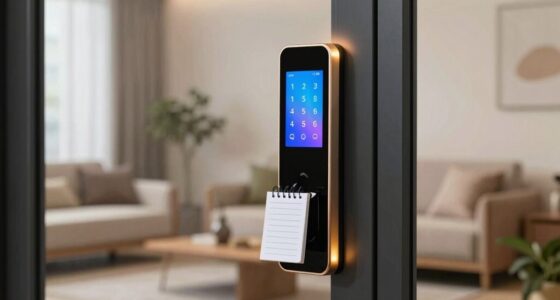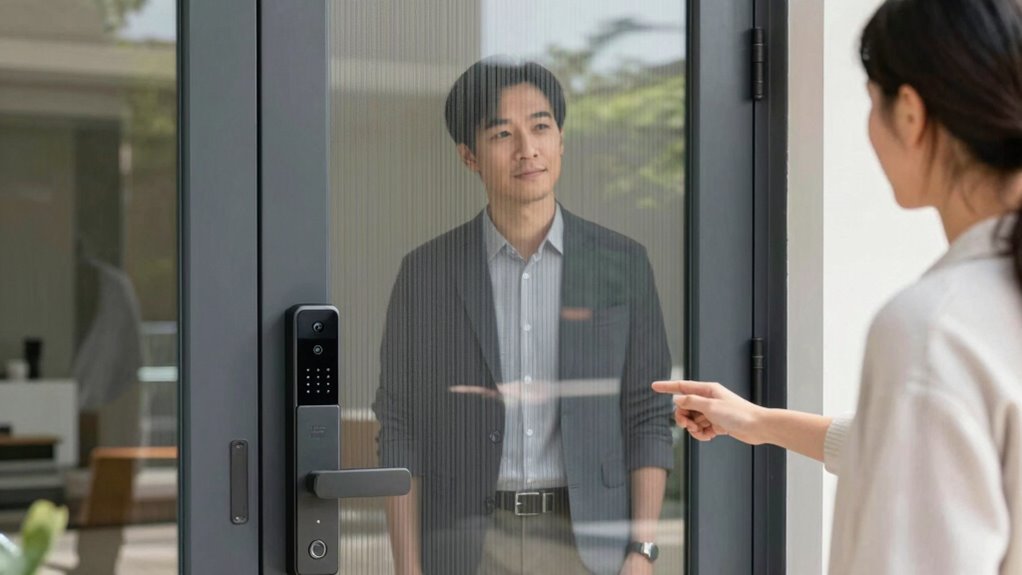

To manage visitor interactions safely without opening the door, use contactless access options like smart locks and video intercoms with remote monitoring. Set up clear screening protocols that verify identities through secure video calls or digital logs. Employ technologies such as visitor analytics and mobile apps for real-time alerts, and guarantee all systems are protected with strong passwords and regular updates. Staying vigilant and using these tools helps keep your property secure—discover more strategies to enhance your remote visitor management.

Get privacy and security gear delivered free — and shop member deals
- Fast, free delivery on millions of items
- Access to Prime Big Deal Days deals on October 6–7
- Prime Video, Amazon Music and more included
Key Takeaways
- Use video intercom systems and virtual escorts for live remote interaction and identity verification.
- Implement contactless access solutions like smart locks and digital visitor logs to minimize physical contact.
- Establish clear visitor screening protocols, including ID validation and behavior monitoring, before granting access.
- Ensure secure communication by using strong passwords, two-factor authentication, and updating firmware regularly.
- Continuously review and improve visitor management procedures to enhance safety, privacy, and system effectiveness.
As an affiliate, we earn on qualifying purchases.
Why Managing Visitors Remotely Matters for Your Security
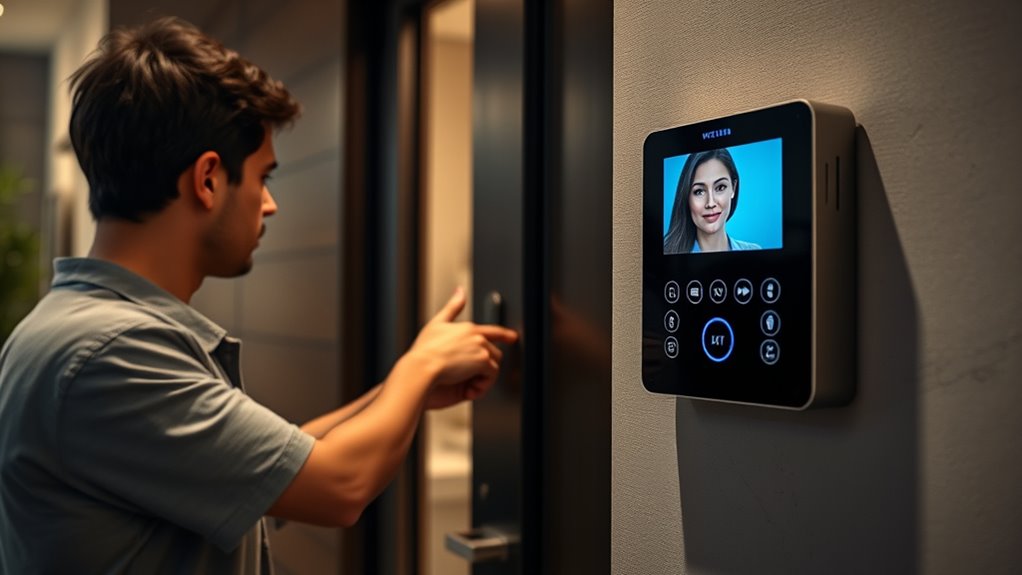
Managing visitors remotely is essential for maintaining your security because it allows you to control access more effectively without being physically present. This approach helps protect visitor privacy by limiting unnecessary exposure and ensuring that only authorized individuals enter your space. When you manage visitors remotely, you can monitor their behavior in real-time, spotting any suspicious or disruptive actions early. This proactive oversight reduces the risk of security breaches and ensures a safer environment for everyone. Additionally, remote management keeps you in control of interactions, allowing you to enforce policies consistently. It also minimizes the likelihood of accidental privacy violations, as you’re able to oversee visitor movements discreetly and efficiently. Incorporating smart security systems into your setup further enhances your ability to manage access and monitor activity remotely. Using video monitoring tools can provide additional layers of oversight, making it easier to identify potential issues before they escalate. Moreover, integrating remote control features can streamline your management process, saving you time and effort. Implementing automated alerts can notify you immediately of any unusual activity, further strengthening your security measures. Regularly reviewing security zone information can help you stay updated on the latest best practices and technologies, ensuring your security setup remains effective. Overall, remote management enhances security, respects visitor privacy, and helps maintain a professional atmosphere.
As an affiliate, we earn on qualifying purchases.
How to Create a Clear and Effective Visitor Screening Process

Creating a clear and effective visitor screening process is essential to guarantee your security measures work smoothly. Start by establishing consistent screening protocols that everyone follows. This includes verifying visitor identities through valid IDs and confirming appointments beforehand. Make sure your staff knows how to ask the right questions and recognize suspicious behavior. Clearly outline steps for verifying visitor credentials and documenting arrivals. Keep the process simple yet thorough, so it doesn’t cause delays or confusion. Incorporate color accuracy considerations to ensure visual communication or digital displays used in your screening area are clear and effective. Regularly review and update your screening protocols to adapt to new threats or changes in your facility. Additionally, leveraging security technology such as cameras and electronic access controls can enhance the accuracy and efficiency of your screening process. Implementing standardized procedures helps streamline operations and ensures consistency across staff members. Incorporating visitor management software can further improve tracking and record-keeping. Integrating comprehensive screening procedures helps identify potential risks early and prevents unauthorized access. By implementing a structured process for visitor verification, you reduce risks and assure only authorized visitors gain access. This proactive approach helps maintain a safe and secure environment for everyone inside.
contactless visitor management system
As an affiliate, we earn on qualifying purchases.
As an affiliate, we earn on qualifying purchases.
Which Technologies Help You Screen Visitors Safely From Afar

To effectively screen visitors from afar, technology plays a vital role in enhancing security without slowing down the process. Virtual escorts provide real-time video communication, allowing you to verify identities remotely. Visitor analytics track patterns and behaviors, helping identify suspicious activity before contact. Here are four key tools to take into account:
- Video intercom systems with remote access
- Virtual escorts for live verification
- Visitor analytics for data-driven insights
- Mobile apps for instant alerts and monitoring
In addition, understanding home charging and safe installation practices ensures your security systems are properly integrated and reliable. Proper system integration is essential for ensuring seamless operation between devices and maintaining security integrity. Additionally, leveraging European cloud infrastructure enhances data security and compliance with regional regulations. This infrastructure supports privacy protections, which are crucial for safeguarding personal data in smart home applications. Ensuring security protocols are up-to-date further minimizes vulnerabilities and protects sensitive information. Together, these technologies enable you to assess visitors safely from a distance, minimizing risk while maintaining smooth access control. By integrating virtual escorts and visitor analytics, you gain both real-time verification and extensive visitor data, ensuring a secure environment without opening the door.
As an affiliate, we earn on qualifying purchases.
How to Set Up Your Video Doorbell for Secure Communication

Setting up your video doorbell for secure communication is a straightforward process that considerably enhances your home security. First, choose a strong, unique password for your doorbell camera’s app account to prevent unauthorized access. Enable two-factor authentication for added protection. Next, connect your doorbell camera to a secure Wi-Fi network, avoiding public or open networks. Make sure your router’s firmware is up to date. Adjust privacy settings within the app to control who can view footage and receive notifications. Regularly update your device’s firmware and app to patch security vulnerabilities. Additionally, use security best practices to further safeguard your device from potential threats. Incorporating network security measures such as a guest network can provide an extra layer of protection. By following these steps, you ensure that your doorbell camera communicates securely, reducing the risk of hacking or eavesdropping, and keeping your visitor interactions private and protected.
What Are the Best Contactless Access Solutions for Your Home or Business

As technology advances, contactless access solutions have become essential for enhancing convenience and security in your home or business. These solutions allow you to manage visitors and deliveries without physical contact, reducing risks. Consider these top options:
- Smart locks with mobile access, enabling you to release doors remotely.
- Contactless delivery systems, so packages are securely dropped off without direct contact.
- Digital visitor logs, which record visitor entries automatically for better tracking.
- Video intercoms integrated with your security system, allowing visual verification before granting access.
- Contactless access methods help prevent unauthorized entry and minimize contact points, further improving safety and efficiency. Implementing contactless entry techniques can also streamline operations and reduce the need for physical keys or cards. Utilizing secure access control systems ensures that only authorized individuals can gain entry, adding an extra layer of protection.
Using these tools, you can guarantee safe interactions, streamline visitor management, and maintain a detailed record of all entries. These solutions keep your property secure while offering effortless access control for visitors and service providers alike.
Tips to Avoid Common Mistakes When Managing Visitors Remotely
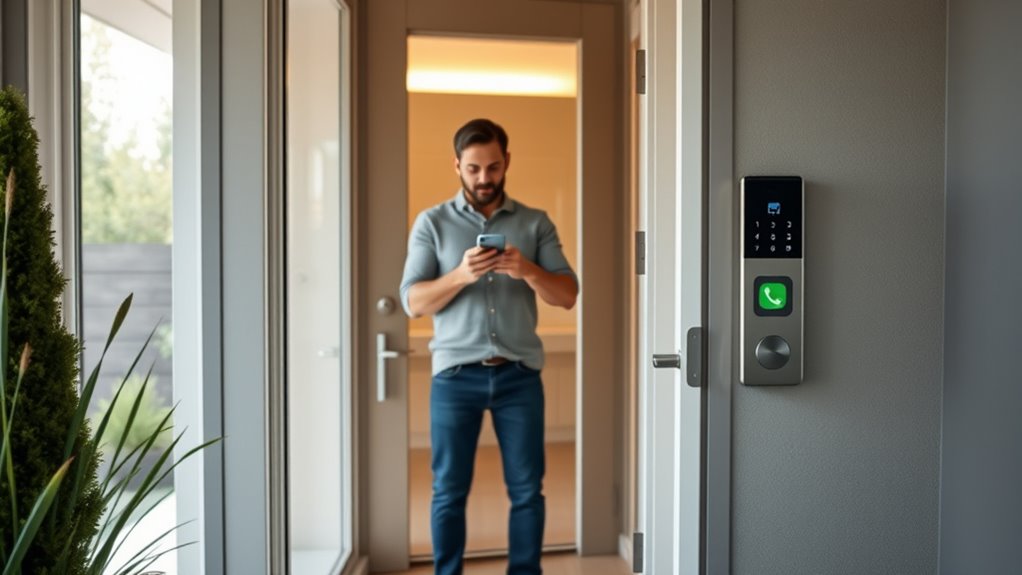
While contactless access solutions simplify visitor management, remote control also introduces new opportunities for mistakes. To avoid these, always communicate clearly about visitor etiquette beforehand, so guests understand your expectations. Be cautious about granting access without verifying identity; double-check visitor details to prevent security lapses. Keep emergency procedures well-documented and easily accessible, ensuring you can respond swiftly if needed. Regularly update passwords and access codes to prevent unauthorized entry. Avoid rushing through remote interactions—take your time to confirm visitor intent and clarify any instructions. Additionally, staying informed about security best practices can help you identify potential vulnerabilities before they become issues. Being aware of common remote management errors can further help you prevent avoidable mistakes. By staying attentive to these details, you minimize errors that could compromise safety or lead to misunderstandings. Proper planning and communication are key to managing visitors remotely without opening the door to risks. Security awareness and being proactive are essential components of responsible remote visitor management.
How to Use Smart Home Devices to Protect Your Privacy and Security
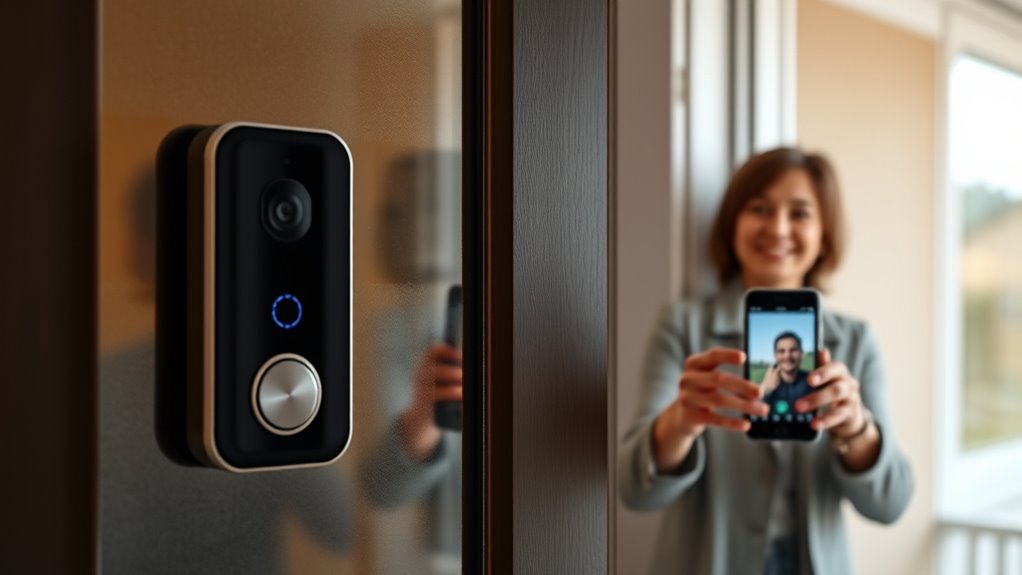
Smart home devices can greatly enhance your convenience and comfort, but they also require careful management to protect your privacy and security. To guarantee smart security and safeguard visitor privacy, consider these steps:
Smart home devices boost comfort but need proper security measures to protect privacy and visitors.
- Regularly update device firmware to patch vulnerabilities.
- Use strong, unique passwords for all smart home systems.
- Limit access by configuring user permissions and avoiding shared credentials.
- Enable two-factor authentication where available to prevent unauthorized access.
Next Steps: Troubleshooting and Improving Your Visitor Management System
To effectively troubleshoot and improve your visitor management system, you need to regularly review its performance and identify any weak points or recurring issues. Observe how visitors follow your established protocols, including visitor etiquette and communication methods. Pay attention to any gaps in security or confusion about emergency procedures, especially during unexpected situations. Address these issues by updating your system, such as enhancing signage or providing clearer instructions. Conduct periodic drills to ensure visitors understand emergency procedures and know how to respond safely without opening the door. Solicit feedback from visitors and staff to identify pain points. Continuous evaluation and improvement keep your system reliable, reinforce safety protocols, and ensure visitors interact respectfully and securely at all times.
Frequently Asked Questions
How Can I Ensure Visitor Privacy During Remote Screening?
To guarantee visitor privacy during remote screening, you should use secure, encrypted communication channels. Clearly communicate your privacy policies and limit the information you request to only what’s necessary. Use video or audio verification options that protect their identity, and avoid recording sensitive details unless absolutely needed. You also want to maintain a professional environment, ensuring visitors feel safe and confident that their privacy is prioritized throughout the remote screening process.
What Are the Legal Considerations for Remote Visitor Management?
Think of legal considerations as the guardrails guiding your access control and visitor logs. You must respect privacy laws, guarantee consent for data collection, and maintain accurate records. Failing to do so risks legal pitfalls, so stay transparent about how you handle visitor information. Regularly review policies and stay updated on regulations to keep your remote visitor management compliant and trustworthy, safeguarding both your visitors and your organization.
Can Remote Visitor Systems Detect Suspicious Behavior?
Yes, remote visitor systems can detect suspicious behavior by monitoring visitor behavior through cameras and sensors. These systems analyze patterns that deviate from normal activity, alerting you to potential threats. By integrating security protocols, you can promptly respond to unusual movements or interactions. This proactive approach enhances safety without opening the door, allowing you to manage visitors effectively while maintaining a secure environment.
How Do I Train Staff to Handle Remote Visitor Interactions Securely?
You should train your staff on access control protocols and how to identify suspicious behavior during remote interactions. Conduct regular staff training sessions that emphasize secure communication, proper use of intercom systems, and recognizing potential threats. Role-playing scenarios can help staff respond confidently. Reinforce the importance of verifying visitor identities, maintaining situational awareness, and following company policies to guarantee secure, effective remote visitor management.
What Backup Measures Should I Have if Technology Fails?
Your backup measures are like a safety net beneath a tightrope. You should implement data redundancy to protect important information and have manual protocols ready for when technology fails. Keep physical logs or paper records accessible, and train staff to switch seamlessly from digital systems to manual procedures. Regularly test these backups to verify they’re reliable, so you stay prepared, no matter what technical issues arise.
Conclusion
By mastering remote visitor management, you’re steering your security ship through calm waters, avoiding hidden icebergs. With the right technology and clear procedures, you can confidently welcome guests without opening the door to risks. Keep refining your system, stay vigilant, and let smart solutions be your guiding stars. In doing so, you’ll navigate your home or business safely, ensuring peace of mind is always within reach, no matter where you are.
Fall Picks
fall essentials
As an affiliate, we earn on qualifying purchases.