
TL;DR
Alibaba has prohibited its staff from using Anthropic’s Claude Code due to concerns about potential spyware. The company emphasizes security risks, but details about the threat remain unclear. This decision could influence AI tool policies in the tech industry.
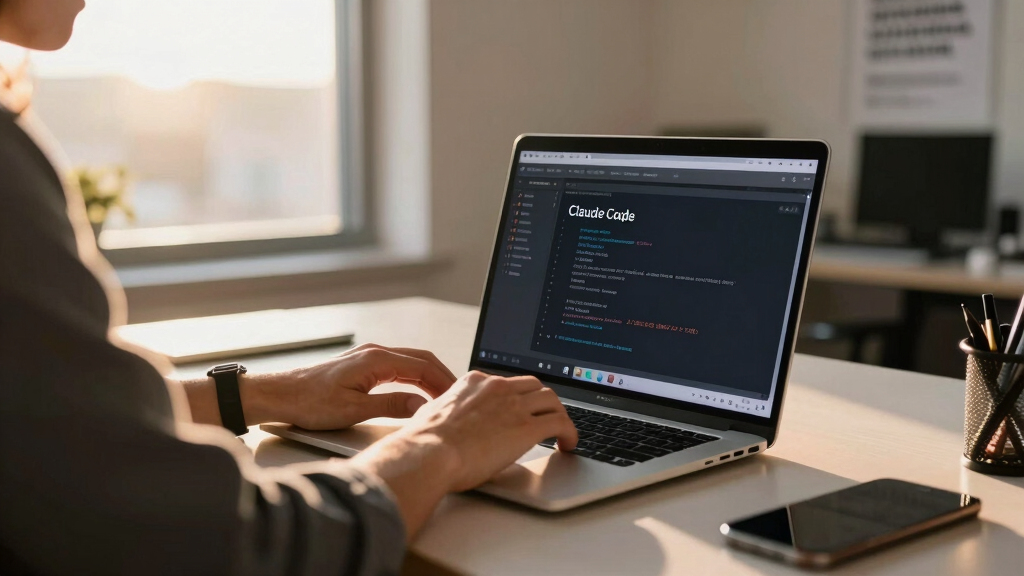
Alibaba has restricted its employees from using Anthropic’s Claude Code due to security concerns about potential spyware embedded in the software. The company cited spyware fears as the reason for the ban, marking a significant move in corporate AI tool management amid rising cybersecurity concerns.
According to sources familiar with Alibaba’s internal policies, the ban was implemented in early April 2024 after security teams identified possible risks associated with Claude Code, an AI coding assistant developed by Anthropic. Alibaba has not disclosed specific technical details but emphasized the importance of security and data privacy in its AI tool usage.
The company’s decision aligns with broader industry concerns about spyware and data security risks linked to third-party AI tools. Anthropic has not publicly responded to the allegations, and there is no confirmed evidence that Claude Code contains spyware or malicious code. Alibaba’s move appears to be precautionary, prioritizing cybersecurity.
Employees at Alibaba have been instructed to cease using Claude Code immediately, and the company is reviewing its AI tool policies. The ban affects a subset of staff involved in software development and AI research, but the full scope of the restriction has not been publicly detailed.
Implications for Corporate AI Security Policies
This move by Alibaba highlights the increasing importance of cybersecurity considerations in adopting AI tools within large corporations. As AI becomes integral to development processes, concerns about spyware and data leaks are prompting companies to reevaluate third-party software usage. Alibaba’s ban could influence other firms to scrutinize their AI tool policies and adopt stricter security measures, potentially slowing down AI adoption in corporate environments.

Coding with AI For Dummies (For Dummies: Learning Made Easy)
As an affiliate, we earn on qualifying purchases.
As an affiliate, we earn on qualifying purchases.
Rising Industry Concerns Over AI Spyware Risks
Recent years have seen growing scrutiny of AI tools developed by various companies, especially regarding security vulnerabilities and data privacy. Anthropic’s Claude Code, launched in early 2024, gained attention as a popular coding assistant, but concerns about spyware embedded in third-party AI software have increased. Alibaba’s decision follows similar cautionary steps by other tech giants, reflecting a broader industry trend to prioritize cybersecurity.
While there have been no publicly confirmed cases of spyware in Claude Code, the move underscores the heightened sensitivity around security risks associated with AI tools. The incident also comes amid ongoing debates about regulation and oversight of AI technologies.
“We have implemented a temporary ban on using Claude Code to ensure the security and privacy of our data and systems.”
— Alibaba spokesperson

Artificial Intelligence for Cybersecurity: Develop AI approaches to solve cybersecurity problems in your organization
As an affiliate, we earn on qualifying purchases.
As an affiliate, we earn on qualifying purchases.
Extent of Spyware Concerns and Evidence
It is currently unclear whether Claude Code actually contains spyware or if the concerns are purely precautionary. No publicly available evidence confirms malicious code or data leaks associated with Anthropic’s software. Details about the specific security risks identified by Alibaba remain undisclosed, and investigations are ongoing.
AI security software for developers
As an affiliate, we earn on qualifying purchases.
As an affiliate, we earn on qualifying purchases.
Alibaba Reviews AI Tool Policies and Investigates
Alibaba is expected to conduct a comprehensive review of its AI tool security protocols and may extend the ban to other third-party AI software if concerns persist. The company may also engage with Anthropic for further clarification and security assurances. Industry observers anticipate that this incident will prompt other corporations to reassess their AI tool security measures, possibly leading to broader industry standards or regulations.
As an affiliate, we earn on qualifying purchases.
Key Questions
Why did Alibaba ban Claude Code?
Alibaba cited spyware concerns as the reason for banning Claude Code, to protect data privacy and security, though no specific evidence has been publicly disclosed.
Has Anthropic responded to the allegations?
Anthropic has stated they are investigating the claims and remain committed to transparency and security, but have not provided detailed comments.
Could this affect other companies’ use of AI tools?
Yes, the move by Alibaba could lead other firms to reevaluate their AI security policies, especially regarding third-party software, to mitigate potential risks.
Is there evidence that Claude Code contains spyware?
There is currently no publicly confirmed evidence that Claude Code includes spyware or malicious code. The concerns are based on internal security assessments and caution.
What might happen next in this situation?
Alibaba is expected to review its AI security protocols, possibly lift or extend the ban, and engage with Anthropic. The incident could influence industry standards for AI security.
Source: google-trends