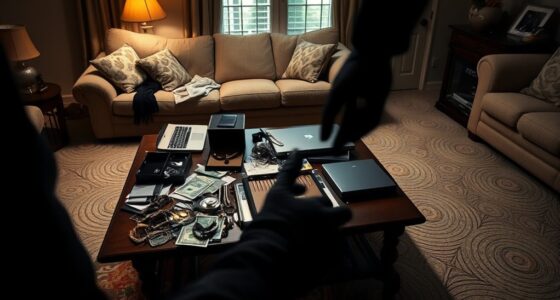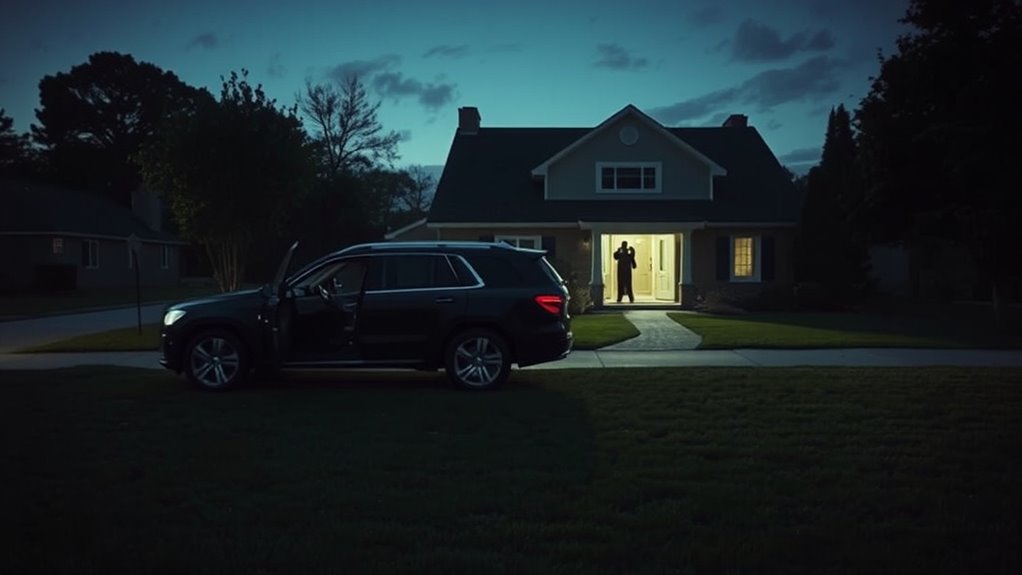

Burglars carefully case homes by studying visible security signs, weak points like unfastened doors or unsecured windows, and environmental factors such as busy streets or quiet back alleys. They prefer the easiest, least resistant entry points and plan escape routes that offer quick, discreet exits. Their goal is to minimize risks and avoid detection. Understanding these tactics can help you protect your home better—keep exploring to learn more about safeguarding your space.
Key Takeaways
- Burglars target superficial security flaws like visible alarm signs and poorly secured windows for quick, low-resistance access.
- They prefer the easiest escape routes, such as alleys or wooded areas, to minimize risk and avoid detection.
- Planning involves analyzing environment and security features, focusing on small deterrents that influence their decision-making.
- Burglars assess surroundings for cover, avoiding busy streets and choosing locations where they can blend into crowds.
- Their process is calculated, not impulsive, relying on predictable vulnerabilities and thorough environmental analysis.

Understanding what drives burglars can reveal surprising insights into their mindset and decision-making processes. When they’re planning a break-in, they often look for vulnerabilities that may seem minor or superficial to most homeowners. Targeting superficial security is a common tactic because many people underestimate the importance of simple deterrents like visible alarm signs, poorly secured windows, or unlatched doors. Burglars are quick to spot these weaknesses, and they know that if they can bypass or ignore superficial security measures, they can move through a home with less risk of confrontation or detection. This mentality highlights that burglars aren’t always interested in high-tech security systems—they’re often seeking the easiest, most efficient path with the least resistance.
Analyzing escape routes is another critical element in a burglar’s planning process. They don’t just want to get inside; they want to leave quickly and safely, minimizing their chance of being caught. You might think they’d choose a home with multiple exits or a clear escape path, but in reality, burglars prefer homes where they can easily identify and use escape routes that are concealed or less obvious to others. They often assess nearby alleys, side streets, or wooded areas that provide quick cover. This step in their planning reveals that they’re not only concerned about breaking in but also about how swiftly they can disappear afterward. Knowing the landscape around a target home helps them decide whether it’s a viable location or too risky to attempt.
This planning phase underscores a burglar’s need for control and predictability. They want to minimize surprises, so they carefully analyze every detail, from whether the house has security cameras to the best route for a quick getaway. They look for signs that could delay or complicate their escape—like busy streets or areas with lots of witnesses—and prefer homes located in areas where they can blend in or disappear into the crowd. Recognizing these behaviors helps you realize that burglary isn’t just impulsive; it’s a calculated process where identifying superficial security flaws and planning escape routes are essential. By understanding that even small deterrents such as visible security signs can influence a burglar’s decision, homeowners can take proactive steps to make their homes less attractive targets. Every little detail, from locking windows to ensuring clear, visible escape routes, can tilt the odds in your favor and deter would-be intruders from choosing your home.

Hiseeu Solar Security Cameras Wireless Outdoor System, 6 Cam-Kit, Expandable to 10CH, No Monthly Fee, Solar-Powered, Home Security Cameras System with 2K Color Night Vision, 2.4G & 5G WiFi, 1TB HDD
No Subscription & Expandable to 10CH, local storage security cameras system, Base-station with 1TB HDD offers 6-8 months...
As an affiliate, we earn on qualifying purchases.
Frequently Asked Questions
What Are Common Signs a Home Has Been Targeted?
You might notice signs your home has been targeted, like unfamiliar distraction techniques or people lingering nearby. Thieves often use surveillance behaviors, such as repeatedly observing entry points or acting suspiciously around your property. Look for disturbed landscaping, broken locks, or missing items, which can indicate someone has been casing your home. Stay alert to unusual activity, especially if someone seems to be watching or trying to distract you.
How Do Burglars Choose Their Victims?
Burglars choose their victims by identifying vulnerable entrances like unfastened doors or windows and observing lifestyle patterns that suggest absence or routine. You might unknowingly make your home attractive by leaving valuables visible or having inconsistent schedules. They target homes where they see less risk and higher reward, so guarantee your entrances are secure, and maintain predictable routines or disguise them to reduce your home’s appeal to potential intruders.
Can Burglars Be Deterred by Security Systems?
Yes, burglars can be deterred by security systems. The moment they spot visible alarm systems or security cameras, they often move on, fearing detection. These tools create a clear obstacle, making your home less appealing. Keep your alarm system visible and make sure security cameras cover all entry points. This combination signals you’re vigilant, increasing the risk for burglars and decreasing the likelihood they’ll target your home.
What Psychological Traits Are Common Among Burglars?
You should know that burglars often share psychological profiles marked by impulsivity, risk-taking, and a desire for quick gains. Their behavioral patterns typically involve careful planning, avoiding detection, and targeting homes with signs of vulnerability. These traits make them unpredictable but also highlight how understanding their psychological traits can help you better secure your home. Recognizing these patterns allows you to implement effective deterrents and reduce your risk.
How Do Burglars Plan Their Entries and Exits?
Imagine you’re a shadow slipping through the night, carefully choosing your entry and exit points. You plan your approach using surveillance tactics, noting cameras or alarms. Once inside, you navigate with stealth, always aware of escape routes. Your exit strategy involves quick, discreet movements, avoiding detection. Every step is calculated, ensuring you can vanish into darkness, leaving no trace behind—mastering the art of silent departure.

REOLINK 4K Solar Security Camera Outdoor, Encrypted Local Storage Camera System, 360° Pan Tilt, Smart Detection, No Monthly Fee, Home Hub with 4X PT Ultra + Solar Panel
4K 8MP FULL-COLOR FOOTAGE DAY & NIGHT: Experience the ultimate clarity in the 4K 8MP footage. From day...
As an affiliate, we earn on qualifying purchases.
Conclusion
Understanding how burglars think is like peering into a shadowy maze, revealing their fears and desires. When you grasp their mindset, you’re better equipped to lock down your home’s secret doors and hidden corridors. Think of your home as a fortress built with awareness and vigilance—each security measure a shining beacon in the darkness. Stay alert, stay safe, and turn the unknown into your strongest shield against those lurking in the shadows.
![4K Security Cameras Wireless Outdoor, No Subscription, Works in -14°F Cold [2026 New] Solar-Powered Home Security Camera System with 360° Auto Tracking, Color Night Vision, 5G & 2.4G WiFi, Easy Setup](https://m.media-amazon.com/images/I/51b0Rvvb4qL._SL500_.jpg)
4K Security Cameras Wireless Outdoor, No Subscription, Works in -14°F Cold [2026 New] Solar-Powered Home Security Camera System with 360° Auto Tracking, Color Night Vision, 5G & 2.4G WiFi, Easy Setup
【No Monthly Fees, 64GB Encrypted Base Station& Dual-Band Wi-Fi】 Enjoy total security and privacy with YOYIRYB security cameras...
As an affiliate, we earn on qualifying purchases.
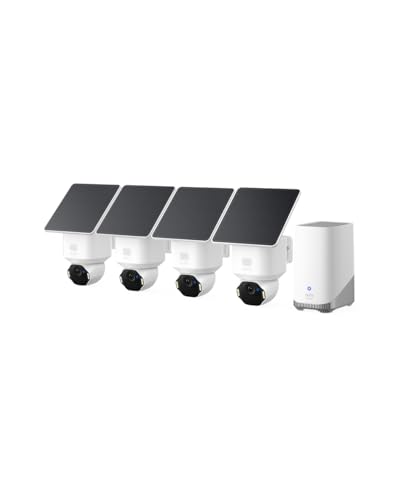
eufy Security SoloCam E42 4-Cam Kit, 4K Security Camera Wireless Outdoor, Solar Powered, AI Motion Tracking, Strobe Light, Pan & Tilt, Facial Recognition, Built-in Local Storage (Up to 16TB)
Ultra HD 4K Clarity: Features true 4K UHD resolution to capture every detail around your home. It can...
As an affiliate, we earn on qualifying purchases.