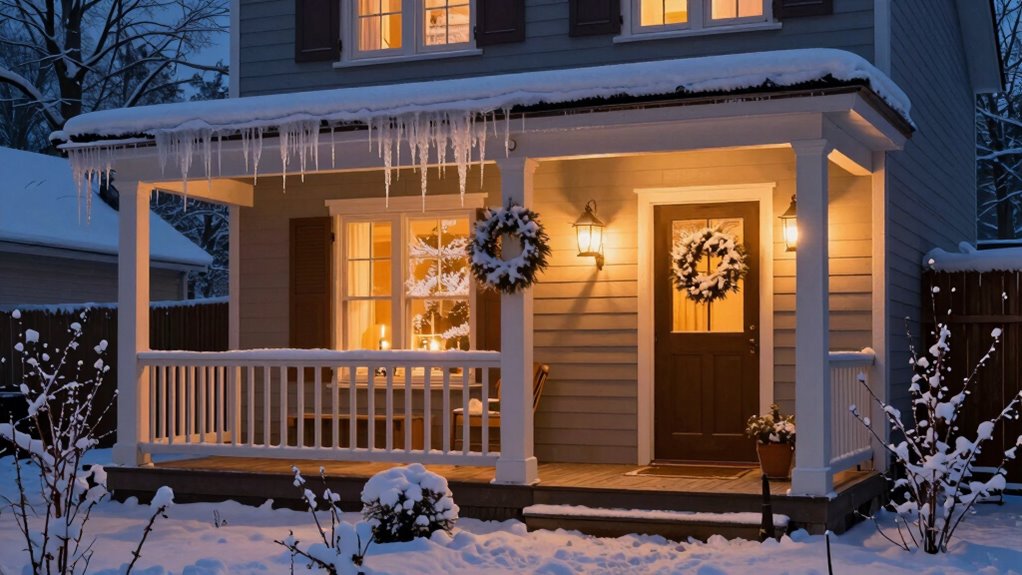

To protect your home during long winter nights, make sure your heating system is inspected and maintained regularly to stay efficient and prevent carbon monoxide leaks. Insulate exposed pipes and keep faucets dripping to avoid freezing. Prepare an emergency kit with supplies like food, water, and blankets, and keep emergency contacts accessible. Install carbon monoxide detectors and keep vents clear for good airflow. Staying vigilant about safety measures can help you weather winter safely—discover more tips to keep your home secure and warm.

Get privacy and security gear delivered free — and shop member deals
- Fast, free delivery on millions of items
- Access to Prime Big Deal Days deals on October 6–7
- Prime Video, Amazon Music and more included
Key Takeaways
- Insulate pipes and keep faucets dripping to prevent freezing and bursting.
- Regularly maintain and inspect heating systems for efficiency and safety.
- Prepare an emergency kit with essentials in an accessible location.
- Install carbon monoxide detectors near sleeping areas to detect leaks.
- Keep vents clear and replace filters regularly to ensure good indoor air quality.
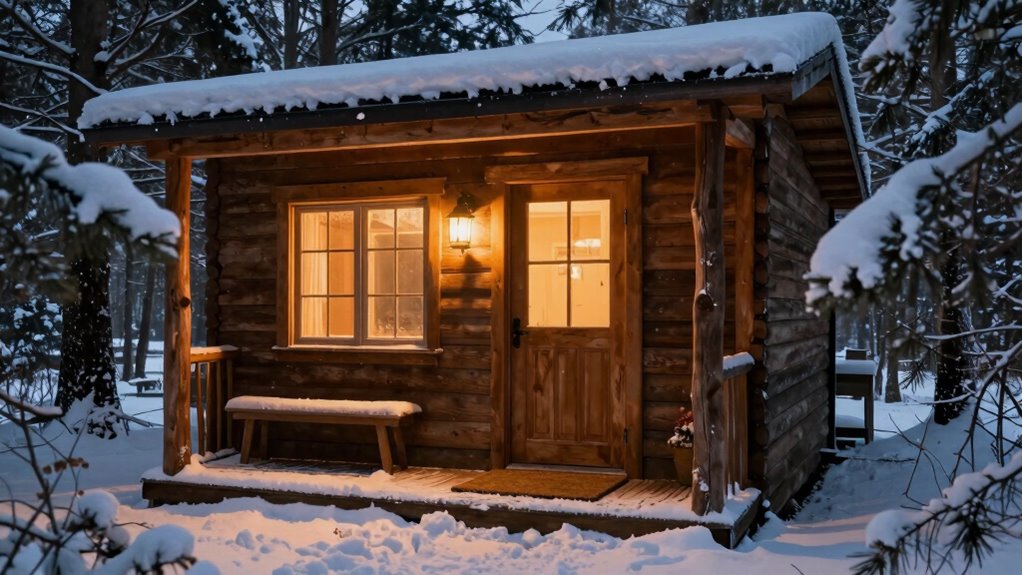
As the long winter nights settle in, it’s vital to take proactive steps to protect your home from potential hazards. One of the most important considerations is guaranteeing your indoor heating system is safe and reliable. Before the cold hits its peak, have your furnace or heat pump inspected by a professional. Regular maintenance keeps your system running efficiently and reduces the risk of breakdowns or carbon monoxide leaks, which can be deadly in enclosed spaces. Make certain your vents are clear and that filters are replaced regularly to maintain good airflow and indoor air quality. Additionally, consider installing a carbon monoxide detector near your sleeping areas—this small step can alert you to dangerous levels of this silent threat, especially during long winter nights when indoor heating is used intensively. Ensuring your home’s heating system is properly maintained is essential for safety and efficiency home heating safety.
Ensure your heating system is inspected and vents are clear for a safe, warm winter.
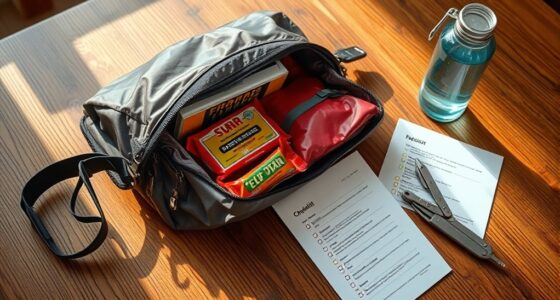
Alongside maintaining your heating system, you should prepare your home for emergencies. Winter storms can lead to power outages, making it vital to have an emergency kit ready and accessible. Pack essentials such as bottled water, non-perishable food, blankets, flashlights, batteries, and a first-aid kit. Keep these supplies in a central location so everyone in the household knows where to find them. It’s also wise to have a backup power source, like a generator, if possible, and guarantee it’s properly maintained. This way, you can keep essential appliances running and avoid freezing pipes or other hazards that come with prolonged outages. Being aware of winter storm preparedness can help you respond effectively to severe weather conditions. Additionally, understanding lab equipment and chemical safety can help you handle any potential hazards that may arise during emergency situations. Regularly reviewing safety procedures ensures you are ready to act quickly if needed.
Another key aspect of emergency preparedness involves safeguarding your pipes. Insulate exposed pipes and let faucets drip slightly during especially cold nights to prevent freezing. Knowing how to shut off your water supply quickly in case a pipe bursts can save you from extensive damage and costly repairs. It’s also a good idea to keep a mobile phone charged and stored in a safe, accessible place in case you need to call for help or emergency services. Furthermore, understanding plumbing safety tips can help you prevent and quickly address issues like pipe bursts before they cause significant damage. Staying informed about home safety measures can further enhance your preparedness for winter emergencies.
carbon monoxide detector for home
As an affiliate, we earn on qualifying purchases.
As an affiliate, we earn on qualifying purchases.
Frequently Asked Questions
How Can I Prevent Frozen Pipes During Winter?
To prevent frozen pipes during winter, you should start with effective frozen pipe prevention methods. Use pipe insulation techniques on exposed pipes, especially in unheated areas like basements or garages. Keep your home’s heat at a consistent temperature, even if you’re away. Opening cabinet doors under sinks allows warm air to circulate. Additionally, let faucets drip slightly to prevent pressure buildup. These steps help you avoid costly pipe repairs and water damage.
What Are the Best Ways to Insulate Windows?
To insulate your windows effectively, start with simple solutions like sealing with sturdy insulation curtains that block drafts and retain warmth. You can also add transparent window film, which creates a barrier against cold air and frost. Both options work together, providing a double layer of defense. This combination keeps your home warmer, reduces energy costs, and guarantees cozy comfort throughout chilly winter nights.
How Do I Maintain My Heating System?
To maintain your heating system effectively, regularly change filters and schedule professional inspections at least once a year. Use a smart thermostat to optimize energy efficiency, ensuring your home stays warm without wasting power. Keep vents clear of obstructions, and check for leaks around doors and windows. Proper maintenance not only prolongs your system’s lifespan but also keeps your home cozy during long winter nights, saving you money on energy bills.
Should I Leave My Lights on or Off?
Leaving your outdoor lights on can boost security, but it also increases energy costs – studies show outdoor lighting accounts for about 10% of residential energy use. For better energy efficiency, consider using timers or motion sensors to turn lights off when not needed. This way, you protect your home without wasting electricity, saving money and ensuring your outdoor space stays well-lit during long winter nights.
How Can I Secure My Home From Winter Storms?
You can secure your home from winter storms by reinforcing doors and windows, ensuring your home security system is active, and trimming trees that could fall. Keep emergency preparedness supplies like blankets, food, and water accessible. Regularly check for vulnerabilities, such as cracks or leaks, and seal them. Staying proactive helps protect your property and loved ones, ensuring you’re ready for any winter storm that comes your way.
As an affiliate, we earn on qualifying purchases.
Conclusion
So, safeguard your space by sealing leaks, securing shutters, and staying vigilant for signs of trouble. Prepare your pipes, protect your property, and prioritize peace of mind. With these simple steps, you’ll stay snug, safe, and stress-free through even the coldest, longest winter nights. Remember, a little preparation now prevents potential problems later. Stay smart, stay secure, and enjoy the serenity of a well-protected home all winter long.
emergency preparedness kit for winter
As an affiliate, we earn on qualifying purchases.
As an affiliate, we earn on qualifying purchases.
home generator for power outages
As an affiliate, we earn on qualifying purchases.
As an affiliate, we earn on qualifying purchases.
Fall Picks
fall essentials
As an affiliate, we earn on qualifying purchases.