Relying too much on a strict, predictable routine can make your home environment dull for your pet, leading to boredom, anxiety, and destructive behaviors. When your pet becomes overly dependent on the same schedule, they may struggle with stress or hesitation in new situations. Incorporating some flexibility and mental stimulation can improve their well-being. If you want to learn simple ways to balance routine and variety, keep exploring for helpful tips.
Key Takeaways
- Relying on a rigid, unchanging schedule reduces mental stimulation, leading to boredom and destructive behaviors.
- Excessive predictability diminishes curiosity, causing pets to become passive and less engaged in their environment.
- Lack of routine variation limits problem-solving opportunities, hindering confidence and adaptability.
- Overemphasis on strict routines increases stress and anxiety during unexpected changes or spontaneous activities.
- Insufficient enrichment and novelty make the home environment too predictable, negatively impacting pet mental health.

PETSTA Dog Puzzle Toys, Treat Dispensing Dog Enrichment Toys for IQ Training and Brain Stimulation, Interactive Mentally Stimulating Toys as Gifts for Puppies, Cats, Dogs
【PRODUCT SIZE】10 inch*10 inch*1.3 inch.
As an affiliate, we earn on qualifying purchases.
As an affiliate, we earn on qualifying purchases.
Why a Strict Pet Routine Can Harm Your Dog or Cat’s Mental Health

While routines can provide structure, a strict schedule can actually harm your dog or cat’s mental health. When you enforce rigid timing and predictable activities, your pet may become overly dependent on routine, limiting their natural pet independence. This dependency can cause stress if unexpected changes occur, making them less adaptable and more anxious. A lack of routine flexibility prevents your pet from developing confidence in unfamiliar situations, which is essential for their emotional well-being. By overly controlling their daily activities, you might inadvertently stifle their curiosity and problem-solving skills. Additionally, contingency planning plays a role in how well your pet perceives their environment, and inconsistent routines can affect their comfort levels. Understanding reliance on routine can help you create a balanced schedule that fosters resilience. Incorporating flexibility in daily activities encourages your pet to explore and adapt, strengthening their emotional resilience. Recognizing natural pet independence is crucial for promoting a healthy mental state, as it allows your pet to develop self-reliance and confidence. This approach supports their mental health by encouraging independence and resilience.
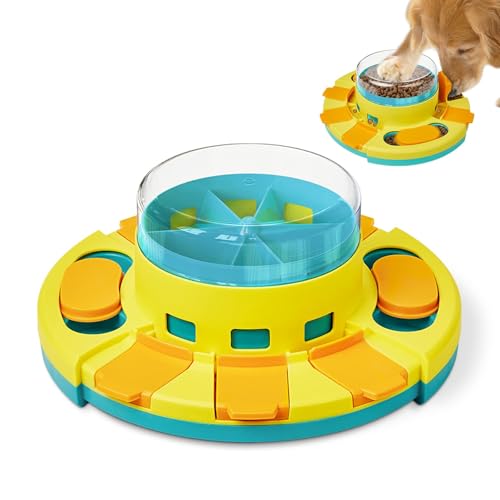
Potaroma Dog Puzzle Toy 2 Levels, Slow Feeder, Pup Food Treat Feeding Dispenser for IQ Training and Entertainment for All Breeds 4.2 Inch Height
2 Levels in 1 Toy: start your pups off with a level 1 puzzle, add some treats in…
As an affiliate, we earn on qualifying purchases.
As an affiliate, we earn on qualifying purchases.
How to Recognize if Your Pet Is Overdependent on Routine

If your pet seems unusually anxious or upset when routines change, they might be overdependent on their schedule. Look for signs like clinginess, refusal to leave your side, or distress when routines are disrupted. Recognizing these dependence signs helps you adjust their routine to reduce anxiety and promote healthier behavior. Incorporating natural behaviors into their daily activities can also help lessen their reliance on strict routines and encourage more adaptable habits. Providing mental stimulation through interactive play or problem-solving tasks can further support their emotional resilience. Understanding behavioral flexibility is key to helping pets become more adaptable and less reliant on rigid routines. Additionally, fostering positive associations with routine changes can help your pet become more comfortable with variability in their environment. Observing your pet’s emotional resilience can give you further insight into their ability to handle change effectively.
Signs of Anxiety
Pets that rely heavily on their routines often display subtle signs of anxiety when those routines are disrupted. You might notice your pet becoming restless, pacing, or displaying clingy behavior. They may seem overly cautious or hesitant when faced with changes, showing difficulty adjusting to new situations. These signs indicate a lack of pet independence, where your pet depends too much on predictable patterns to feel secure. When routines become rigid, it reduces routine flexibility, making your pet more vulnerable to stress. Keep an eye out for excessive vocalization, trembling, or avoidance behaviors, which are clear indicators of anxiety. Recognizing these signs helps you understand when your pet feels overwhelmed and highlights the importance of fostering a more adaptable routine to promote confidence and reduce stress.
Signs of Dependence
How can you tell if your pet has become overdependent on routine? Look for signs like reluctance to explore new environments or socialize beyond familiar faces. An overdependent pet often seeks constant reassurance, showing distress when routines change. They may cling to you more than usual, avoiding environmental enrichment or spontaneous play. Notice if your pet’s social bonding becomes limited to predictable interactions, reducing their curiosity. Additionally, an overdependent pet might display increased dependence indicators, such as following you excessively or resisting new experiences. Sometimes, their adaptability to changes in routine decreases, making it difficult for them to cope with everyday transitions. This overreliance can also lead to increased anxiety, affecting their overall well-being and happiness.
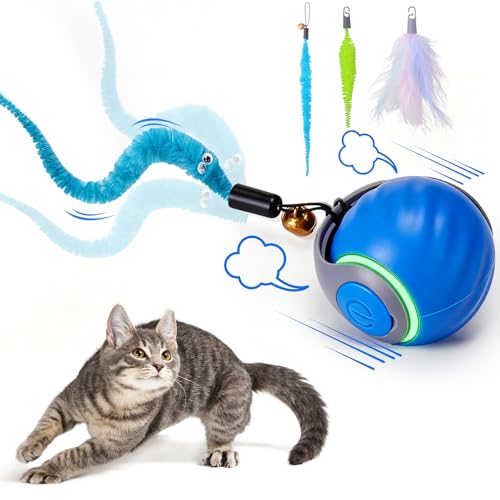
BABORUI Interactive Cat Toy Ball – Automatic Interactive Cat Toys for Indoor Cats with 3 Tails, 2 Speeds Rechargeable Cat Enrichment Toys for Small/Medium/Large Cats to Keep Them Busy(Blue)
A NEW CHOICE FOR INDOOR ENTERTAINMENT: Endless fun for your cat! Designed for indoor environments, this interactive toy…
As an affiliate, we earn on qualifying purchases.
As an affiliate, we earn on qualifying purchases.
The Impact of Predictability on Pet Anxiety and Boredom

A predictable routine can make your pet feel safe, but too much certainty might cause boredom and stress. When they know what to expect all the time, their minds get less stimulation, leading to anxious behavior. Without variety, your pet may act out through destructive habits, trying to break the monotony. Incorporating cultural moments into their routine can help stimulate their minds and promote a healthier, more balanced environment. Introducing variety and novelty in activities and surroundings can further enhance their mental engagement and reduce stress. Embracing environmental enrichment can also elevate their overall well-being, making routines more engaging and less monotonous. Exploring diverse dining experiences, such as live music or unique venues, can serve as a form of enrichment that keeps their environment dynamic and interesting, fostering both mental and emotional health.
Routine Reduces Mental Stimulation
When routines become too predictable, they can unintentionally cause boredom and mental stagnation in your pet. This lack of mental engagement can make your pet less alert and more anxious over time. Routine consistency is important, but too much predictability dulls their senses and prevents growth. To keep their minds active, try:
- Varying walk routes or playtimes throughout the week
- Introducing new toys or puzzle feeders regularly
- Changing up the environment or training activities
- Incorporating sensory stimulation to keep their senses sharp and engaged
These small adjustments challenge your pet’s brain and prevent mental stagnation. By balancing routine with novelty, you foster mental engagement, reduce boredom, and promote overall well-being. Remember, a little unpredictability can boost your pet’s happiness and curiosity.
Predictability Elevates Stress Levels
While maintaining routines can help pets feel secure, excessive predictability can actually heighten their stress levels. When every day looks the same, your pet may become anxious or bored, leading to increased pet boredom and frustration. This constant predictability reduces routine flexibility, making your pet less adaptable to changes and more prone to stress. To prevent this, mix up daily activities and introduce new experiences gradually.
| Routine Stability | Predictability Risks |
|---|---|
| Provides security | Can cause anxiety if overdone |
| Reduces pet boredom | Limits adaptability |
| Establishes familiarity | Elevates stress levels |
| Promotes consistency | Decreases routine flexibility |
| Supports mental health | Increases pet anxiety |
Boredom Leads to Destructive Behavior
Excessive predictability can cause your pet to become bored, which often leads to destructive behaviors. When your routine is too predictable, your pet might seek stimulation elsewhere, resulting in chewing, digging, or scratching. To prevent this, focus on creative enrichment and social interaction. Here are some ideas:
- Rotate toys and introduce new puzzles to keep their mind engaged.
- Schedule spontaneous play sessions or walks to break the monotony.
- Incorporate training or new tricks to stimulate their problem-solving skills.
- Understand the importance of predictability in your pet’s environment to balance routine and novelty.
- Recognizing the fundamentals of enrichment can help you create a stimulating environment that reduces boredom and destructive behaviors.
- Implementing behavioral diversity strategies is essential in maintaining your pet’s mental health and preventing anxiety-driven behaviors.
- Being aware of AI and content creation advancements can help you stay informed about innovative enrichment tools and techniques.
- Remember that a well-rounded environment considers both routine stability and opportunities for sensory exploration.

Self Cleaning Slicker Cat & Dog Brush – Skin Friendly Shedding Grooming Tool for Pets, Pet Supplies Accessories, Deshedding Comb for Short Long Haired Kittens, Massage Function to Removes Loose Fur
𝐄𝐟𝐟𝐨𝐫𝐭𝐥𝐞𝐬𝐬 𝐃𝐞𝐬𝐡𝐞𝐝𝐝𝐢𝐧𝐠 𝐟𝐨𝐫 𝐀𝐥𝐥 𝐂𝐨𝐚𝐭𝐬: Our self-cleaning grooming brush is a versatile deshedding brush for dogs and cats,…
As an affiliate, we earn on qualifying purchases.
As an affiliate, we earn on qualifying purchases.
Easy Ways to Add Flexibility and Mental Stimulation to Your Pet’s Day
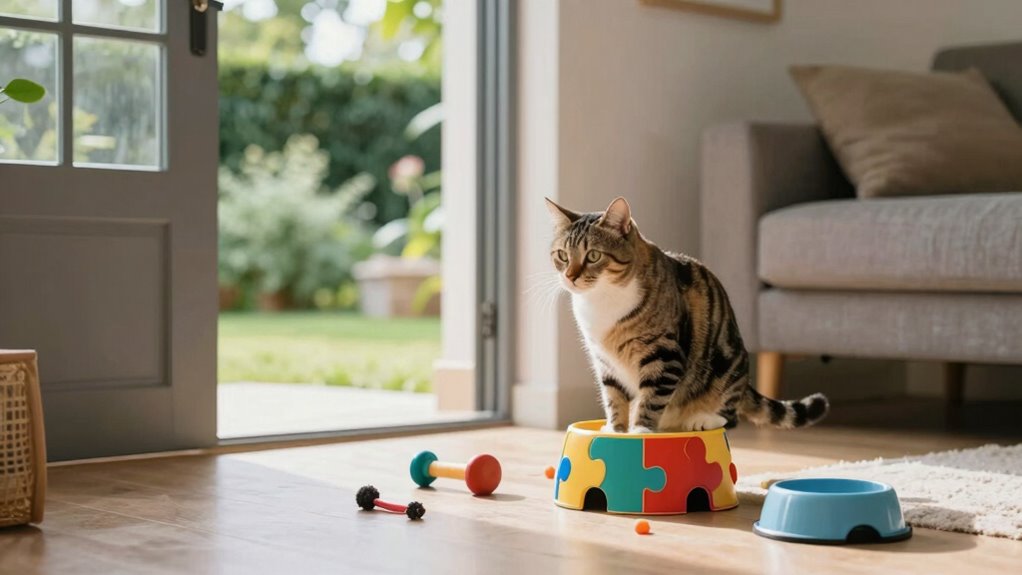
Adding flexibility and mental stimulation to your pet’s daily routine can keep them engaged and happy. Incorporate playful interaction by varying activities, like short training sessions or hide-and-seek games, to challenge their minds. Sensory enrichment is also effective—introduce new scents, textures, or sounds to stimulate their senses and prevent boredom. Rotate toys regularly to keep things interesting, and create small obstacle courses or puzzle feeders that require problem-solving. These simple changes break the predictability of your pet’s day, encouraging curiosity and mental agility. By adding these elements, you help prevent behavioral issues caused by routine boredom and foster a more lively, fulfilled pet. Small, consistent efforts make a big difference in their mental well-being.
Balancing Routine and Variety for a Happy, Healthy Pet
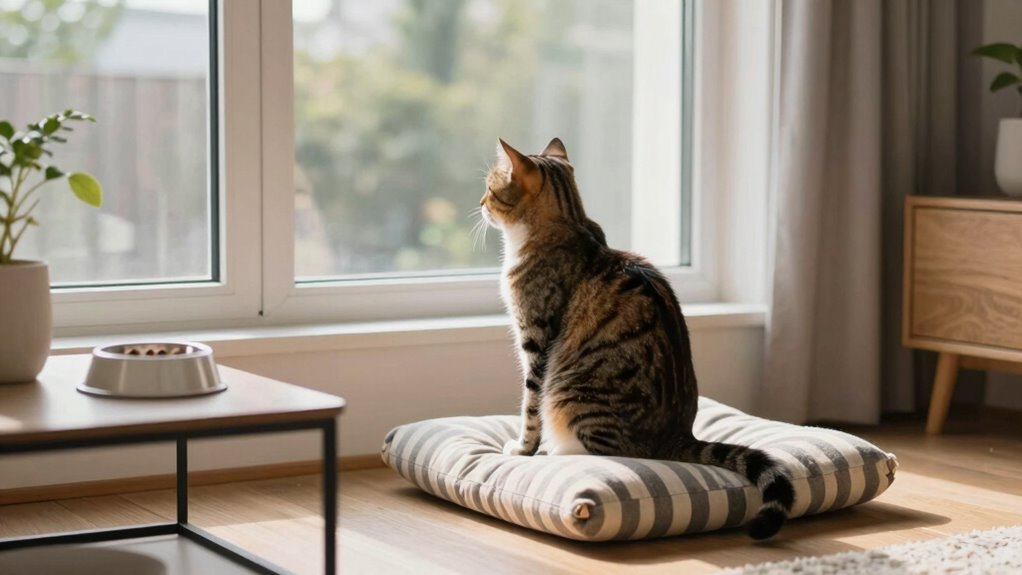
Finding the right balance between routine and variety is essential for your pet’s happiness and health. Too much predictability can lead to boredom, while too much change might cause stress. Achieving a routine balance involves incorporating pet enrichment that stimulates their mind and body without overwhelming them.
Consider these tips:
- Schedule consistent playtimes but rotate different toys to keep things fresh.
- Maintain regular feeding and exercise routines, adding occasional new routes or activities.
- Introduce small, manageable changes gradually to prevent stress while keeping their environment engaging.
When to Seek Help for Your Pet’s Behavior or Routine Concerns

While maintaining a balanced routine benefits your pet’s well-being, there are times when their behavior or response to changes signals that professional guidance might be needed. If you notice persistent behavioral issues, such as aggression, excessive anxiety, or destructive tendencies, it’s time to seek help. A professional can assess whether behavior modification or training techniques are appropriate to address these concerns. If your pet’s routines suddenly change or they seem distressed despite consistent routines, expert advice can help identify underlying causes. Professional trainers or behaviorists can develop tailored strategies to modify problematic behaviors effectively, ensuring your pet’s emotional health and strengthening your bond. Recognizing when to ask for help is key to maintaining a happy, balanced environment for your pet.
Frequently Asked Questions
How Can I Tell if My Pet’s Routine Is Too Rigid?
If your pet shows signs of pet boredom, like excessive barking or destructive behavior, your routine might be too rigid. Look for signs they’re craving routine flexibility, such as restlessness or reluctance to follow their usual schedule. A strict routine can lead to boredom, so try adding variety with new activities or changing meal times. Keep an eye on their behavior to find the right balance and keep them engaged.
What Are Some Signs of Routine-Related Stress in Pets?
Ever wondered if your pet’s showing signs of routine-related stress? Look for boredom behaviors like excessive licking, pawing, or scratching, which signal frustration. Anxiety signals such as pacing, hiding, or vocalizing also indicate stress. If your pet seems unusually restless or withdraws, it’s time to reassess their routine. Changing up their schedule can reduce these stress signs and help them feel more secure and relaxed.
Are There Specific Activities That Promote Mental Stimulation?
You can promote mental stimulation by offering puzzle games that challenge your pet’s problem-solving skills and keep them engaged. Scent work activities also boost their mind, encouraging natural instincts and focus. Incorporate these activities into your daily routine, switching them up to prevent predictability. This variety keeps your pet’s mind sharp, reduces stress, and helps prevent boredom, ensuring a happier, more balanced pet.
How Often Should I Introduce Variety Into My Pet’s Day?
You should introduce variety into your pet’s day every few days to keep things fresh and engaging. It’s no coincidence that sticking to the same feeding schedules and exercise routines can make your pet’s environment predictable. Mix up walk times, play activities, and feeding patterns regularly, ideally every 3-4 days. This keeps your pet mentally stimulated and prevents boredom, ensuring a happier, healthier companion.
Can Changing Routines Improve My Pet’s Behavior Long-Term?
Yes, changing routines can improve your pet’s behavior long-term. By varying their feeding schedule and ensuring exercise consistency, you keep their mind engaged and reduce boredom. This unpredictability helps prevent behavioral issues like anxiety or destructive tendencies. You’ll notice a happier, more balanced pet when you introduce small changes, making their daily routine stimulating and less predictable, ultimately strengthening your bond and promoting better behavior over time.
Conclusion
If you stick to a strict routine, your pet might turn into a tiny, anxious robot with no zest for life—missing out on the wild, curious creature they’re meant to be! By adding a dash of unpredictability and mental fun, you’ll transform your home into a playground of happiness. Remember, a little chaos now and then isn’t just fun; it’s the secret to a joyful, confident pet who’s ready to conquer the world!