To make Kevin’s “Home Alone” sound trick work, you must avoid using predictable or repetitive sounds, which intruders can recognize and ignore. Instead, use realistic, varied noises that mimic everyday activity, and play them at unpredictable intervals. Proper placement and timing are vital, especially during quiet hours, to create the illusion of someone being home. If you skip these details, the technique loses effectiveness. Stay tuned to learn how to set it up for maximum impact.

Get privacy and security gear delivered free — and shop member deals
- Fast, free delivery on millions of items
- Access to Prime Big Deal Days deals on October 6–7
- Prime Video, Amazon Music and more included
Key Takeaways
- Ensure sound levels are loud enough to be heard from outside without causing disturbance or suspicion.
- Play authentic, varied noises unpredictably to prevent intruders from recognizing the pattern.
- Position audio devices strategically in quiet outdoor areas away from environmental noise.
- Regularly test and calibrate the system to maintain sound clarity and appropriate volume.
- Avoid overusing the sound trick, which can diminish its effectiveness or raise suspicion.
outdoor sound machine for home security
As an affiliate, we earn on qualifying purchases.
As an affiliate, we earn on qualifying purchases.
How Does Kevin’s Home Alone Sound Trick Keep Intruders Away?
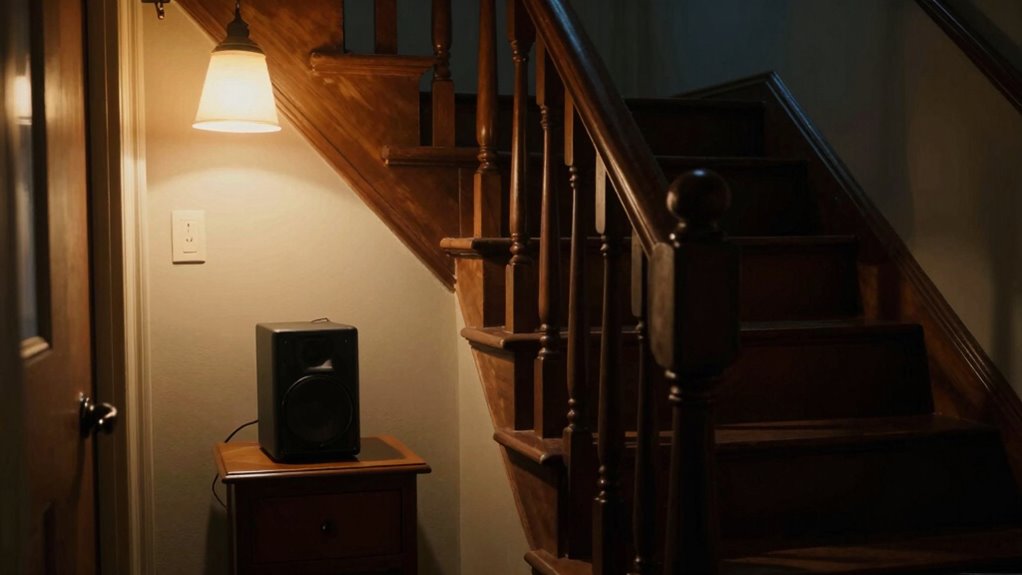
Kevin’s clever use of sound tricks effectively deters intruders because it creates the illusion that someone is home and awake. By mimicking everyday noises like conversations, TV sounds, or even a ringing phone, you can make your house seem occupied. This tactic works alongside security systems, which provide physical barriers, and neighborhood watch programs, which increase community vigilance. When intruders hear sounds that suggest activity inside, they often decide it’s not worth the risk to break in. These sound cues signal that the house is monitored and that neighbors are paying attention, making your home less attractive to potential intruders. Additionally, understanding the importance of sound design, such as strategically timed or varied noises, can further enhance the effectiveness of this technique. Incorporating water sounds or other ambient noises can make the environment seem more lively and less predictable, further discouraging break-ins. Using sound masking techniques can help prevent intruders from pinpointing quiet or vulnerable spots around your property. Employing sound patterns that mimic routine household activity can also make the illusion more convincing. Moreover, leveraging sound technology can automate these cues, ensuring consistent and realistic audio simulation. Combining sound tricks with neighborhood watch efforts considerably enhances your overall home security.
realistic ambient noise generator
As an affiliate, we earn on qualifying purchases.
As an affiliate, we earn on qualifying purchases.
What’s the Secret to Making the Sound Trick Really Effective?

The key to making your sound trick truly effective is ensuring the noises are realistic and unpredictable. Many security misconceptions lead people to assume any loud or strange sound will scare intruders away, but a convincing sound illusion depends on variability. Avoid repetitive noises that intruders can recognize as fake, which diminishes the illusion’s effectiveness. Instead, vary the timing, pitch, and type of sounds—like footsteps, doors creaking, or distant voices—to mimic real activity. This unpredictability keeps intruders unsure if someone’s actually home. Remember, a well-crafted sound illusion plays on their expectations, not just loud noise. When done right, it considerably boosts your security without costly alarms or cameras. The secret lies in authenticity and sound variability, techniques that can make the illusion more convincing. Incorporating sound variability techniques can further improve the realism of your security illusion, making it even more effective at deterring intruders. Enhancing your approach with realistic audio cues can help maintain the illusion’s credibility over time. Additionally, paying close attention to the authenticity of sound sources can ensure your audio cues remain convincing and effective. A thorough understanding of audio illusion principles can help you craft more nuanced and effective security sounds.
As an affiliate, we earn on qualifying purchases.
Avoid These Common Mistakes When Using the Sound Trick
To guarantee your sound trick works effectively, it is crucial to avoid common mistakes that can undermine its realism. First, don’t neglect garden maintenance; a cluttered yard or overgrown plants can make your sounds seem out of place. Ensure the area looks natural and undisturbed. Second, prioritize pet safety—loud noises or unfamiliar sounds can scare your pets or cause them to hide, ruining the illusion. Avoid sudden, inconsistent noises that don’t match the environment or scenario you’re trying to create. Also, don’t forget to check that your audio equipment is hidden and functioning properly. Visible wires or malfunctioning speakers can break the illusion and reveal your setup. Staying mindful of these pitfalls keeps your sound trick convincing and safe.
home security sound simulation system
As an affiliate, we earn on qualifying purchases.
As an affiliate, we earn on qualifying purchases.
How to Set Up Your Home Alone-Inspired Sound Trick Safely
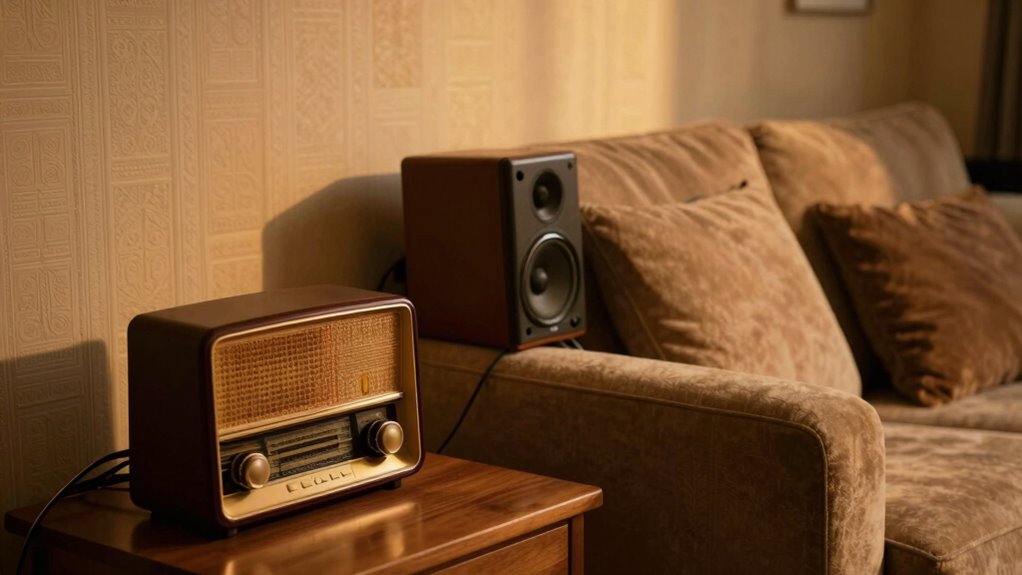
Setting up your Home Alone-inspired sound trick requires careful attention to safety to avoid accidents or mishaps. Start by positioning security cameras to monitor the area, ensuring you can see any activity. Use sound deterrents sparingly, and avoid loud noises that could disturb neighbors or cause damage. Always test your setup in advance to confirm sounds are loud enough to scare intruders but not harmful. Keep cords and devices out of walkways to prevent tripping. Proper electrical safety measures are essential to prevent hazards. Additionally, ensuring proper air purifier maintenance can help keep your environment safe and healthy during the process. Here’s a quick guide:
| Step | Tip |
|---|---|
| 1 | Place security cameras to monitor sound zones |
| 2 | Use sound deterrents at safe volume levels |
| 3 | Test setup before use |
| 4 | Keep cords secured and away from pathways |
Choosing Realistic Sounds That Deter Intruders
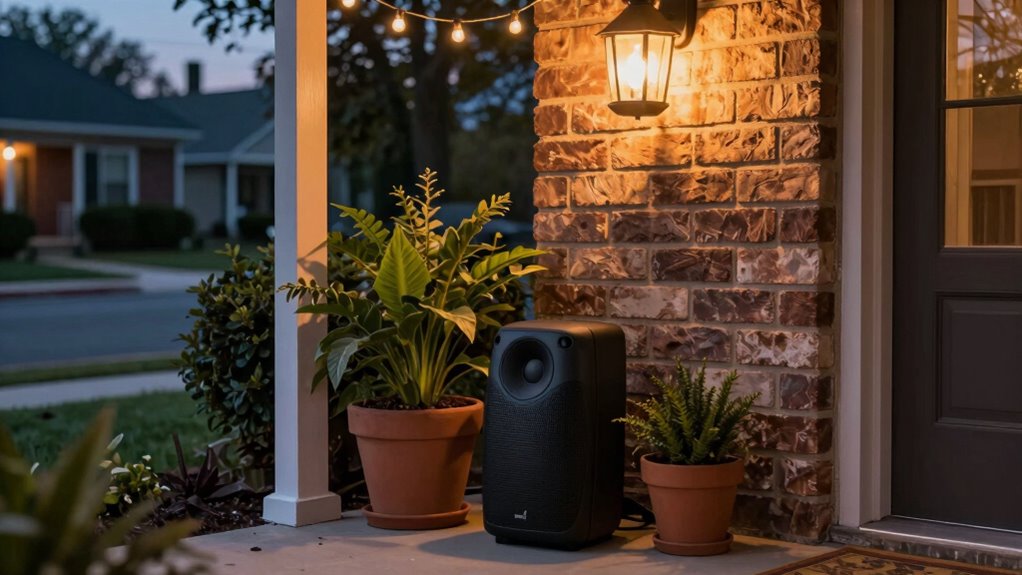
Choosing realistic sounds that deter intruders is essential for maximizing the effectiveness of your home security trick. You want sounds that mimic real threats, so intruders believe someone is home. Focus on sound frequency; sounds in the higher or lower ends of human hearing tend to be more alarming. For example, a loud, sudden noise or a siren-like sound can trigger an intruder’s alarm. Sound volume matters too—too quiet, and it won’t be effective; too loud, and it may be noticeable or cause disturbance. Select sounds that are loud enough to startle but not so loud that they cause suspicion or damage. Realistic, appropriately timed sounds increase the likelihood of scaring off intruders without drawing unwanted attention to your setup.
When and Where Should You Use the Sound Trick for Best Results?

Knowing the right time and place to activate the sound trick can maximize its effectiveness. Consider using it when you’re away or during quiet hours, and make sure your environment supports the illusion. Avoid common mistakes like overusing the sound or broadcasting it in areas where it might alert neighbors or visitors. Incorporating ambient noise levels, such as those found in live music venues, can also enhance the trick’s realism. Adjusting the ambient noise levels to match typical background sounds can further improve the illusion’s believability. Being mindful of environmental factors like background noise and activity patterns can help you choose the optimal moments for the trick. Additionally, understanding how sound propagation varies with different settings can help you position your speakers or devices more effectively. Recognizing sound absorption properties in your environment can also help in planning the best placement for your sound sources.
Ideal Timing for Use
Timing is key to maximizing the effectiveness of the sound trick, so it’s best to use it when the situation calls for immediate attention or distraction. You want to activate the sound at the right moment to catch the intruder off guard. Proper sound placement guarantees the noise comes from where you need it most, while volume control helps prevent suspicion. Use the trick when you’re confident the target is within hearing range but unaware of your presence. Avoid unnecessary delays or early activation, which can weaken the distraction. The goal is to create a quick, impactful disturbance. Keep these ideas in mind for ideal results:
- Activate when the intruder is nearby
- Use at a distance that maintains sound clarity
- Adjust volume to avoid detection
- Time it during moments of silence
- Ensure sound plays just long enough to distract
- Precise timing can make all the difference in preventing the intruder from realizing your motive.
Suitable Environments to Consider
The environments where you deploy the sound trick play a significant role in its effectiveness. For best results, choose settings like garden landscaping areas where pets or neighbors might be disturbed. Using the sound trick outdoors can help redirect pet behavior, preventing unwanted barking or digging. Avoid using it in noisy, crowded spaces where background sounds could interfere. Confirm the area is quiet enough for the sound to be noticeable but not overwhelming. If you’re working on pet training, apply the trick when pets are alert and receptive. Keep in mind, this method works best in stable environments without sudden disturbances. Proper placement and timing in suitable settings will maximize the impact, making it easier for your pet to associate the sound with desired behavior. Additionally, understanding how sound frequency impacts animal responses can help optimize your training efforts. Recognizing the importance of sound environment can ensure you select the best location for deploying this technique effectively. Being aware of electric dirt bike horsepower can also be useful if you want to incorporate noise elements into training or environmental management. Moreover, considering noise levels and background sounds can help you select environments where the technique is most effective. Being mindful of ambient noise levels can further enhance your ability to choose optimal deployment areas.
Common Mistakes to Avoid
To achieve the best results with the sound trick, avoid using it in noisy or overly crowded environments where background sounds can drown out the signal. Misusing it can reinforce security myths or lead to DIY pitfalls, making your setup less effective. Be mindful of timing; using the trick when you’re unsure of the environment can backfire. Don’t rely solely on the sound; it’s not foolproof and can be misinterpreted. Also, avoid overusing it, which might cause suspicion or diminish its impact. Ultimately, verify you understand how and when to deploy the sound to prevent common mistakes. Proper placement and timing are key to maximizing its effectiveness. Additionally, understanding acoustic properties can help you optimize the sound’s reach and clarity.
Why Skipping This Step Can Compromise Your Home Security
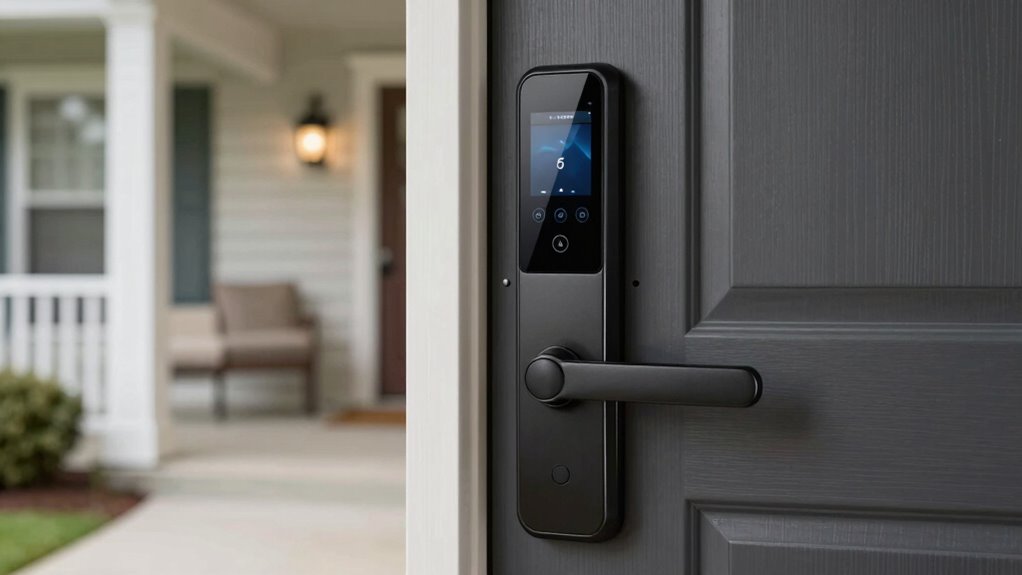
If you skip setting the right sound levels or neglect to test your alarm, your home security could be at risk. Without proper adjustments, intruders might not be fooled, or your system may fail when you need it most. Taking these steps guarantees your sound trick works effectively to protect your home. Additionally, understanding the importance of vetted wave and wind signals can ensure your system remains reliable even in outdoor conditions.
Ignoring Proper Sound Settings
Neglecting proper sound settings on your home security system can leave your property vulnerable. If you overlook adjusting sound quality and volume control, you risk missing important alerts or causing false alarms. Poor sound quality makes it hard to distinguish genuine threats from background noise, while incorrect volume settings can either be too quiet or overly loud, alerting intruders. To avoid this, ensure your system’s sound settings are optimized.
- Adjust sound quality for clarity and precision
- Set volume control to a level that’s audible but discreet
- Test sound alerts regularly for consistency
- Customize alert tones for different events
- Keep sound settings updated with system firmware
Proper sound settings enhance security, ensuring you’re alerted effectively without compromising discretion.
Overlooking Alarm Testing
Skipping regular alarm testing can leave your home vulnerable because you might not notice if your security system isn’t functioning properly when it really matters. Without testing, alarm calibration may drift, reducing sound quality and delaying alerts. This oversight can create gaps in your security, making it easier for intruders to exploit. To ensure your system works flawlessly, schedule routine tests:
| Test Type | Purpose | Key Check |
|---|---|---|
| Alarm Calibration | Maintain accurate detection | Confirm sensors trigger properly |
| Sound Quality | Ensure clear alerts | Check volume and clarity |
| Battery Backup | Prevent power failures | Verify backup power is active |
| System Connectivity | Keep system linked | Test app or remote access |
| Response Time | Detect delays | Measure alert speed |
Regular testing keeps your security tight, so don’t overlook this critical step.
Frequently Asked Questions
Can This Sound Trick Be Detected or Ignored by Intruders?
Intruders might detect this sound trick if they’re familiar with auditory illusions or noise masking techniques. However, if you use a realistic and well-timed sound, it’s less likely they’ll ignore it. Be cautious, though—some intruders could recognize the illusion or hear through noise masking. To maximize effectiveness, verify the sound seamlessly blends with ambient noise, making it harder for intruders to distinguish the trick from genuine activity.
How Loud Should the Sound Be to Deter Burglars Effectively?
You should set the sound intensity to be loud enough to grab attention without causing discomfort—around 80 to 100 decibels. Focus on noise frequency, choosing a sharp, high-pitched sound that mimics a distress signal or alarm. This combination makes your deterrent more effective, as burglars are more likely to be frightened away by an unexpected, loud, and piercing noise that suggests an active security system.
Are There Legal Considerations for Using Sound-Based Security Devices?
You need to guarantee legal compliance when using sound-based security devices, as laws vary by location. Check local regulations to avoid penalties, since some areas restrict loud or disruptive noises. Also, consider privacy concerns—avoid recording conversations or capturing audio that invades neighbors’ privacy. By staying informed about legal limits and respecting privacy rights, you can confidently use sound deterrents without risking legal trouble.
How Often Should I Change the Sounds to Maintain Effectiveness?
You should change the sounds on your security device every few weeks to keep intruders guessing—think of it as your secret weapon’s secret weapon! Regular updates prevent sound frequency patterns from becoming predictable, ensuring your device stays effective. Plus, routine device maintenance keeps everything functioning smoothly, so your security remains excellent. Don’t let boredom or complacency weaken your defenses—stay one step ahead with fresh sounds and diligent upkeep!
Can This Trick Be Combined With Other Home Security Measures?
Yes, you can combine this sound trick with other home security measures like home automation systems for enhanced protection. Integrating motion sensors and smart cameras helps verify false alarms and guarantees the sound trick works effectively. By doing so, you prevent unnecessary alerts, making your security setup more reliable. Using multiple layers of security minimizes risks and keeps your home safer while maintaining the effectiveness of your sound-based deterrent.
Conclusion
Remember, a clever sound trick can be your home’s best defense—if you avoid common mistakes and set it up correctly. Don’t forget, “A stitch in time saves nine,” so take the time to prepare and choose realistic sounds. When used wisely, this simple tactic can deter intruders and keep your home safe. Stay vigilant, and your home will be less likely to fall prey to unwanted visitors.
Fall Picks
fall essentials
As an affiliate, we earn on qualifying purchases.