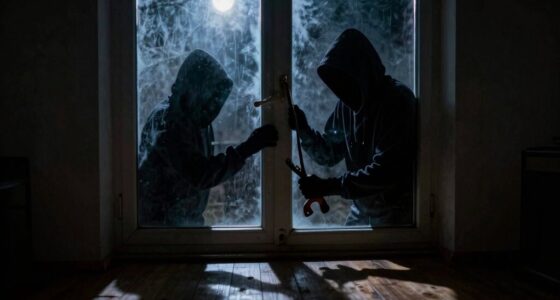
Talking openly about security with your landlord is essential for preventing safety issues. Ask about existing security measures like locks, lighting, and cameras, and suggest upgrades if needed. Address your concerns calmly using “I” statements to avoid conflict. If your landlord isn’t responsive, consider installing your own security devices or getting tenant insurance. For practical tips and important questions to ask, explore how way to safeguard your home begins with one simple conversation.

Get privacy and security gear delivered free — and shop member deals
- Fast, free delivery on millions of items
- Access to Prime Big Deal Days deals on October 6–7
- Prime Video, Amazon Music and more included
Key Takeaways
- Discuss security features like locks, cameras, and lighting before signing the lease.
- Ask about the landlord’s security protocols and emergency procedures.
- Clarify key access policies and how often locks are changed.
- Address any security concerns with calm, respectful communication.
- Consider installing personal security measures if landlord upgrades are unavailable.
As an affiliate, we earn on qualifying purchases.
Why Talk About Security When Renting?
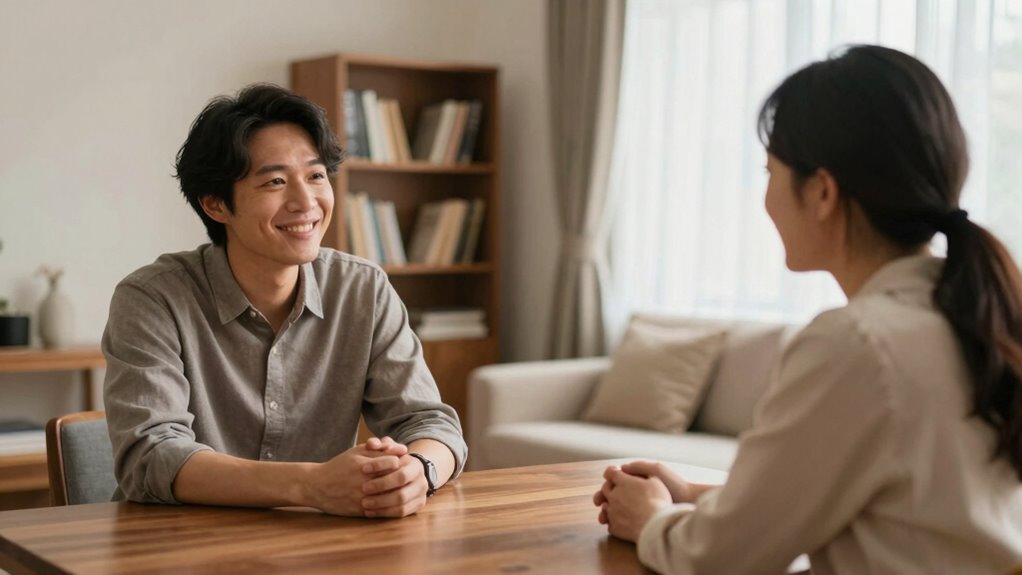
While renting might seem straightforward, discussing security upfront is essential to protect yourself and your belongings. Knowing about neighborhood safety helps you choose a place where you’ll feel comfortable and secure. It’s smart to ask about crime rates, lighting, and how well the area is maintained. Personal safety tips, like locking doors and windows and avoiding poorly lit areas at night, become even more important when you understand the neighborhood’s safety level. Addressing security early ensures you’re aware of potential risks and can take proactive steps. Making informed decisions, such as understanding neighborhood safety, can also help you identify areas with positive community environments. Additionally, understanding factors contributing to the security of an area can guide you in selecting a location with fewer risks. Being aware of somatic therapy techniques and how they promote emotional well-being can help you manage stress related to security concerns. Incorporating security assessment tools can further enhance your understanding of potential vulnerabilities in a property. Plus, talking about security shows landlords you’re serious about your safety, encouraging them to maintain a secure environment. Being informed and cautious helps prevent future security nightmares and makes your rental experience much smoother.
wireless security cameras for apartment
As an affiliate, we earn on qualifying purchases.
As an affiliate, we earn on qualifying purchases.
What Security Concerns Should I Bring Up With My Landlord?
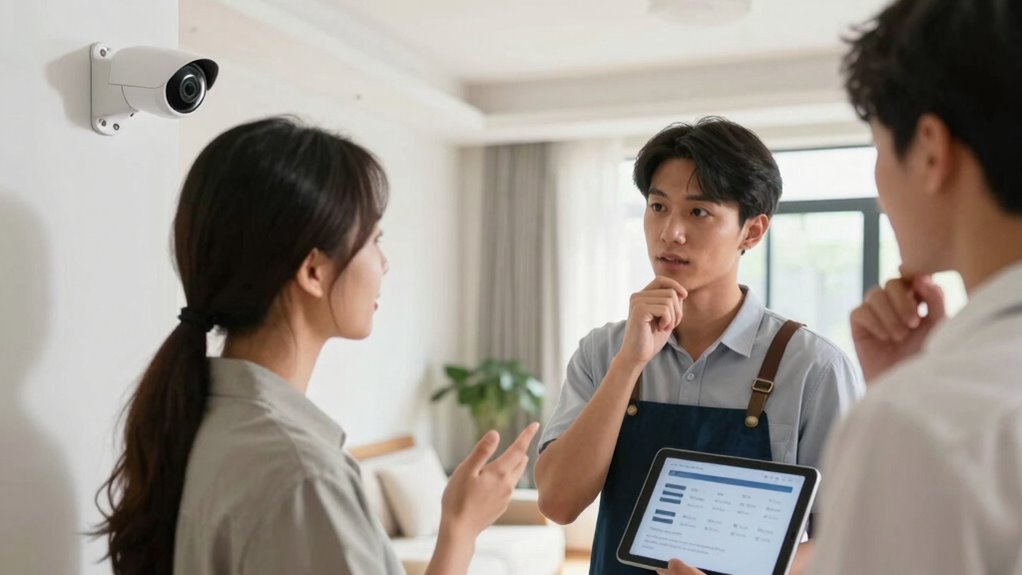
When discussing security with your landlord, it’s important to address specific concerns that can impact your safety and peace of mind. Focus on tenant safety by asking about existing security measures and whether they meet current standards. One key area is lock upgrades—request stronger, modern locks on doors and windows if they haven’t been updated recently. Verify if there are secure entrances, well-lit common areas, and functioning security cameras. Clarify who has access to keys and how keys are managed. Don’t hesitate to bring up any vulnerabilities you’ve noticed, like damaged locks or inadequate lighting. Additionally, inquire about security protocols and emergency procedures to ensure comprehensive safety. Staying informed about security deterrents can help you better understand how to prevent potential threats. Incorporating security features, such as smart locks or cameras, can further enhance protection. Being aware of energy-efficient security solutions aligns with sustainable living practices. Learning about security standards can help you advocate for improvements that ensure your safety. Clear communication now can prevent security issues later.
As an affiliate, we earn on qualifying purchases.
How Can I Talk About Security Without Causing Drama?

Discussing security concerns doesn’t have to create tension if you approach the conversation thoughtfully. Start by addressing common security myths to clarify misconceptions and keep the discussion grounded in facts. Emphasize that your goal is to protect everyone’s privacy boundaries, not to criticize or accuse. Use “I” statements to express your concerns calmly and avoid sounding confrontational. Focus on practical solutions rather than implying blame. Remember, open communication builds trust, so frame your questions as a desire to improve safety for all. Staying respectful and constructive helps prevent drama and keeps the dialogue positive. Additionally, referencing reputable security practices can provide a common foundation for the discussion. Incorporating sound fundamentals and reliable, well-researched information about security can further support your points and foster understanding. Clarifying security misconceptions can help everyone stay on the same page and reduce misunderstandings. It’s also helpful to stay informed about ongoing cybersecurity challenges so you can address potential issues proactively. By being clear and considerate, you can discuss security openly without creating unnecessary conflict or discomfort.
As an affiliate, we earn on qualifying purchases.
Questions to Ask Your Landlord About Property Security
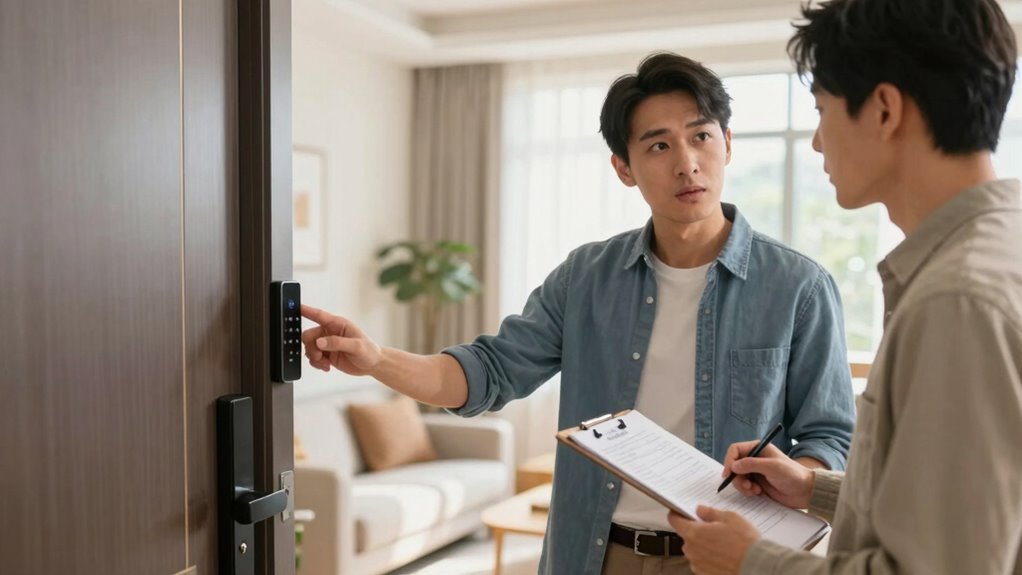
As you consider security concerns, it’s helpful to know what questions to ask your landlord to guarantee the property meets your safety needs. Start by asking if there’s a home alarm system installed or if one can be added. Knowing whether the building has a security system helps you understand the current protections in place. Inquire about lock upgrades on doors and windows—are they modern, sturdy, and secure? If not, ask if the landlord is willing to replace or upgrade locks for better security. Clarify who has access to keys and how often locks are changed after new tenants move in. These questions ensure you’re proactive about your safety and help prevent potential security issues during your tenancy. Additionally, understanding the safe installation practices can be useful if you plan to install any security devices or upgrades yourself. Being aware of silly tantrums during family photoshoots reminds us that unpredictable moments can become cherished memories.
Furthermore, familiarizing yourself with property security measures can give you confidence in your safety and help you make informed decisions about additional security enhancements.
Next Steps If Your Landlord Won’t Address Security?
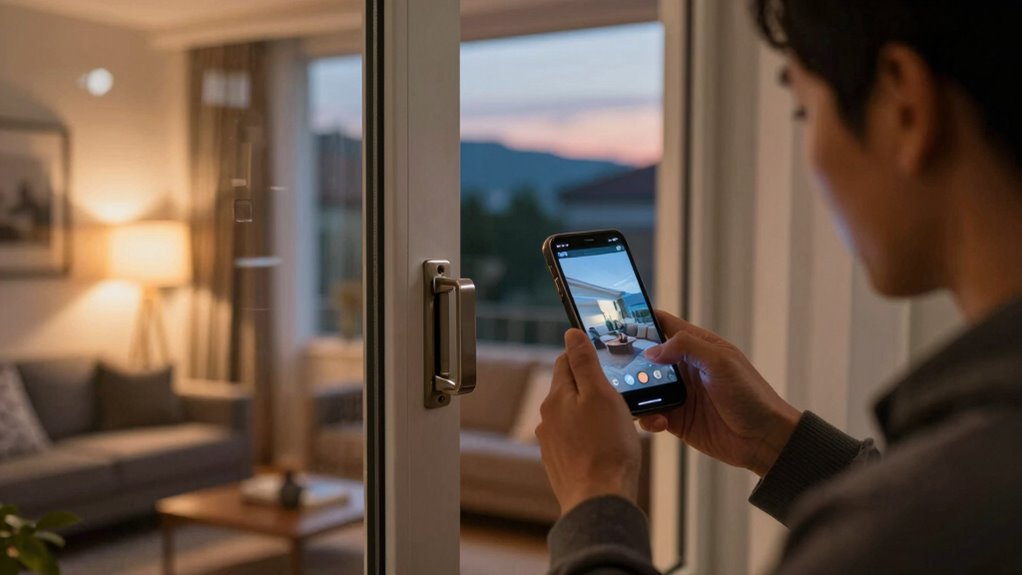
If your landlord refuses to address security concerns, it’s important to take proactive steps to protect yourself. Consider investing in tenant insurance to cover potential theft or damage. Additionally, explore affordable security upgrades like additional locks or security cameras to enhance your safety. Communicate clearly with your landlord about your needs; if they’re unresponsive, documenting your requests can help later. Use this table to compare options:
| Security Measure | Benefit |
|---|---|
| Tenant Insurance | Financial protection against loss |
| Installing Security Cameras | Deterrent for intruders |
| Upgrading Locks | Increased access control |
| Community Watch | Shared safety and vigilance |
Taking these steps empowers you to create a safer living environment, even if your landlord isn’t cooperative. Maintaining awareness of security best practices can further help you safeguard your home. Remember, security equipment like cameras and locks can serve as effective deterrents when properly installed. Being familiar with security measures can help you make informed decisions about your safety. Additionally, staying informed about security upgrades can help you identify cost-effective ways to improve your home’s safety.
Frequently Asked Questions
How Often Should I Review My Rental Security Measures?
You should review your rental security measures at least every six months. Regularly update your tenant screening process to make sure you’re only renting to trustworthy tenants. Check that your alarm systems are functioning properly and update or upgrade them as needed. Staying proactive helps you identify vulnerabilities early and maintain a secure environment. Consistent reviews keep your property safe and give you peace of mind knowing your security measures are current and effective.
Can I Install Additional Security Devices Without Landlord Approval?
You can install additional security devices like alarm systems and window locks, but you should get your landlord’s approval first. Doing so guarantees you’re within your rental agreement and avoids potential disputes. Consider discussing your security upgrades openly, and maybe even propose installing them together. This approach not only enhances your safety but also maintains a positive landlord-tenant relationship, making your rental experience more secure and stress-free.
What Legal Rights Do Tenants Have Regarding Security Upgrades?
You have the right to request security upgrades without risking your tenant privacy or losing your security deposit. Landlords typically need your permission for major changes, but small improvements like additional locks or security cameras usually fall under tenant rights. Always check your lease and local laws first. Communicate openly with your landlord, and get any agreements in writing to safeguard your security deposit and ensure your privacy stays respected.
How Do I Handle Security Concerns in Shared or Multi-Unit Buildings?
You should discuss your security concerns directly with your landlord or property manager, emphasizing the importance of tenant privacy and safety. Request specific security upgrades like better lighting or locks. Keep a record of these conversations, especially if upgrades impact your security deposit. Addressing issues early helps prevent security problems, and clear communication guarantees your privacy is respected while maintaining a safe living environment.
Are There Community Resources for Improving Rental Property Security?
You can find community resources like neighborhood watch programs and security workshops that help improve rental property security. Get involved by attending local meetings or signing up for safety seminars, which teach you how to spot potential issues and enhance your security measures. These resources empower you to work with neighbors and landlords, creating a safer environment for everyone. Taking advantage of these programs makes a real difference in protecting your home and peace of mind.
Conclusion
Talking about security might feel like opening a can of worms, but it’s the vital to turning your rental into a safe haven. Imagine your home as a fortress, sturdy and secure—only possible if you address potential vulnerabilities. Don’t let fear lock you out of peace of mind. Have that essential conversation with your landlord; it’s the first step to turning your rental into a sanctuary, not a target. Your safety depends on it.
Fall Picks
fall essentials
As an affiliate, we earn on qualifying purchases.