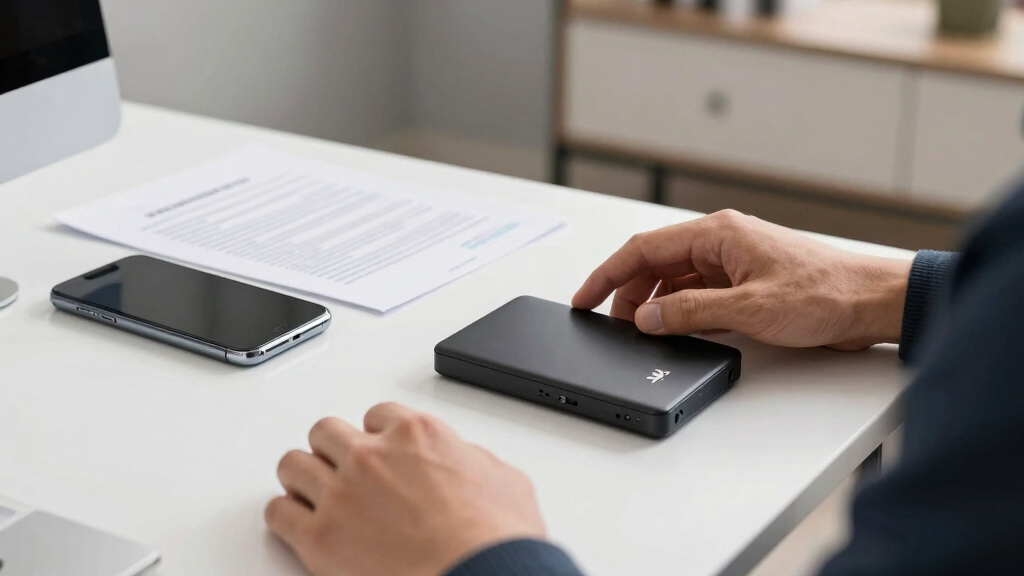

When selecting the best encrypted external hard drive for legal documents, security and reliability are paramount. The Apricorn Aegis Padlock stands out as the overall top choice, offering robust hardware encryption and ease of use. For those needing rugged durability, the LaCie Rugged Secure combines protection with high-speed connectivity, while the WD My Book offers a large capacity with integrated password protection for a good balance of security and storage. The main tradeoffs in this category often involve balancing security features with ease of access, device durability, and cost. Continue reading for a detailed breakdown of these options to find the best fit for your needs.
Key Takeaways
- Hardware encryption is generally more secure than software-based solutions, making it essential for legal documents.
- Rugged and water-resistant designs add extra protection for physically sensitive data, ideal for mobile use.
- High-capacity drives, like the WD My Book, are suitable for extensive legal archives but often come at a higher price.
- Ease of access and compatibility matter; drives with USB-C and Thunderbolt support ensure future-proof connectivity.
- Price varies significantly, with premium options offering advanced security features and budget-friendly choices providing basic encryption.


More Details on Our Top Picks
Apricorn 2TB Aegis Padlock USB 3.0 Hardware Encrypted External Hard Drive
The Apricorn Aegis Padlock stands out for its combination of military-grade hardware encryption and rugged portability, making it an ideal choice for legal professionals who need secure, mobile storage. Compared with the LaCie Rugged Secure, it offers similar durability but with a more straightforward, PIN-based security system that doesn’t require additional software, reducing potential vulnerabilities. Its physical attack resistance and epoxy coating provide peace of mind against physical threats, though its 2TB capacity may limit users with larger data needs. The absence of software management tools simplifies its use, but also means less flexibility for complex security setups. This pick is perfect for legal practitioners who prioritize security and portability over large storage volume or advanced features.
Pros:- Hardware encryption with military-grade security
- Fast USB 3.0 data transfer speeds
- Rugged, portable design with physical attack resistance
Cons:- Limited to 2TB capacity, which may be insufficient for large legal files
- Requires PIN setup, adding a step before use
- Potentially slower RPM compared to desktop drives
Best for: Legal professionals needing secure, portable storage without complex setup
Not ideal for: Users requiring large-capacity drives beyond 2TB or advanced software management
- Capacity:2TB
- Connection:USB 3.0
- Encryption:256-Bit AES XTS
- RPM:5400
- Power:Bus powered
- Security Features:PIN access, Brute force self-destruct, Physical attack resistance
Bottom line: This drive is best suited for legal professionals who need a secure, portable solution with straightforward hardware encryption.
LaCie Rugged Secure 2TB External Hard Drive with USB-C and Thunderbolt 3
The LaCie Rugged Secure excels in environments where durability matters most; its AES-256 hardware encryption and resistance to drops, rain, and crushes make it an excellent choice for legal professionals working in the field. Compared to the Apricorn Aegis Padlock, it offers faster transfer speeds up to 130MB/s and multiple interface options, including Thunderbolt 3, which may be advantageous for high-speed data transfer. However, its 2TB capacity might fall short for users with extensive legal archives, and its weight at nearly 12 ounces makes it less convenient for frequent travel. Its rugged design sacrifices some sleekness, but it compensates with broad device compatibility and resilience. This drive is ideal for lawyers or investigators who need secure, high-speed storage in challenging environments.
Pros:- AES-256 hardware encryption for secure data protection
- Drop, crush, and rain resistant for tough environments
- Fast transfer speeds up to 130MB/s with multiple interface options
Cons:- Limited to 2TB capacity, less suitable for large data needs
- Relatively heavy for portable use at nearly 12 ounces
- Bulkier design reduces ease of pocket portability
Best for: Legal professionals who need durable, fast storage on the move
Not ideal for: Users with large data sets exceeding 2TB or seeking ultra-lightweight options
- Storage Capacity:2TB
- Hard Disk Interface:USB-C
- Connectivity Technology:Thunderbolt, USB
- Form Factor:2.5 Inches
- Read Speed:130 MB/s
- Additional Features:Drop, crush, and rain resistant
Bottom line: This drive is perfect for legal professionals requiring durable, fast storage in outdoor or unpredictable conditions.
WD 16TB My Book Desktop External Hard Drive with Password Protection and Backup Software
The WD My Book 16TB offers extensive storage capacity suited for law firms or agencies with massive data archives. Its hardware encryption and password protection add a layer of security, but its bulkier, desktop-oriented design makes it less practical for portable use compared to smaller drives like the Apricorn Padlock. While its software bundle provides backup options, it requires installation and user registration, which could introduce complexity for some users. Compared to more portable options, it prioritizes capacity over portability, making it a good choice for office-based storage rather than fieldwork. This drive makes the most sense for organizations needing secure, high-volume storage without frequent transportation.
Pros:- Massive 16TB storage capacity
- Hardware encryption and password protection for security
- Reliable brand with included backup software
Cons:- Bulky design not suited for portable use
- Requires software setup and registration
- Actual usable capacity could be less than advertised due to formatting
Best for: Legal teams managing large volumes of sensitive documents in a fixed location
Not ideal for: Legal professionals needing portable or travel-friendly encryption solutions
- Capacity:16TB
- Connection:USB 3.0
- Encryption:256-bit AES
- Includes:Backup and device management software
- Compatibility:USB 2.0 compatible
- Design:Desktop
Bottom line: This drive is best for organizations that prioritize large-volume secure storage over mobility or compactness.
iStorage diskAshur2 500 GB Portable Hard Drive – Secure, Password Protected, Water-Resistant, Hardware Encryption
The diskAshur2 combines rugged portability with robust hardware encryption, making it suitable for legal professionals who need secure storage on the move. Its 500GB capacity is smaller than many others, but for those with critical, sensitive files, this can be sufficient. Its water and dust resistance (IP56) adds to its durability, while the PIN authentication ensures secure access without relying on software. Compared to the LaCie Rugged Secure, it offers a smaller form factor but lacks the same high-speed transfer potential. Its limited capacity makes it less suitable for large datasets but ideal for highly sensitive, smaller collections of legal documents. This is a strong choice for field agents or investigators who need security and portability in a compact form.
Pros:- Hardware encryption with PIN protection
- Water and dust resistant for durability
- Fast USB 3.2 transfer speeds
Cons:- Limited to 500GB capacity, insufficient for large datasets
- No additional management software included
- Smaller capacity may require multiple drives for extensive storage
Best for: Legal professionals needing secure, portable storage for small, sensitive data sets
Not ideal for: Users requiring large storage capacity or extensive backup features
- Digital Storage Capacity:500GB
- Hard Disk Interface:USB 3.1
- Encryption:AES-XTS 256-bit
- Water Resistant:Yes
- Read Speed:160 MBps
- Write Speed:148 MBps
Bottom line: This drive fits best for legal professionals who need highly secure, portable storage for smaller, sensitive files.
Seagate Portable 2TB External Hard Drive HDD with USB 3.0
The Seagate Portable 2TB offers straightforward, plug-and-play storage suitable for legal professionals seeking a reliable, no-fuss encryption solution. While it lacks built-in hardware encryption, its compatibility with third-party encryption tools makes it an affordable option for those who can implement software-based security measures. Its simplicity, lightweight design, and broad device compatibility make it ideal for quick data transfers, but it doesn’t provide the same level of security as hardware-encrypted drives like the Apricorn or LaCie. Its capacity and ease of use make it appealing for interim storage or less sensitive legal documents when budget is a concern. This drive is best for users who prioritize affordability and quick setup over advanced security features.
Pros:- Easy to set up and use with plug-and-play operation
- Compatible with multiple devices and platforms
- Portable and reliable for everyday storage
Cons:- Lacks built-in hardware encryption, relying on software security
- Capacity may vary slightly due to formatting
- Limited security features for sensitive data
Best for: Legal professionals needing affordable, portable storage for non-sensitive files
Not ideal for: Users handling highly confidential documents requiring hardware encryption
- Capacity:2TB
- Connection:USB 3.0
- Compatibility:PC, Mac, PlayStation, Xbox
- Setup:Plug and Play
Bottom line: This drive is suitable for legal professionals needing basic, budget-friendly storage without hardware encryption.
Apricorn 2TB Aegis Fortress L3 USB 3.0 Hardware Encrypted Portable Drive
The Apricorn Aegis Fortress L3 stands out for its robust hardware encryption and military-grade durability, making it an ideal choice for legal professionals who need to transport sensitive documents securely in challenging environments. Compared with the WD 5TB My Passport, which offers more storage and user-friendly features, the Fortress L3 sacrifices capacity for top-tier security and ruggedness. Its multiple security modes, including admin and read-only options, provide flexible access controls that are essential when handling confidential data across different users or locations. The main tradeoff is its limited 2TB capacity, which may be restrictive for large case files or extensive legal archives. Additionally, its higher price reflects the specialized security features, which might be overkill for less sensitive storage needs.
Pros:- High-level hardware encryption (256-bit AES XTS) for maximum security
- Rugged, military-grade durability for field use
- Multiple security modes for flexible access control
- Fast USB 3.0 data transfer speeds
Cons:- Limited to 2TB capacity, which may be restrictive for large legal files
- Higher cost compared to standard encrypted drives
- Requires understanding of advanced security features for proper use
Best for: Legal professionals who require portable, highly secure storage in rugged environments and handle sensitive files regularly.
Not ideal for: Small firms or individual practitioners with large data needs who prefer higher capacities or less costly options.
- Capacity:2TB
- Encryption:256-bit AES XTS
- Validation:FIPS 140-2 Level 3
- Connectivity:USB 3.0
- Security Features:Admin and User mode, Read-Only modes, Brute-force defense
- Color:Black
Bottom line: This drive is ideal for legal professionals needing rugged, highly secure storage for sensitive data in demanding environments.
WD 5TB My Passport Portable External Hard Drive, Black, USB 3.1/3.0, Ransomware Protection, Password Encryption
The WD 5TB My Passport offers a compelling combination of high capacity, convenience, and security, making it suitable for legal teams who need to carry extensive case files or evidence on the move. Its hardware encryption and password protection provide a strong baseline security, comparable to the Apricorn Aegis Fortress L3, but with a focus on user-friendly operation and larger storage. Unlike the Fortress L3, which targets rugged field use, this drive emphasizes portability and ease of use, with backup software and ransomware protection that add layers of data safety. The primary tradeoff is its reliance on USB 3.1/3.0, with no USB-C port, which might limit compatibility with newer devices. Additionally, some packages do not include a cable, requiring buyers to purchase one separately.
Pros:- Generous 5TB storage capacity for large files
- Hardware encryption and password protection for data security
- Includes backup software with ransomware defense
- Compact and lightweight for easy portability
Cons:- Limited to USB 3.1/3.0, no USB-C support
- In some packages, no included cable, adding inconvenience
- Performance may vary depending on connected system’s capabilities
Best for: Legal professionals who need large storage capacity and straightforward security for mobile legal documentation.
Not ideal for: Field agents or those working in harsh environments who require rugged, military-grade protection and higher security modes.
- Storage Capacity:5TB
- Interface:USB 3.1/3.0
- Form Factor:2.5 inches
- Dimensions:4.22″L x 2.95″W x 0.75″H
- Weight:7.4 ounces
- Warranty:3 years
Bottom line: This drive is best suited for legal professionals needing large, portable storage with reliable encryption and straightforward operation.
How We Picked
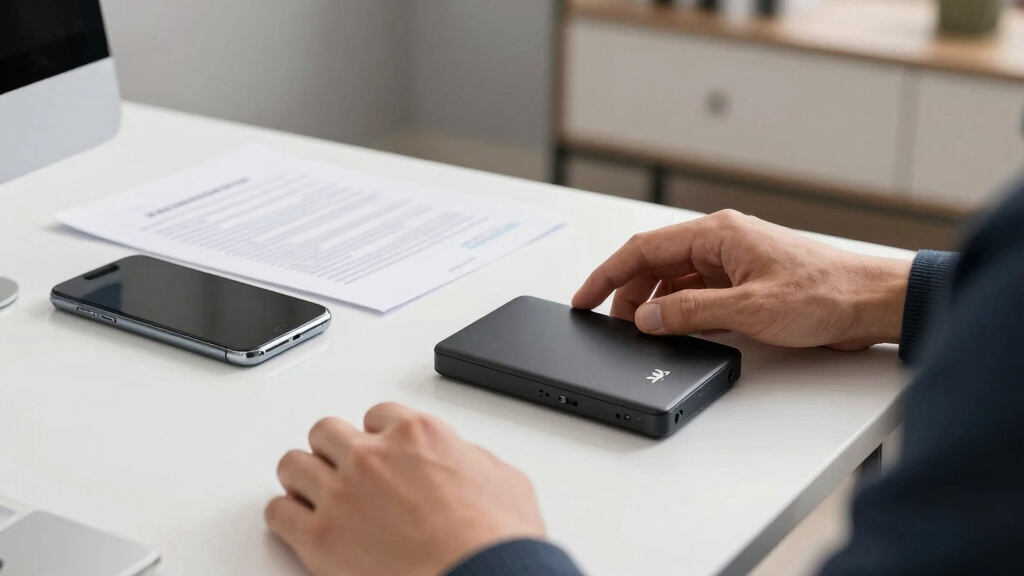
To determine the best encrypted external hard drives for legal documents, I evaluated each product based on security strength, ease of use, build quality, capacity, and compatibility. Devices with hardware encryption and tamper-proof features scored higher because they provide stronger protection against unauthorized access. I also considered user interface simplicity, as legal professionals need straightforward solutions without complicated setups. Cost was a factor but balanced against the security features offered. The ranking reflects a combination of security robustness, usability, durability, and overall value for protecting sensitive legal data.Factors to Consider When Choosing Best Encrypted External Hard Drive For Legal Documents
Choosing the right encrypted external hard drive for legal documents involves understanding several critical factors. Security features like hardware encryption are essential to prevent unauthorized access, especially for highly sensitive data. Consider the drive’s durability if you need to transport it frequently—rugged designs can offer physical protection against drops or water damage. Storage capacity should align with your document volume, but larger drives often come with a higher cost. Compatibility with your existing hardware, such as USB-C or Thunderbolt ports, ensures swift data transfer. Finally, evaluate the overall value by balancing security, capacity, ease of use, and price to find the best fit for your legal practice or personal use.Security Features and Encryption
For legal documents, security is non-negotiable. Hardware encryption, especially AES 256-bit, provides a high level of protection that software solutions can’t match. Look for drives with tamper-resistant features, automatic locking, and secure erase options. Keep in mind that some drives require physical security measures, like PIN codes or biometric access, which add layers of protection. Avoid cheap, software-only encryption solutions that might be vulnerable to hacking or malware. Strong security features ensure your sensitive legal data remains confidential, even if the drive is lost or stolen.
Build Quality and Durability
If you frequently carry your legal documents on the go, durability becomes vital. Rugged drives with water resistance, shockproof casing, and dust protection can withstand rough handling. For office use or static storage, standard drives with solid construction may suffice. Remember that added durability often increases the price but can prevent costly data loss or damage. Balancing physical protection with weight and portability helps ensure you get a drive that fits your workflow without sacrificing security.
Capacity and Storage Needs
Legal files can accumulate quickly; thus, storage capacity should match your archive size. Smaller drives, like 500GB or 1TB, suit those with limited files or for backing up critical documents. Larger drives, up to 16TB or more, are better for extensive case files, multimedia evidence, or bulk storage. Keep in mind that higher capacity drives tend to cost more and may require additional power sources or cables. Assess your current and future storage needs carefully to avoid under- or over-purchasing.
Compatibility and Connectivity
Ensure the drive supports your existing hardware, whether it’s USB 3.0, USB-C, or Thunderbolt 3. Faster interfaces like Thunderbolt or USB-C facilitate quicker data transfers, saving time when handling large files. Compatibility with your operating system is also important; most drives work with Windows and macOS, but verify if any formatting or driver installation is necessary. The convenience of plug-and-play functionality can streamline your workflow, especially in high-pressure legal environments.
Price and Overall Value
While premium drives offer advanced security and durability, they come at a higher cost. Budget options with basic encryption may suffice for less sensitive data but might lack physical robustness or advanced features. Focus on the security strengths and capacity you need most—sometimes investing in a slightly pricier, higher-quality drive saves money in the long run by reducing risks of data breaches or physical damage. Consider warranty and customer support as part of the overall value package, especially for critical legal data.
Frequently Asked Questions
Can I use a regular external hard drive for legal documents securely?
Using a regular external hard drive without encryption can pose significant security risks, especially if the drive is lost or stolen. Without hardware encryption or strong password protection, sensitive legal data could be accessed by unauthorized individuals. While software encryption is an option, hardware encryption offers a higher level of security and is generally more tamper-proof. For legal documents, investing in a dedicated encrypted drive is highly recommended to safeguard confidentiality and comply with privacy standards.
What is the most secure type of encryption for legal documents?
Hardware-based encryption, such as AES 256-bit encryption embedded directly into the drive, is considered the most secure for legal documents. It prevents data from being accessible without the proper authentication, even if the drive is physically compromised. Unlike software encryption, hardware solutions are less vulnerable to malware or hacking attempts. Look for drives that specify hardware encryption and tamper-resistant features to maximize security for sensitive legal information.
Is it better to choose a rugged or standard encrypted drive for legal work?
If your legal work involves frequent travel or outdoor use, a rugged, water-resistant drive provides additional protection against physical damage and environmental hazards. For stationary storage, a standard drive might be sufficient, offering better affordability and potentially faster access. The decision depends on your mobility needs and risk exposure; rugged drives add durability at a higher cost but can save you from costly data loss due to accidents or environmental factors.
How important is capacity when choosing an encrypted drive for legal documents?
Capacity is a significant factor, especially if you manage large case files, multimedia evidence, or extensive archives. Choosing a drive with enough space prevents the need for frequent upgrades or data transfers, which can introduce security risks. However, larger drives tend to be more expensive and may require additional power sources. Balance your current storage needs with potential future growth to select a drive that offers the right capacity without unnecessary expense.
What should I consider regarding ease of use and management of encrypted drives?
Ease of use is vital for maintaining security without complicating your workflow. Drives with straightforward setup, intuitive password management, and automatic locking features reduce the risk of errors. Compatibility with your operating system and minimal driver requirements streamline daily use. Some drives offer management software that simplifies encryption keys and access control, which is especially helpful for legal professionals handling multiple devices or team access. Clear, simple interfaces ensure you can secure your data effectively without added frustration.
Conclusion
For legal professionals seeking the best overall security and ease of use, the Apricorn Aegis Padlock remains the top pick thanks to its robust hardware encryption and reliable build. Those needing a rugged solution for mobile work should consider the LaCie Rugged Secure, while large-volume storage needs are best met with the WD My Book. Beginners or those with less technical familiarity might prefer drives with user-friendly interfaces and automatic security features. Ultimately, selecting the right encrypted external hard drive depends on your specific security requirements, mobility, and budget—but prioritizing hardware encryption and durability will ensure your legal documents stay protected at all times.