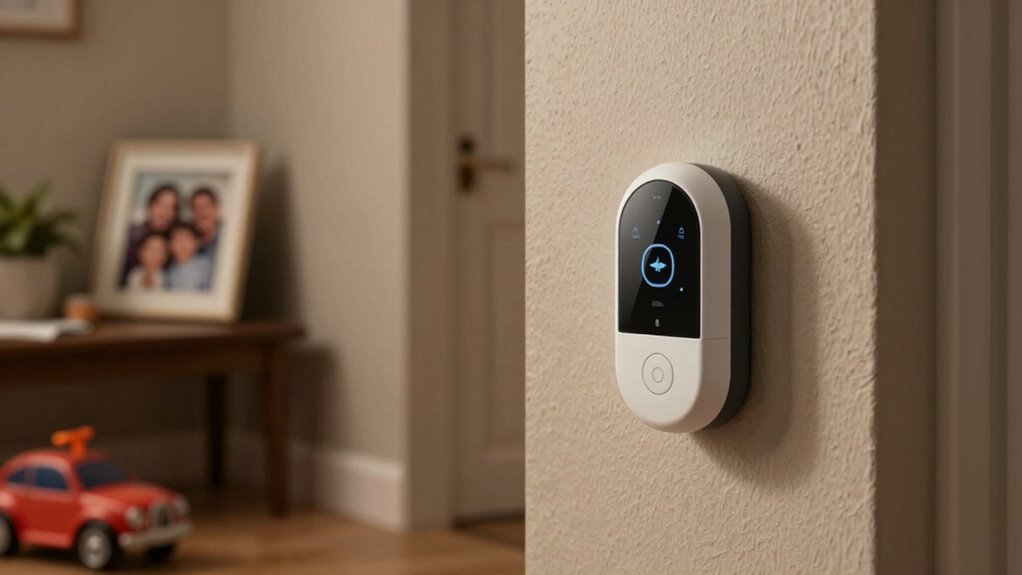

A panic button alone isn’t enough to guarantee safety—you need a family plan that clearly defines what to do when it’s pressed. Without a plan, you risk confusion, delays, and missed help, even if the device signals an emergency. A well-structured protocol helps everyone respond quickly and stays organized during stressful moments. Linking technology with a thoughtful plan creates a stronger safety net—if you want to understand how to build one, keep exploring.
Play games included with Prime
Start a Prime free trial and play with Amazon Luna on your devices.
As an affiliate, we earn on qualifying purchases.
Key Takeaways
- A family plan ensures clear response protocols, maximizing the panic button’s quick alert feature.
- Without planning, responses can be disorganized, reducing the device’s effectiveness during emergencies.
- Training and coordination improve response times and reduce confusion among family members and caregivers.
- Communication strategies prevent vital information from being overlooked in high-stress situations.
- Integrating devices with a comprehensive plan creates a more reliable, organized safety net during crises.

In an emergency, every second counts, and having a panic button alone isn’t enough to guarantee your safety. While the device may alert others quickly, it’s only part of the solution. Without a well-thought-out family plan, those crucial moments can be lost or mishandled. You need more than just a button; you need a system that ensures effective emergency communication and strong caregiver coordination. When everyone knows their role and how to respond, the chances of a swift, effective response increase dramatically.
A panic button is vital, but only effective with a solid emergency plan and coordinated response.
A panic button can be a lifeline, but it’s only as good as the plan behind it. You should establish clear protocols for what happens once it’s pressed. Who gets notified first? How will emergency services be contacted? Who will relay information and coordinate care? Without these steps mapped out, there’s a risk of confusion or delays, which could be dangerous. A family plan ensures that everyone understands their responsibilities and knows how to act immediately when the alarm sounds.
Caregiver coordination is especially critical. If you live with family members, caregivers, or even neighbors, they need to be integrated into your emergency communication system. Training everyone on how to respond, who to call, and what to do can make all the difference. For instance, one family member might be responsible for calling emergency services, while another handles gathering important medical information. When roles are clear, response times are faster, and stress is minimized during the chaos of an emergency. Incorporating emergency response protocols can help streamline these efforts and reduce the risk of miscommunication.
Furthermore, a family plan helps bridge communication gaps. Often, during a crisis, emotions run high, and assumptions can lead to mistakes. By planning ahead, you create a reliable chain of communication that keeps everyone on the same page. Whether it’s through a shared emergency contact list, a group chat, or a designated person to coordinate responses, effective communication can prevent vital information from slipping through the cracks. Incorporating an understanding of biodiversity and environmental awareness can also help families consider sustainable ways to prepare and respond to emergencies, ensuring safety while respecting the environment.
Ultimately, a panic button is a valuable tool, but it shouldn’t operate in isolation. Its effectiveness depends on a comprehensive plan that includes emergency communication strategies and caregiver coordination. This approach ensures that everyone understands their role, responses are quick and organized, and help arrives as swiftly as possible. When you combine the device with a solid family plan, you’re creating a safety net that’s much stronger and more reliable in times of crisis.
family emergency response plan kit
As an affiliate, we earn on qualifying purchases.
As an affiliate, we earn on qualifying purchases.
Frequently Asked Questions
How Do Family Plans Improve Panic Button Effectiveness?
Family plans improve panic button effectiveness by guaranteeing everyone knows how to respond quickly during emergencies. They strengthen emergency communication, so help arrives faster and confusion is minimized. With a coordinated response, your family can act swiftly, alert authorities, and support each other. This preparation boosts confidence, reduces panic, and makes certain that every member understands their role, making the entire emergency response more efficient and effective.
What Training Is Needed for Using Family Panic Plans?
Think of family panic plans as a well-orchestrated emergency communication system. You need to train everyone on response coordination, so when someone presses the panic button, others know exactly what to do. Practice role-playing scenarios and review the plan regularly, just like rehearsing a fire drill. This guarantees swift, effective responses, minimizing chaos and confusion during emergencies, and making sure help arrives swiftly and calmly.
How Often Should Family Panic Plans Be Reviewed?
You should review your family panic plan at least every six months. During these reviews, update emergency contacts and make certain everyone remembers their roles. Regular check-ins help identify any changes in contact details or circumstances that might affect the plan. Keeping your plan current guarantees that everyone knows what to do quickly, making emergency responses more effective and reducing confusion during a real crisis.
Can Multiple Devices Be Integrated Into One Family Plan?
Yes, multiple devices can be integrated into one family plan, much like connecting pieces of a puzzle. You’ll want to check device compatibility and explore subscription options to guarantee seamless communication. For example, a family with different panic button models found success by choosing a plan that supported various device types, making it easier to coordinate responses. This integration helps everyone stay connected and prepared in emergencies.
What Are Common Mistakes Families Make With Panic Plans?
One common mistake families make with panic plans is neglecting emergency communication strategies, leading to confusion during a crisis. You might rely solely on a single device, overlooking device redundancy, which is vital if one fails. Avoid assuming everyone knows the plan; instead, regularly practice it, ensuring all family members understand how to use emergency communication tools and how to act swiftly, reducing panic and improving safety.
emergency communication system for families
As an affiliate, we earn on qualifying purchases.
As an affiliate, we earn on qualifying purchases.
Conclusion
A panic button isn’t just a device—it’s part of a larger safety net. Without a family plan, it’s like having a fire extinguisher but no fire escape. You rely on the button in emergencies, but true security comes from coordinated responses and communication. When everyone knows their role, that fleeting moment of panic transforms into confident action. So, don’t just buy the button—make sure your family’s prepared to use it effectively, together.
panic button with coordination app
As an affiliate, we earn on qualifying purchases.
As an affiliate, we earn on qualifying purchases.
As an affiliate, we earn on qualifying purchases.
NFL season / tailgating Picks
team gear
As an affiliate, we earn on qualifying purchases.