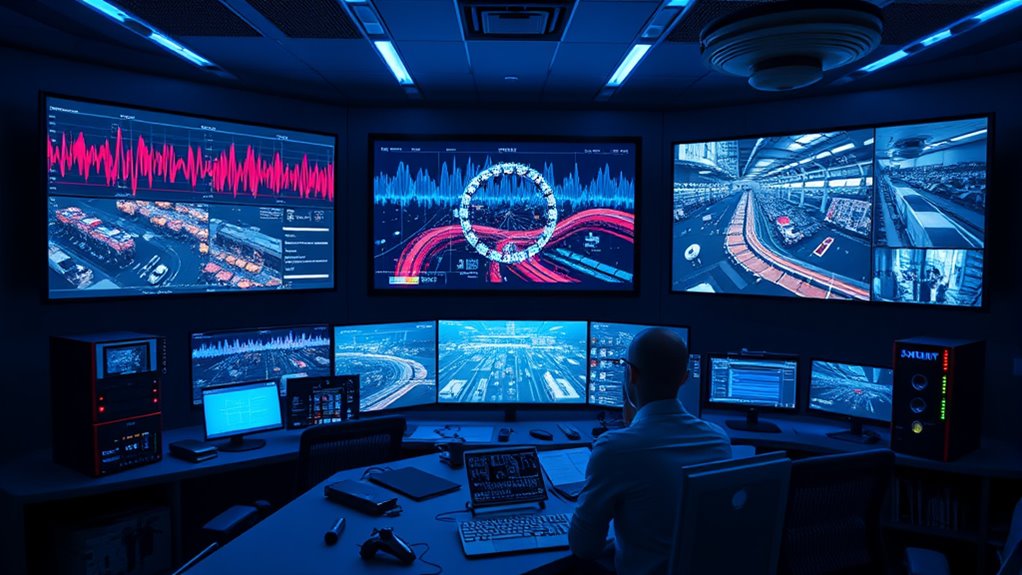

The future of alarm verification combines audio, video, and multi-sensor systems to improve accuracy and reduce false alarms. You’ll see more integration of AI and machine learning for faster, smarter threat detection. Audio verification offers quick confirmation, while video adds detailed visual insights. Multi-sensor setups provide layered security, balancing responsiveness with privacy. Exploring how these methods evolve can help you choose the best solution for your environment and security needs.

Get privacy and security gear delivered free with Prime
- Fast, free delivery on millions of items
- Prime Video, Amazon Music and more included
- Member-only deals all year
Key Takeaways
- Multi-sensor systems offer comprehensive detection by combining audio, video, and environmental data, reducing false alarms.
- Advances in AI and machine learning improve threat detection accuracy across all verification methods.
- Video verification provides real-time visual confirmation and deterrence, but privacy concerns may limit adoption.
- Audio verification is cost-effective, effective in low-light conditions, and allows quick assessment of alarms.
- Integration and standardization of systems enhance reliability, responsiveness, and seamless operation in diverse environments.
As an affiliate, we earn on qualifying purchases.
Understanding Alarm Verification Technologies
Understanding alarm verification technologies is essential because they help determine whether an alarm is genuine or false before dispatching emergency responders. Sensor calibration ensures your devices accurately detect threats, reducing false alarms caused by environmental factors or malfunctions. Proper calibration maintains sensor sensitivity, so alerts are reliable and precise. Data encryption adds a layer of security, safeguarding the information transmitted during alarm verification. This prevents unauthorized access or tampering, ensuring that only authorized personnel can interpret the data. Combining sensor calibration with encrypted data transmission enhances the overall effectiveness of your security system. Additionally, contrast ratio plays a role in sensor accuracy, especially in low-light conditions, by improving the differentiation between objects and background. These technologies work together to provide fast, accurate verification, saving you time and resources while maintaining high security standards.
As an affiliate, we earn on qualifying purchases.
Advantages of Audio Verification in Security Systems
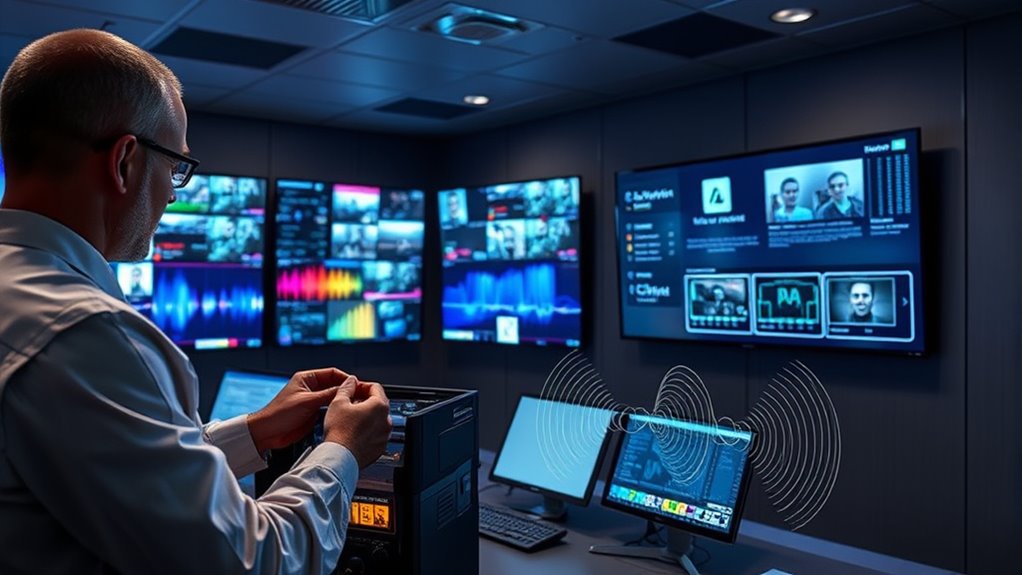
Audio verification offers a quick and reliable way to confirm whether an alarm is genuine. It allows you to listen to live audio feeds, making it easier to assess situations without delay. Voice recognition technology enhances this process by identifying authorized individuals or detecting suspicious voices, reducing false alarms. This method provides real-time evidence, helping responders determine the severity of an incident swiftly. Unlike video, audio verification requires less bandwidth and is less affected by poor lighting conditions, making it dependable in various environments. Additionally, audio can capture sounds that indicate activity or distress, adding another layer of verification. The use of sound insulation and vibration dampening in modern systems ensures clearer audio quality, further improving verification accuracy. Overall, audio verification streamlines alarm confirmation, improves response accuracy, and minimizes false alarms, making it a valuable component of modern security systems.
multi-sensor security alarm system
As an affiliate, we earn on qualifying purchases.
As an affiliate, we earn on qualifying purchases.
The Role of Video Surveillance in Modern Alarm Systems
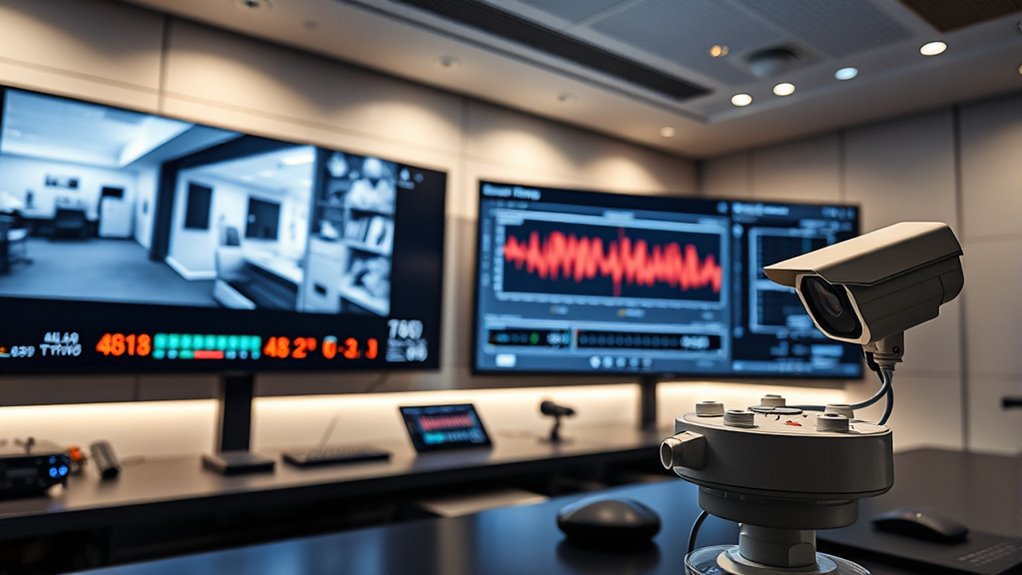
Video surveillance provides enhanced visual verification that confirms alarms quickly and accurately. It allows you to monitor incidents in real time, helping you respond faster to threats. Plus, visible cameras act as a strong deterrent, increasing overall security. Incorporating active listening exercises can further improve response strategies during alarm situations.
Enhanced Visual Verification
Video surveillance has become a crucial component of modern alarm systems, providing real-time visual verification that enhances security responses. It allows you to quickly assess situations, reducing false alarms and speeding up response times. For effective visual verification, proper sensor calibration ensures cameras capture clear images, even in low light or challenging conditions. User authentication adds a layer of security, confirming authorized personnel access. Visual verification systems can detect movement, identify intruders, and monitor activities seamlessly. Simple tips for thriving plants and pest-free gardens Here’s what you might see:
- Clear, high-definition footage of monitored areas
- Accurate sensor calibration for consistent image quality
- Instant alerts with live video feeds
- Verified user authentication for system access
This combination delivers precise, reliable verification, elevating your security infrastructure.
Real-Time Incident Monitoring
Building on enhanced visual verification, real-time incident monitoring leverages live surveillance feeds to provide immediate insights into ongoing events. This system allows you to quickly assess situations, reducing response times and preventing escalation. To guarantee accuracy, sensor calibration is essential; improperly calibrated sensors can generate false alarms or miss critical activity. Regular calibration keeps footage reliable and clear. Additionally, user training plays a crucial role—you need to understand how to interpret live feeds effectively and respond appropriately. Proper training ensures you can distinguish between genuine threats and false alarms, optimizing the system’s benefits. Incorporating comfort and support solutions such as ergonomic equipment can further enhance user performance and reduce fatigue. By combining real-time monitoring with well-maintained sensors and knowledgeable users, you create a robust security environment that’s both responsive and reliable.
Deterrence and Security
While alarms alert you to potential threats, integrated video surveillance acts as a powerful deterrent by visibly monitoring property and activity. Video systems, combined with sensor fusion, create an immediate visual presence that discourages intruders. A clear user interface allows you to quickly assess situations and decide on the next steps. When intruders see cameras actively recording and security personnel monitoring, they’re less likely to approach. This visible security layer reduces burglaries and vandalism. Additionally, high-resolution video captures critical details, reinforcing deterrence. You can also customize camera placements to cover vulnerable areas, enhancing overall security. The combination of real-time visuals and sensor data makes your security system more effective at preventing threats before they escalate. Furthermore, diverse designs and strategic placement of cameras can match your property’s aesthetic while maximizing coverage.
As an affiliate, we earn on qualifying purchases.
How Multi-Sensor Systems Enhance Detection Accuracy
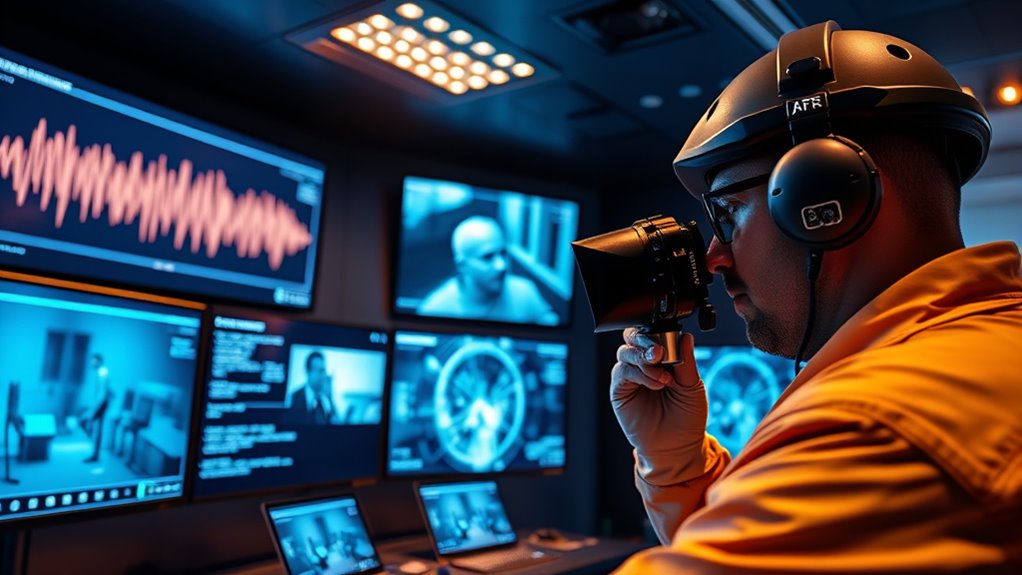
Multi-sensor systems considerably improve detection accuracy by integrating data from various sources such as audio, video, and motion sensors. This process, known as sensor fusion, combines different inputs to create an all-encompassing understanding of the environment. By analyzing multiple data streams simultaneously, you reduce false alarms caused by environmental factors like weather, animals, or moving shadows. Environmental adaptation is key, as multi-sensor setups can adjust sensitivity based on conditions, ensuring reliable detection without unnecessary alerts. This layered approach helps you identify genuine threats more accurately, minimizing errors and increasing confidence in alarm verification. Incorporating rustic decor elements can enhance the aesthetic appeal of a security system’s environment, subtly blending technology with farmhouse charm. Ultimately, multi-sensor systems provide a smarter, more resilient solution that enhances security by leveraging the strengths of diverse sensor technologies.
Comparing Response Times Across Verification Methods

When it comes to verifying alarms, response time is a critical factor that can determine whether a threat is contained or allowed to escalate. Audio, video, and multi-sensor methods differ in speed due to system setup and data processing. Audio verification often provides near-instant alerts, but requires proper sensor calibration for accurate detection. Video verification may take longer because of data analysis and user training to interpret footage quickly. Multi-sensor systems combine data, reducing response time by confirming threats faster. Additionally, paint sprayer specifications such as motor power and spray patterns can influence how quickly a system responds to detected threats or issues. Proper sensor calibration and user training are essential to maximize response efficiency across all methods.
Reducing False Alarms With Advanced Verification Techniques

Advanced verification techniques play a essential role in reducing false alarms by ensuring that alerts are accurate and relevant. By implementing methods like video analytics and multi-sensor data, you can better distinguish genuine threats from false triggers. However, privacy concerns may arise, especially with video verification, as sensitive footage could be compromised. Balancing security benefits with privacy is critical. Additionally, these advanced systems can have significant cost implications, both upfront and ongoing, which may affect your decision-making. Despite the investment, reducing false alarms minimizes unnecessary responses, saving resources and avoiding alarm fatigue. Ultimately, adopting sophisticated verification techniques enhances security effectiveness while addressing privacy and budget considerations. AI security technologies further support proactive threat detection and response, strengthening overall alarm verification processes.
Integration and Compatibility of Different Verification Systems
Successfully integrating different verification systems requires guaranteeing they work seamlessly together to deliver reliable alerts. To achieve this, you need to focus on proper system integration and sensor calibration, which ensure consistent data flow. Compatibility challenges often arise from varying communication protocols or hardware standards. You should consider:
- Standardized interfaces to promote smooth communication between audio, video, and multi-sensor systems
- Regular sensor calibration to maintain accuracy and reduce false alarms
- Compatibility testing across different device brands and models
- Centralized management platforms for streamlined system oversight
- Ensuring compliance with privacy policies and data protection measures when integrating multiple verification systems
Future Trends: AI and Machine Learning in Alarm Verification
AI and machine learning are transforming alarm verification by improving threat detection and reducing false alarms. You’ll see automated systems respond more quickly and accurately to genuine threats, saving time and resources. As these technologies advance, your security setups will become smarter and more reliable.
Enhanced Threat Detection
As technology evolves, AI and machine learning are transforming alarm verification by enabling systems to identify threats more accurately and swiftly. These advanced tools analyze data in real-time, reducing response times and improving detection rates. You benefit from enhanced threat detection through features like pattern recognition, anomaly detection, and predictive analytics. However, you should also consider privacy concerns, as increased data collection can raise issues around user privacy and data security. Additionally, these solutions are becoming more cost-effective, making sophisticated threat detection accessible to a broader range of users. By leveraging AI and machine learning, your alarm system can better differentiate between false alarms and genuine threats, ensuring timely responses and increased safety. Overall, these innovations elevate your security capabilities while balancing privacy and cost.
Reduced False Alarms
With advancements in AI and machine learning, alarm verification systems are poised to markedly reduce false alarms. These technologies analyze sensor data more accurately, enabling smarter alarm validation. Proper sensor calibration ensures that sensors respond correctly to real threats, minimizing false triggers caused by environmental factors. AI algorithms can learn patterns over time, distinguishing genuine alarms from false ones, even in complex scenarios. Additionally, user training plays a vital role; well-trained users understand how to interpret alerts and maintain system components properly. Together, AI-driven analysis, precise sensor calibration, and informed user practices create a robust defense against false alarms. This integration enhances overall system reliability, reduces unnecessary dispatches, and improves trust in alarm verification solutions.
Automated Response Systems
Automated response systems are increasingly integrating AI and machine learning to enable quicker, more accurate reactions to alarm events. These systems analyze sensor data in real time, reducing false alarms and ensuring appropriate actions. Proper sensor calibration is essential for reliable performance, while ongoing user training helps operators interpret AI insights effectively. As AI evolves, these systems can distinguish between genuine threats and false triggers more precisely. They can automatically activate security protocols, notify responders, or even trigger emergency procedures without delay. This automation minimizes human error and streamlines response times. Visual cues from video or audio sensors can trigger tailored actions based on learned patterns, enhancing overall security. The combination of AI, sensor calibration, and user training creates a smarter, more responsive alarm verification landscape.
Challenges and Limitations of Current Technologies

Despite advances in alarm verification technologies, several challenges still hinder their effectiveness. Privacy concerns remain a major obstacle, especially with video and multi-sensor systems that capture detailed images and data, raising issues about personal rights and data security. These concerns can slow adoption and lead to stricter regulations. Additionally, the cost implications are significant; high-quality audio, video, and multi-sensor systems often require substantial upfront investments and ongoing maintenance. Smaller businesses or residential users may find these expenses prohibitive. furthermore, technical limitations such as false alarms, poor image quality in low light, or network connectivity issues can reduce reliability. Ultimately, balancing the benefits of improved security with privacy and cost constraints remains a critical challenge for current alarm verification solutions.
Selecting the Right Verification Solution for Different Environments

Choosing the right alarm verification method depends heavily on the environment in which it’s deployed. For outdoor areas, prioritize solutions with strong wireless connectivity and long battery life to handle remote locations. Indoor settings benefit from video verification, providing clear visuals in controlled spaces. Commercial environments may require multi-sensor systems that combine audio and video for thorough detection. Consider the following:
- Areas with unreliable wireless signals need solutions with robust connectivity options.
- Remote locations demand devices with extended battery life for minimal maintenance.
- Enclosed spaces benefit from high-quality video verification for quick assessment.
- High-traffic zones may require multi-sensor setups to reduce false alarms and enhance accuracy.
Matching the verification method to environment specifics ensures reliable security while optimizing power and connectivity.
Frequently Asked Questions
How Do Privacy Concerns Impact Alarm Verification Methods?
Privacy concerns critically impact alarm verification methods by raising questions about data security and personal privacy. You might worry about how audio or video recordings are stored, who accesses them, and potential misuse. To address these privacy implications, security systems must implement strict data security measures, ensure user consent, and provide transparency. Balancing effective alarm verification with privacy protection is essential to maintain trust and comply with regulations.
What Are the Cost Differences Between Audio, Video, and Multi-Sensor Systems?
When comparing alarm verification methods, you should consider the cost analysis and installation expenses. Audio systems tend to be more affordable upfront, with simpler setup. Video systems usually cost more due to higher equipment and installation complexity. Multi-sensor systems often have the highest costs because they combine multiple technologies for enhanced verification. Your choice depends on balancing your budget with the level of security and verification needed.
Can Existing Alarm Systems Be Easily Upgraded to Multi-Sensor Verification?
They say, “You can’t teach an old dog new tricks,” but upgrading your alarm system is easier than you think. You just need to contemplate sensor integration and system compatibility. Many existing alarm systems support multi-sensor verification with compatible modules or upgrades. Consult your provider to ensure seamless integration, and you can enhance security without replacing your entire setup, making your system smarter and more reliable.
How Do Verification Methods Perform in Extreme Weather Conditions?
In extreme weather, verification methods face challenges like weather resilience and signal interference. Audio alarms may struggle with heavy rain or wind, reducing clarity, while video systems can be hindered by fog, snow, or rain, impacting visibility. Multi-sensor systems generally perform better, combining various detection types to maintain reliability despite weather conditions. You need to take into account these factors to ensure your alarm system remains effective during severe weather events.
What Training Is Required for Security Personnel to Interpret Verification Data?
You need training that covers sensor integration and data analysis to effectively interpret verification data. This involves understanding how different sensors work together, recognizing patterns, and evaluating alerts accurately. You’ll also learn to troubleshoot system issues and interpret complex data streams, ensuring swift and correct responses. Continuous education helps you stay updated on new technologies, ensuring your skills adapt as alarm verification methods evolve, and you respond confidently to security incidents.
Conclusion
Choosing the right alarm verification method is like finding the perfect puzzle piece—each offers unique benefits. Audio, video, or multi-sensor systems each play their part in creating a thorough security picture. By embracing future advancements like AI, you can stay ahead of threats. Remember, no single solution fits all, so tailor your approach to your environment. With the right mix, your security becomes a fortress, solid and resilient against any challenge.
Halloween Picks
halloween
As an affiliate, we earn on qualifying purchases.