
Professionals never ignore proper sensor placement, skipping important planning or wiring steps. They carefully locate sensors to avoid blind spots and false triggers, ensuring reliable coverage. Skipping planning leads to missed critical areas and inefficient setups, while poor wiring causes false alarms or system failures. By avoiding these common mistakes, you’ll create a more effective security system. Keep going to discover how to prevent these errors and maximize your alarm’s performance.
Prime for Young Adults — start your free trial
Fast free delivery, streaming and member deals for eligible 18–24 year olds.
As an affiliate, we earn on qualifying purchases.
Key Takeaways
- Properly planning sensor placement to cover all entry points and avoid blind spots.
- Ensuring correct wiring and secure connections to prevent false alarms and system failures.
- Positioning sensors high enough to prevent false triggers from pets or passing objects.
- Mapping user access and permissions to streamline system control and avoid security gaps.
- Regularly testing and calibrating the system to maintain optimal performance and reliability.
As an affiliate, we earn on qualifying purchases.
Ignoring Proper Sensor Placement

Ignoring proper sensor placement can severely compromise your alarm system’s effectiveness. If sensors are installed in the wrong spots, you create sensor blind spots where intruders can slip through undetected. These blind spots reduce your system’s coverage and make it easier for someone to bypass security. Additionally, poor placement can lead to false alarm triggers, which happen when sensors pick up non-threatening movements like pets or passing cars. False alarms diminish your system’s reliability and can cause costly responses or fines. To avoid these issues, position sensors thoughtfully—high enough to prevent pets from triggering them, yet angled to cover key entry points. Proper placement guarantees your sensors detect real threats promptly, while minimizing false alarms and blind spots. Incorporating knowledge of AI data analysis can help optimize sensor locations based on movement patterns and environmental factors.
As an affiliate, we earn on qualifying purchases.
Skipping the Planning and Mapping Phase

Before installing your alarm system, skipping the planning and mapping phase can lead to costly mistakes. Without proper planning, you might overlook critical areas needing coverage, resulting in gaps that compromise security. Neglecting this step can hinder alarm system calibration, making sensors less effective or prone to false alarms. Additionally, failing to map out user access management can cause confusion over who controls the system and when. Proper planning ensures you identify key entry points, assign user permissions correctly, and determine ideal sensor placement. It also helps you anticipate future needs, like expanding your system. Skipping this phase often leads to inefficient installations, increased troubleshooting, and higher costs down the line. Taking the time to plan thoroughly ensures your system is optimized for system effectiveness and provides the security you need.
As an affiliate, we earn on qualifying purchases.
Wiring Errors and Connectivity Oversights

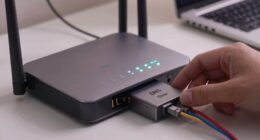
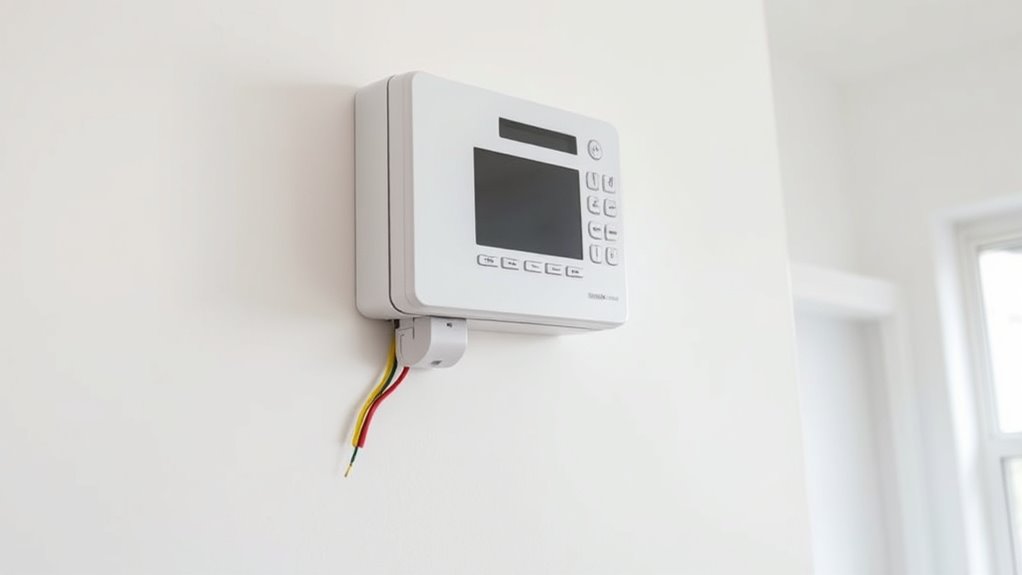
Wiring errors and connectivity oversights are common pitfalls that can undermine your alarm system’s performance. Circuit miswiring, such as connecting wires to the wrong terminals, can cause false alarms or system failures. Loose connections are equally problematic, leading to intermittent signals or complete disconnections. Always double-check your wiring diagram and guarantee each wire is securely attached to the correct terminal. Use a tester to verify power flows correctly through the circuit before completing installation. Avoid rushing through the wiring process; take your time to prevent errors that could compromise your system’s reliability. Properly securing all connections and avoiding circuit miswiring ensures your alarm system functions as intended and provides the security you rely on. Additionally, understanding the importance of digital literacy and critical thinking can help you troubleshoot issues more effectively and adapt to new technology updates.
As an affiliate, we earn on qualifying purchases.
Frequently Asked Questions
How Can I Prevent False Alarms Caused by Sensor Misplacement?
To prevent false alarms caused by sensor misplacement, you should carefully calibrate your sensors according to the manufacturer’s instructions. Proper sensor calibration guarantees accurate detection and reduces false alarm triggers. Make sure sensors are positioned away from sources of false triggers like vents or moving objects. Regularly check and adjust their placement, and test them frequently to confirm they’re working correctly, which helps avoid unnecessary alarms and keeps your system reliable.
What Tools Are Essential for a Professional Alarm System Installation?
A stitch in time saves nine. To guarantee a professional alarm system installation, you need essential tools like a drill, screwdriver, ladder, and a level. These help with precise security camera placement and proper wiring. Don’t forget to contemplate alarm system branding, which adds credibility. Using quality tools ensures a clean, efficient setup, avoiding mistakes and guaranteeing your system functions flawlessly, just like the pros do.
How Do I Choose the Best Locations for Motion Detectors?
You should choose motion detector locations based on sensor height and detection angles. Place sensors at ideal heights, usually around 7-8 feet, to maximize coverage without false alarms. Guarantee detection angles cover key entry points and high-traffic areas, avoiding spots near vents or windows that might cause false triggers. Test the sensors after installation to confirm they detect movement effectively across the intended areas.
What Are Common Wiring Mistakes That Lead to System Failures?
Imagine your alarm fails when you need it most—don’t let wiring errors be the culprit. You might overlook improper grounding or miswire connections, which can cause system failures. These mistakes disrupt the signal flow, leaving your security vulnerable. Carefully double-check every wire, verify proper grounding, and follow manufacturer instructions. Avoid shortcuts and understand that proper wiring isn’t just technical; it’s your first line of defense against intrusion.
How Can I Test My Alarm System’s Connectivity Effectively?
To test your alarm system’s connectivity effectively, start with alarm system troubleshooting by checking all sensors and connections. Use connectivity testing methods like simulating alarm triggers and observing system responses. Make certain your control panel communicates properly with all devices, and verify that alerts are sent correctly. Regular testing helps identify issues early, preventing false alarms or system failures, and keeps your security reliable.
Conclusion
By sidestepping these common pitfalls, you’re building a fortress rather than a fragile castle. Proper sensor placement, thorough planning, and careful wiring transform your DIY alarm into an unyielding guardian. Don’t let simple mistakes turn your security system into a sieve—think of it as crafting a masterpiece where every detail weaves a tapestry of protection. When you avoid these errors, your home becomes a sanctuary, standing tall against any threat, as steadfast as a seasoned sentinel.
NFL season / tailgating Picks
team gear
As an affiliate, we earn on qualifying purchases.