
TL;DR
The FCC has proposed new rules requiring telecoms to collect personal IDs from all phone customers, effectively ending anonymous burner phones. This move aims to combat scams but raises significant privacy issues. The proposal is currently under review, with details still emerging.
The Federal Communications Commission (FCC) has proposed a rule requiring telecom providers to verify the identity of all phone customers, which would effectively eliminate the sale of anonymous burner phones in the United States. This move aims to combat scams and criminal activity but has sparked privacy concerns among civil rights advocates and privacy groups.
The FCC’s proposed rule mandates that telecom companies collect government-issued IDs, physical addresses, and other personal information from all new and renewing customers. The regulation would also require the collection of data such as IP addresses and intended use cases for bulk plans, with the goal of aiding law enforcement and reducing fraud. The proposal is part of a broader effort to tighten regulations on prepaid phone sales, which have historically been used for anonymous communication.
Privacy advocates, including the American Civil Liberties Union (ACLU), have criticized the proposal, arguing it would significantly impair the ability of vulnerable populations—such as domestic violence victims, low-income individuals, and privacy-conscious users—to access anonymous communication tools. An anonymous researcher told 404 Media that the measures resemble policies from authoritarian countries where mobile phone registration is mandatory for tracking purposes. The FCC has stated that the data collection could be used to prevent scams and monitor misuse but has not yet provided comprehensive details on how the data will be stored or protected.
Impact on Privacy and Consumer Rights
This proposal could drastically change how Americans access mobile phones, limiting the availability of anonymous prepaid plans and raising concerns about government overreach. For privacy advocates, it signals a shift toward increased surveillance and data collection, potentially affecting vulnerable groups who rely on burner phones for safety and privacy. The move also raises questions about data security and the potential misuse of personal information collected by telecoms.

Tracfone, TCL FLIP 3, SIM Card Included Flip Phone (Locked to
- Dual Display Design: Modern flip-phone with dual screens
- Clear Call Quality: Dual mic with noise cancellation
- Long Battery Life: Up to 14 hours talk time
As an affiliate, we earn on qualifying purchases.
As an affiliate, we earn on qualifying purchases.
History of Phone Registration Policies in the U.S.
For decades, the U.S. has maintained relatively lenient policies regarding prepaid phones, which can be purchased without ID in many states. The FCC’s current proposal echoes international practices from authoritarian regimes where phone registration is used to track citizens. Similar measures have been implemented in other countries to curb crime but often at the expense of personal privacy. The current effort reflects a broader trend toward increased regulation of telecommunications amid concerns over scams, terrorism, and cybercrime.
“The measures resemble policies from authoritarian countries where mobile phone registration is mandatory for tracking purposes.”
— an anonymous researcher
“Making it impossible to buy a burner phone without ID will hurt low-income people, domestic violence victims, and anyone concerned about privacy.”
— an anonymous researcher

$30/mo. Mint Mobile Phone Plan with Unlimited Talk, Text & Data for 3 Months (3-in-1 SIM Card)
- Duration: 3 months of service
- Unlimited Usage: Unlimited talk, text, and data
- Network: Nation's largest 5G network
As an affiliate, we earn on qualifying purchases.
As an affiliate, we earn on qualifying purchases.
Unanswered Questions About Data Use and Implementation
It is not yet clear how the FCC and telecoms will implement the data collection process, including data security measures, user privacy protections, and how long the data will be retained. The exact scope of enforcement and the potential for exemptions or carve-outs remain unspecified. Additionally, the timeline for finalizing and enforcing these rules is still uncertain.
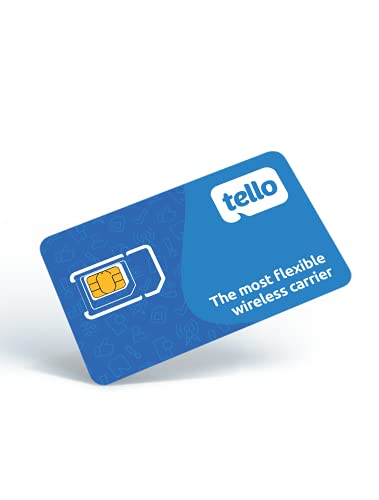
Tello Mobile – US Prepaid SIM Card (3 in 1) | Bring Your Own Phone Kit | Phone Plans Starting at $5/mo up to $25/mo | Nation-Wide 4G LTE/5G Coverage
- No Contract Required: Flexible plans from $5 to $25/month
- Universal SIM Card: Includes nano, micro, and standard sizes
- Nationwide 5G Coverage: Connect coast to coast on 5G network
As an affiliate, we earn on qualifying purchases.
As an affiliate, we earn on qualifying purchases.
Next Steps in FCC Rulemaking Process
The FCC is currently reviewing public comments on the proposal, with a decision expected later this year. Stakeholders, including privacy groups, telecom companies, and lawmakers, will likely submit feedback and lobby for modifications. If approved, the regulation could be phased in over the next 12-18 months, with telecoms required to begin collecting verified IDs from customers.

Easyfone T200 4G Unlocked Feature Cell Phone, Easy-to-Use Clear Sound Basic Dumb Mobile Phone with FM Radio, Flashlight, SOS Button, Bluetooth, Mini-Games, No Internet Access (White)
- User-Friendly Operating System: Easy to operate with clear sound
- Basic Bar Phone Design: Focus on calls and texts, no internet or camera
- Fast Charging & Long Battery: Type-C charging, 1050mAh battery, 120h+ standby
As an affiliate, we earn on qualifying purchases.
As an affiliate, we earn on qualifying purchases.
Key Questions
Will this ban all anonymous prepaid phones?
The proposed rules aim to require ID verification for all new and renewing plans, which would effectively eliminate the sale of truly anonymous burner phones in the U.S.
How will this impact vulnerable groups?
Privacy advocates warn that domestic violence victims, low-income users, and privacy-conscious individuals may find it harder or impossible to access anonymous communication tools, potentially putting their safety at risk.
What are the privacy concerns associated with this proposal?
Critics argue that mandatory data collection and storage by telecoms could lead to increased surveillance, data breaches, and misuse of personal information, infringing on individual privacy rights.
Is this proposal final or still under review?
The FCC is currently soliciting public comments and has not yet finalized the rule. A decision is expected later in 2024, with possible implementation in the following year.
Could this affect national security or law enforcement efforts?
Proponents argue that the data could help prevent scams and criminal activity, but critics worry it could be misused or lead to unwarranted surveillance of ordinary citizens.
Source: Hacker News