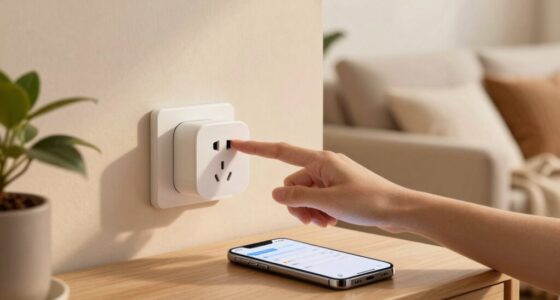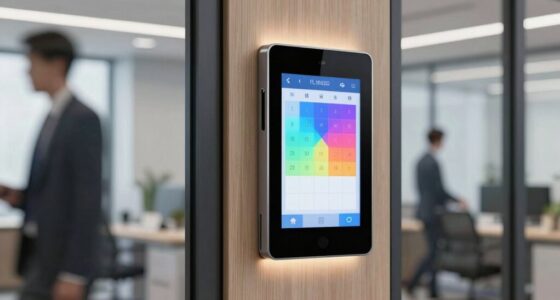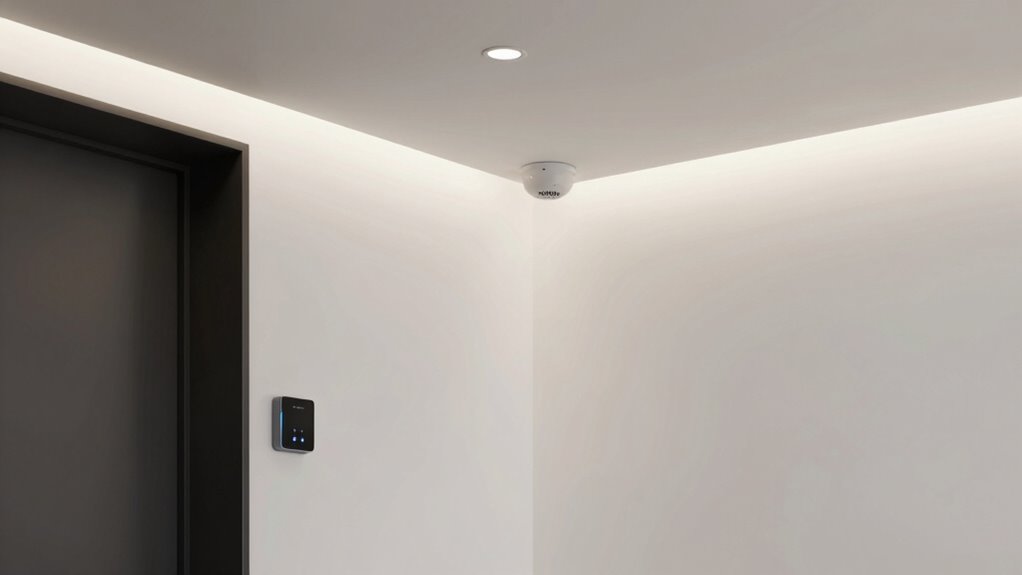

To keep your motion sensors “activity proof” while traveling, start by adjusting their sensitivity and angles to reduce false alarms from pets, sunlight, or drafts. Use geofencing to automatically turn off sensors when you arrive or leave home. Set up activity zones to limit detection areas and schedule modes during your trip. Testing and fine-tuning these settings guarantees your system remains reliable. Continue exploring how to prevent false triggers and improve security during your time away.

Get privacy and security gear delivered free — and shop member deals
- Fast, free delivery on millions of items
- Access to Prime Big Deal Days deals on October 6–7
- Prime Video, Amazon Music and more included
Key Takeaways
- Properly position sensors away from windows, vents, or moving objects to prevent false triggers during travel.
- Adjust sensor sensitivity and angles to avoid false alarms from pets, reflections, or environmental changes.
- Use geofencing and travel schedule rules to automatically disable sensors when you are away.
- Create activity zones to focus detection on critical areas and prevent false alarms from irrelevant motion.
- Regularly test and fine-tune sensors before departure to ensure reliable operation and activity-proof security.
motion sensor sensitivity adjustment
As an affiliate, we earn on qualifying purchases.
As an affiliate, we earn on qualifying purchases.
Why Do Motion Sensors Trigger False Alarms When You’re Traveling?
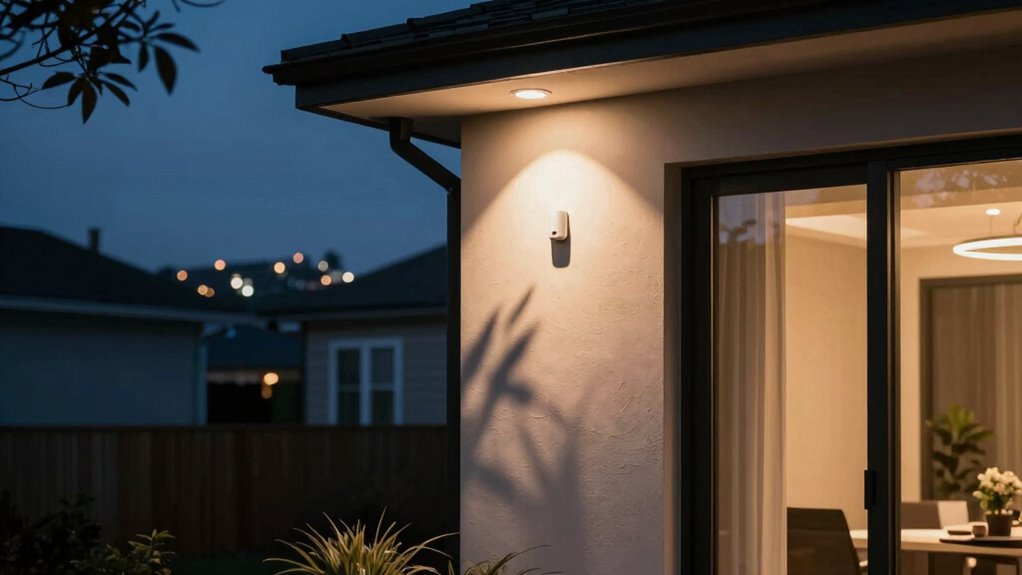
When you’re traveling, motion sensors often trigger false alarms because they detect changes in the environment that aren’t caused by actual intruders. One common false alarm cause is improper motion sensor placement; placing sensors near windows, vents, or moving objects like trees can lead to unwanted triggers. If sensors are installed too high or too low, they might pick up irrelevant movement, causing unnecessary alerts. Bright sunlight or reflections can also deceive sensors into thinking there’s motion. Additionally, drafts or temperature changes may set off motion detectors unexpectedly. Understanding these false alarm causes helps you position sensors thoughtfully. Proper placement ensures the sensors only detect genuine intrusions, giving you peace of mind while you’re away and reducing false alarms during your travels. Adjusting sensor sensitivity can also help prevent false alarms caused by minor environmental changes, and considering sensor technology can further improve accuracy. Moreover, utilizing advanced motion sensor features can significantly minimize false triggers, making your home more secure during your trips. Being aware of the environmental factors that influence sensor performance can also help you fine-tune your system for better reliability.
As an affiliate, we earn on qualifying purchases.
Adjust Sensor Sensitivity to Reduce False Alerts

Adjusting your motion sensor’s sensitivity is one of the most effective ways to minimize false alarms while you’re away. Proper sensor calibration guarantees your system responds only to genuine activity, preventing unnecessary alerts. To fine-tune sensitivity, check your device’s settings and lower the detection level if it’s too responsive. Here are some tips for false alarm prevention:
- Reduce sensitivity settings to limit minor movements
- Adjust the sensor’s angle to avoid false triggers from pets or passing cars
- Use zones to focus detection on high-traffic areas
- Test the sensor after calibration to ensure it detects activity accurately
- Remember that sensor calibration is essential for reliable alerts and minimizing false alarms. Additionally, understanding how modern sensor technology works can help you optimize placement and settings for better results, especially considering how filtration and sensors play a role in accuracy. Exploring sensor sensitivity adjustments can further enhance your system’s reliability and reduce unnecessary notifications.
As an affiliate, we earn on qualifying purchases.
Temporarily Turn Off Sensors Using Geofencing

You can use geofencing to easily turn off sensors when you’re traveling, avoiding false alerts. First, define your geofencing boundaries and set travel schedule rules to match your plans. Then, activate the sensors temporarily within the app, ensuring they’re off when you don’t need them. Incorporating sensor coverage considerations can help you better understand sensor coverage and placement during setup. Understanding home energy integration options can also help optimize your overall system when managing sensors remotely. Additionally, reviewing system compatibility ensures your geofencing setup functions smoothly across your devices. To further enhance your setup, consider local automation options that enable your system to respond quickly without relying solely on cloud services.
Define Geofencing Boundaries
Setting up geofencing boundaries allows you to automatically disable motion sensors when you arrive home or leave for a trip. This virtual perimeter, based on your property’s location, enables your system to recognize when you’re nearby or away. By establishing clear geofencing zones, you ensure your sensors turn off at the right times, avoiding false alerts or unnecessary activity recordings. This setup also supports reliable location-based alerts, so you get notifications only when relevant. Utilizing European cloud servers can enhance the security and reliability of your geofencing data. Incorporating location accuracy ensures your system responds precisely to your movements, reducing false triggers and improving overall effectiveness. To optimize your geofencing:
- Choose accurate boundary points around your property
- Set the radius to avoid false triggers
- Use landmarks or key entry points
- Regularly update boundaries for seasonal changes
- Reliable geofencing technology can further improve responsiveness and minimize errors. Additionally, employing geospatial data helps refine boundary precision, ensuring your automation remains both effective and secure.
Set Travel Schedule Rules
To prevent your motion sensors from triggering false alerts while you’re away, implementing travel schedule rules with geofencing is essential. This feature allows you to set specific times or locations when sensors are active or inactive, aligning with your home automation and security protocols. By creating travel schedules, you can automatically turn off sensors during your absence, avoiding unnecessary alerts and conserving power. Geofencing ensures sensors are deactivated only when you’re within a designated boundary, and reactivate once you return. This automation streamlines security management, reducing false alarms and maintaining a seamless home security system. Ensuring your setup uses reliable wireless connections can improve responsiveness and minimize disruptions. Additionally, regularly updating security system firmware can help maintain optimal performance and security. Incorporating home automation integration can further enhance control and customization of your security system. Setting these rules keeps your home activity proof, giving you peace of mind while you’re traveling without compromising safety. Regularly reviewing your sensor calibration settings can also help ensure accurate detection and reduce false triggers. Including scheduled reactivation can ensure sensors turn back on automatically, preventing any gaps in security coverage when you return.
Activate Sensor Temporarily
Activating your sensors temporarily with geofencing is a practical way to prevent false alerts when you’re nearby but don’t want the sensors active. When you set up geofencing, your sensor placement allows for accurate detection of your presence, so you can turn sensors off automatically when you arrive home. This helps conserve battery life, preventing unnecessary drain from continuous operation. To maximize benefits:
- Use precise sensor placement for reliable geofence detection
- Schedule temporary deactivation during routine visits
- Adjust geofence radius to avoid false triggers
- Re-activate sensors easily when you’re leaving
- Understanding sensor fundamentals ensures proper setup and reliable operation. Incorporating insights from existential themes can also enhance your approach to home automation and security. Additionally, paying attention to security protocols can further safeguard your home while using automation features.
This method ensures your sensors stay inactive while you’re inside, extending battery life and avoiding false alarms. It’s a smart way to keep your home activity-proof without sacrificing security.
geofencing home security sensors
As an affiliate, we earn on qualifying purchases.
As an affiliate, we earn on qualifying purchases.
Create Motion Sensor Activity Zones to Limit Coverage
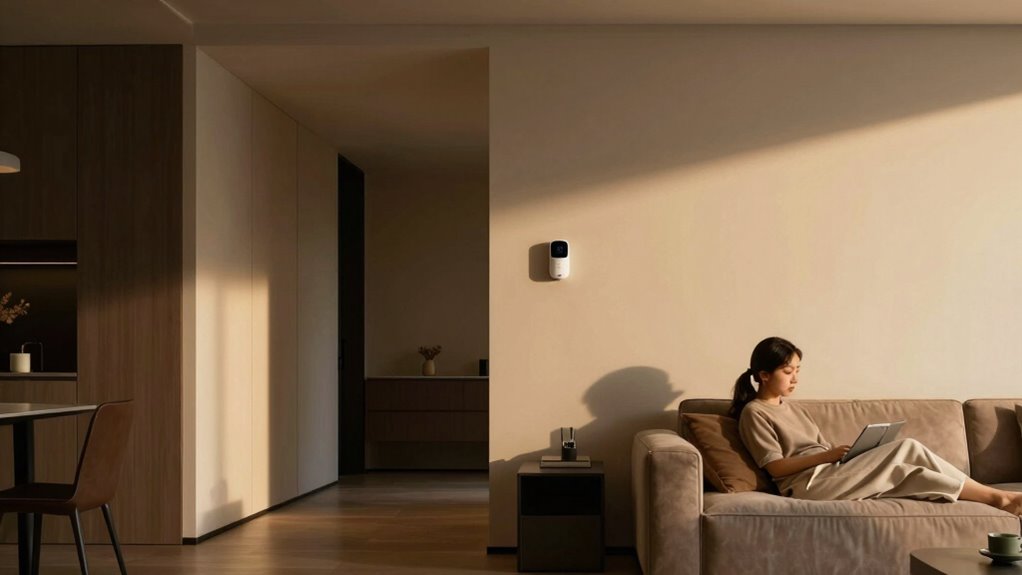
Creating motion sensor activity zones allows you to customize coverage areas, guaranteeing the sensors only monitor specific parts of your home. By setting activity boundaries, you prevent false alarms and focus on areas that matter most. This targeted approach helps you avoid unnecessary alerts during your travels. You can define precise motion zones, such as doorways or hallways, to limit detection to critical areas. Adjusting these zones ensures your sensor’s activity boundaries are in sync with your needs. Use the table below to visualize common zone setups:
| Zone Type | Monitoring Focus |
|---|---|
| Front Door | Entry points |
| Living Room | Common areas |
| Garage | Vehicle and tools |
These motion zones keep your home secure without overcoverage, giving you peace of mind while you’re away.
Integrate Smart Devices for Better Home Monitoring

By integrating smart devices, you can enhance your home monitoring system and guarantee better security while you’re away. These devices work together seamlessly, giving you more reliable coverage and control. Plus, automated security alerts keep you informed of any suspicious activity immediately.
Enhanced Device Compatibility
Integrating your motion sensors with other smart devices enhances your home monitoring capabilities, allowing for more all-encompassing and seamless security. Achieving strong device compatibility ensures smooth sensor integration, so your system responds accurately and promptly. When devices work together effortlessly, you gain better control and automation options.
Consider these key points:
- Compatibility with popular smart home platforms like Alexa or Google Assistant
- Integration with security cameras for real-time visual confirmation
- Linking sensors with smart locks to automate entry and exit
- Connecting to environmental sensors for thorough home awareness
Automated Security Alerts
When smart devices work together, your home becomes more responsive and secure. Automated security alerts keep you informed instantly by integrating your smart devices, such as motion sensor installation, with your security system. When motion is detected, your system sends real-time notifications to your phone, allowing you to act immediately or alert authorities if needed. This seamless security system integration guarantees that no movement goes unnoticed, even when you’re away. You can customize alert settings to receive updates only during certain hours or in specific zones, reducing false alarms. By automating alerts, you stay proactive about your home’s safety without constant monitoring, giving you peace of mind and better control over your home’s security, no matter where you are.
Schedule Sensor Modes During Your Travel Dates

Scheduling sensor modes during your travel dates guarantees your motion sensors are active only when needed, reducing false alarms and conserving energy. Properly timed modes optimize power management and ensure accurate sensor calibration, so your system responds correctly. By adjusting settings around your travel schedule, you prevent unnecessary alerts and keep your home secure without wasting battery life. Use your app or control panel to set specific times when sensors are active or inactive, matching your routines. Consider setting sensors to a low-power mode during times you’re away, then switch back when you return. This targeted approach minimizes false positives and prolongs sensor lifespan. Keep your system efficient and reliable by planning these modes in advance, making your travel worry-free.
Test and Fine-Tune Your Settings Before Leaving
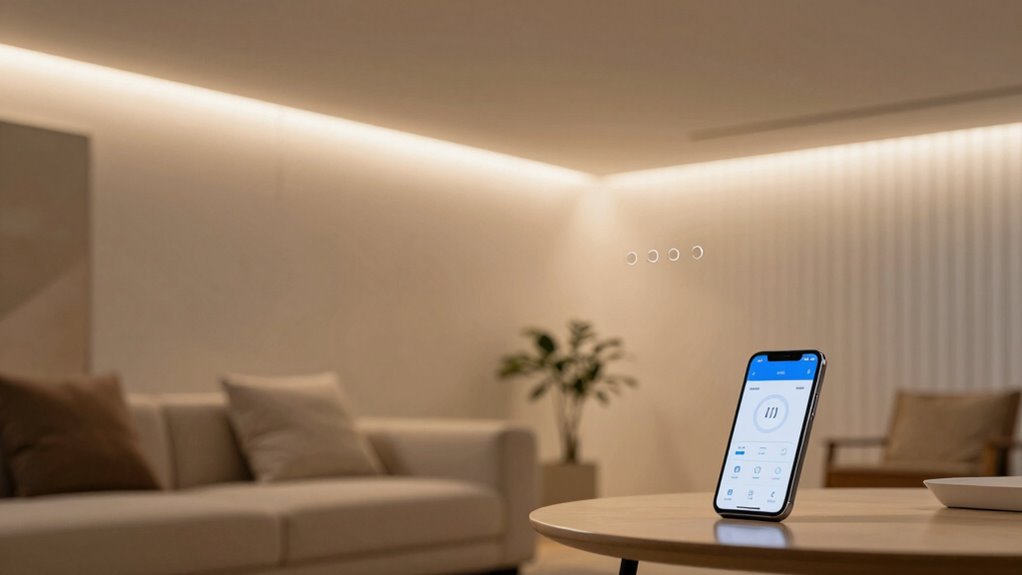
Before you head out, it’s essential to thoroughly test and fine-tune your motion sensor settings to guarantee everything works smoothly in your absence. Proper sensor calibration ensures your motion sensors respond accurately without false alarms. Adjust the placement to cover key entry points and areas you want monitored, avoiding places prone to false triggers like vents or trees. Test the sensors by walking through their detection zones, confirming they activate correctly. Fine-tuning involves tweaking sensitivity levels and adjusting angles for ideal coverage. Use the following table to help visualize key considerations:
| Motion Sensor Placement | Sensor Calibration |
|---|---|
| Cover main entry points | Set sensitivity to avoid false triggers |
| Avoid vents & trees | Test detection zones regularly |
| Ensure clear line of sight | Adjust angles for better coverage |
| Keep sensors away from pets | Regularly recalibrate if needed |
| Cover blind spots | Confirm proper response before leaving |
Troubleshoot Common Motion Sensor Issues While Away
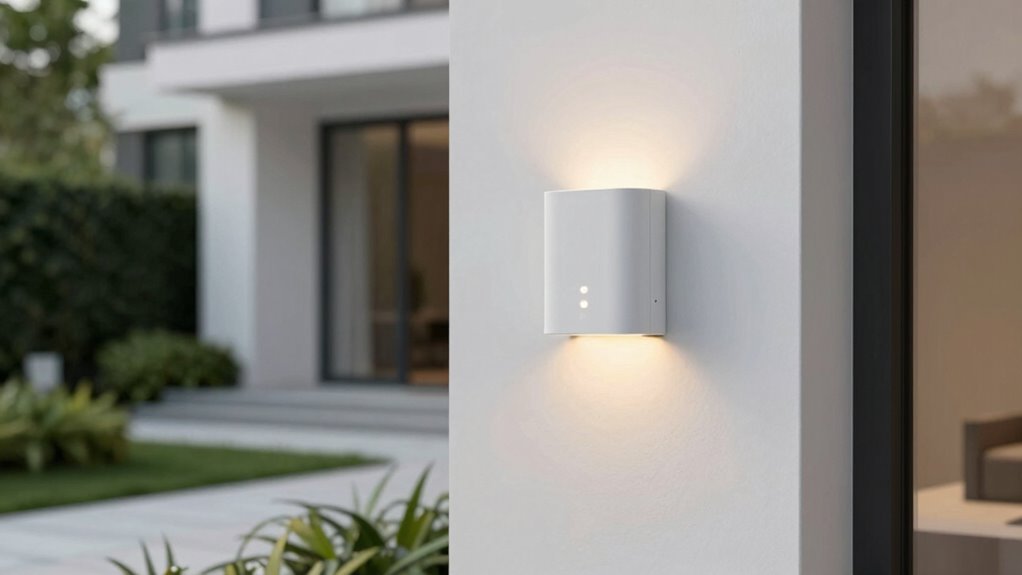
Even after fine-tuning your motion sensors, issues can still arise while you’re away. Common problems often relate to sensor placement or device compatibility. To troubleshoot, start by checking if your sensors are positioned correctly—avoid areas with drafts, direct sunlight, or obstructions that could trigger false alerts. Ensure your device compatibility is up to date; outdated firmware or incompatible systems might cause malfunctions. Additionally, verify that sensors have a clear line of sight and are within range of your hub or app. Finally, review your settings remotely to confirm sensitivity levels are appropriate. Regularly inspecting these factors helps prevent false alarms and missed detections, keeping your activity proof intact even when you’re not home.
Frequently Asked Questions
How Can I Ensure My Sensors Are Secure From Tampering During Travel?
To prevent sensor tampering during your travels, you should secure your sensors with tamper-proof mounts and covers. Regularly check and reset the sensors once you arrive, ensuring they’re functioning properly. Using encryption and strong passwords for your security system adds an extra layer of travel security. Inform trusted neighbors or friends to monitor your property, giving you peace of mind that your sensors remain intact and your home stays protected.
What Are the Best Practices for Updating Sensor Firmware Remotely?
Perfectly performing firmware updates require proper planning. You should prioritize sensor compatibility, ensuring your devices support remote updates. Set a consistent firmware update schedule to stay current, reducing vulnerabilities. Use secure Wi-Fi networks, enable automatic updates when possible, and verify updates after installation. Regularly check manufacturer notifications for new releases, and keep your system organized to streamline the process, ensuring your sensors stay secure and up-to-date while you’re away.
Can I Automate Sensor Adjustments Based on Weather Conditions?
Yes, you can automate sensor adjustments based on weather conditions by integrating weather data with your sensor system. Use weather integration to trigger automatic sensor calibration, ensuring best performance regardless of outdoor changes. Set up rules that adjust sensitivity or calibration settings dynamically, so your sensors respond to rain, heat, or cold. This automation helps maintain accuracy and efficiency without manual intervention, especially when you’re traveling.
How Do I Verify That My Security System Is Fully Operational Before Departure?
Think of your security system as a finely tuned orchestra. Before you depart, verify that each sensor is calibrated correctly and tamper detection is active. Walk through your home, test sensors individually, and ensure alerts are functioning. Check the control panel for recent activity logs, and reset any false alarms. Doing this guarantees your system’s harmony, giving you peace of mind that it’s fully operational and ready to protect while you’re away.
Are There Privacy Concerns With Integrating Smart Sensors Into My Home?
Privacy concerns with sensor integration are valid, but you can address them by choosing reputable brands with strong security measures. Regularly update your firmware and use encrypted connections to protect your data. You control who has access, and disabling certain sensors when you’re home can further safeguard your privacy. Being proactive helps you enjoy the convenience of smart sensors without compromising your privacy.
Conclusion
By tweaking, toggling, and tailoring your motion sensors, you turn travel troubles into tranquil trips. With a little setup and smart strategies, you’ll stop false alarms and secure your space seamlessly. So, stay savvy, stay secure, and enjoy your journey without worry. Let your sensors serve you smoothly, not mistakenly, turning your home into a fortress of peace while you’re away. Travel confidently, knowing your home’s protected and perfectly programmed for peace of mind.
Fall Picks
fall essentials
As an affiliate, we earn on qualifying purchases.