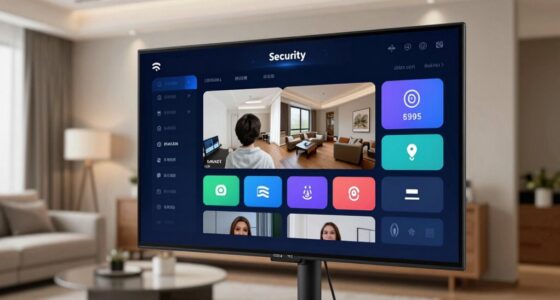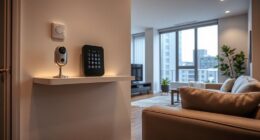
To organize your security devices by zone effectively, analyze your property layout and divide it into logical areas based on usage, risk, and accessibility. Place motion detectors in high-traffic zones, and position cameras to cover blind spots and entry points. Assign specific devices to each zone and regularly review their placement to adapt to changes. This structured approach simplifies management and enhances response speed. Keep exploring to discover how to optimize your system even further.

Get privacy and security gear delivered free with Prime
- Fast, free delivery on millions of items
- Prime Video, Amazon Music and more included
- Member-only deals all year
Key Takeaways
- Analyze property layout to define logical zones based on usage, risk, and accessibility.
- Position sensors and cameras strategically to maximize coverage and minimize false alarms within each zone.
- Assign specific devices to zones according to their function and security needs for targeted monitoring.
- Regularly review and adjust device placement as property changes or security requirements evolve.
- Group devices for easier maintenance, troubleshooting, and zone-based automation to streamline management.
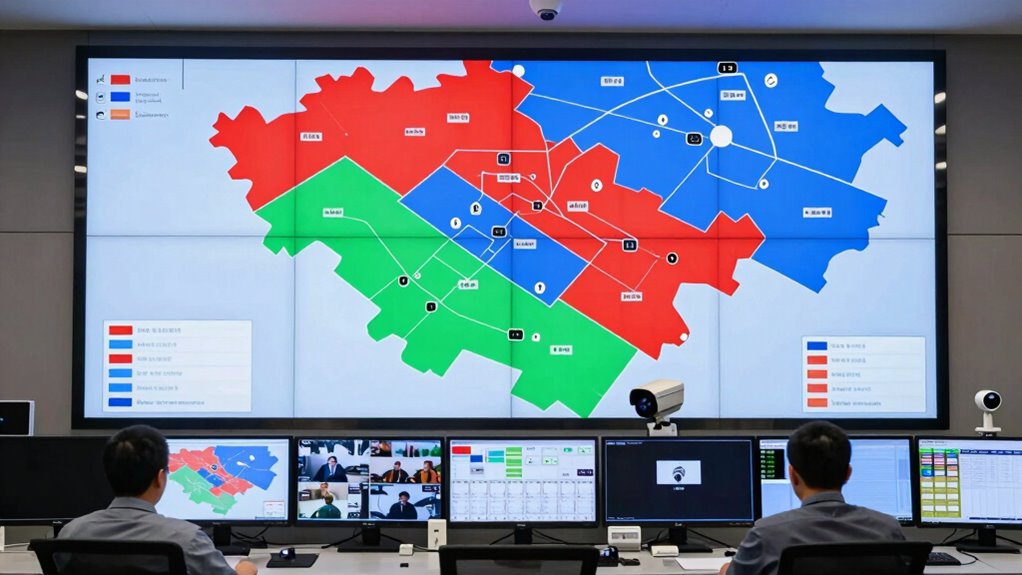
Organizing security devices by zone is essential for maintaining an effective and manageable security system. When you implement proper zone zoning, you create clear boundaries for each area, which simplifies monitoring and response. This approach allows you to tailor device placement and sensitivity levels according to the specific needs of each zone, enhancing your overall security coverage. Properly zoning your system also streamlines device integration, making it easier to connect different types of security equipment—such as cameras, motion detectors, and alarms—into a cohesive network. When devices are integrated within well-defined zones, you gain better control and can automate responses more efficiently, guaranteeing that alerts are relevant and targeted.
To effectively organize your security devices, start by analyzing your property layout. Break down the premises into logical zones based on usage, risk level, and accessibility. For instance, you might designate separate zones for entry points, high-value areas, and common spaces. Once you’ve established these zones, assign specific devices to each, making sure that sensors and cameras are positioned where they’ll be most effective. For example, motion detectors should be placed in areas with high foot traffic, while surveillance cameras should cover blind spots or entry points. This strategic placement ensures that your security system can accurately detect and respond to incidents without false alarms. Additionally, understanding the importance of zone zoning can help you optimize your security setup for better coverage and response times. Regularly reviewing your zones and device placements ensures ongoing effectiveness and adapts to changes in your property. Implementing a systematic approach to your security planning can further improve your overall security posture.
Device integration becomes more straightforward when you keep your zones organized. By grouping related devices within each zone, you simplify maintenance and troubleshooting. If an alarm triggers in a specific zone, you immediately know which devices are involved, saving you time and reducing confusion. Moreover, integrated systems can be programmed to activate or deactivate based on zone status, providing a seamless security experience. For example, you can set your alarm system to automatically arm when a particular zone is unoccupied, or to send alerts when a sensor in a critical zone is triggered. Well-planned zoning also supports security system management, enabling you to oversee and control your entire setup more efficiently. Incorporating system automation can further enhance your security by reducing manual intervention and ensuring prompt responses. Staying informed about the latest security technologies can also help you adapt your zones as new devices become available.
Consistently review and update your zone zoning and device placement as your property or security needs change. Technology evolves, and new devices may need to be added or old ones replaced. Staying organized ensures that your system remains efficient and reliable. By maintaining a logical structure through zone zoning and device integration, you’ll find that managing your security system becomes less of a chore and more of a proactive safeguard. Your ability to respond quickly and accurately to any threat depends on how well you structure your security zones and organize your devices accordingly.
As an affiliate, we earn on qualifying purchases.
Frequently Asked Questions
How Often Should Security Device Zones Be Reviewed or Updated?
You should review and update security device zones at least twice a year. Regularly check your zone labeling to make it remains accurate and reflects any changes in your property. Incorporate maintenance scheduling into your routine to identify and fix issues promptly. Doing so keeps your security system effective, reduces false alarms, and guarantees all zones are properly monitored. Staying proactive helps maintain a safe and secure environment.
What Are the Common Mistakes in Zone Organization?
A common mistake in zone organization is improper sensor placement, which can lead to gaps in coverage or false alarms. You might also overlook access control, failing to restrict sensitive zones adequately. To avoid these issues, guarantee sensors are strategically placed for maximum detection, and access is controlled based on zone importance. Regularly review your zones to identify and correct any misconfigurations, maintaining a secure and efficient security system.
How Does Zoning Affect Response Times During Emergencies?
Zoning acts like a well-oiled machine, speeding up your response times during emergencies. When access control devices are properly organized by zones, you can quickly isolate threats and activate emergency protocols without delay. This targeted approach minimizes confusion, ensuring that security personnel respond swiftly and efficiently. Proper zoning keeps your security system running smoothly, giving you peace of mind knowing help arrives faster when it’s needed most.
Can Zoning Improve Overall Security System Efficiency?
Yes, zoning can improve your overall security system efficiency. By dividing your property into zones, you can optimize access control and perimeter security, making it easier to monitor and respond to threats. Zoning allows you to focus security efforts where they’re needed most, reduces false alarms, and streamlines patrols. Ultimately, it enhances your ability to protect assets and respond quickly during emergencies, increasing your security system’s effectiveness.
What Equipment Is Essential for Effective Zone Management?
Effective zone management requires essential equipment like access control systems and surveillance coverage. You’ll want smart sensors and sturdy cameras to monitor movement and restrict access. Intercoms facilitate instant communication, while alarm systems alert you to breaches. Combining reliable access control with thorough surveillance coverage ensures you can oversee each zone precisely. This setup helps prevent intrusions, enhances response times, and maintains overall security, giving you peace of mind with well-organized, efficient zones.
motion detector for high traffic areas
As an affiliate, we earn on qualifying purchases.
As an affiliate, we earn on qualifying purchases.
Conclusion
By organizing security devices by zone, you gain clarity and control, turning chaos into order. Imagine the peace of mind knowing every corner is protected, yet the thought of vulnerability still lurks in the back of your mind. It’s a delicate balance—security offers safety, but it also demands constant vigilance. When you properly zone your devices, you don’t just secure your space; you create a sanctuary where confidence and caution walk hand in hand.
security camera blind spot coverage
As an affiliate, we earn on qualifying purchases.
As an affiliate, we earn on qualifying purchases.
As an affiliate, we earn on qualifying purchases.
Fall Picks
fall essentials
As an affiliate, we earn on qualifying purchases.