
To build a smarter “kids home alone” mode, start by teaching your children emergency skills like using phones, recognizing signs of danger, and seeking help. Incorporate regular safety drills and routines, such as check-ins with you, using timers for chores, and updating procedures as they grow. Use security devices like cameras and kid-friendly apps to monitor and promote independence responsibly. Keep exploring for more tips to create a safe, confident environment for your kids when they’re alone.

Get privacy and security gear delivered free with Prime
- Fast, free delivery on millions of items
- Prime Video, Amazon Music and more included
- Member-only deals all year
Key Takeaways
- Integrate smart home devices like security cameras, doorbell cameras, and motion sensors for real-time monitoring.
- Set up emergency contact alerts and quick access apps for children to communicate with guardians instantly.
- Establish routine safety checks and drills using timers, alarms, and scheduled reminders to reinforce independence.
- Teach children how to operate emergency tools and navigate safety technology confidently.
- Define clear boundaries and privacy rules, utilizing smart devices to monitor without intrusiveness.
Many parents worry about leaving their kids home alone, but with the right preparation and safety measures, it can be a manageable and even empowering experience for children. The key lies in building a “Kids Home Alone” mode that emphasizes emergency preparedness and respects privacy considerations. First, you need to equip your child with the knowledge and tools to handle unexpected situations. Teach them basic emergency preparedness, such as how to use a phone to call for help, recognizing emergency numbers, and understanding when to seek adult assistance. Practice emergency scenarios together, so they feel confident in their responses. Make sure they know how to find and use emergency supplies, like a first aid kit, fire extinguisher, and flashlight, which should be easily accessible and regularly checked for functionality. Incorporating emergency preparedness into daily routines can also help reinforce their understanding and confidence in handling emergencies. Additionally, discussing home safety regularly can help your child internalize safety habits and recognize potential hazards around the house. Establishing routines that include safety drills can further enhance their readiness and reduce anxiety about staying alone.
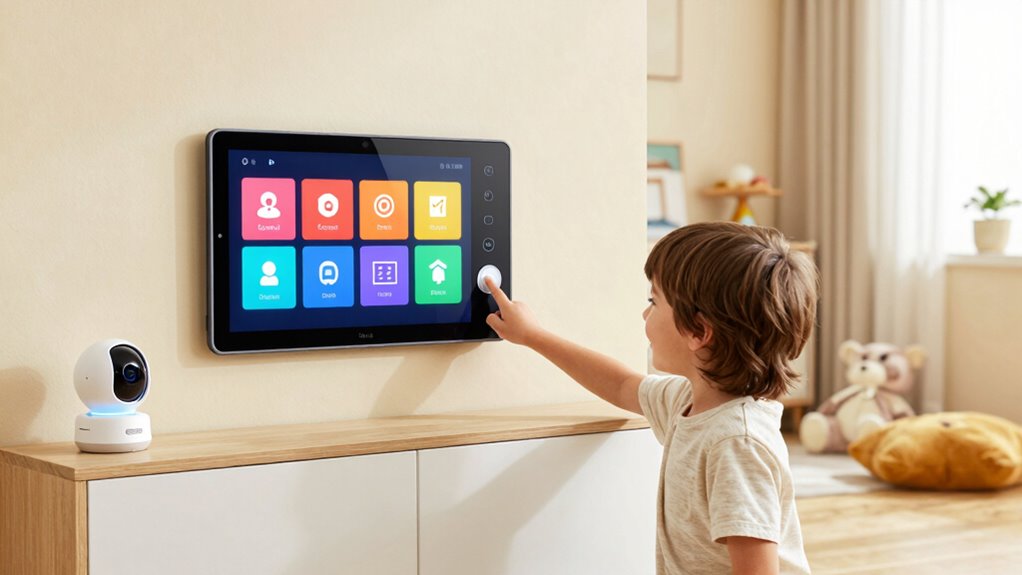
Alongside emergency readiness, privacy considerations are equally important. You want your child to feel safe and secure in their home environment, but it’s essential they understand boundaries. Explain which areas are off-limits and why, and respect their need for privacy, especially as they grow older. Set clear rules about sharing personal information or opening the door to strangers, and encourage open communication. Installing smart home devices can help you stay connected without being intrusive—use security cameras and doorbell cameras to monitor the house remotely if necessary, but ensure your child understands that these are for safety, not surveillance. Reinforce the importance of privacy, so your child feels in control of their space while understanding the necessity of safety measures. Introducing home security technology can help your child understand how safety tools work and promote a sense of security.
Creating a “Kids Home Alone” mode isn’t just about security; it’s about fostering independence in a safe environment. Establish routines that your child can follow confidently, such as checking in at specific times, setting reminders for chores or homework, and knowing where to find important contacts. Technology plays a pivotal role here—set up emergency contact lists on their devices, install kid-friendly apps that allow quick access to help, and use timers or alarms to keep them on schedule. Regularly review safety procedures and privacy boundaries, adjusting as your child matures. Doing so helps them develop responsibility and self-reliance while knowing they’re supported. Ensuring your home is equipped with smart safety devices can also make managing their safety easier and more efficient.
In the end, building a smarter “Kids Home Alone” mode means combining practical safety measures with respect for your child’s privacy. When you prepare them with emergency preparedness skills and establish boundaries that respect their independence, you empower your child to navigate being home alone confidently and securely.
smart home security cameras for kids
As an affiliate, we earn on qualifying purchases.
As an affiliate, we earn on qualifying purchases.
Frequently Asked Questions
What Age Is Appropriate for Kids to Stay Home Alone?
You should consider letting your kids stay home alone around ages 10 to 12, depending on their maturity level. When doing so, make sure proper child supervision and set clear safety boundaries to keep them secure. Observe how responsible they are with rules and emergencies, and gradually increase independence as they demonstrate readiness. Always prioritize their safety and comfort, adjusting age recommendations based on individual maturity and local regulations.
How Can Parents Ensure Remote Monitoring Is Effective?
A stitch in time saves nine; to guarantee remote monitoring is effective, you need to stay proactive. Regularly check video surveillance feeds and test smart doorbells to confirm they’re working properly. Set up alerts for unusual activity, and communicate with your kids through these devices. Keep your technology updated and establish clear rules so your monitoring provides peace of mind, not just a false sense of security.
What Emergency Contacts Should Kids Have Readily Available?
You should make sure your kids have an updated emergency contact list they can access easily, including parents, neighbors, trusted friends, and local emergency services. Teach them safety drill procedures so they know what to do in case of emergencies. Reinforce that they should contact these numbers immediately if needed, and review the list regularly to keep it current, giving your children confidence and security when home alone.
How Do I Prepare Kids for Unexpected Situations?
You prepare your kids for unexpected situations by fostering child independence and providing safety education. Teach them how to stay calm, identify safe places, and use emergency contacts confidently. Practice scenarios like power outages or minor injuries, so they know what steps to take. Encourage open communication, so they feel comfortable asking questions. This way, they build resilience and confidence, making them better equipped to handle surprises safely on their own.
What Safety Devices Are Recommended for a Smarter Home?
You should install safety devices that integrate with your smart home system, such as smart locks, cameras, and motion sensors. These devices allow you to monitor your kids remotely and guarantee their safety. Automated alerts notify you instantly if something unusual happens, like unauthorized entry or movement in restricted areas. By integrating these smart devices, you create a safer environment where you stay connected and informed, even when you’re not home.
kids emergency communication device
As an affiliate, we earn on qualifying purchases.
As an affiliate, we earn on qualifying purchases.
Conclusion
By mastering these tips, you’re not just creating a “kids home alone” mode—you’re building an impenetrable fortress of safety and independence. Imagine your child maneuvering emergencies like a superhero, with the confidence to conquer anything that comes their way. This isn’t just about safety; it’s about transforming your little one into the ultimate home-alone legend. So, go ahead—set up this system and watch them become unstoppable, one confident step at a time!
As an affiliate, we earn on qualifying purchases.
child-friendly home security systems
As an affiliate, we earn on qualifying purchases.
As an affiliate, we earn on qualifying purchases.
Halloween Picks
halloween
As an affiliate, we earn on qualifying purchases.