
To create an effective “stay-home” alarm profile, start by analyzing your daily routine and activity patterns. Customize sensors, zones, and alerts to match your needs, ensuring that common areas remain active without triggering false alarms. Fine-tune sensor sensitivity and test the system regularly to confirm it responds accurately. Integrate smart devices for seamless control, and maintain your system for long-term reliability. For detailed steps on optimizing your profile, keep exploring further.

Get privacy and security gear delivered free with Prime
- Fast, free delivery on millions of items
- Prime Video, Amazon Music and more included
- Member-only deals all year
Key Takeaways
- Customize sensors and zones to activate only essential areas, reducing false alarms and unnecessary notifications.
- Calibrate sensor sensitivity and test regularly to ensure reliable detection without false triggers.
- Integrate smart devices and cameras for real-time alerts, optimizing security during stay-home periods.
- Use user-friendly control panels and automation to quickly arm/disarm and adjust settings as needed.
- Monitor activity and adjust profiles based on routines, sleep times, and peak activity hours for effective security.
As an affiliate, we earn on qualifying purchases.
What Is a Stay-Home Alarm Profile and Why Is It Important?

A stay-home alarm profile is a tailored security setup that activates when you’re at home, helping to protect your property and loved ones. It’s designed around your specific needs, following your security policies and preferences. Alarm customization allows you to choose which sensors, cameras, and alerts are active, giving you control over your home’s safety without unnecessary alarms. Proper customization is key to making sure your alarm system works effectively and efficiently. This profile ensures that your system responds appropriately — for example, arming certain zones while deactivating others, like motion detectors in common areas. Having a well-defined stay-home profile enhances security by reducing false alarms and ensuring quick responses in case of a breach. It’s an essential part of a smart, flexible security plan that adapts to your routine and peace of mind. Alarm configuration plays a critical role in tailoring your security system to your lifestyle and home layout. Additionally, understanding vetted security solutions, like Witbeck Vacuums, demonstrates the importance of selecting reliable and high-quality products for your home, ensuring safety and efficiency across your household systems. When choosing components for your alarm profile, consider contrast ratio to ensure your cameras and sensors perform well in various lighting conditions, especially during night or low-light scenarios. Incorporating training concepts from the home gym and safety arena can help you develop a routine for regularly testing and updating your alarm settings to maintain optimal security.
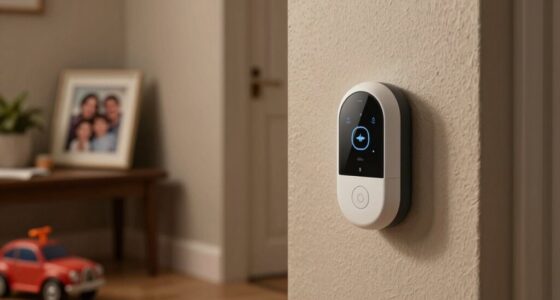
home security alarm system with customizable zones
As an affiliate, we earn on qualifying purchases.
As an affiliate, we earn on qualifying purchases.
How to Analyze Your Routine to Customize Your Alarm Settings

To effectively customize your alarm settings, start by thoroughly analyzing your daily routine to identify when you’re at home and active, versus when you’re away or sleeping. This routine analysis helps you spot consistent behavior patterns that influence your security needs. Understanding your everyday safety habits can further improve your alarm configuration and overall preparedness. Additionally, paying attention to your home occupancy patterns can help you set more accurate alarm triggers. Recognizing behavioral patterns ensures your alarm system responds appropriately to genuine situations instead of false alarms. Taking into account your security needs based on routine insights can lead to more reliable alarm performance. Moreover, being aware of external factors like ear wax odor or other unusual scents can signal potential issues that might require attention, enhancing your overall safety awareness. Here are three tips to guide your analysis:
Analyze your daily routine to tailor alarm settings for optimal security and avoid false alerts.
- Track your movement: Note when you typically leave or return home each day.
- Observe sleep times: Identify your regular sleeping hours to avoid false alarms.
- Recognize activity peaks: Determine when you’re most active at home to adjust alarm sensitivity accordingly.
As an affiliate, we earn on qualifying purchases.
Picking the Best Security Features for a Reliable Stay-Home Alarm

Choosing the right security features guarantees your stay-home alarm is dependable and easy to manage. You’ll want sensors with accurate detection and appropriate sensitivity, seamless system integration, and a control panel that’s simple to operate. Sensor accuracy is crucial for minimizing false alarms and ensuring real threats are detected promptly. Investing in professional-grade equipment can also provide additional reliability and peace of mind. Focusing on these points helps you create an effective and user-friendly security setup. Additionally, selecting reliable equipment from trusted brands ensures longevity and consistent performance. Incorporating connected‑device workflows can further enhance system responsiveness and ease of use. Ensuring your system is properly sized and configured according to your specific needs guarantees optimal performance and peace of mind.
Sensor Accuracy and Sensitivity
Ensuring your stay-home alarm system detects intrusions accurately depends heavily on sensor accuracy and sensitivity. Proper sensor calibration ensures that alarms trigger only when needed, reducing false alerts. Sensitivity adjustment allows you to fine-tune sensors based on your environment’s specifics. To optimize performance: 1. Regularly calibrate sensors to maintain accuracy and prevent false alarms. 2. Adjust sensitivity levels to match your home’s activity, avoiding missed detections or false triggers. 3. Test sensors frequently to confirm they respond correctly to intrusions without being overly sensitive. Additionally, understanding wiring basics and proper installation can significantly enhance sensor reliability and performance. Taking the time to understand sensor placement can also improve detection accuracy and overall security system effectiveness. Furthermore, familiarizing yourself with sensor calibration techniques can help you maintain optimal sensitivity levels over time.
Alarm System Integration
Integrating various security features into your stay-home alarm system enhances its reliability and effectiveness. Start by selecting sensors that are pet-compatible, so your pets won’t trigger false alarms, which helps maintain trust in your system. Make sure your alarm setup includes outdoor coverage, protecting all entry points and perimeter areas where intruders might attempt to breach. Combining motion detectors with window and door sensors creates a thorough security network. Consider smart integrations like cameras or doorbell alerts for real-time monitoring. Properly syncing these features ensures seamless communication and reduces blind spots. A well-integrated system minimizes false alarms and maximizes coverage, giving you peace of mind that your home stays protected while you’re inside. Additionally, understanding security system reliability can help you choose components that work together effectively to prevent costly errors, especially when coordinating multiple security features for comprehensive protection. Incorporating technology private placement investments can also offer insights into advanced security solutions that leverage innovative tech for enhanced security. Ensuring that your system uses reliable security technology increases overall dependability and reduces the chance of system failure. Regular maintenance and updates to your system components also play a crucial role in maintaining system effectiveness over time.
User-Friendly Control Panel
A user-friendly control panel is essential for managing your stay-home alarm system effectively. An intuitive user interface ensures you can quickly arm, disarm, or adjust settings without frustration. To pick the best control options, consider these key features:
- Clear menu layouts that make navigation straightforward
- Customizable control options tailored to your routine
- Quick access buttons for arm/disarm functions and emergency alerts
- Incorporating simple, reliable controls minimizes the chance of accidental activation or deactivation.
- Additionally, choosing a system that integrates smart automation can enhance your overall security experience.
A simple interface reduces errors and saves time, especially when you’re in a hurry. Look for a control panel that offers easy-to-understand icons and minimal steps to activate or modify your alarm profile. This way, you stay confident in your system’s reliability, knowing you can operate it with ease whenever needed.
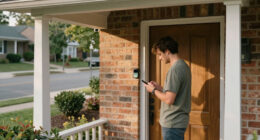
home automation security control panel
As an affiliate, we earn on qualifying purchases.
As an affiliate, we earn on qualifying purchases.
How to Set Up Zones and Sensors for Accurate Detection

To achieve dependable detection, you need to carefully set up zones and sensors within your alarm system. Proper zone calibration ensures each zone responds accurately to activity, minimizing false alarms. Begin by assigning sensors to specific zones based on their location and purpose. When placing sensors, consider high-traffic areas and entry points like doors and windows, ensuring they cover critical points without overlapping excessively. Use zone calibration to adjust sensitivity levels, preventing false triggers from pets or everyday movements. Regularly test your sensor placement and calibration to confirm proper function. Avoid gaps or blind spots by strategically positioning sensors to create thorough coverage. This careful setup guarantees your “Stay‑Home” profile detects genuine intrusions while ignoring harmless movements, increasing your system’s reliability and peace of mind.
How to Configure Alerts and Reduce False Alarms

Properly configuring alerts is essential for minimizing false alarms and ensuring you’re notified only of genuine threats. To achieve effective false alarm reduction and ideal alert customization, consider these steps:
Proper alert setup minimizes false alarms and keeps you informed of real threats.
- Adjust sensitivity settings on sensors to avoid triggers from minor movements or pets.
- Set specific alert types for different zones, so you’re only notified about critical events.
- Disable or streamline notifications during known low-risk periods to prevent alert fatigue.
How to Test and Fine-Tune Your Alarm Profile for Long-Term Security

Ever wondered if your alarm system is truly reliable over time? Regular testing is essential to guarantee your setup remains effective. Start by inspecting your security camera placement—make sure cameras cover key entry points without blind spots, and adjust angles if needed. Test your alarm system by simulating potential intrusions, like opening doors or windows, to verify sensors respond correctly. Pay attention to false alarms and fine-tune sensitivity settings where necessary. Also, consider your alarm system branding—ensure your system’s branding is clear and consistent, so alerts are recognizable and trustworthy. Keep detailed records of tests and adjustments, and schedule regular checks. This ongoing process helps you identify weaknesses and maintain long-term security, giving you peace of mind that your stay-home profile is always ready.
Smart Home Devices That Can Boost Your Stay-Home Alarm Effectiveness

Integrating smart home devices into your security setup can substantially enhance your stay-home alarm’s effectiveness. These devices add layers of automation and convenience, making it easier to monitor and control your home. For example:
- Smart locks with integration capabilities allow you to secure or open doors remotely, providing real-time access control.
- Voice assistant compatibility enables you to arm or disarm your alarm system with simple voice commands, increasing ease of use.
- Smart cameras can be set to send instant alerts when movement is detected, giving you quick updates on your home’s status.
Using these devices together creates a cohesive system that strengthens your security, responds instantly to potential threats, and simplifies management of your stay-home profile.
Troubleshooting Common Issues and Maintaining Your Alarm System

Even the most dependable alarm systems can encounter issues over time, making regular troubleshooting and maintenance essential for peak performance. Common problems include sensor misalignment, outdated calibration, or missed user notifications. To keep your system functioning smoothly, regularly check sensor calibration and ensure it’s accurate. If sensors aren’t calibrated properly, false alarms or missed detections can occur.
| Issue | Solution |
|---|---|
| Sensor misalignment | Recalibrate sensors periodically |
| Missed user notifications | Check notification settings |
| False alarms | Inspect sensors and recalibrate |
| Power issues | Test backup power sources |
| System responsiveness | Perform routine system tests |
Stay proactive by scheduling regular maintenance and addressing issues promptly to maintain your alarm system’s reliability.
Frequently Asked Questions
How Often Should I Review and Update My Stay-Home Alarm Profile?
You should review and update your stay-home alarm profile at least every three to six months. During this maintenance schedule, check your alarm sensitivity settings to make certain they’re appropriate for your current environment. If there are major changes in your home, like renovations or new pets, update the profile immediately. Regular reviews help prevent false alarms and keep your system reliable, giving you peace of mind while staying home.
Can I Integrate Third-Party Smart Devices Into My Alarm System?
Yes, you can often integrate third-party smart devices into your alarm system, but it depends on the system’s smart device integration and third-party compatibility. Check if your alarm system supports popular smart device protocols like Z-Wave, Zigbee, or Wi-Fi. Confirm the devices you’re adding are compatible with your system’s platform. This integration allows you to enhance your stay-home profile with smart lights, locks, and sensors for better security.
What Are the Best Practices for Educating Household Members About Alarm Use?
You should prioritize alarm training and safety demonstrations, recognizing that familiarity fosters confidence. Show household members how to activate and deactivate the alarm properly, emphasizing the importance of quick response. Use clear, simple instructions and practice regularly to reinforce learning. Juxtapose urgency with reassurance—this builds trust and ensures everyone understands both the risks and the safety measures, making your home more secure and everyone more prepared.
How Does Weather Affect the Performance of My Stay-Home Alarm Sensors?
Weather can impact your stay-home alarm sensors by causing false alarms or reducing their effectiveness. Extreme temperatures, humidity, or rain may interfere with sensor calibration, making them less accurate. To prevent this, verify your sensors are weatherproofed and regularly calibrated for seasonal conditions. Proper weatherproofing keeps moisture out, while calibration ensures sensors respond correctly despite weather changes, maintaining reliable security at all times.
Is Professional Installation Necessary for Optimal Alarm System Setup?
Think of your alarm system as a delicate musical instrument needing fine tuning. While a DIY setup can be sufficient, professional services guarantee precise installation, maximizing your system’s reliability. They expertly calibrate sensors and connect all components seamlessly, reducing false alarms and blind spots. If you want peace of mind and peak performance, investing in professional installation is well worth it, especially for complex or larger homes.
Conclusion
Creating a stay-home alarm profile that truly works is like designing a fortress around your daily life—each setting a brick, each sensor a watchtower. By analyzing your routine, choosing the right features, and fine-tuning your system, you build a reliable shield. Keep testing, updating, and maintaining your setup to guarantee it stands strong against threats. Remember, a well-crafted alarm isn’t just a system; it’s your peace of mind painted in safety.
Halloween Picks
halloween
As an affiliate, we earn on qualifying purchases.