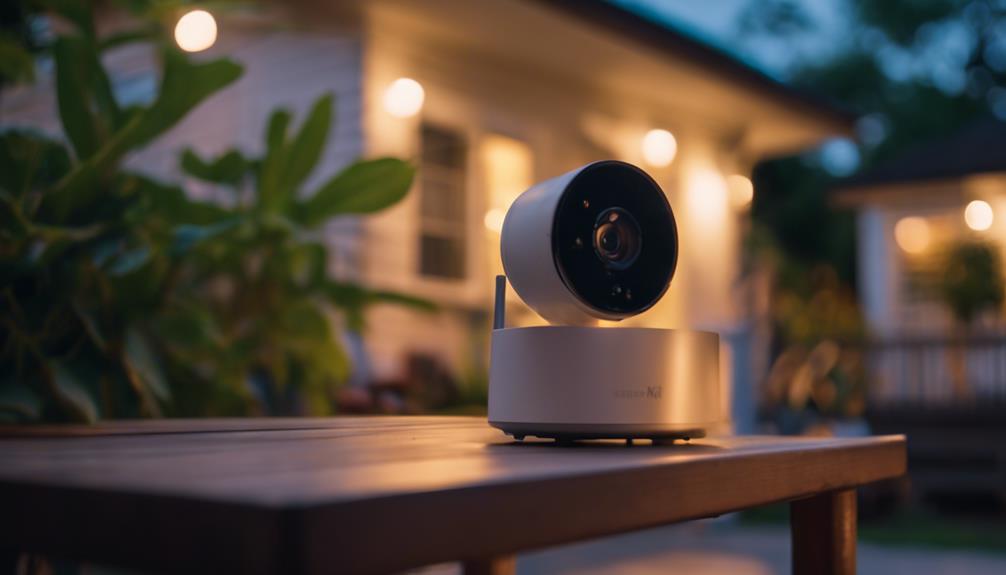

Home security systems have the flexibility to operate with or without Wi-Fi, depending on what you need. Opting for Wi-Fi cameras allows for remote access and cloud storage, although they can be susceptible to hacking. On the other hand, non-Wi-Fi systems utilize local storage and wired connections, offering reliability without relying on the internet. These choices prioritize privacy and ensure continuous recording, even during power outages. For those who prefer cellular options, cameras like the Arlo Go can function without Wi-Fi. Selecting the appropriate system requires assessing your specific requirements and budget. Stay tuned to learn more about the top choices for your home security needs.
Key Takeaways
- Not all home security systems require Wi-Fi; wired systems function independently and offer consistent security without internet connectivity.
- Wi-Fi security cameras provide remote access and cloud storage but are vulnerable to hacking and depend on stable internet.
- Cellular signal cameras, like Arlo Go and Reolink Go, allow for remote monitoring without relying on Wi-Fi connections.
- Non-Wi-Fi systems use local storage for continuous recording, ensuring operation even during internet outages or power failures.
wireless security cameras with local storage
As an affiliate, we earn on qualifying purchases.
As an affiliate, we earn on qualifying purchases.
Understanding Home Security Systems
When choosing a home security system, it's essential to understand how different types operate, especially regarding their reliance on Wi-Fi.
Some systems, like Wi-Fi security cameras, depend on internet connectivity for features such as remote access, live footage, and cloud storage. This can be convenient, but it also introduces potential vulnerabilities, like hacking. Additionally, just as with toilet maintenance practices, regular checks and updates on your security systems can help mitigate risks and guarantee peak performance.
On the other hand, security cameras without internet can be a smart choice for those looking for more secure options. These systems often use local storage, such as micro-SD cards or DVRs, allowing for continuous video recording without needing Wi-Fi. For instance, certain wireless security cameras, like Arlo Go and Reolink Go, operate on cellular networks, offering functionality in areas with poor or no Wi-Fi.
Wired security systems are another reliable alternative. They don't rely on Wi-Fi and can provide high-quality video and consistent security. These systems are ideal for permanent installations, especially where internet access is unreliable.

SEHMUA 4G LTE Cellular Solar Security Camera Wireless Outdoor, No Wi-Fi Solar Powered Camera, 360° Live View, 2K Color Night Vision, PIR Motion Sensor, Two-Way Talk, Built-in SIM Card
- No Wi-Fi or Power Needed: Operates in Wi-Fi and power-free areas
- Compatible with Major U.S. Carriers: Includes SIM card for AT&T, T-Mobile, Verizon
- Solar Powered and Wireless: Runs on solar energy with large battery
As an affiliate, we earn on qualifying purchases.
As an affiliate, we earn on qualifying purchases.
WiFi-Dependent Features and Limitations

Many home security systems today rely heavily on Wi-Fi to deliver features that enhance your monitoring experience, but this dependence comes with specific limitations you should consider. Wi-Fi-dependent features like live streaming video and real-time alerts are essential for effective home security, yet they can falter with an unstable internet connection.
Here's a breakdown of some key features and their limitations:
| Feature | Limitation |
|---|---|
| Remote Access | Requires stable Wi-Fi |
| Cloud Storage | Needs internet for retrieval |
| Live Streaming Video | Impacted by video quality issues |
| Motion Detection Alerts | May not function without Wi-Fi |
While local recording capabilities exist, accessing footage typically needs an internet connection. For those wanting a reliable alternative, consider security cameras that offer cellular data connectivity. This can provide enhanced reliability and privacy, ensuring you stay connected to your home's security even when your Wi-Fi isn't up to par. Understanding these limitations helps you make informed decisions for your home protection strategy.

ANNKE 3K Lite Wired Security Camera System Outdoor, 8X 2MP Cameras, 1TB HDD
- AI Motion Detection 2.0: Human and vehicle detection with flexible areas
- Universal Compatibility: Works with TVI, AHD, CVI, CVBS, IP cameras
- Supports 1080P and 3K Cameras: Hook up with 1080P@30fps or 3K/5MP@20fps cameras
As an affiliate, we earn on qualifying purchases.
As an affiliate, we earn on qualifying purchases.
Alternatives to WiFi for Security

Alternatives to Wi-Fi for home security provide reliable options that guarantee your safety without the need for an internet connection. You can consider using cameras without the internet, such as the Arlo Go and Reolink Go, which rely on cellular signals like 4G/LTE or 5G to transmit data.
Additionally, utilizing community feedback and success stories can help you choose the best products for your needs. If you prefer local storage, DVR systems can record footage directly to hard drives or micro-SD cards, ensuring that you have access to recorded surveillance at all times.
Wired security camera systems, including traditional CCTV setups, transmit video through coaxial cables, offering uninterrupted recording and real-time viewing without Wi-Fi. For those who want a flexible solution, battery-operated cameras can operate independently, using local recording methods that suit various environments, including remote locations.
If you're looking for a simplified installation, consider Power-over-Ethernet (PoE) technology. This allows you to power your wired cameras while transmitting data through a single cable, eliminating the need for separate Wi-Fi connections.
With these alternatives, you can enhance your home security effectively while bypassing the limitations of Wi-Fi dependency.

GIGASTONE 128GB Micro SD Card 2-Pack, A1 V30 4K Video Recording, Compatible with Security Camera, Dash cam, Drone, 95MB/s MicroSDXC Memory Card UHS-I Class 10, with 2 SD Adapter
- High-speed 4K Video Recording: Up to 95MB/s read, 40MB/s write
- Wide Device Compatibility: Suitable for cameras, smartphones, tablets, and more
- Durable and Environment Resistant: Waterproof, shockproof, temperature-proof, X-ray proof
As an affiliate, we earn on qualifying purchases.
As an affiliate, we earn on qualifying purchases.
Advantages and Disadvantages of Non-WiFi Systems

Non-WiFi security systems offer considerable advantages, including enhanced privacy and reduced vulnerability to hacking, making them a solid choice for those prioritizing security. With the increasing scrutiny on cybersecurity measures, opting for a non-WiFi system can markedly mitigate risks associated with online threats, especially as cybersecurity and ethical hacking become more critical in today's tech landscape. Here are some key benefits and drawbacks to evaluate:
- Enhanced Privacy: With non-WiFi cameras, your footage isn't transmitted over the internet, reducing exposure to potential cyber threats.
- Local Storage: These systems typically store data locally on devices like DVRs or micro-SD cards, eliminating cloud storage fees and ensuring you have full control over your recordings.
- Continuous Recording: Non-WiFi systems maintain functionality during power outages, ensuring uninterrupted monitoring without reliance on internet connectivity.
- Manual Management: However, the absence of WiFi means you may need to manage recordings manually, which can lead to potential data loss if storage devices are damaged.
On the downside, you won't have access to remote alerts or live streaming features, limiting your ability to monitor events in real-time from offsite locations.
Ultimately, while non-WiFi security systems provide robust security features, they also require a higher level of manual management and may lack some modern conveniences.
Choosing the Right Security Solution

When selecting the right security solution for your home, consider your specific needs, budget, and the level of monitoring you desire.
If you prefer cameras without internet, look into local storage options. These security cameras work without relying on Wi-Fi, recording video footage directly onto a DVR or micro-SD card. This guarantees continuous operation, even during internet outages.
Additionally, modern security systems often integrate features like garage door openers to enhance overall home security.
For a more flexible option, consider cellular signal cameras like Arlo Go or Reolink Go. These allow remote features without Wi-Fi by utilizing 4G/LTE or 5G networks, providing live video access when you need it.
If you're concerned about privacy and data security, wired security systems may be the best choice. They don't require Wi-Fi, offering consistent video quality and reducing vulnerability to hacking.
Additionally, if you want to avoid wireless cameras without sacrificing functionality, a hybrid approach combining wired systems with local storage can offer the best of both worlds.
Ultimately, the right choice depends on balancing convenience, security, and your comfort level with technology. Make certain to evaluate all options to find the perfect fit for your home.
Frequently Asked Questions
Can You Get Home Security Without Wi-Fi?
Yes, you can get home security without Wi-Fi. You've got options like wired systems or cellular cameras that use 4G/LTE. Just keep in mind that remote access features might be limited with these setups.
Do All Home Security Need Wi-Fi?
Did you know that around 50% of homeowners still prefer traditional security systems? Not all home security systems need Wi-Fi; many effective options rely on wired connections or local storage for reliable protection without internet access.
What Happens to the Security System if Wi-Fi Goes Out?
If Wi-Fi goes out, your security system might lose remote access and alerts. However, systems with local storage or cellular connections can still operate, recording footage or sending alerts despite the internet disruption.
Does My ADT System Need Wi-Fi?
Imagine a lighthouse guiding ships home through stormy seas. Your ADT system shines brightest with Wi-Fi, offering full features. Without it, you'll navigate in darkness, relying on basic alerts while missing vital updates.
Are There Alternative Options for Home Security Systems That Don’t Require WiFi?
Yes, there are home security systems without wifi.that provide alternative options for safeguarding your home. These systems typically use cellular or landline connections instead of WiFi to communicate and monitor your home, giving you peace of mind without the need for a WiFi network.
Conclusion
In summary, whether you choose a WiFi-dependent security system or a non-WiFi alternative, it's vital to assess your home's needs.
Did you know that homes without a security system are 300% more likely to be broken into? This statistic highlights the importance of investing in any security solution that fits your lifestyle.
So, take the time to explore your options and select a system that offers peace of mind, whether it's connected to WiFi or not.