Arming everyone can escalate conflicts, making disputes more deadly and unpredictable. It diverts resources from important prevention efforts like mental health and poverty reduction. Not everyone is responsible enough to handle a weapon, increasing the risk of accidents and harm to innocent people. Proper training is often overlooked, further jeopardizing safety. Instead of gun proliferation, focusing on community-building and addressing root problems can lead to safer solutions. To understand why more weapons often do more harm, keep exploring these issues.
Prime for Young Adults — start your free trial
Fast free delivery, streaming and member deals for eligible 18–24 year olds.
As an affiliate, we earn on qualifying purchases.
Key Takeaways
- Widespread arming can escalate conflicts and increase the deadliness of confrontations.
- Resources spent on distributing firearms could be better allocated to crime prevention and social programs.
- Not everyone has the responsibility or skill to handle weapons safely, raising risks of accidents and misuse.
- Proper training and ongoing education are difficult to ensure, impacting overall safety.
- Focusing on root causes and community building is more effective than arming everyone for reducing violence.
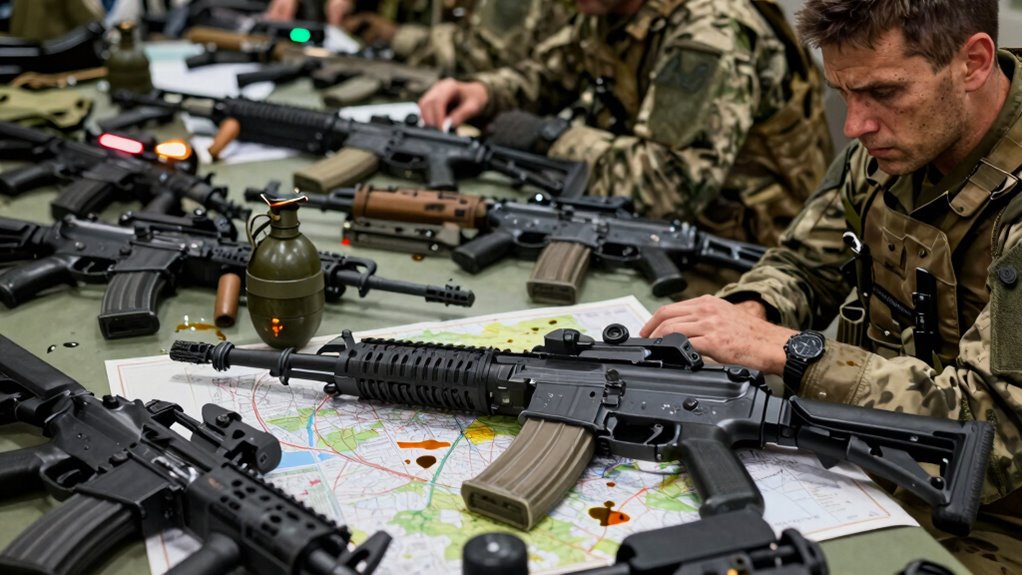
While the idea of arming everyone might seem like an effective way to guarantee safety, it often overlooks the complexities and potential consequences involved. When everyone carries a weapon, the risk of escalation increases markedly. Conflicts that might have been minor or manageable could spiral out of control if both parties are armed, leading to more violence rather than less. The presence of more weapons doesn’t necessarily deter crime; instead, it can make confrontations deadlier and more unpredictable. You might think that more guns mean more safety, but in reality, they often create a false sense of security that ignores how quickly situations can escalate beyond anyone’s control.
More weapons can escalate conflicts, creating false security and increasing danger rather than ensuring safety.
Resource allocation becomes another critical concern when advocating for universal arming. Distributing firearms costs money—background checks, training, storage, and maintenance all require substantial funding. Instead of focusing on effective crime prevention or community programs, resources are diverted toward arming individuals, which might not yield the safety improvements you expect. This shift can weaken efforts that address root causes of violence, such as poverty, lack of education, or mental health issues. As a result, you risk spreading resources thin, making it harder to invest in initiatives that could genuinely reduce violence and improve public safety. Additionally, many experts argue that resource allocation should prioritize preventative measures over reactive solutions like widespread firearm distribution. Moreover, the effectiveness of arming everyone depends heavily on training and judgment, which can vary significantly among individuals and may not be sufficient to prevent accidents or misuse.
Furthermore, arming everyone often neglects the human factor—training, judgment, and impulse control. Not everyone is prepared or capable of handling a firearm responsibly, and in stressful situations, even trained individuals can make poor decisions. When more people are armed, the likelihood increases that innocent bystanders could get caught in the crossfire or suffer from accidental discharges. It also puts more responsibility on individuals to make split-second decisions, which can lead to tragic mistakes or unnecessary violence. This reality underscores how arming everyone isn’t a simple solution but one that introduces new risks and complexities. Proper training and ongoing education are essential components that are often overlooked in discussions about widespread firearm access.
In essence, the idea of arming all citizens seems straightforward—more guns, more safety—but the reality is far more nuanced. The escalation risks grow, and resource allocation becomes strained, often diverting attention from strategies that truly promote peace and security. You need to think about whether increasing weapon prevalence actually addresses the root causes of violence or simply amplifies its dangers. Sometimes, disarming and focusing on community-building and preventative measures prove to be more effective in creating a safer environment for everyone.
As an affiliate, we earn on qualifying purchases.
Frequently Asked Questions
What Are the Main Dangers of Arming Everything?
Arming everything can create serious safety risks, as it may lead to accidental discharges or misuse during emergencies. It also complicates security protocols, making it harder to respond effectively without chaos. You might jeopardize emergency preparedness if weapons fall into wrong hands or escalate situations unnecessarily. Ultimately, over-arming can undermine safety efforts, so you should carefully balance readiness with controls that prevent accidents and guarantee a swift, safe response.
How Does Over-Arming Affect Workplace Safety?
Over-arming can increase personal risk by making employees more likely to escalate conflicts or mishandle situations. For example, a worker might feel empowered to confront a minor issue aggressively, leading to injury or emotional distress. The emotional impact of carrying excessive weapons can cause stress and anxiety, impairing judgment. When everyone’s armed, the workplace becomes less safe, as conflicts may escalate more quickly and with greater severity.
Are There Legal Restrictions on Arming All Employees?
You should know that legal limitations exist on arming all employees, varying by state and workplace type. These restrictions aim to protect employee rights and guarantee safety. Employers can’t force employees to carry weapons if it conflicts with laws or personal rights. Before implementing an arming policy, review local regulations and consider employee consent, as legal restrictions prioritize safety and individual rights, making universal arming impractical and potentially unlawful.
What Training Is Required to Safely Handle Weapons?
Handling weapons is like tending a delicate garden—you need proper training to prevent chaos. You must learn weapon retention techniques to control and protect your weapon effectively. Safe storage practices are essential to prevent accidents or theft. Training includes understanding firearm safety, proper handling, and situational awareness. Continuous practice ensures you can respond calmly under pressure, keeping everyone safe. Remember, responsible handling safeguards lives and maintains security.
How Does Arming Everyone Impact Team Dynamics?
Arming everyone can strain team trust, as members might feel uneasy or suspicious of each other’s intentions. It also complicates conflict resolution, since heightened tensions may lead to misunderstandings or escalation. You might notice increased vigilance or defensiveness, which hampers open communication. To maintain a cohesive team, it’s essential to balance safety with trust, ensuring that everyone feels secure without fostering an environment where conflicts become harder to manage.
As an affiliate, we earn on qualifying purchases.
Conclusion
So, next time you’re tempted to arm everything, ask yourself: is more always better? Sometimes, restraint can be your greatest strength, preventing unnecessary risks or conflicts. Over-arming might seem like a quick fix, but it can lead to more problems than it solves. Are you truly safer with every tool at your fingertips, or could wisdom and judgment be the better defenses? Remember, sometimes less really is more.
community safety educational materials
As an affiliate, we earn on qualifying purchases.
As an affiliate, we earn on qualifying purchases.
As an affiliate, we earn on qualifying purchases.
Fall yard work Picks
leaf blowers
As an affiliate, we earn on qualifying purchases.