
To build a simple alarm response plan, start by identifying your family’s common emergencies like fires or natural disasters. Assign clear roles, choose alert systems that work for your home, and establish safe spots and outdoor meeting points. Create easy-to-follow evacuation routes, keep emergency supplies and contacts accessible, and practice drills regularly. Adjust the plan for kids or family members with special needs. To learn more tips, keep exploring ways to refine your plan effectively.
Key Takeaways
- Identify common emergency scenarios and tailor specific response steps for each.
- Establish clear communication channels and designated outdoor meeting points for accountability.
- Create simple, easy-to-follow evacuation routes and safe spots for all family members.
- Regularly practice drills to reinforce procedures and improve response confidence.
- Keep emergency supplies and updated contact information accessible and organized.
Why an Alarm Response Plan Protects Your Family
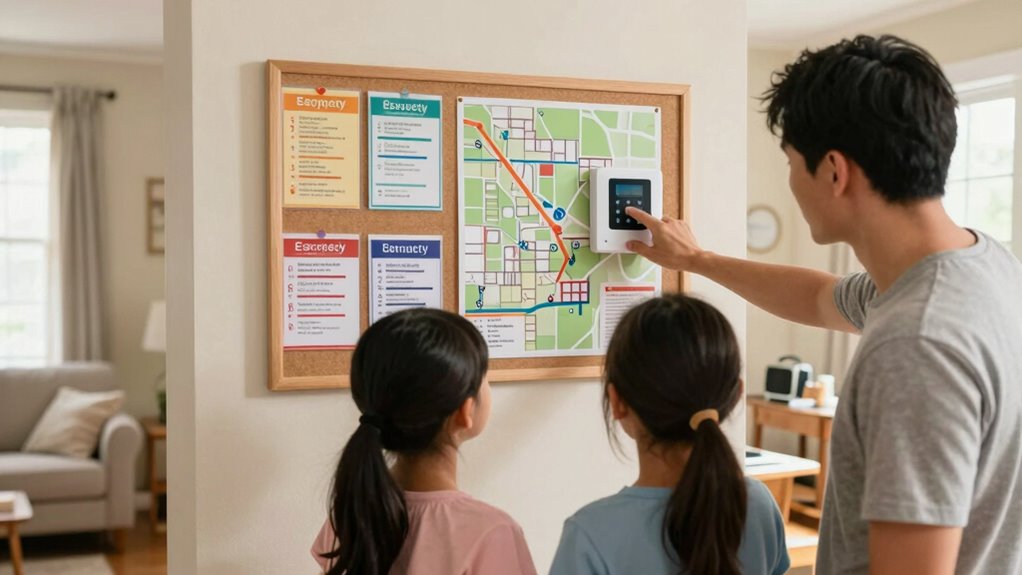
Having an alarm response plan is essential because it guarantees your family knows exactly what to do during an emergency. When everyone understands fire safety procedures, such as how to evacuate quickly and safely, you reduce confusion and panic. A well-designed plan also strengthens home security by establishing clear roles and communication methods, helping to prevent break-ins or respond effectively if they occur. Knowing where to meet outside the home ensures everyone stays safe and accounted for. Practicing the plan regularly helps reinforce safety habits and familiarity with emergency preparedness procedures, ensuring everyone remains confident and prepared. Creating a calm, organized environment during emergencies can significantly reduce stress and chaos, making it easier for your family to follow the plan efficiently. Incorporating smart home security technology can enhance your response and provide real-time alerts, further improving your safety measures. Understanding home security systems helps you choose the right tools to protect your family effectively. Ultimately, this preparedness creates a safer environment, giving your family peace of mind and reducing the risk of injury or damage during unexpected events.
How to Identify Common Emergency Scenarios (Fire, Natural Disasters, Break-ins)

Understanding the most common emergency scenarios helps you prepare effectively and respond quickly when needed. Fire safety is essential, so recognize signs of fire hazards in your home, like faulty wiring or unattended flames. Know how to respond to natural disasters by understanding your area’s risks—floods, earthquakes, or hurricanes—and plan accordingly. Natural disaster preparedness involves having supplies ready and knowing evacuation routes. Break-ins are another critical scenario; secure doors and windows and establish a safety plan if intruders enter. Identifying these emergencies allows you to tailor your alarm response plan, ensuring everyone knows what to do during each situation. Being proactive about these common emergencies helps you protect your family and minimize potential harm. Additionally, understanding contrast ratio and how it affects your home theater setup can help you create a more comfortable and effective environment for family safety and relaxation. To further enhance your safety measures, consider home security system options that integrate alarm responses and surveillance. Being familiar with emergency protocols can also improve your family’s overall preparedness during crises. Knowing the horsepower of electric dirt bikes can be useful if you have outdoor equipment or recreational vehicles that might be involved in certain emergencies, like power outages or natural disasters. Furthermore, practicing regular emergency drills ensures that everyone in your family remains calm and knows their roles during an actual emergency.
Choosing the Best Alarm and Notification Systems for Your Family

Choosing the right alarm and notification systems is essential for keeping your family safe. You need to contemplate different types of alarms, how notifications are delivered, and whether the systems work well together. By understanding these points, you can select the best setup to respond quickly in emergencies. To ensure seamless operation, consider how smart‑home integrations can enhance your alarm response plan and provide more reliable alerts. Additionally, evaluating systems that are compatible with your local emergency services can improve response times and coordination during urgent situations. Understanding system reliability is crucial to ensure alarms function correctly when needed. Incorporating reliable communication channels can further reduce the chances of missed alerts or delays. Being aware of privacy considerations can also help you choose systems that protect your family’s personal information while remaining effective.
Types of Alarm Systems
Selecting the right alarm system is essential for ensuring your family’s safety, and with so many options available, it’s important to understand the different types. Alarm system types vary based on technology and functionality, offering diverse security options. Wired systems connect directly to your home’s electrical system, providing reliable alerts and easy integration. Wireless systems use Wi-Fi or cellular signals, making them flexible and easy to install. Monitored systems alert a security company, offering professional response, while unmonitored systems rely on loud alarms to deter intruders. Some systems include motion detectors, door/window sensors, or cameras, allowing you to customize your security options. By understanding these types, you can select a solution that best fits your family’s needs and guarantees effective protection. Additionally, researching Lifevest Advisors can help you identify trustworthy security providers and avoid scams. Knowing the different Alarm system types can also help you choose a system that aligns with your budget and security preferences. Considering advanced security features can further enhance your home’s safety and ensure comprehensive coverage. Furthermore, evaluating the effectiveness of various systems can help you make an informed decision that provides peace of mind. It’s also helpful to explore latest technological innovations to stay updated on the most effective security options available.
Notification Methods Available
When it comes to alarm systems, the way you’re notified of a potential security breach is just as important as the alarm itself. Effective emergency communication relies on reliable notification technology to alert your family quickly. Choosing the right methods guarantees everyone stays safe and informed. Consider these options:
- Mobile alerts and push notifications
- Landline or cell phone calls
- Sirens or loud alarms
- Text messages or emails
Each method has its strengths, but prioritize systems that provide instant, clear communication during emergencies. Using multiple notification methods enhances your alarm response plan’s effectiveness, ensuring no one misses critical alerts. The goal is quick, reliable emergency communication so your family can react promptly to any threat. Additionally, understanding alarm system integration can help you coordinate multiple notification channels for optimal safety, especially when combining vintage and modern home security solutions. Implementing redundant notification methods can further improve your response plan by providing backup communication options if one system fails.
Compatibility and Integration
Effective alarm and notification systems must work seamlessly together to guarantee your family stays informed during emergencies. Ensuring security integration is vital, so all devices and systems communicate effectively. When selecting alarm systems, check for device compatibility with your existing smart home or security setup. Compatibility reduces the risk of false alarms or missed alerts. Look for systems that easily integrate with your preferred apps, sensors, and warning devices. This integration allows you to customize alerts and ensure timely notifications tailored to your family’s needs. Compatibility also simplifies system management and troubleshooting. By choosing alarm and notification systems designed to work together, you create a cohesive safety network that offers reliable, real-time responses during emergencies, giving your family peace of mind. Smart home integration ensures all components communicate effectively, enhancing overall safety and system reliability.
Creating a Family Communication and Evacuation Plan
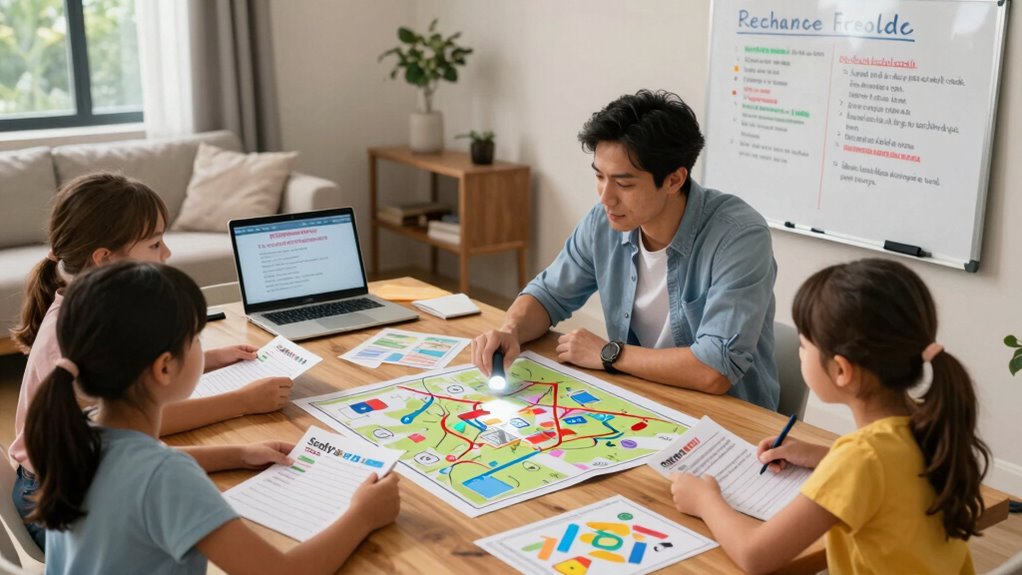
You need a clear plan for how your family will stay in touch during an emergency and where to go for safety. Establish specific communication channels everyone understands and agrees on. Make sure you have designated evacuation routes that everyone can follow quickly and safely.
Establish Clear Communication Channels
Establishing clear communication channels is essential to guaranteeing everyone knows how to stay in touch and get updates during an emergency. Good emergency communication and family messaging can prevent confusion and reduce risks. Start by choosing a primary method of contact, like cell phones or walkie-talkies. Next, create a family messaging plan with agreed-upon signals or codes. Also, assign a backup contact outside your immediate area in case local networks fail. Finally, rehearse your communication plan regularly, so everyone feels confident. Remember, clear channels help you share critical information quickly, keeping everyone safe and informed. By establishing these communication methods now, you’ll ensure your family stays connected and prepared when it matters most.
Designate Safe Evacuation Routes
Choosing and practicing safe evacuation routes is crucial for ensuring everyone can leave quickly and safely during an emergency. You should identify multiple escape routes from each area of your home, avoiding hazard areas like stairwells or kitchens. Practice these routes regularly with your family to ensure familiarity under stress. When planning, consider the shortest and safest paths to outside safe zones. Use the table below to understand how different routes serve various situations:
| Route Type | Advantage | Risks |
|---|---|---|
| Main Exit | Quickest, most direct | Blocked during fire or debris |
| Back Door | Alternative, less crowded | Closer to hazard zones |
| Windows | Emergency escape option | Higher risk, requires tools |
This planning minimizes confusion and guarantees everyone knows their safest escape.
Picking Safe Spots and Meeting Places for Your Family

Selecting safe spots and meeting places is a crucial step in guaranteeing your family’s safety during an emergency. You need designated safe zones and clear meeting points to stay organized and avoid confusion. Here are four key considerations:
- Choose a safe zone inside your home that’s away from windows and hazards.
- Select an outdoor meeting point, like a neighbor’s yard or a park, that’s easily accessible.
- Pick a secondary meeting spot in case the first is compromised.
- Guarantee everyone knows the exact location of these safe zones and meeting points.
How to Practice Drills and Make Sure Everyone Knows Their Role
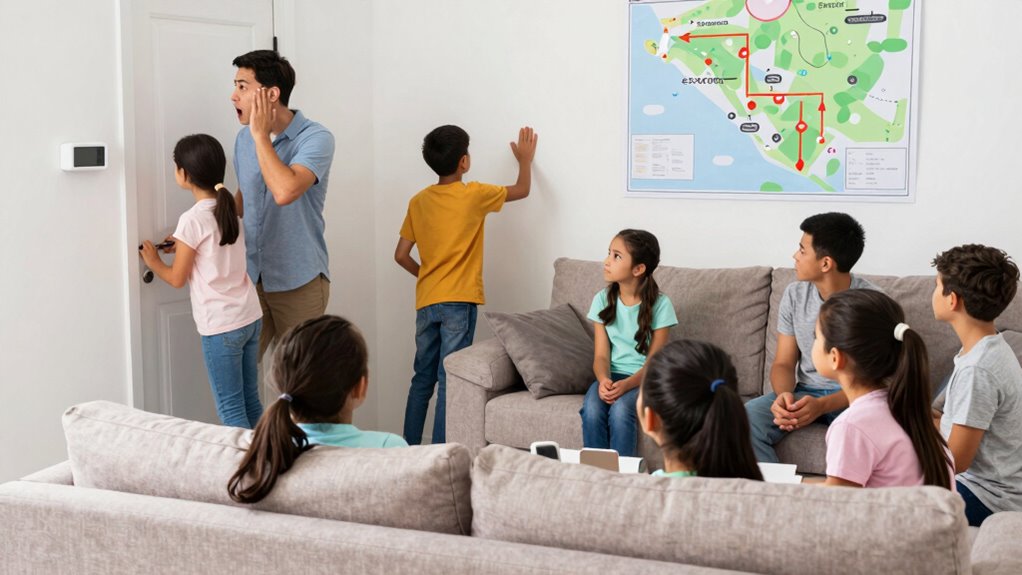
Practicing drills regularly is essential to guarantee everyone knows their role during an emergency. Consistent role rehearsal helps identify gaps and builds confidence. Set a drill frequency—monthly or quarterly—to keep skills sharp. During each session, assign specific responsibilities, such as who calls emergency services or secures the safe spot. Use the following table as a guide:
| Drill Frequency | Role Rehearsal Focus | Participants |
|---|---|---|
| Monthly | Evacuation procedures | All family members |
| Quarterly | Communication protocols | Adults and teens |
| Biannual | Safe spot and meeting point | Everyone |
| Annually | Full emergency response | Entire family |
| After significant change | Updated roles & plans | All members |
This structured approach guarantees everyone understands their role and responds swiftly when it counts.
Keeping Emergency Supplies and Contact Info Handy and Accessible
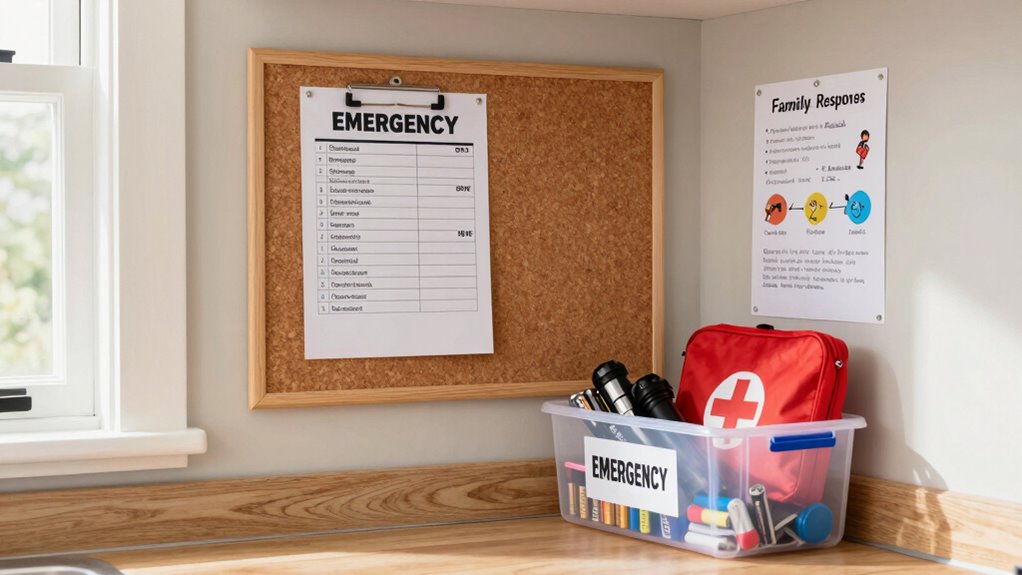
To guarantee you’re prepared for emergencies, keeping your supplies and contact information readily accessible is crucial. Your emergency kit should be in a designated, easy-to-reach spot so everyone can grab it quickly. Make sure your contact list is up-to-date and stored in multiple places, like your phone and a printed copy. Here are four key tips:
- Store your emergency kit in a waterproof container near exits.
- Keep a paper copy of your contact list in your kit and somewhere safe.
- Save important contacts in your phone with emergency labels.
- Regularly review and update both your emergency kit and contact list.
Having these essentials accessible ensures you’re ready to respond swiftly during any crisis.
Adapting Your Alarm Response Plan for Kids and Family Members With Special Needs

When adapting your alarm response plan for family members with special needs, you should focus on creating customized communication strategies that suit their abilities. Assigning specialized emergency roles guarantees everyone knows their responsibilities and can respond quickly. These adjustments help make your plan more effective and ensure all family members stay safe during an emergency.
Customized Communication Strategies
Adapting your alarm response plan to meet the needs of kids and family members with special needs is essential for ensuring their safety and reducing confusion during emergencies. Customized communication helps your family understand alerts quickly and respond appropriately. To do this effectively, consider these key strategies:
- Use visual cues or symbols alongside verbal alerts for clarity.
- Establish a family notification system, like a dedicated phone tree or alert app.
- Create personalized instructions that address specific needs or sensitivities.
- Practice communication methods regularly to build familiarity and confidence.
Specialized Emergency Roles
Creating specialized emergency roles guarantees that everyone in your family knows exactly what to do during a crisis, especially kids and members with special needs. Assigning clear family safety responsibilities guarantees that each person understands their specific tasks, reducing confusion and delays. For family members with special needs, develop tailored roles that consider their abilities and limitations, such as designating a caregiver or a communication helper. These specialized emergency roles foster confidence and ensure no one is left unsure during an emergency. Regularly practice these roles with your family so everyone feels prepared. By clearly defining and practicing these family safety responsibilities, you create a more effective alarm response plan that protects every member, regardless of their unique needs.
How to Review and Update Your Alarm Response Plan Regularly

Regularly reviewing and updating your alarm response plan guarantees it stays effective and relevant. To do this, seek family feedback after drills and real events to identify what worked and what didn’t. Keep your plan documentation current by noting any changes or improvements. Consider these key steps:
- Schedule reviews at least twice a year.
- Gather input from all family members about their experiences.
- Test your plan through practice drills and make adjustments.
- Record updates clearly in your plan documentation.
Tips for Explaining and Teaching Your Alarm Response Plan to Everyone
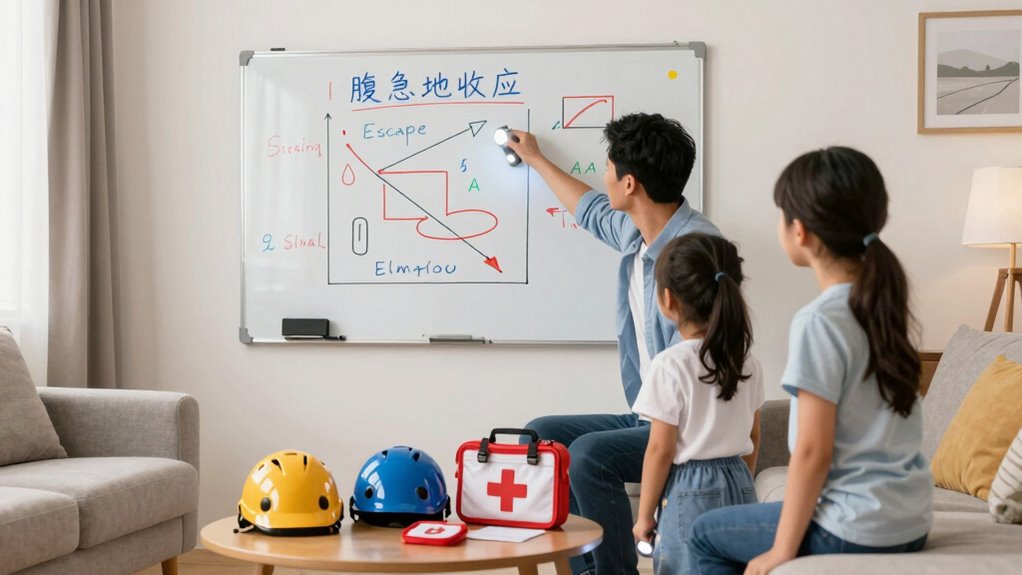
Once you’ve reviewed and updated your alarm response plan, it’s important to make sure everyone understands it clearly. Address cultural considerations and language barriers by explaining the plan in simple terms and using visual aids or demonstrations. Encourage questions to confirm understanding. Tailor your explanations to each person’s background, avoiding assumptions. Use clear, concise language and consider multilingual resources if needed. To make it easier, you can organize your teaching approach like this:
| Step | Tip | Example |
|---|---|---|
| Communicate Clearly | Use simple language and visuals | Diagrams of alarm sounds |
| Address Barriers | Be aware of cultural differences and language gaps | Use translation apps or interpreters |
| Practice Regularly | Reinforce understanding through drills | Family fire drills |
Frequently Asked Questions
How Often Should I Review and Update My Alarm Response Plan?
You should review and update your alarm response plan at least every six months. Routine reviews help you identify any changes in your family’s schedule or home setup, ensuring your plan stays effective. Don’t wait too long—plan updates should be made promptly if there are any significant changes, such as new family members or new alarm systems. Regularly practicing your plan also helps everyone stay prepared and aware.
What Are Cost-Effective Alarm System Options for Families?
Think of choosing an alarm system like assembling a sturdy, affordable fortress. You can explore DIY alarm systems that are budget-friendly and easy to install, giving you peace of mind without breaking the bank. Look for options with essential features, like door/window sensors and mobile alerts, to keep your family safe. These cost-effective solutions let you create a reliable security shield that’s both practical and affordable.
How Can I Involve Children in Emergency Preparedness?
You can involve children in emergency preparedness by teaching them about child safety in simple, age-appropriate ways. Practice family drills together regularly, making them fun and engaging so kids stay attentive. Encourage questions and listen to their concerns, fostering confidence. This active involvement helps children understand their role, reduces panic, and makes your entire family better prepared to respond calmly and effectively during emergencies.
What Common Mistakes Should I Avoid When Creating an Alarm Plan?
When creating your alarm plan, avoid common safety mistakes like neglecting clear communication, not practicing the plan regularly, or overlooking specific needs of children and pets. Don’t assume everyone knows what to do—write down instructions and make sure everyone understands. You also want to avoid delaying responses or ignoring potential hazards. By carefully planning and practicing, you minimize safety mistakes and ensure your family stays prepared during emergencies.
How Do I Coordinate With Neighbors During Emergencies?
You should establish clear neighborhood communication channels, like group chats or meetings, to coordinate effectively during emergencies. Share emergency contacts with neighbors so everyone knows who to reach out to quickly. Practice your plan together, ensuring each person understands their role. By maintaining open communication and sharing contacts, you create a strong support network that helps respond swiftly and efficiently in any emergency situation.
Conclusion
Remember, having a solid alarm response plan isn’t just about safety—it’s about peace of mind. Coincidentally, the moments you spend creating and practicing your plan now can be the difference between chaos and calm during an emergency. By staying prepared and regularly updating your plan, you’ll find that safety becomes second nature. After all, a little planning today can make all the difference tomorrow when it really counts.