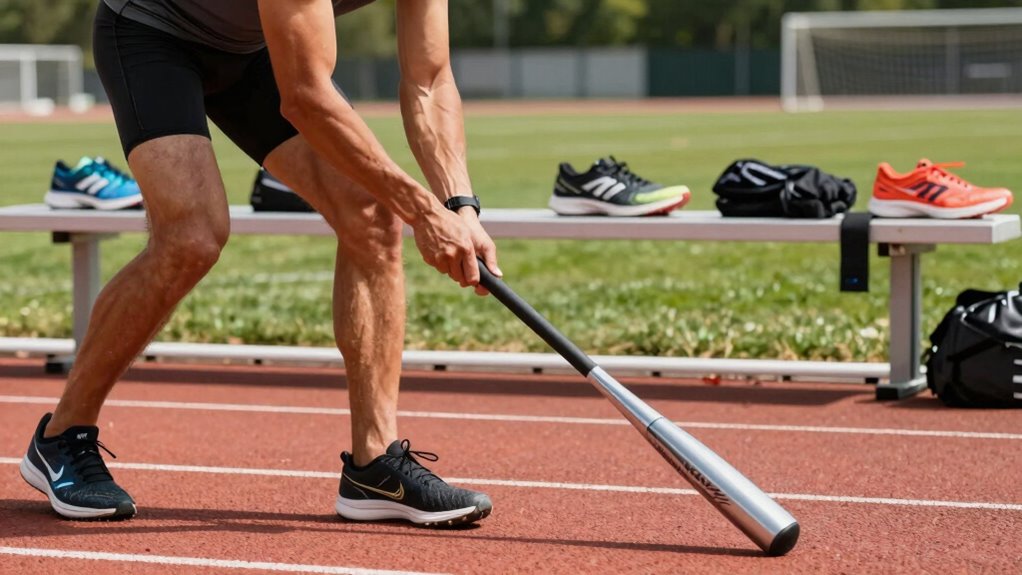

Both training and equipment are essential because they complement each other to improve your performance. Good skills help you use your gear effectively, while high-quality equipment boosts precision, control, and efficiency. Neglecting one can limit your progress or cause setbacks. Balancing skill development with proper maintenance and upgrades creates a stronger foundation for success. To open your full potential, understanding how these elements work together is key—so keep exploring how to optimize both.

Get privacy and security gear delivered free with Prime
- Fast, free delivery on millions of items
- Prime Video, Amazon Music and more included
- Member-only deals all year
Key Takeaways
- Skills enable effective use of equipment, maximizing its benefits and reducing errors during tasks.
- High-quality gear improves precision, control, and safety, supporting better training outcomes.
- Regular maintenance and calibration ensure equipment reliability and longevity, enhancing overall performance.
- Combining skill development with proper equipment use builds confidence and consistent results.
- Balancing training and gear upgrades prevents setbacks, optimizes efficiency, and fosters continuous improvement.
Products Worth Considering

Ring Alarm 14-Piece Wireless Security System Kit

Levoit Core 400S-P Smart Air Purifier for Large Rooms

Philips Hue Bridge Pro Smart Lighting Hub
As an affiliate, we earn on qualifying purchases.
Why Skills and Equipment Are Both Key to Success
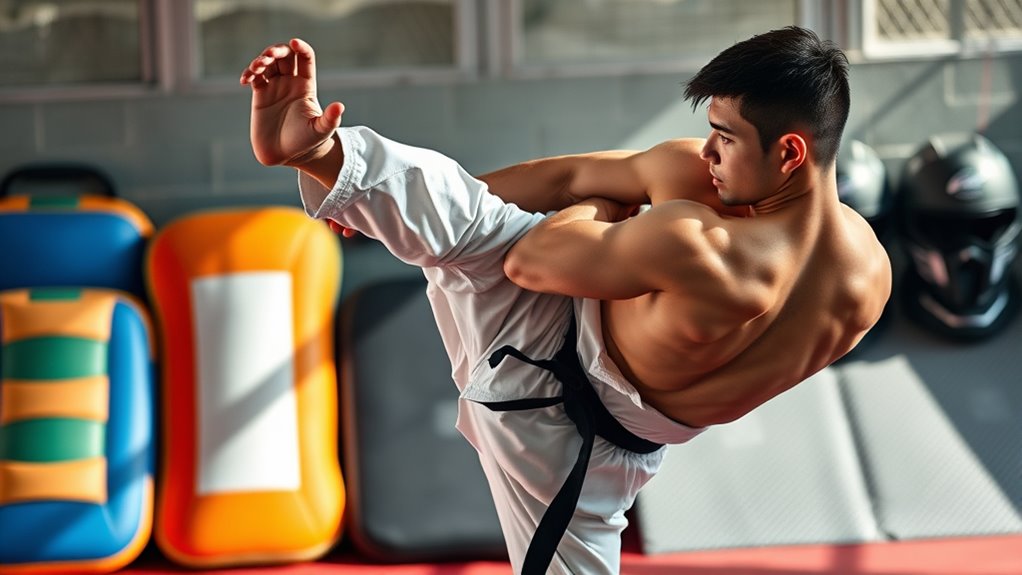
While having the right equipment is important, your skills ultimately determine how effectively you can use it. Developing a strong training mindset means consistently practicing and refining your abilities, which enhances your overall performance. Proper equipment maintenance is equally crucial, as well-maintained gear ensures safety and reliability, preventing setbacks. When you focus on both skill development and equipment upkeep, you maximize your potential. A positive training mindset helps you stay motivated and open to learning, making it easier to adapt and improve. Remember, even the best gear won’t help if you lack the skills to operate it efficiently. Emphasizing the importance of maintenance routines and other technical specifications can significantly impact your understanding of equipment capabilities. Additionally, understanding aviation regulations is vital for ensuring compliance and safety in your operations. Incorporating regular training sessions can help keep your skills sharp and adapt to evolving standards. Balancing the effort you put into honing your skills with equipment upkeep creates a solid foundation for success.
How Training Builds Confidence, Mastery, and Performance
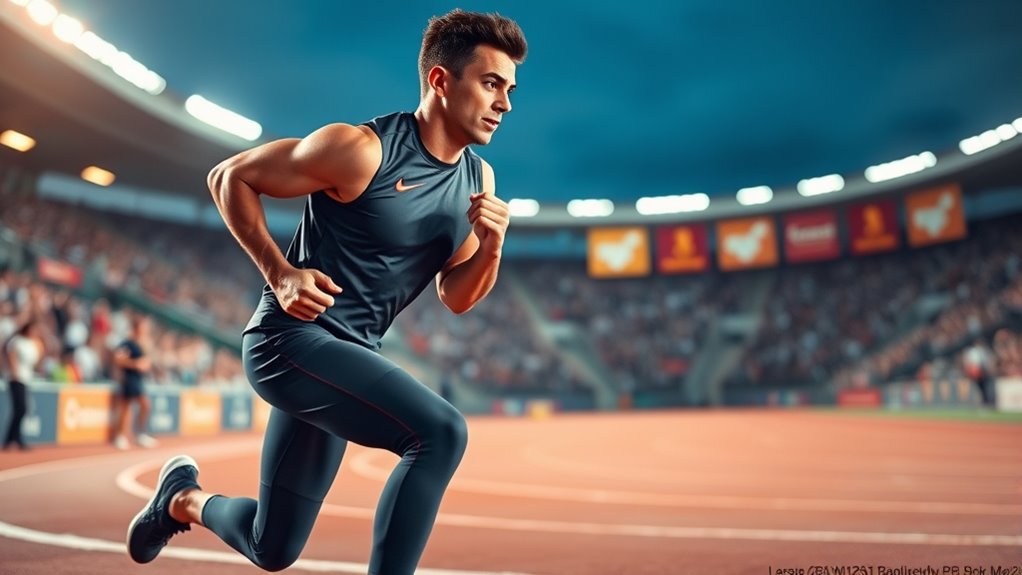
Consistent training empowers you to build confidence, master your skills, and enhance your overall performance. When you regularly practice, you develop mental resilience, enabling you to stay composed under pressure and adapt to challenges. Training also sharpens your understanding of teamwork dynamics, helping you communicate effectively and rely on others when needed. As your skills improve, your confidence grows, allowing you to approach tasks with assurance and reduce self-doubt. This process reinforces a positive feedback loop: mastery leads to better performance, which further boosts your confidence. Over time, your consistent effort solidifies your abilities, making you more resilient in high-stakes situations. Additionally, understanding the specific paint application techniques and equipment maintenance routines, such as proper tip selection and filter use, is crucial for achieving professional results. Recognizing the importance of training for technical mastery ensures that your skills stay current and effective. Proper tool handling practices further contribute to safety and efficiency on the job. Engaging in ongoing skill development can also help you stay updated with new tools and techniques, ultimately enhancing your expertise. Ultimately, training not only hones your technical skills but also fosters mental resilience and cultivates the mindset necessary for sustained success.
How Quality Equipment Boosts Your Results and Efficiency
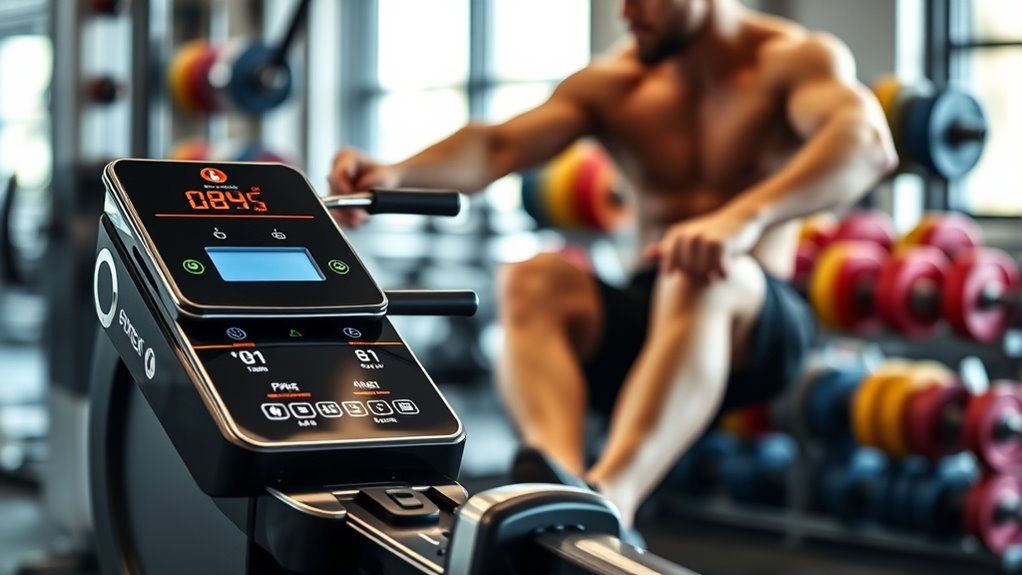
Using high-quality equipment gives you better precision and control, helping you perform tasks more effectively. It also tends to be more durable and reliable, so you spend less time repairing or replacing gear. When your tools are first-rate, your results and efficiency naturally improve. Additionally, choosing reputable providers ensures access to trusted customer support, which can assist you in maintaining and optimizing your equipment. By choosing reliable tools, you reduce the likelihood of errors caused by equipment failure, further enhancing your overall performance. Incorporating proper maintenance practices can also extend the lifespan of your equipment, ensuring consistent performance over time. Moreover, understanding the importance of wave and wind conditions can help you select equipment better suited to specific environments, improving your overall success. Furthermore, integrating effective sound therapy techniques can optimize the outcomes of your auditory interventions.
Enhanced Precision and Control
High-quality equipment considerably enhances your ability to achieve precise and controlled results. With better grip stability, you can maintain a firm hold, reducing slips and improving your overall accuracy. This stability translates directly into improved aiming accuracy, allowing you to target with confidence and consistency. When your equipment is designed for maximum control, you can make subtle adjustments more effectively, resulting in smoother, more deliberate movements. This heightened precision minimizes errors and maximizes your performance, whether you’re practicing a sport, using tools, or working on detailed projects. Essentially, investing in top-tier equipment gives you the mechanical advantage needed to refine your skills and execute your tasks with greater accuracy and control. For optimal results, understanding equipment ergonomics can help you select tools that fit comfortably and operate more precisely. Additionally, considering user comfort can significantly impact your ability to maintain control over extended periods of use, especially when working with precision tools. Incorporating proper technique alongside quality equipment further amplifies your efficiency and results. Recognizing the importance of equipment maintenance ensures your tools remain in optimal condition, which directly affects your control and accuracy.
Increased Durability and Reliability
When your equipment is built to last, you’ll notice fewer interruptions and less downtime during your tasks. Sturdy equipment, especially wearable technology, withstands regular use and challenging conditions, ensuring consistent performance. Proper maintenance routines extend its lifespan, reducing costly repairs and replacements. High-quality gear boosts reliability, so you can focus on your work rather than troubleshooting. Consider this table:
| Feature | Benefit | Example |
|---|---|---|
| Rugged construction | Longer lifespan | Wearable sensors that last years |
| Low maintenance | Less time spent on upkeep | Self-calibrating devices |
| Reliable performance | Fewer failures and errors | Consistent data collection |
| Resistance to wear | Maintains accuracy over time | Durable fitness trackers |
| Cost savings | Reduced replacement expenses | Investment in quality gear |
Investing in durable equipment ensures efficiency and enhances your results, especially when paired with quality water filtration systems that deliver consistent, high-quality water. Additionally, selecting equipment with odor resistance can help maintain a cleaner and more hygienic environment, reducing the likelihood of odors and related issues. Incorporating regular inspection and upkeep practices further ensures your gear remains dependable over the long term.
When to Focus on Training Versus Upgrading Your Gear
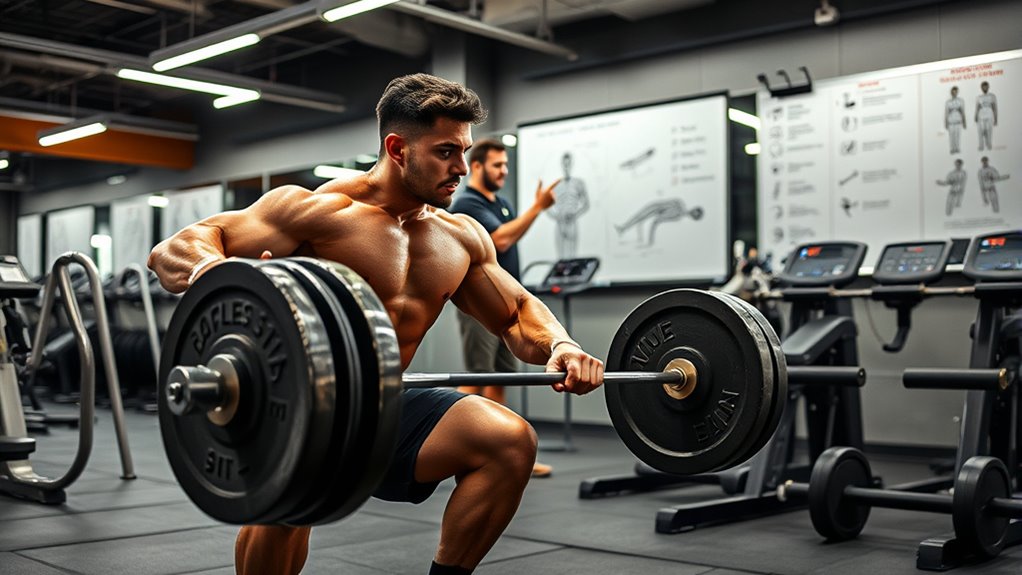
Deciding whether to focus on training or upgrading your gear depends on your current skill level and goals. If you’re new or still mastering basic techniques, investing in training should take priority. Improving your skills builds a solid foundation before relying on high-end equipment. However, if your gear is outdated or uncomfortable, especially with poor ergonomic design, upgrading can boost performance and reduce injury risks. Consider the brand reputation—trustworthy brands often offer equipment that complements your skill development. When your technique stalls despite good training, upgrading your gear makes sense. Ultimately, balance is key: focus on training to develop skills first, then enhance your setup with quality gear that supports your progress. Recognize when a gear upgrade or more training will yield the best results.
How Proper Equipment Supports Your Skill Development

Using the right equipment helps improve your technique accuracy and consistency. It also prevents failures that could derail your progress or cause injuries. Plus, quality gear naturally boosts your confidence, encouraging you to push your limits.
Enhances Technique Precision
Proper equipment plays a essential role in sharpening your technique, as it provides the necessary feedback and control to refine your movements. When you use the right gear, you can focus on techniques refinement without distraction, making small adjustments that lead to lasting improvements. Accurate equipment ensures your actions are consistent, allowing you to identify errors and correct them efficiently. This consistency boosts your confidence and helps you develop muscle memory faster. By supporting precise movements, proper gear directly contributes to accuracy improvement, which is crucial for mastering complex skills. When your equipment aligns with your goals, it becomes a reliable partner in your training, helping you achieve cleaner, more precise techniques every time you practice.
Prevents Equipment Failures
When your equipment is well-maintained and suited to your training needs, it helps prevent failures that can disrupt your progress. Regular preventive maintenance ensures that your gear stays in excellent condition, reducing unexpected breakdowns. Equipment calibration is vital, as it guarantees accuracy and consistency, preventing errors caused by misaligned or faulty tools. By staying on top of these tasks, you minimize downtime and avoid setbacks that could hinder your skill development. Properly maintained equipment also extends its lifespan, saving you money and ensuring reliability over time. When you prioritize preventive maintenance and calibration, you’re not only protecting your investment but also creating a safer, more efficient training environment that keeps you focused on improving your skills without interruptions.
Boosts Confidence Levels
Having the right equipment in excellent condition instantly boosts your confidence because you trust that your tools will perform as expected. When your gear is reliable, you feel more prepared to tackle challenges, strengthening your mental resilience. Proper equipment also enhances teamwork dynamics; everyone can focus on skills rather than worrying about malfunctions. This shared confidence helps your team stay calm and focused under pressure. Use this table to see how equipment impacts confidence:
| Equipment Quality | Mental Resilience | Teamwork Dynamics |
|---|---|---|
| Reliable tools | Reduces stress | Builds trust |
| Proper maintenance | Boosts focus | Encourages cooperation |
| Updated gear | Enhances motivation | Fosters communication |
Common Mistakes: Overlooking Training or Equipment
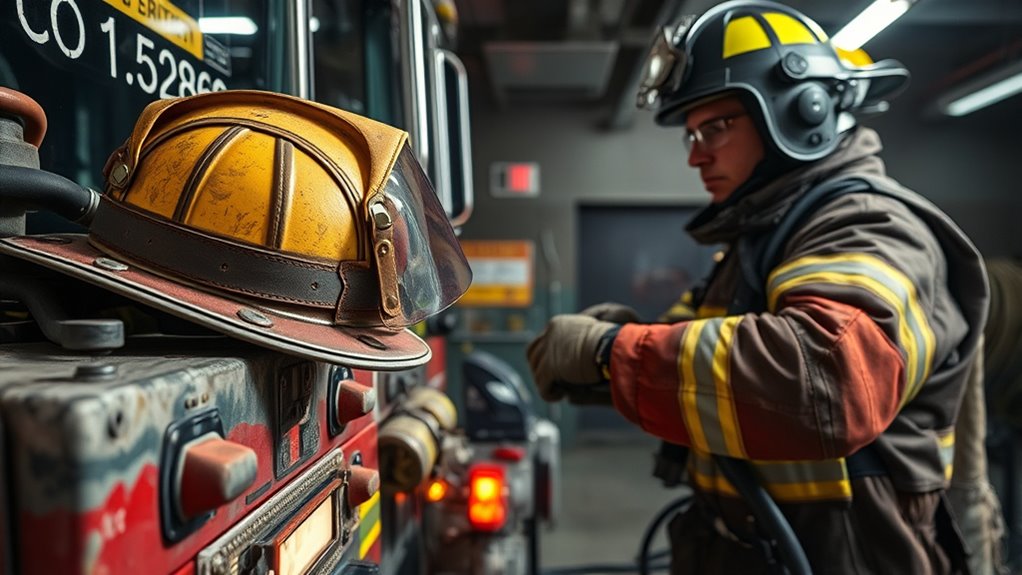
Many people make the mistake of focusing solely on equipment or training, assuming that one alone will guarantee success. This overconfidence pitfalls often lead to neglecting basics, which are vital regardless of your gear. You might invest heavily in the latest equipment, thinking it’ll carry you through, but if you overlook proper training, your skills won’t develop. Conversely, focusing only on training without the right tools can limit your progress and cause frustration. Neglecting either aspect hampers your growth and can lead to setbacks. It’s tempting to believe that success depends on just one factor, but in reality, neglecting the fundamentals—whether skill or gear—limits your potential. Balancing both is essential to avoid costly mistakes and maximize performance.
Success Stories: How Combining Skills and Gear Leads to Results

Success in any skill-based pursuit often hinges on more than just mastering techniques or acquiring top-tier equipment; it’s about how well you combine the two. When you prioritize team collaboration, you create a synergy that enhances both skill development and safety procedures. For example, in a rescue operation, skilled teamwork ensures everyone understands their role, while the right gear supports effective and safe actions. These success stories show that blending expertise with quality equipment results in better outcomes, whether in sports, work, or outdoor adventures. You’ll find that when you train with both in mind, you’re more adaptable, confident, and prepared for challenges. Ultimately, integrating skills and gear fosters efficiency and reinforces safety, leading to tangible results.
Practical Tips for Balancing Skill Building and Equipment Upgrades
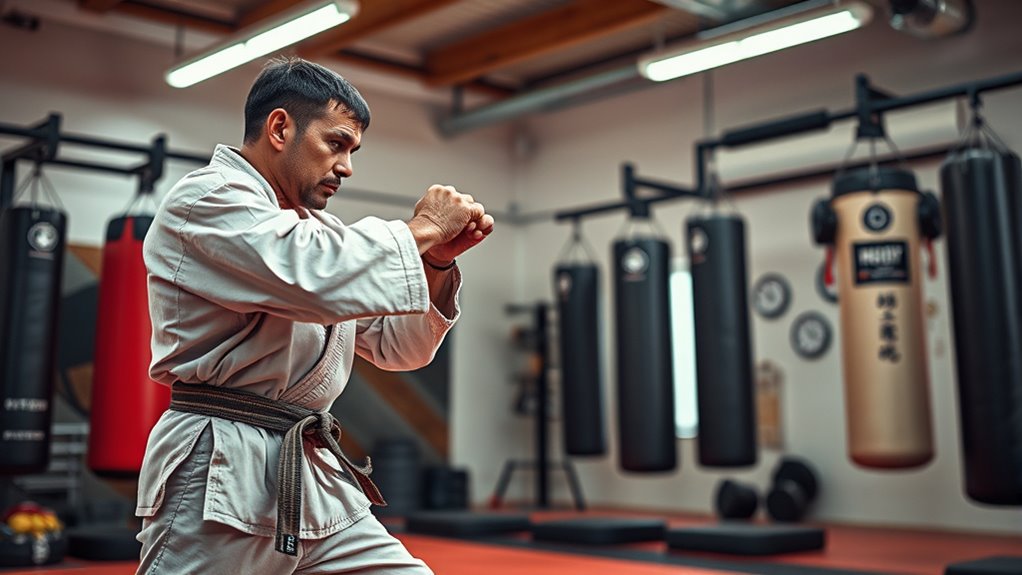
Balancing skill building and equipment upgrades requires intentional planning to guarantee neither aspect outpaces the other. To achieve this, focus on smart budget planning to allocate funds effectively, ensuring consistent investment in both areas. Prioritize maintenance routines to prolong equipment lifespan and avoid unnecessary expenses, freeing up resources for skill development. Regularly assess your progress so you don’t neglect either aspect, adjusting your plans as needed. Remember, upgrading equipment without improving skills won’t maximize results, and honing skills without proper gear limits your potential. Keeping a balanced approach ensures continuous growth and efficiency.
- Set clear, achievable goals for both skill and gear improvements
- Track your spending and maintenance schedules to stay on course
- Reassess your priorities periodically to adapt to evolving needs
How to Assess Your Needs and Make Smarter Investment Choices

How do you determine which equipment upgrades or skill enhancements will give you the most value? Start by conducting a thorough cost analysis to compare potential benefits against expenses. Identify the specific needs of your team or operation, considering how each investment improves efficiency or safety. When evaluating options, focus on supplier selection—choose vendors with proven reliability, quality, and competitive pricing. Prioritize upgrades that align with your long-term goals and address current gaps. Avoid impulse purchases by analyzing the return on investment for each option. Balancing your budget with real needs ensures smarter investment choices. Remember, both training and equipment matter, but making informed decisions helps you maximize value and stay ahead in your field.
Frequently Asked Questions
How Do I Determine When to Prioritize Training Over Equipment Upgrades?
You should prioritize training over equipment upgrades when a cost benefit analysis shows that improving skills reduces risks and enhances performance more effectively than new gear. Conduct a risk assessment to identify gaps in knowledge or procedures that could cause issues. If training addresses these risks and boosts productivity at a lower cost, it’s the better investment. Remember, well-trained staff maximize equipment potential and minimize costly errors.
Can Poor Equipment Negate the Benefits of Proper Training?
Poor equipment can indeed negate the benefits of proper training if it lacks durability or reliability. Even with consistent training, subpar equipment hampers performance, increases risk of injury, and reduces efficiency. To maximize results, you need both quality equipment and ongoing training. When equipment frequently malfunctions or wears out quickly, it’s a clear sign you should invest in better durability while maintaining your training consistency for ideal outcomes.
What Role Does Maintenance Play in Maximizing Equipment Effectiveness?
Maintenance plays a vital role in maximizing equipment effectiveness by ensuring it operates efficiently and reliably. You should perform preventive maintenance regularly to catch issues early, reducing downtime and extending the equipment’s lifecycle. Proper maintenance keeps equipment in top condition, preventing costly repairs and ensuring consistent performance. By prioritizing maintenance, you’ll get the most out of your equipment, ultimately supporting your overall productivity and operational success.
How Do Individual Skill Levels Influence Equipment Choices?
Like a master craftsman choosing tools, your skill assessment guides your equipment selection. If your skills are sharp, you can handle advanced machinery that boosts productivity. Conversely, if you’re still honing your abilities, simpler equipment guarantees safety and efficiency. Your skill levels directly influence your choices, helping you match the right tools to your expertise. This approach maximizes effectiveness, minimizes risks, and keeps operations running smoothly.
Are There Specific Industries Where Equipment Matters More Than Skills?
In skill-dependent sectors like healthcare or manufacturing, equipment choices are essential, but industry-specific tools often matter even more. You need specialized equipment to meet safety standards or precision requirements, regardless of your skill level. In these industries, having the right tools guarantees safety, efficiency, and quality. While training is critical, the right equipment can sometimes be the defining factor for success, especially when industry-specific tools are involved.
Conclusion
Remember, success isn’t just about the tools you use or the skills you develop—it’s about harmonizing both. Think of your journey as a symphony, where training is the melody and equipment the harmony. When you invest wisely in both, you create a powerful synergy that propels you forward. So, don’t wait for the perfect gear or flawless skills—start blending them today and watch your results resonate with strength and confidence.