
To choose safe locations in your home that make sense, focus on accessible, well-lit areas with clear exits for emergencies. Place essential items like fire extinguishers, emergency kits, and valuables in spots that are easy to reach and less vulnerable to hazards. Avoid high-traffic or cluttered zones, and consider kid-proofing storage for toys and chemicals. For more tips on organizing your space thoughtfully, continue exploring ways to keep your home safe and functional.
Key Takeaways
- Select high-traffic areas close to exits for quick evacuation during emergencies.
- Prioritize quiet, accessible spaces for safe hiding and refuge.
- Ensure emergency exits are well-lit, unobstructed, and easy to reach from any room.
- Place safety and emergency gear in visible, organized spots near main entry points.
- Avoid cluttered or unstable zones; choose stable, well-ventilated locations with clear sightlines.
Why Safe Home Locations Matter for Your Family’s Safety
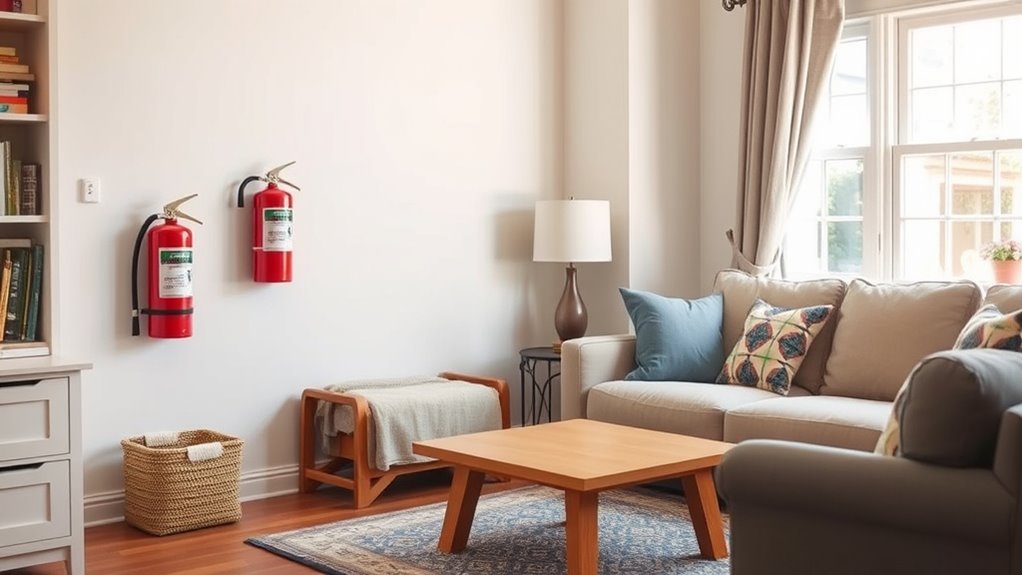
Choosing the right locations in your home is essential because it directly impacts your family’s safety during emergencies. When you select secure spots, you enhance your overall home security and improve emergency preparedness. Safe locations provide a refuge where everyone can gather quickly and stay protected, whether during a natural disaster or an intruder alert. Properly chosen spots minimize the risk of injury and help you stay organized when time is critical. Knowing where to go keeps panic at bay and ensures you’re ready to act fast. Incorporating modern safety features into your safe locations can further increase your home’s resilience and security. Additionally, understanding the importance of safe location selection helps you create a more organized and effective emergency plan. Recognizing the role of contrast ratio in visual clarity can aid in designing safer environments with clear visibility and signage. Furthermore, selecting locations with appropriate lighting and signage can significantly improve safety and response times in critical moments. Being aware of field‑of‑view considerations when choosing safe spots can help ensure all family members can quickly locate and reach these areas. By understanding the importance of safe locations, you create a safer environment for your family and boost your confidence in handling unexpected situations efficiently. Making thoughtful choices now can save lives later.
How to Assess Your Home’s Layout for Safe Spots

Evaluating your home’s layout is a practical step toward identifying the best safe spots. Start by considering areas where you spend the most time and look for quiet, accessible spaces. Think about how your home decor and furniture placement influence safety. Rearrange or renovate tips can help optimize these spots for emergencies. Use this simple table to assess potential locations:
| Location | Pros | Cons |
|---|---|---|
| Basement | Quiet, out of main traffic | Low visibility, access issues |
| Closet under stairs | Compact, hidden from view | Limited space, ventilation |
| Living room corner | Central, easy to reach in emergencies | Possible clutter, distractions |
Additionally, consider home safety features such as proper lighting and clear exits to enhance safety in these spots. Incorporating safety assessments into your home planning ensures these locations remain practical and secure during emergencies. Recognizing the importance of home safety can help you better prepare your environment for unexpected situations. For example, implementing fire-resistant materials in key areas can provide added protection during emergencies.
Choosing Kid-Friendly Places for Toys and Chemicals

Since children are naturally curious, establishing specific, kid-friendly spots for toys and chemicals is vital. Designate easy-to-reach toy storage areas that encourage independence but keep toys organized. Use high shelves or locked cabinets for chemical safety, ensuring hazardous substances are out of their reach. Consider creating a dedicated play zone that’s safe and contained, reducing clutter elsewhere. This approach minimizes the risk of accidents and promotes responsible play. Incorporating safe storage solutions can further enhance safety by preventing accidental spills or ingestion. Additionally, understanding youngster choice helps in selecting appropriate storage options that suit children’s developmental stages and preferences. Implementing layer concepts in your home organization can optimize the placement of different items, ensuring safety and accessibility. Being aware of common non-halal ingredients in household items can also guide you in choosing safer, compliant products for your family.
Where to Store Important Documents and Valuables Safely
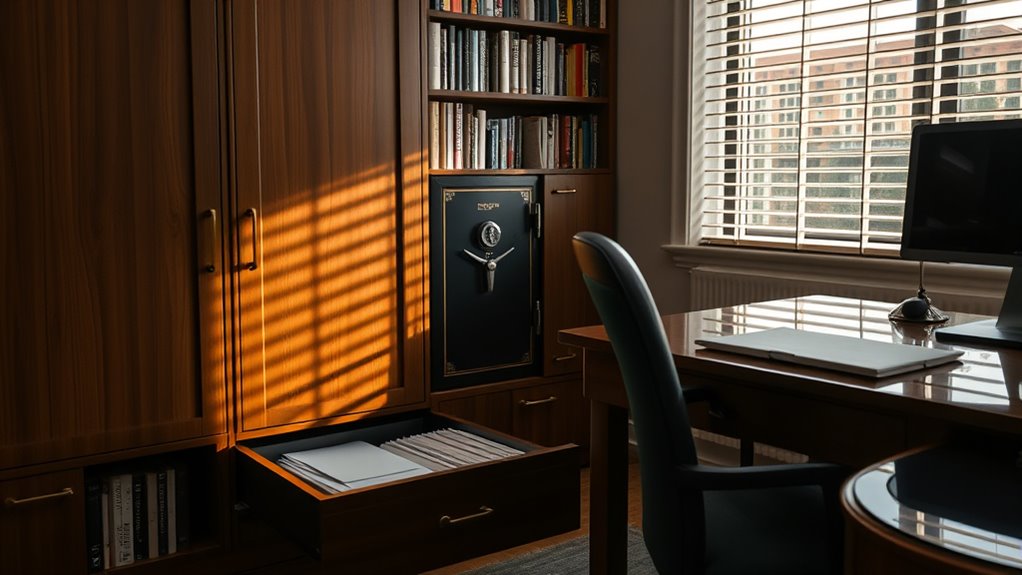
To keep your important documents and valuables safe, consider hiding them in discreet spots around your home or using a fireproof lockbox. You might also store them in high placement areas that are less accessible to children or intruders. Choosing the right location helps protect your belongings while keeping them easy to access when needed. Additionally, consider fire-resistant storage solutions to further enhance safety against potential hazards. Incorporating proper ventilation in storage areas can help prevent moisture buildup and protect sensitive items from damage. Proper load planning can ensure your storage spaces remain secure and accessible during emergencies, especially when considering storage space organization for optimal safety and efficiency.
Discreet Hidden Spots
Finding a discreet spot to hide your important documents and valuables is essential for maintaining privacy and security. Hidden compartments and secret drawers blend seamlessly into your home, making it harder for intruders to find your assets. You can use false backs in bookshelves or hollowed-out spaces behind wall panels to create effective hiding spots. These options keep your valuables out of sight while remaining accessible when needed. Utilizing necessary cookies ensures your security measures function properly without compromising user experience. Consider these key points: – Use hidden compartments integrated into furniture or walls – Opt for secret drawers disguised as ordinary objects – Avoid obvious hiding spots like under mattresses or in plain sight – Regularly change your hiding locations for added security. Incorporating safe setup procedures into your storage strategies can further enhance security. Choosing clever, concealed storage ensures your valuables stay protected without compromising your home’s aesthetics.
Fireproof Lockboxes
A fireproof lockbox provides a reliable way to safeguard your important documents and valuables from fire damage. These fireproof lockboxes are designed for secure storage, giving you peace of mind that your essential papers, jewelry, or cash are safe during emergencies. Choose a lockbox with a high fire rating and sturdy construction to maximize protection. Keep it in a location that’s easily accessible in case of emergency but not obvious to intruders. While a fireproof lockbox is excellent for safeguarding valuables, avoid placing it near potential hazards like heating vents or fireplaces. Regularly check the lock’s functionality and replace the box if it shows signs of wear. Proper storage in a fireproof lockbox ensures your valuables are protected when it matters most. Additionally, understanding dark psychology tactics can help you identify and defend against manipulation attempts that could compromise your safety or security. Incorporating navigation and mapping knowledge from household robots can also assist in selecting optimal storage locations that are both secure and accessible. Ensuring your lockbox is placed in a secure and discreet spot can further enhance its effectiveness and reduce the risk of theft.
High Placement Areas
Placing important documents and valuables in high, out-of-reach areas can add an extra layer of security, especially from curious children or potential burglars. Use smart storage solutions like hidden compartments or wall safes installed in less obvious spots. Consider decorating tips that blend security with aesthetics—such as designing a bookshelf or decorative cabinet to conceal valuables. Remember, the key is to select locations that aren’t easily guessed but remain accessible when needed. Think about places like attic storage, high kitchen cabinets, or above ceiling tiles. These spots keep your essentials safe while avoiding clutter. By combining thoughtful storage solutions with clever decorating tips, you ensure your valuables stay protected without sacrificing style or convenience.
How to Pick a Safe, Quiet Spot for Your Home Office
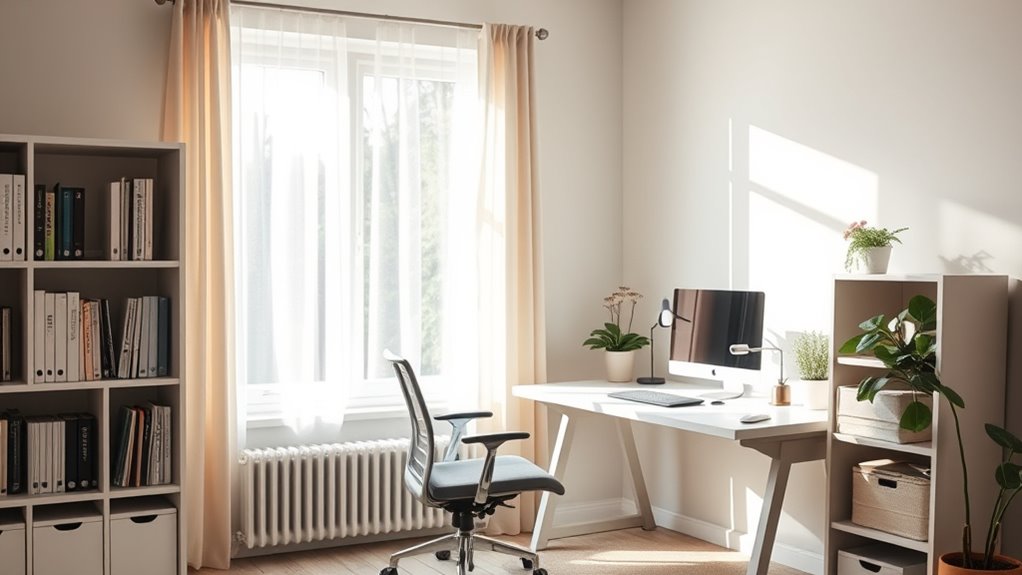
When choosing a spot for your home office, prioritize a location that offers both safety and tranquility. Look for a space away from household noise and high-traffic areas to minimize distractions. An ideal spot has good natural light and proper ventilation, creating a comfortable environment. Focus on creating an ergonomic setup with the right desk and chair height to avoid strain. Keep your tech organized, with cords tucked away and devices within easy reach, reducing clutter and hazards. Avoid placing your office near unsecured windows or heavy furniture that could tip over. A quiet, stable space ensures you can work efficiently while maintaining safety. Taking these steps helps you establish a productive, secure home office environment.
Where to Place Fire Extinguishers and Emergency Gear

Choosing a safe, quiet spot for your home office helps you stay focused and productive, but it’s equally important to consider safety measures throughout your home. Proper placement of fire extinguishers, especially considering different fire extinguisher types, ensures quick access during emergencies. Keep emergency kit contents in accessible locations near exits, so you’re prepared for various situations. Consider placing fire extinguishers in high-risk areas like the kitchen and garage, and ensure they’re visible and easy to reach. Your emergency gear should be stored in designated spots that are free of clutter and clearly marked.
Ensure fire safety by placing extinguishers in visible, accessible spots near exits and high-risk areas.
- Ensure fire extinguishers are visible and near exits
- Store emergency kits where they can be quickly grabbed
- Place fire extinguishers in high-risk zones
- Keep emergency gear accessible and organized
How to Position Daily Items for Convenience and Safety
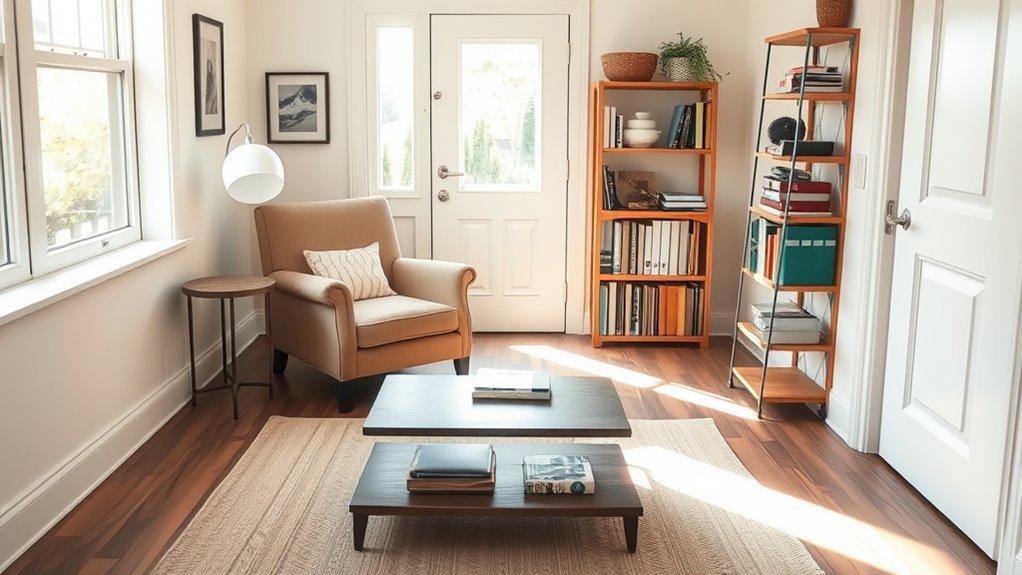
Organizing your daily items for convenience and safety makes sure you can access what you need quickly while reducing clutter and hazards. Use decorative storage to keep essentials within easy reach, yet out of sight. Place frequently used items, like keys or phones, in designated spots near entryways or bedrooms. Store cleaning supplies and hazardous materials away from children and in secure cabinets. Here’s a simple layout:
| Item Type | Ideal Location | Safety Tip |
|---|---|---|
| Keys & Wallets | Near the front door | Use hooks or small trays |
| Daily medications | Bathroom or bedside table | Keep out of children’s reach |
| Cleaning supplies | Under the sink or closet | Use childproof locks |
| Decorative storage | Living room or closet | Keep clutter contained |
| Personal electronics | Nightstand or desk | Avoid obstructing walkways |
Proper positioning streamlines daily routines and enhances safety.
Reassessing Your Home Layout to Keep It Safe and Efficient
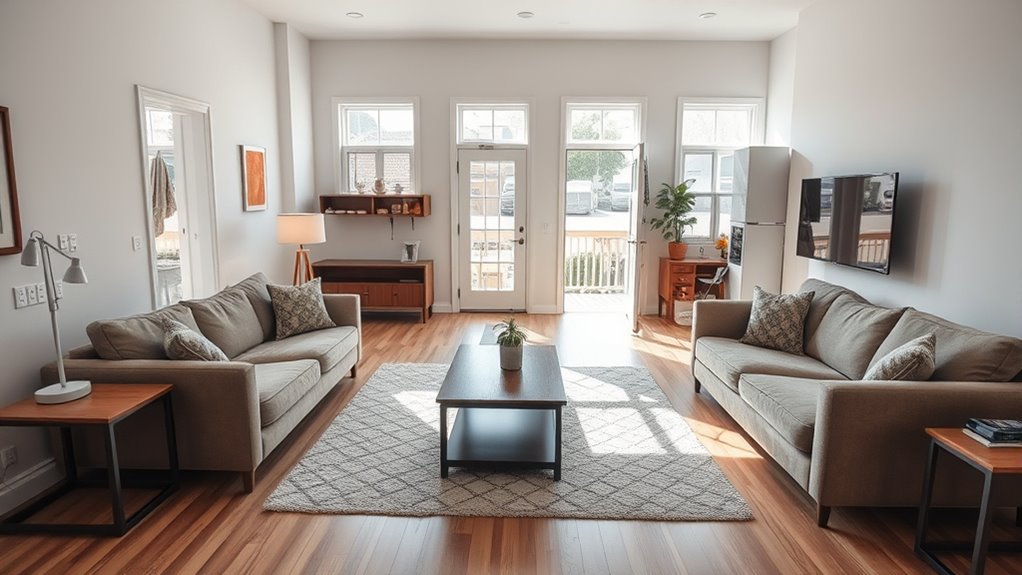
Reassessing your home layout regularly helps guarantee that your space remains safe and functions efficiently. As your needs evolve, consider integrating smart home technology to enhance safety features like automated lighting or security systems. Evaluate whether your current design promotes energy efficiency—updating insulation, appliances, or window placement can reduce costs and environmental impact. Think about traffic flow: are pathways clear and accessible? Reposition heavy furniture or clutter that could cause tripping hazards. Also, ensure emergency exits are easily reachable and well-lit. Regularly reviewing your layout allows you to identify potential safety risks and optimize for energy savings. By making thoughtful adjustments, you create a safer, more efficient home tailored to your lifestyle.
Frequently Asked Questions
How Often Should I Review My Home’s Safety Layout?
You should review your home’s safety layout during regular safety audits, ideally every six months or after any major change. Check your emergency escape routes to make sure they’re clear and accessible. Regular reviews help you spot potential hazards early and keep your family safe. Make it a routine to walk through your home, reassess safety measures, and update plans as needed to stay prepared for emergencies.
What Materials Are Safest for Home Storage Areas?
You want the safest materials for your home storage areas, so avoid anything that could turn your space into a chemical hazard disaster. Opt for fire-resistant materials like steel or concrete to prevent fires and keep dangerous substances contained. Use sealed, non-porous containers to safeguard against leaks and spills. These choices dramatically reduce risks, transforming your storage into a fortress against chemical hazards and fire emergencies.
How Can I Childproof Hidden or Hard-To-Reach Spots?
You can childproof hidden compartments and stairwell safety by installing child-proof locks on hidden compartments and regularly checking for potential hazards. Use secure covers or latches on stairwell doors and gates to prevent falls. Keep dangerous items out of reach, and ensure that hidden spaces are well-organized and free of sharp or hazardous objects. Regularly inspect these areas to uphold safety and prevent children from accessing unsafe spots.
Are There Specific Locations to Avoid for Safety Reasons?
You should definitely steer clear of hazard zones and unsafe spots in your home—these are like potential disaster zones waiting to happen. Avoid places with heavy furniture that could tip, cords that could trip, or chemicals within reach. Don’t keep valuables or sharp objects in hidden or hard-to-reach spots, as they can become accidental treasure troves for curious kids. Always prioritize open, low-traffic areas for safe play and easy supervision.
How Do I Balance Convenience With Safety in Storage Choices?
You can balance convenience with safety in storage choices by prioritizing storage organization and accessibility planning. Keep frequently used items within easy reach to avoid accidents, while storing less-used items in safer, less accessible spots. Use clear containers and labels to streamline access, and avoid high or unstable shelves. This way, you maintain convenience without compromising safety, ensuring your home remains both functional and secure.
Conclusion
By thoughtfully choosing cozy corners and well-placed spaces, you create a gentle haven where safety softly whispers. Regularly revisiting your home’s layout guarantees these peaceful spots stay in tune with your family’s needs. When you arrange your home with care and intention, you’re nurturing a warm environment that naturally guides everyone towards safety and comfort. Embrace these mindful choices, and let your home quietly support and protect your loved ones every day.