
If your phone gets stolen, quickly lock your alarm app with a strong, unique password or biometric authentication, and enable app encryption to protect your data. Use remote management features like Find My Device to locate, lock, or wipe your phone instantly. Don’t forget to notify your service provider and change your passwords right away. To learn more about keeping your alarm app secure, follow the steps below for thorough protection.
Open a free Amazon Business account
Business pricing, bulk buying and tax-exempt orders.
As an affiliate, we earn on qualifying purchases.
Key Takeaways
- Enable app lock features like PINs, fingerprint, or facial recognition for quick access control.
- Use strong, complex passwords and avoid reusing them across multiple apps.
- Regularly update the alarm app and device software for security patches.
- Activate remote management and wipe options to lock or erase the app and data immediately.
- Enable two-factor authentication (2FA) for added security of your alarm app and associated accounts.
As an affiliate, we earn on qualifying purchases.
What to Do Immediately After Your Phone Is Stolen

If your phone has been stolen, acting quickly can help minimize the damage and protect your personal information. Focus first on securing your phone security by changing passwords for your essential accounts, like email and banking apps. Contact your service provider immediately to report the theft and suspend your phone service, preventing unauthorized calls or data usage. Enable theft prevention features, such as remote location tracking or device locking, if possible. Notify your contacts that your phone was stolen to prevent scam attempts. Keep a record of the incident for reporting purposes. Remember, swift action is crucial to safeguarding your data and reducing potential harm. Taking these steps swiftly helps you regain control and prevents your personal information from falling into the wrong hands. Additionally, reviewing your device’s security settings can help reinforce protection against future threats. Staying informed about device security best practices can further enhance your safety in the long run. To better prepare for unforeseen incidents, understanding wave and wind security challenges can be beneficial.
biometric authentication app lock
As an affiliate, we earn on qualifying purchases.
As an affiliate, we earn on qualifying purchases.
How to Lock and Wipe Your Phone Remotely
You can quickly lock your phone remotely to prevent unauthorized access and protect your data. If necessary, you also have the option to wipe your phone completely to guarantee sensitive information stays safe. Making sure your app security is up to date helps keep these features reliable when you need them most. Leveraging innovative European cloud servers can further enhance your data security and ensure reliable remote management of your device. Regularly updating your security settings and understanding device encryption are essential practices to maintain your privacy. Additionally, managing your privacy preferences effectively ensures that your personal data remains protected even in unforeseen circumstances. Employing local automation features can help you set up automated responses for device security in emergencies. Staying informed about media literacy can help you recognize potential threats and respond appropriately to security issues.
Remote Lock Features
Have you ever wondered how to protect your data if your phone gets lost or stolen? Remote lock features let you do just that, giving you control even when you’re away from your device. Using biometric authentication, you can quickly verify your identity to lock your phone remotely, preventing unauthorized access. Many security apps also offer app encryption, ensuring your sensitive data stays protected even if someone bypasses the lock. These features allow you to lock your device instantly, safeguarding your personal information and alarm settings. Some apps enable you to set a new lock screen password remotely or activate a full device wipe if necessary. With remote lock options, you can act fast, maintaining control and minimizing potential data breaches when your phone falls into the wrong hands. Understanding secure app features can help you choose the best tools to protect your device effectively. Incorporating self‑defense strategies into your security plan can further enhance your protection against theft and unauthorized access. Additionally, familiarizing yourself with remote wipe capabilities can ensure you’re prepared to erase your data completely if needed. Being aware of backup options can also help you recover important information if your device is compromised. For added peace of mind, exploring advanced security settings can provide extra layers of protection against malicious attacks.
Wipe Phone Data Remotely
When your phone is lost or stolen, acting quickly to protect your data is essential. Most devices offer remote wipe options that erase all personal information, including sensitive alarm app data. Before wiping, verify your phone’s data encryption is enabled; this makes any remaining data unreadable if recovery is attempted. Check your app permissions beforehand to restrict access to sensitive features, so malicious actors can’t easily access your alarm or personal info. Using a trusted remote management service, you can initiate a complete wipe from another device or web interface. This process deletes everything, including your alarm app’s data, preventing unauthorized access. Remember, swift action minimizes data exposure and helps keep your personal information secure even if your phone falls into the wrong hands. Understanding device encryption enhances overall data security and ensures your information remains protected during such incidents. Additionally, familiarizing yourself with remote management tools can streamline the process when quick response is necessary. Knowing how to verify wipe completion ensures that your data is successfully erased and that your device is secure. Implementing strong passcodes and enabling two-factor authentication further adds layers of security to prevent unauthorized access in the first place.
Ensure App Security
Wondering how to keep your phone secure if it’s lost or stolen? The key is to guarantee your alarm app is protected through strong security measures. Enable biometric authentication, such as fingerprint or facial recognition, to prevent unauthorized access. This adds a layer of security that’s quick and easy to use. Additionally, make sure your app uses robust app encryption, which makes your data unreadable to anyone without proper authorization. When combined, biometric authentication and app encryption safeguard your alarm settings and personal info, even if your device falls into the wrong hands. Regularly update your app and device software to patch vulnerabilities. According to the Gold IRA Markets, having a trusted security system is essential for protecting sensitive information. These steps help lock your app and make it easier to wipe or disable remotely, keeping your data safe and your peace of mind intact.
As an affiliate, we earn on qualifying purchases.
Secure Your Alarm App With Lock Features and Strong Passwords

To protect your alarm app from unauthorized access, it’s necessary to enable lock features and use strong passwords. Lock features like PINs, fingerprint, or facial recognition add an extra layer of security, preventing others from opening the app. When customizing your alarm app, choose settings that require user authentication before access. Strong passwords are essential—combine uppercase and lowercase letters, numbers, and symbols to make them difficult to crack. Avoid simple or repeated passwords, and don’t reuse them across apps. Secure alarm app customization guarantees only you can modify settings or disable alarms. Additionally, trusted businesses and services can provide support and security solutions for your devices. Implementing device security best practices can further enhance your protection. Employing authenticity and self-awareness in your security measures helps ensure only authorized users can make changes. Understanding digital security concepts helps you recognize potential vulnerabilities and stay protected. Incorporating vetted security tools such as reputable antivirus and anti-malware applications can also help safeguard your device. By implementing these measures, you considerably reduce the risk of someone tampering with your alarm or accessing sensitive information if your phone gets stolen.
As an affiliate, we earn on qualifying purchases.
Use a Password Manager to Protect Your Alarm and Data

Using a password manager makes it easier to keep your alarm app and other sensitive data secure. It simplifies password management by securely storing all your login details in one encrypted vault, so you don’t have to remember multiple passwords. With data encryption, your information remains protected even if your phone is stolen, preventing unauthorized access. A strong, unique password generated by the manager reduces the risk of hacking. Plus, many password managers offer auto-fill features, making it convenient to access your alarm app securely. By using a password manager, you guarantee your alarm settings and personal data stay private, giving you peace of mind knowing your information is protected with robust encryption and organized management. data encryption adds an extra layer of security, ensuring your sensitive information remains safe even if someone tries to access your device without permission.
Enable Find My Device or Similar Tracking Services
Have you enabled Find My Device or a similar tracking service on your phone? If not, you’re missing a key tool for theft prevention and device tracking. Here’s why you should:
- Quickly locate your phone if it’s lost or stolen, reducing the risk of theft going unnoticed.
- Lock or erase your device remotely to protect your personal information and alarm app data.
- Receive real-time location updates, making recovery more likely and preventing unauthorized access.
- Understanding deep-sky imaging concepts can be as complex as securing your device; both require proper setup and knowledge to maximize effectiveness.
Enabling these services helps you stay in control even when your phone is out of reach. It’s a simple step that enhances your security, guarantees your alarm app stays protected, and increases the chances of device recovery after theft. Don’t wait—activate device tracking today.
Add Two-Factor Authentication for Extra Security

Adding two-factor authentication (2FA) greatly boosts your alarm app’s security. You should activate the setup, use authenticator apps for quick codes, and keep backup recovery codes safe. These steps ensure your account stays protected even if your password gets compromised.
Enable Two-Factor Setup
Enabling two-factor authentication (2FA) considerably enhances your alarm app’s security by requiring a second verification step during login. To set it up, follow these steps:
- Open your app’s security settings and select “Enable 2FA.”
- Choose your preferred method: biometric authentication or a verification code sent via SMS.
- Make sure your app encryption is active to protect data during transmission.
Use Authenticator Apps
While setting up two-factor authentication via SMS or biometric methods improves your alarm app’s security, using an authenticator app offers an even considerably higher level of protection. Authenticator apps generate time-based one-time passwords (TOTPs) that are stored locally on your device, making them less vulnerable to SIM swapping or phone theft. You can also enable biometric authentication within the app for quick, secure access. Many authenticator apps provide cloud backup options, ensuring you can recover your codes if you lose or replace your phone. This added layer of security makes it harder for unauthorized users to access your alarm app, even if your device is stolen. Using an authenticator app substantially enhances your defenses against hacking and unauthorized access.
Backup Recovery Codes
Backup recovery codes provide a vital safety net if you lose access to your authentication method. These codes let you regain control without relying on biometric authentication or app encryption, which could be compromised if your phone is stolen. To keep them secure, store them in a safe location offline. Consider these tips:
- Save codes in a secure, encrypted note or password manager.
- Avoid storing them in plain sight or digital notes vulnerable to hacking.
- Use app encryption to protect stored recovery codes from unauthorized access.
Contact Your Service Provider and Report the Theft
Contact your service provider immediately after discovering your alarm app has been stolen. You need to inform them about the theft to prevent unauthorized access to your account and personal data. Request a theft report from your provider and ask them to suspend or deactivate your phone number temporarily. This step helps protect your identity and stops anyone from using your number for malicious activities. Provide any necessary details they request, such as your device’s IMEI number or account information. Prompt action minimizes potential damage and guarantees your service provider can assist with securing your account. Remember, quick communication with your service provider is essential in safeguarding your alarm app and personal information after a theft.
Change Your Phone and App Passwords Right Away
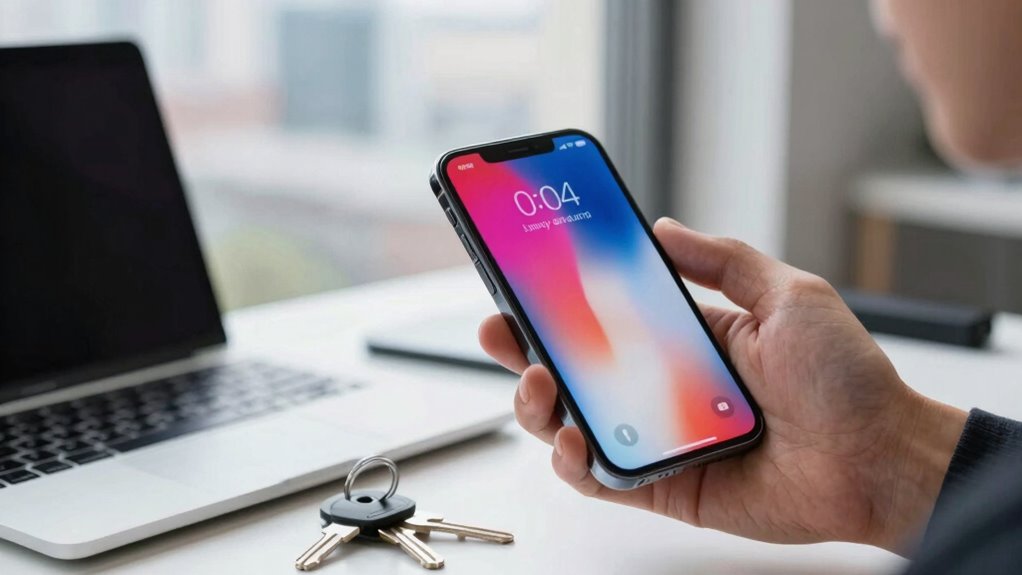
Immediately change your phone and app passwords to prevent unauthorized access. Start by updating your device’s passcode and biometric authentication settings, ensuring only you can unlock it. Next, reset your alarm app’s password to block anyone from disabling or tampering with your security. Finally, review your privacy settings, restricting app permissions and location sharing to protect your data. Here are three steps to follow:
Change your passwords and review privacy settings immediately to secure your device and data.
- Update your phone’s lock screen passcode and enable biometric authentication, like fingerprint or facial recognition.
- Change your alarm app’s password to a strong, unique combination.
- Adjust privacy settings, limiting app access to sensitive information and disabling unnecessary permissions.
Act quickly to secure your accounts and prevent further risks.
Troubleshooting Remote Lock and Wipe if Things Go Wrong

If remote lock or wipe isn’t working as expected, start by initiating the remote lock to secure your device immediately. Next, confirm that the wipe command has executed correctly, and check for any connectivity issues that might be preventing communication. Troubleshooting these problems quickly can help you regain control and protect your data.
Initiate Remote Locking
Have you ever needed to lock your device remotely and wondered what to do if the process doesn’t go as planned? Don’t worry—here’s what to do:
- Ensure your alarm app uses biometric authentication for quick access, so you can verify your identity easily.
- Confirm that your app’s encryption is active; this prevents unauthorized access during remote locking.
- If remote lock fails, try initiating the process again or restart your device, then attempt again.
If these steps don’t work, contact your app’s support team immediately. Remember, a secure alarm app relies on strong app encryption and biometric authentication, making remote locking more effective. Staying calm and following these steps ensures your device remains protected even if things go wrong.
Confirm Wipe Execution
Wondering whether your remote wipe actually worked? First, verify if your device has been reset or if your data is inaccessible. Check if data encryption was enabled before the wipe; this guarantees your information remains protected even if the device falls into wrong hands. Confirm that user authentication was required for the wipe process—many apps prompt for a password or biometric verification to prevent accidental or malicious wipes. If you don’t see signs of successful data deletion or encryption, repeat the process or contact support. Remember, a successful wipe should render your phone unusable, with all sensitive data encrypted and inaccessible without proper authentication. Always test your remote wipe feature periodically to ensure it functions correctly when needed.
Troubleshoot Connectivity Issues
When remote lock or wipe commands don’t seem to work, it’s essential to troubleshoot your device’s connectivity first. If your commands aren’t executing, it could be due to network troubleshooting issues or device compatibility problems. To resolve this:
- Verify your device’s network connection—ensure Wi-Fi or cellular data is active and stable.
- Check if your alarm app and device OS are compatible; incompatible devices may hinder remote commands.
- Restart your phone to refresh network settings, boosting the chances of successful remote communication.
Tips to Prevent Phone Theft and Protect Your Data in the Future

To effectively prevent phone theft and safeguard your data, you need to stay vigilant and proactive. Start with phone theft prevention by avoiding risky areas and keeping your phone out of sight in public. Use strong, unique passwords and enable biometric security features like fingerprint or facial recognition to make unauthorized access difficult. Regularly update your software to patch vulnerabilities and enhance security. Activate remote tracking and wiping options, so you can locate or erase your device if stolen. Implement data security strategies such as backing up your information regularly and encrypting sensitive files. Be cautious when sharing personal details online and disable Bluetooth or Wi-Fi when not in use. These tips help reduce theft risk and protect your data from falling into the wrong hands.
Frequently Asked Questions
Can I Recover My Alarm App’s Data After a Remote Wipe?
Yes, you can recover your alarm app’s data after a remote wipe if you have a cloud backup. Once you reinstall the app on your new device, sign in with the same account, and restore from the backup. This way, your alarm settings and data come back easily. Always guarantee you regularly back up your data to avoid losing important information if your phone is ever stolen or wiped.
Will Locking My Phone Also Lock My Alarm App Automatically?
Did you know that over 60% of stolen phones are unlocked within minutes? Locking your phone generally locks your alarm app, but it depends on your device’s security. Phone encryption and app permissions play crucial roles—if your phone is encrypted, your data stays protected even if stolen. To guarantee your alarm app remains secure, set a strong passcode, enable encryption, and limit app permissions, so only you can access sensitive info.
How Do I Disable Alarm Notifications on a Stolen Device?
To disable alarm notifications on a stolen device, you should access the alarm app’s notification settings directly through your account online or another device. Use app permission management to revoke notification access or delete the app remotely via Find My Device or Find My iPhone. This prevents unauthorized alerts. Always review your alarm notification settings regularly to verify your device remains secure, even if stolen.
Is It Possible to Track My Alarm App’s Usage After Theft?
Did you know that over 60% of apps track usage data? Yes, you can usually monitor your alarm app’s activity logs if your phone gets stolen, provided you granted the necessary permissions. Check your app’s settings or cloud account to see activity logs and usage history. Keep in mind, alarm app permissions play a key role—if permissions are limited, tracking might be disabled or restricted.
What Are the Best Practices to Prevent False Alarms During Theft?
To prevent false alarms during theft, you should enable false alarm prevention features within your alarm app, such as setting up user verification methods like PINs or biometric scans. Always customize alerts to require secondary confirmation before triggering an alarm. Regularly update your app and educate trusted contacts on proper procedures. These steps help guarantee your alarm activates only during genuine threats, minimizing false alarms caused by accidental or unauthorized use.
Conclusion
If your phone gets stolen, acting quickly can save your data and keep your alarm secure. For example, Sarah used her phone’s tracking and remote wipe features to prevent her personal info from falling into the wrong hands. Remember to enable these tools beforehand and use strong, unique passwords. Taking these steps guarantees you’re better protected, giving you peace of mind knowing your device and alarms are secure even in a worst-case scenario.
Fall Picks
fall essentials
As an affiliate, we earn on qualifying purchases.