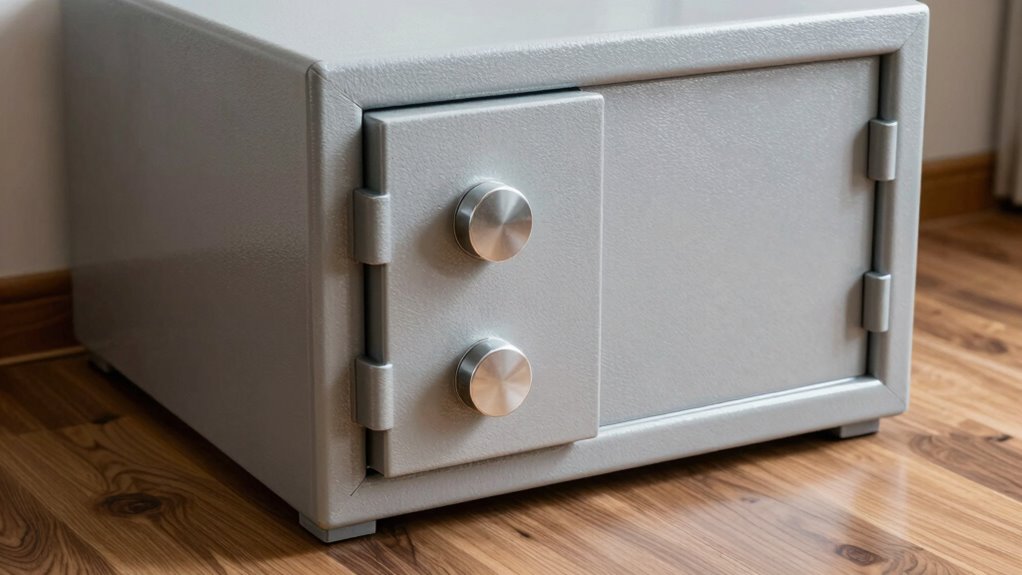
Bolting a safe down is vital because it prevents thieves from easily moving or removing it, making your valuables much more secure. When properly anchored, your safe stays in place during attempted break-ins, environmental disasters, or accidental bumps. It also helps avoid damage and theft, providing peace of mind. If you want to guarantee your safe is as secure as possible, understanding the right installation methods and hardware is essential — explore further to learn more.

Get privacy and security gear delivered free with Prime
- Fast, free delivery on millions of items
- Prime Video, Amazon Music and more included
- Member-only deals all year
Key Takeaways
- Bolting a safe enhances security by making theft and tampering significantly more difficult.
- Proper installation ensures the safe remains stable and prevents accidental tipping or movement.
- Using appropriate hardware and surface prep maximizes the safe’s resistance to forced removal.
- Properly secured safes can positively influence insurance claims and reduce liability risks.
- Effective bolting maintains the safe’s integrity against environmental stresses and operational hazards.
As an affiliate, we earn on qualifying purchases.
Why Bolting Your Safe Is Critical for Security

Bolting your safe down is essential because it dramatically reduces the risk of theft. A well-secured safe is harder for burglars to move or tamper with, making it a critical security step. Safe design plays a role here, as sturdy construction combined with proper anchoring enhances overall protection. Additionally, considering battery safety is important if your safe relies on electronic locks or alarms, preventing potential malfunctions or hazards. When you bolt your safe down, you guarantee it stays in place, even during attempted break-ins or natural events. This added stability not only protects your valuables but also reinforces the integrity of the safe’s design. Proper anchoring ensures the safe maintains its security effectiveness during forced attempts or environmental stresses. Incorporating proper installation techniques can further improve the safe’s resilience and security. Furthermore, following Leave No Trace principles can help minimize environmental impact if the safe is installed outdoors. Proper anchoring also aligns with the importance of assessing battery condition to prevent malfunctions in electronic security features. Ensuring the safe is anchored with appropriate hardware further increases its resistance to tampering or removal. Ultimately, proper anchoring is a simple yet indispensable measure to maximize your safe’s effectiveness and security.
As an affiliate, we earn on qualifying purchases.
How to Secure Your Safe to Floors and Walls

Securing your safe to floors and walls is a straightforward way to enhance its security and prevent theft or accidental tipping. Proper installation guarantees your fire resistant safes stay put, even during attempts to move or tamper with them. Use heavy-duty bolts and anchors suited for your floor type, whether concrete or wood. For added protection, consider safes with biometric locks, making unauthorized access harder. Mounting your safe also helps protect valuable items from natural disasters or accidental falls. Additionally, understanding the importance of a total‑cost clarity approach can help you choose the most effective and affordable security solutions. Ensuring your safe is properly anchored can significantly improve its resistance against theft and unintended displacement, especially in high-traffic or vulnerable areas. Proper installation techniques are crucial to maximize security and durability over time. Incorporating load calculations when securing your safe ensures you select anchors that can handle its weight and prevent failure.
To further improve security, selecting appropriate anchoring hardware based on your specific environment is essential for long-term stability.
wall and floor safe mounting kit
As an affiliate, we earn on qualifying purchases.
As an affiliate, we earn on qualifying purchases.
Choosing the Best Hardware to Bolt Down Your Safe
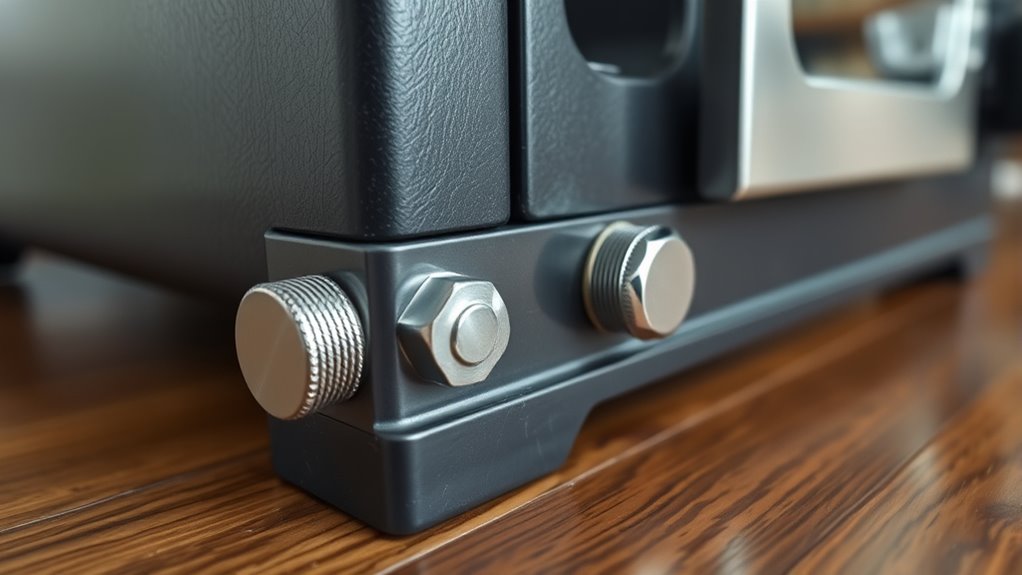
Choosing the right hardware depends on matching the bolts and anchors to your safe’s material and the surface you’re securing it to. You’ll want to pick anchor types that provide maximum strength and stability for your specific setup. By understanding material compatibility and selecting the appropriate anchors, you guarantee your safe stays firmly in place. Incorporating Free Floating techniques can also help ensure the safe remains securely positioned without unnecessary movement.
Material Compatibility Tips
When selecting hardware to bolt down your safe, ensuring material compatibility is essential for a secure and lasting installation. Proper material selection helps prevent corrosion, weakening, or damage over time. Compatibility considerations include matching the bolt material with the safe’s chassis and the mounting surface. Using incompatible metals can lead to galvanic corrosion, compromising strength. Selecting the appropriate exfoliation benefits can also influence the longevity of your installation by maintaining material integrity. Consider the environmental conditions, like humidity, when selecting materials. Verify that hardware strength matches the load requirements of your safe. Paying attention to these material compatibility considerations guarantees your safe stays securely anchored and maintains its integrity over years of use. Additionally, understanding the electric power generation capabilities of your hardware can help you choose components that support your security setup effectively. Recognizing the importance of metal corrosion resistance ensures that your hardware remains resilient in various environmental conditions.
Anchor Type Selection
Selecting the right anchor type is essential for ensuring your safe stays firmly in place. Your choice of bolt type impacts the strength and stability of the installation. For concrete or masonry surfaces, heavy-duty anchor bolts like sleeve anchors or wedge anchors work best, providing secure anchoring with robust holding power. When choosing anchoring materials, consider whether you need corrosion-resistant options such as stainless steel, especially in humid or outdoor environments. Different bolt types have specific applications; for instance, machine bolts or carriage bolts may be suitable for wood or drywall anchoring, but they won’t provide the same strength as specialized masonry anchors. Assess your safe’s weight, the surface material, and environmental factors to select the ideal bolt type for a reliable, tamper-proof installation. Proper installation techniques also play a crucial role in ensuring the safety and durability of your anchoring system. Additionally, understanding anchoring standards can help you choose the most effective hardware for your specific needs. Knowing load capacities ensures your anchors can support the weight of your safe safely and securely. Considering testing and certification can further guarantee that your chosen hardware meets safety and performance benchmarks. Also, reviewing performance benchmarks can help you select hardware that maintains stability over time and under varying conditions.
electronic safe anchoring hardware
As an affiliate, we earn on qualifying purchases.
As an affiliate, we earn on qualifying purchases.
How to Bolt Down Your Safe: A Step-by-Step Guide
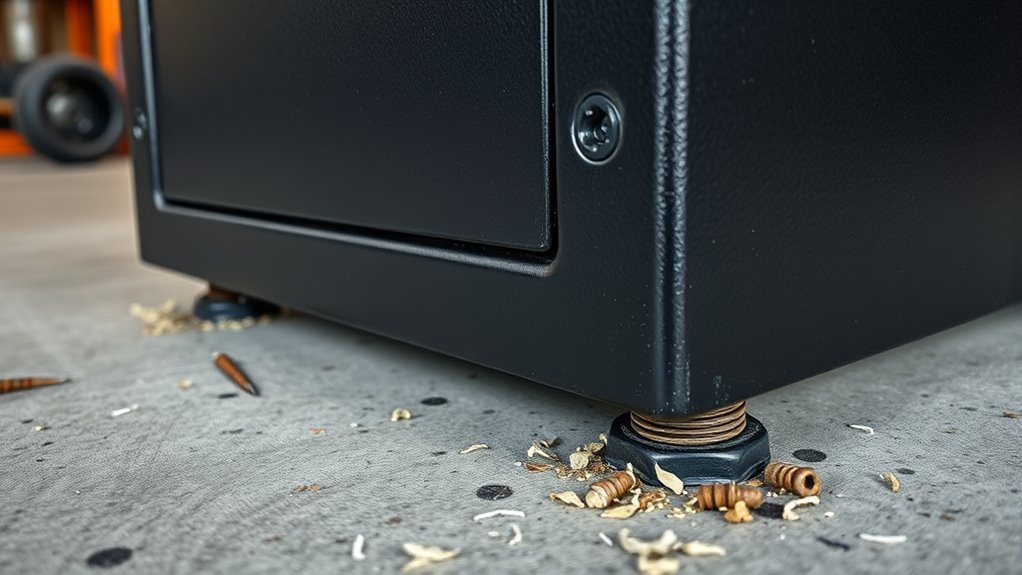
To bolt down your safe properly, start by gathering all the necessary tools and selecting the right location. Make sure the spot is sturdy and accessible, then follow the steps to secure it firmly to the floor. This process guarantees your safe stays in place and provides maximum security. Always verify that your fire-resistant safe is installed on a stable, level surface to ensure it remains secure over time. Additionally, understanding the benefits of proper installation can help you appreciate the importance of this process and avoid potential issues later on. Proper wall surfaces and finishes can also contribute to the overall stability and security of your safe installation.
Gather Necessary Tools
Before you start bolting down your safe, gather all the necessary tools to guarantee the process goes smoothly. Making sure you have everything ready prevents delays and maintains the safe’s aesthetics and aesthetic design. You’ll need tools that won’t damage the safe’s surface or compromise its appearance.
- Power drill with appropriate bits
- Wrenches or socket set
- Measuring tape or ruler
- Anchors and bolts suited for your floor type
Having these tools on hand helps you work efficiently while protecting the safe’s finish. Remember, a well-secured safe not only enhances security but also preserves its sleek look and overall aesthetic. Proper preparation ensures a secure, professional installation without sacrificing the safe’s aesthetic appeal.
Choose Proper Location
Choosing the right spot for your safe is crucial to guarantee it’s both secure and functional. Proper safe placement ensures easy access while minimizing risks. Look for a location away from high traffic areas, where obstacles won’t block access or interfere with bolting. Avoid placing the safe near heat sources or moisture, which can damage it over time. Consider these factors:
| Location Aspect | Advantage | Caution |
|---|---|---|
| Hidden corners | Discreet, reduces theft risk | May be hard to access |
| Floor-level placement | Easy to bolt securely, stable support | Obstacle avoidance needed |
| Away from windows | Protects from potential break-ins | Ensure clear access routes |
Prioritize safe placement, keeping obstacles in mind to streamline bolting and maximize security.
Secure Safely to Floor
Securing your safe to the floor is a critical step that guarantees it stays put and provides maximum protection. Properly bolted safes resist theft attempts and enhance fire resistance by preventing shifting during a fire. To do this effectively:
- Use appropriate drill bits for your floor type to ensure secure anchoring
- Select the right bolts or anchors rated for load and security needs
- Position the safe in a discreet spot to minimize theft deterrence risks
- Double-check that all bolts are tight and flush to avoid future movement
Common Mistakes When Bolting Your Safe and How to Avoid Them

One common mistake people make when bolting their safe is not preparing the surface properly, which can compromise the entire installation. If the floor or wall isn’t clean and level, the safe may shift or become unstable over time. Additionally, neglecting the safe’s aesthetics can lead to visible damage or unsightly bolt heads. To avoid these issues, use appropriate bolting methods suited for your surface, such as concrete anchors or lag bolts. Properly marking drill points and ensuring the surface is free of debris helps create a secure, neat fit. Remember, rushing through installation can undermine safety and damage the safe’s appearance. Taking the time to prepare and choose the right bolting method ensures your safe remains both secure and visually unobtrusive.
How Bolting Your Safe Affects Your Insurance and Liability
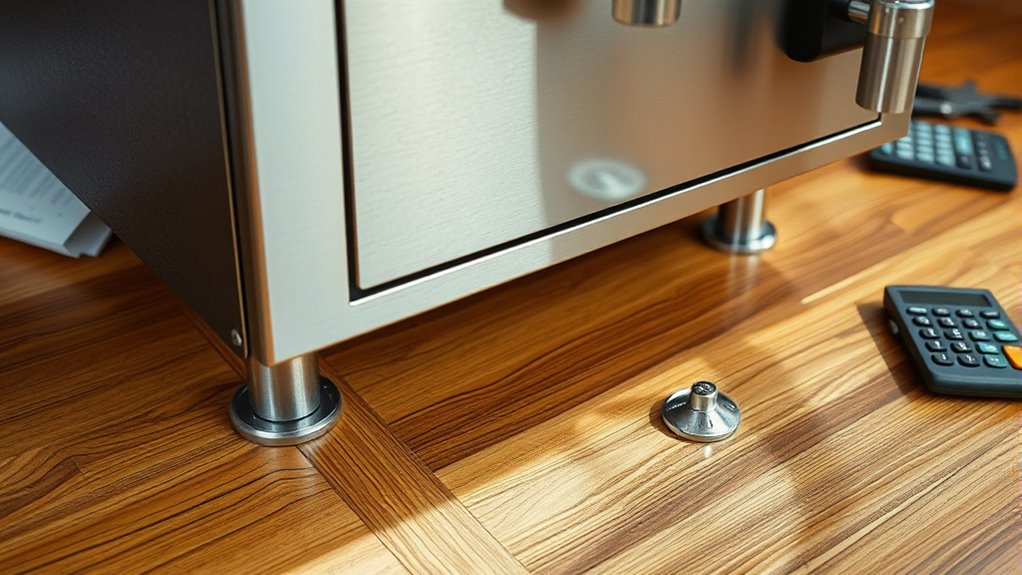
Bolting your safe can substantially impact your insurance coverage and liability risks. Many policies consider whether a safe is permanently secured, affecting your insurance implications. Failure to bolt it down might lead to denied claims if theft occurs, as insurers may see it as negligence. Additionally, liability considerations come into play if someone is injured or property is damaged due to an unsecured safe.
- Insurers might reduce coverage or deny claims without proper anchoring
- Bolting the safe demonstrates responsible security measures
- In case of a theft, being properly bolted can favorably influence claim settlements
- You may face legal liability if an unsecured safe causes injury or damage
Taking these factors into account can protect your assets and ensure proper insurance handling.
Should You Hire a Professional to Install Your Safe?

While installing a safe might seem straightforward, hiring a professional guarantees the job is done correctly and securely. A professional ensures that your safe maintains its aesthetics, fitting seamlessly into your space without looking out of place. They also optimize safe accessibility, placing it where you can easily access it while keeping it secure. Proper installation minimizes the risk of damage to your walls or flooring and ensures the safe is bolted down correctly. Attempting a DIY install might save money upfront but could compromise safety and security in the long run. A professional installer has the expertise and tools to handle different safe models and wall types, giving you peace of mind that your investment is both functional and visually unobtrusive.
Extra Tips to Keep Your Safe Secure
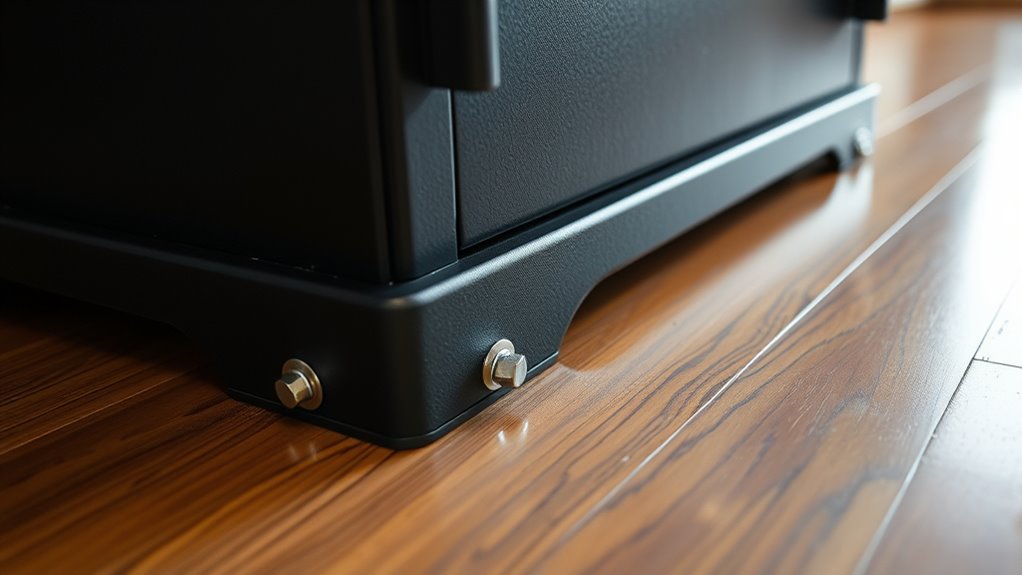
To keep your safe truly secure, you should regularly check that all bolts and locks are tight and functioning properly. Consistent safe maintenance is essential for peak home security. Inspect the bolts securing the safe to ensure they haven’t loosened over time. Keep the lock mechanisms clean and lubricated to prevent jamming or failure. Change access codes periodically to prevent unauthorized entry. Additionally, consider installing surveillance cameras near your safe for added protection.
Regularly check and maintain locks, bolts, and access codes to ensure your safe remains secure.
- Tighten bolts and locks during routine home security checks
- Lubricate mechanical parts annually
- Update access codes regularly
- Install visible security cameras nearby
These steps help maintain the integrity of your safe and reduce risks. Proper safe maintenance and vigilant checks ensure your valuables stay protected, giving you peace of mind.
FAQs About Bolting Safes: What You Need to Know
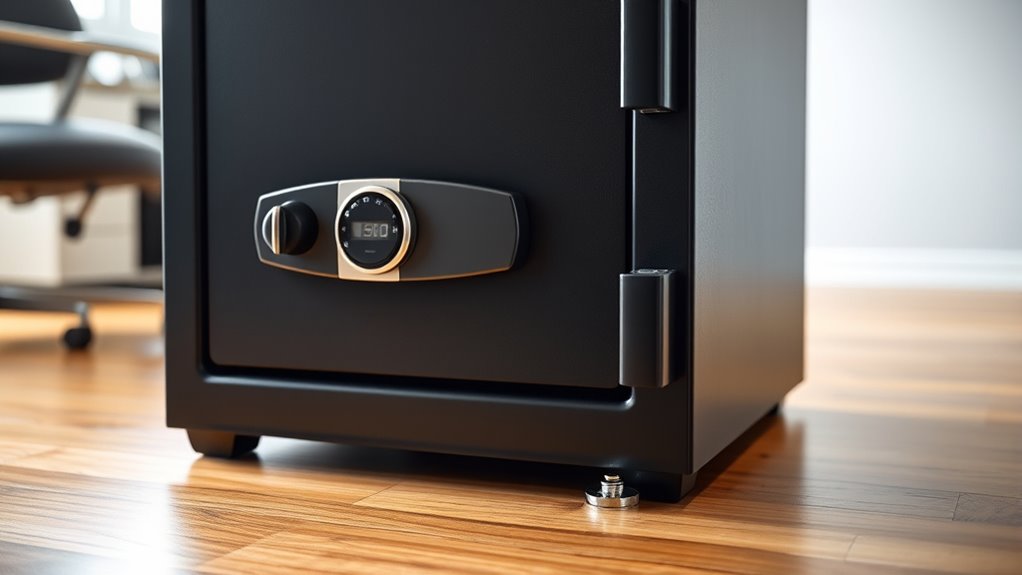
Understanding how bolting your safe impacts its security can help you make informed decisions. Proper safe placement is vital for theft prevention; bolting it down minimizes the risk of theft and theft-related damage. Many wonder if bolting weakens the safe’s structure—it doesn’t, but it does make removal much harder. You might ask if bolting is necessary; while not mandatory, it considerably enhances security. Some worry about damage during installation, but with proper tools, it’s straightforward. Keep in mind, the right spot—away from windows or easily accessible areas—further improves safety. Overall, bolting your safe is a simple step that maximizes theft prevention and guarantees your valuables stay protected. It’s a smart move toward stronger security.
Frequently Asked Questions
Can Bolting a Safe Damage My Flooring or Walls?
Bolting a safe down can damage your flooring or walls if you don’t take proper precautions. To prevent damage, use floor protection like mats or padding underneath the safe, and wall reinforcement to distribute the force evenly. Carefully select the right anchors and follow installation instructions. With these steps, you can secure your safe without harming your floors or walls, ensuring both safety and home integrity.
Is It Possible to Remove a Bolted Safe Easily Later?
Yes, removing a safe can be easier with proper bolt removal tools and techniques. If you initially bolt the safe down securely, it may require some effort to unbolt it later, especially if the bolts are rusted or embedded. Using the right tools, like a wrench or socket set, helps make removing the safe smoother. Keep in mind, some safes are designed to be more permanent, so removing them might still be challenging.
What Tools Are Needed for Bolting Down a Safe?
To bolt down a safe, you’ll need a drill, appropriate drill bits, a wrench, and sometimes a screwdriver. For safe installation, select the right bolt types like anchor bolts or lag bolts, depending on your surface. Make certain you measure and mark the spots accurately before drilling. Using the correct tools and bolt types guarantees a secure setup, making it harder for thieves to move or remove your safe later.
Does Bolting a Safe Void Its Warranty?
Bolting a safe down can affect your warranty, depending on manufacturer policies. Some brands consider permanent installation as voiding the warranty, while others allow it if proper procedures are followed. It’s essential that you check the warranty implications before you bolt it down and review the manufacturer’s policies. Typically, if you follow their guidelines and use recommended tools, you minimize the risk of voiding your warranty.
How Often Should I Check the Bolts on My Safe?
You should check the bolts on your safe at least once a year, following the installation guidelines and safety precautions. Regular inspections help guarantee the bolts stay tight and secure, preventing potential security breaches or damage. If you notice any looseness or corrosion, tighten the bolts promptly. Keeping up with these checks maintains your safe’s integrity and ensures you’re following proper safety precautions for long-term protection.
Conclusion
Bolting down your safe isn’t just a quick fix—it’s your ultimate armor against theft. When you secure it properly, you turn a simple storage spot into a fortress that even the boldest burglars can’t breach. Don’t leave your valuables vulnerable to a thief’s worst nightmare. Take action today, follow the right steps, and make your safe as unbreakable as a mountain. Your peace of mind depends on it—don’t settle for anything less!
Halloween Picks
halloween
As an affiliate, we earn on qualifying purchases.