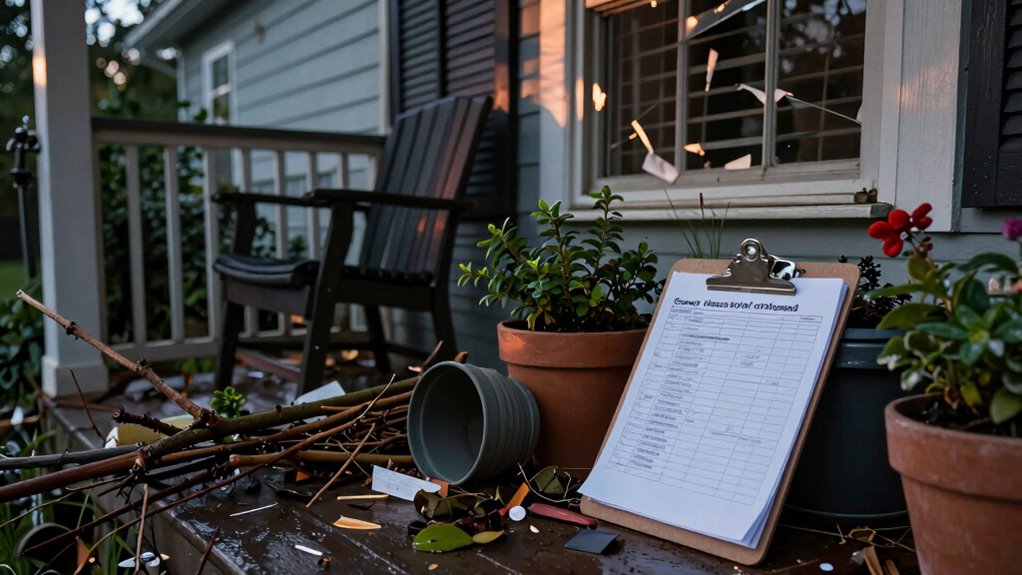

After a storm, it’s vital to check your home for hidden hazards like downed power lines, structural damage, and debris blocking drains. Secure your windows and doors to prevent intruders, and make sure your security system has updated alarm codes. Don’t forget to photograph damage for insurance claims and review emergency contacts. Many overlook these steps, but if you pay attention now, you’ll know exactly what to do to stay safe and protect your property.
Listen free for 30 days with Audible
Thousands of audiobooks and originals — cancel anytime.
As an affiliate, we earn on qualifying purchases.
Key Takeaways
- Always stay away from downed power lines and notify authorities immediately to prevent electrical injuries.
- Inspect and secure gutters, roofs, and doors to prevent further damage and intrusions post-storm.
- Change security system codes and test alarms to prevent unauthorized access after a storm.
- Clear debris from storm drains and gutters promptly to avoid flooding and property damage.
- Review emergency contacts and safe zones with household members for quick, coordinated storm response.
storm damage roof inspection tools
As an affiliate, we earn on qualifying purchases.
As an affiliate, we earn on qualifying purchases.
Why Post-Storm Security Matters
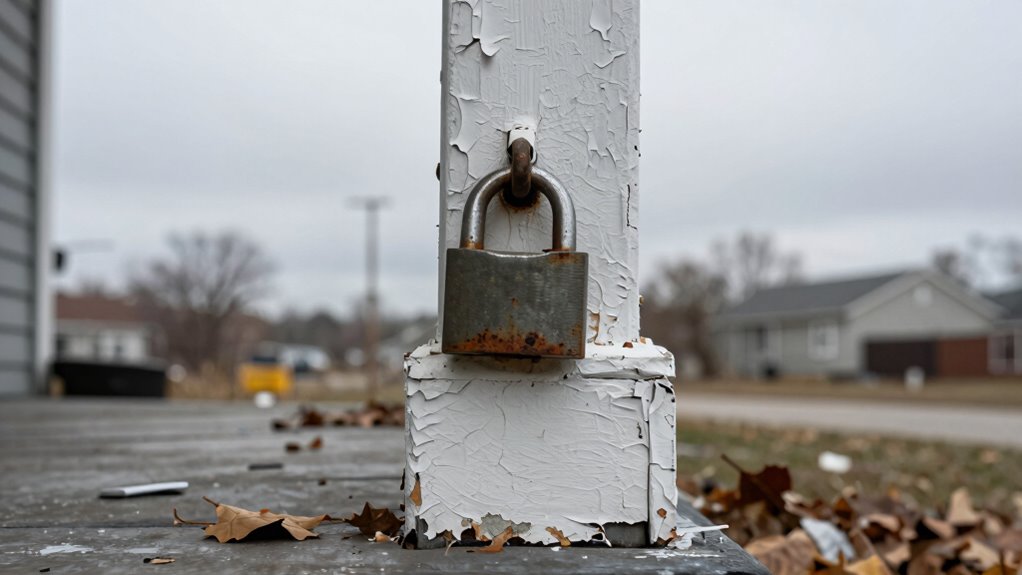
Ever wonder why it’s essential to prioritize security after a storm? Your safety and property recovery depend on it. Addressing security issues promptly can streamline insurance claims, preventing delays that might cost you money or coverage. Securing your home reduces vulnerabilities, making it harder for thieves or vandals to exploit weaknesses. Additionally, community support plays a vital role; neighbors working together can identify hazards and assist in securing shared spaces. Taking swift action protects your belongings and helps restore normalcy faster. Implementing security protocols immediately after a storm can mitigate further risks and ensure a safer environment for everyone. Understanding home security systems and their capabilities enables you to better safeguard your property. Ignoring security post-storm can lead to further damage or theft, complicating insurance processes and prolonging recovery. Furthermore, understanding projector technology can help you recognize potential vulnerabilities in your home security setup and address them proactively. Prioritizing security not only safeguards your property but also fosters stronger community ties, making everyone safer and more resilient in the aftermath. Understanding the importance of energetic alignment can also help you stay focused and positive throughout the recovery process.
gutter cleaning and debris removal tools
As an affiliate, we earn on qualifying purchases.
As an affiliate, we earn on qualifying purchases.
Inspect Your Roof and Gutters for Damage
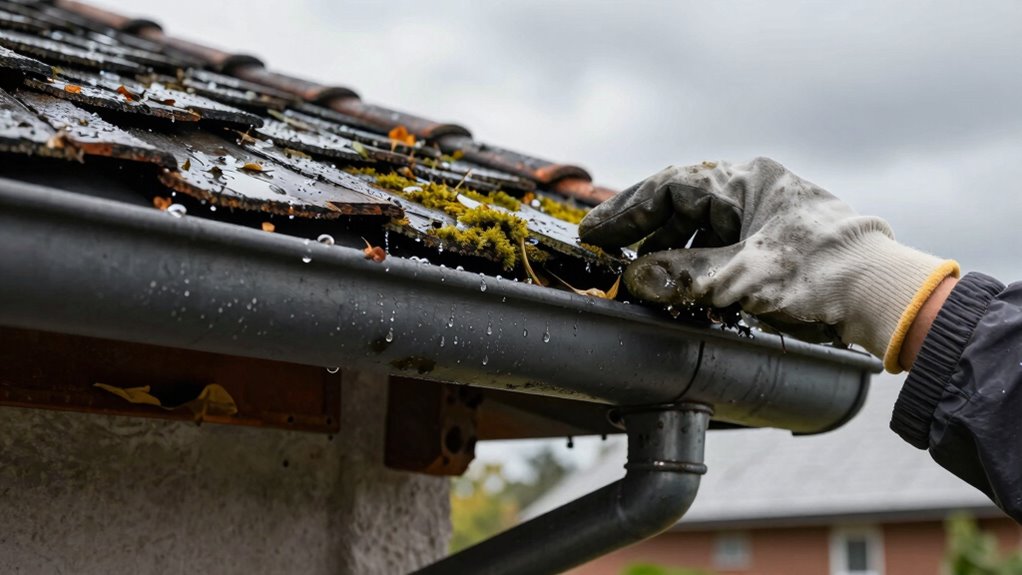
After a storm, inspecting your roof and gutters for damage is crucial. Look for signs of structural issues, debris buildup, and gutter cracks or sagging. Addressing these points promptly helps protect your home from further harm. Additionally, ensure your gutters are clear of debris buildup to prevent water overflow and potential damage to your roofing and foundation. Regular inspections also help identify early signs of wear, allowing for timely repairs that extend the lifespan of your roofing system. Being aware of water drainage efficiency can help you detect issues before they become costly repairs. Incorporating proper inspection techniques can further ensure that no damage goes unnoticed. Moreover, understanding the importance of preventative maintenance can save you money and stress in the long run.
Check for Structural Damage
Inspecting your roof and gutters for damage is a crucial step in evaluating storm impact. Damage can compromise your home’s structural integrity, risking further issues like foundation problems. Check for missing shingles, cracks, or sagging areas that signal structural weakness. Also, examine your gutters for loose or detached sections, which can lead to water damage and undermined foundations. Regular home maintenance and structural inspections can help prevent costly repairs later on. Additionally, inspecting for wave and wind damage can identify areas vulnerable to future storms. Being aware of storm resilience features in your home can further enhance your preparedness. Incorporating building materials designed for storm resistance can also improve your home’s durability against severe weather.
Clear Debris Accumulation
Have you checked your roof and gutters for debris buildup? Storm debris can easily accumulate, causing blockages that lead to water damage or leaks. Clear out leaves, twigs, and other yard debris from your gutters to guarantee proper drainage. Don’t forget to inspect your roof for any loose shingles or damaged flashing caused by the storm. Performing a yard cleanup helps prevent debris from washing into your gutters during future rains. Removing storm debris promptly reduces the risk of water pooling and potential roof damage. Regular maintenance now can save you costly repairs later. Take the time to clear debris from your roof and gutters, and keep your home protected from lingering storm effects. Staying proactive ensures your roof remains secure and functional. Proper drainage is essential for preventing water damage and maintaining your home’s integrity. Additionally, understanding Rhythm Failure can inspire you with uplifting melodies to brighten your outlook during storm recovery. Recognizing air purifier maintenance dos and don’ts can also help improve indoor air quality as you recover from storm-related dust and allergens. Regular inspection of body jewelry measurements and materials can prevent irritation if you have piercings affected by storm dust or debris. Being aware of storm debris accumulation in your gutters and roof can significantly reduce the risk of long-term structural damage.
Assess Gutter Integrity
Clearing debris from your roof and gutters prepares your home for a thorough damage assessment. Once done, check the gutter integrity to guarantee your system can handle future storms. Look for sagging sections, leaks, or cracks that may have developed during the storm. Proper downspout maintenance is essential; ensure all downspouts are securely attached and free of blockages. Clear any obstructions that could cause water to overflow or back up, which can lead to water damage or foundation issues. Pay attention to areas where gutters may have detached or been damaged by wind or debris. Addressing these issues quickly helps prevent costly repairs down the line and keeps water flowing away from your home effectively. Regular gutter checks are crucial for long-term storm readiness, especially as digital innovations continue to enhance home safety monitoring. Additionally, consider installing vintage-style sensors or alarms that can alert you to potential water intrusion or gutter blockages in real time. Incorporating gutter system maintenance into your routine can further extend the lifespan of your gutters and prevent unexpected failures during severe weather. Remember that automated inspection tools are also available to help detect hidden damage early.
home security alarm system with updated codes
As an affiliate, we earn on qualifying purchases.
As an affiliate, we earn on qualifying purchases.
Check for Electrical Hazards Like Downed Power Lines
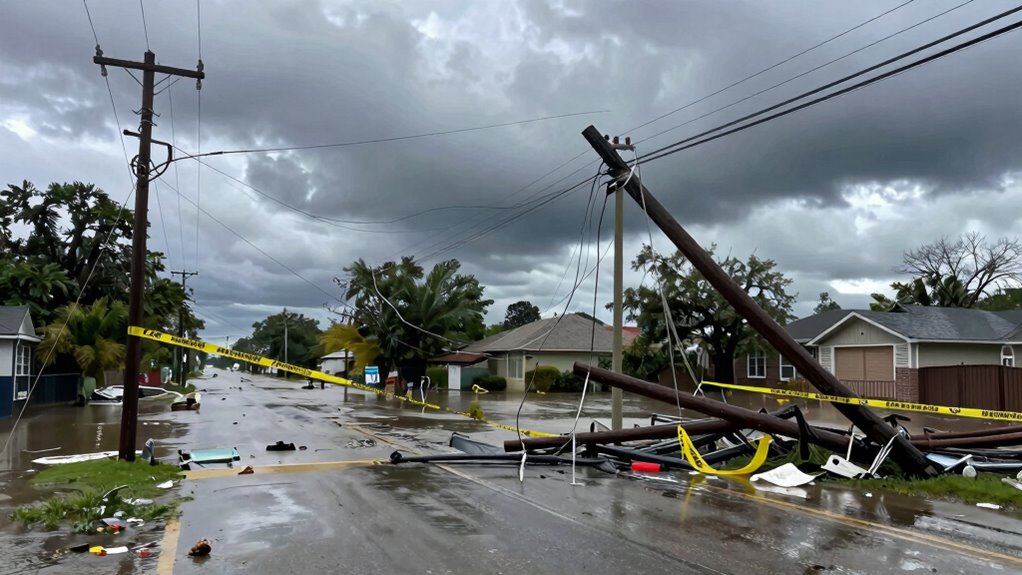
If you see downed power lines after a storm, stay far away and don’t touch them. Recognize the danger by looking for sparking wires or lines lying across the ground or roads. Always maintain a safe distance to avoid electrical shock or injury. If you suspect a downed power line, contact emergency services immediately and do not attempt to move or interact with it.
Recognize Downed Lines
After a storm, it’s crucial to look out for downed power lines, as they pose serious electrical hazards. Always assume any fallen wire is live, even if it appears harmless. Recognize signs of utility hazards, such as sparking or hanging wires, and stay clear. Use the table below to identify potential danger zones:
| Signs of Downed Lines | Safety Tips |
|---|---|
| Wires on the ground | Keep your distance; don’t touch |
| Sparks or smoke | Call emergency services |
| Trees or debris entangled | Stay away and alert others |
Maintain Safe Distance
Maintaining a safe distance from downed power lines is essential to prevent electrical shock or injury. During storm safety checks, stay alert for any lines hanging low or lying across roads and yards. Never approach or attempt to move a downed line, as it could still be energized. Encourage neighborhood vigilance—notify local authorities immediately if you spot hazards. Keep children and pets away from potential electrical hazards, and avoid walking through flooded areas that might conceal live wires. Remember, even if a line appears dead, it could still be live. Staying cautious helps protect everyone and prevents further accidents. Prioritize safety, and always assume downed lines are energized until professionals confirm otherwise. Your vigilance can save lives in storm aftermaths.
As an affiliate, we earn on qualifying purchases.
Secure Windows and Doors to Prevent Unauthorized Access

Securing your windows and doors is essential to prevent unauthorized access after a storm. Start by installing storm resistant windows that can withstand high winds and flying debris. Next, reinforce your door frames to ensure they don’t give way under pressure. Finally, check that all locks are secure and functioning properly. Here are three steps to follow:
- Install storm resistant windows to add durability and security.
- Reinforce door frames to prevent break-ins during vulnerable times.
- Ensure all locks and latches are secure and in good condition.
Taking these actions helps protect your home from intruders and weather-related damage alike. Doing so gives you peace of mind, knowing your home is secure during the critical post-storm period.
Clear Debris and Blocked Drains to Prevent Flooding
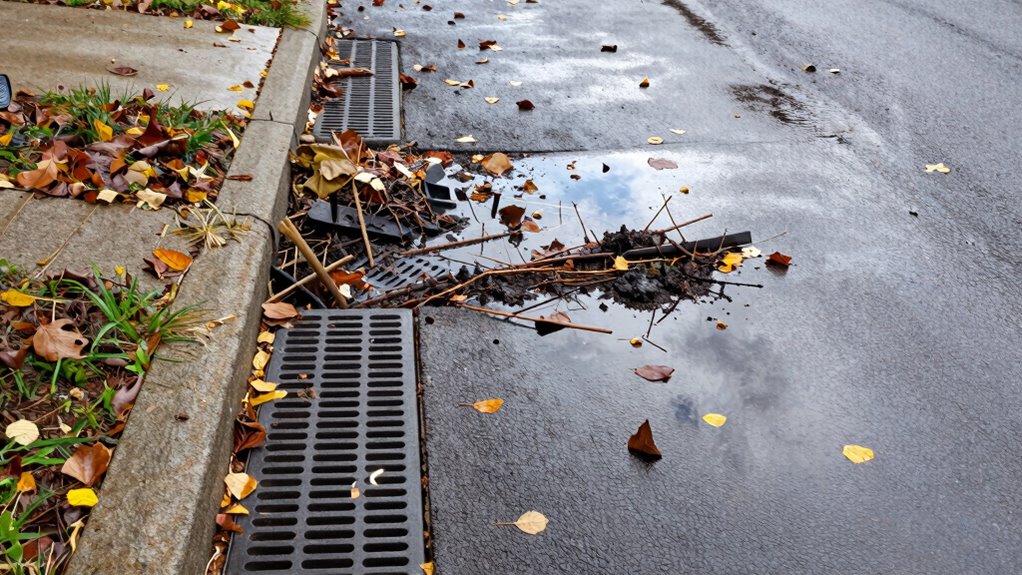
Have you checked your drains and gutters recently? Clear debris and blocked drains to prevent flooding after a storm. Regular drain maintenance and debris removal guarantee water flows freely, reducing the risk of water damage and further hazards. Don’t wait until it’s too late—inspect your property now.
| Situation | Impact |
|---|---|
| Clogged gutters and drains | Overflow, flooding, and property damage |
| Blocked storm drains | Street flooding and safety hazards |
| Debris buildup | Water pooling and structural risks |
Taking quick action to clear debris and ensure your drains are unobstructed can save you money and stress later. Keep your property safe by staying ahead of potential flooding issues.
Update Your Security System and Alarm Codes

After a storm, it’s crucial to update your security system and alarm codes to prevent unauthorized access. Storms can sometimes expose vulnerabilities or lead to breaches if your security isn’t current. To stay protected, consider these steps:
- Change your alarm codes to unique, strong combinations that only you know.
- Reset your security system’s access credentials, including app passwords and user permissions.
- Test your security system to ensure it’s functioning properly and responds to new codes.
Updating your alarm codes and reviewing your security system’s settings reduces the risk of intruders exploiting weaknesses after a storm. Regularly changing codes also helps you maintain control over who has access, especially if keys or codes were shared or compromised during the storm.
Review Emergency Contacts and Designate Safe Zones

Reviewing your emergency contacts and designating safe zones is crucial to guarantee everyone in your household knows who to call and where to go during an emergency. Make sure your emergency contacts list is up-to-date, including neighbors, local authorities, and family members outside the immediate area. Share this list with all household members and store it in accessible locations. Assign safe zones within your home and yard where everyone can gather safely, such as a basement or a designated corner away from windows and debris. Clearly communicate these safe zones and ensure everyone understands the plan. Regularly review and practice your emergency contacts and safe zones so that, when seconds count, everyone stays informed and prepared.
Photograph Damage and Record Details for Insurance
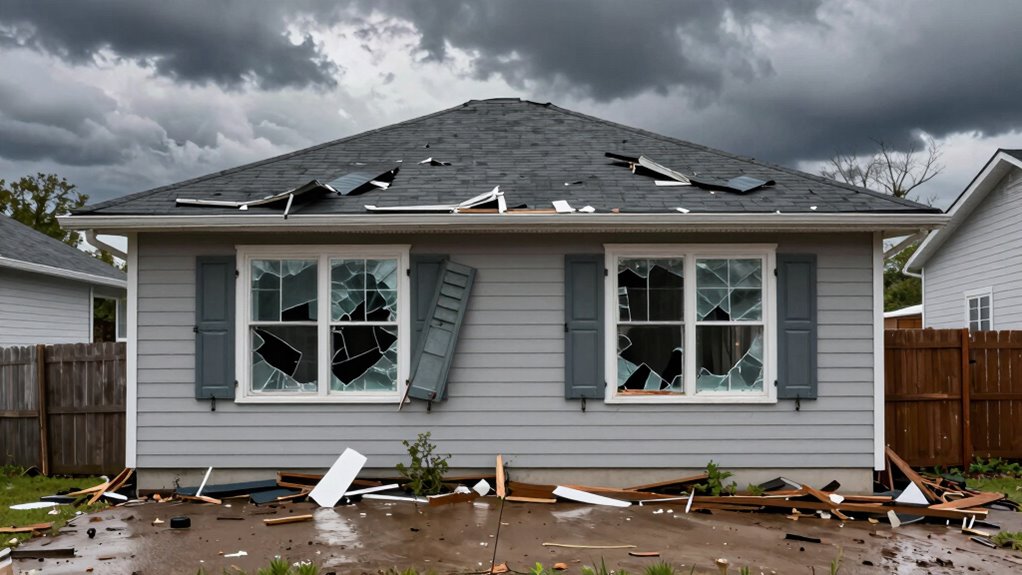
When storm damage occurs, documenting the extent of the destruction promptly can make a significant difference in your insurance claims. Clear photos and detailed records help prove your losses and speed up the process. To guarantee you’re prepared:
- Take multiple photos from different angles of all damaged areas, including interiors, exteriors, and personal belongings.
- Record specific details like date, time, and nature of the damage for each photo.
- Keep receipts and records of any temporary repairs or expenses related to storm damage.
Frequently Asked Questions
How Soon Should I Conduct a Post-Storm Security Check?
You should conduct a post-storm security check as soon as it’s safe, ideally within 24 to 48 hours. After storm damage, quick security planning helps identify vulnerabilities like broken locks or compromised fences. Acting promptly guarantees you address any security gaps before potential intruders take advantage. Don’t delay—timely inspections protect your property and give you peace of mind in the aftermath of a storm.
What Are Common Hidden Damages After a Storm That I Might Overlook?
Hidden damages after a storm are like icebergs—most are below the surface and easy to overlook. You might miss vulnerabilities like compromised roof shingles, damaged gutters, or weakened fences. Look for cracks in walls, water leaks, or unseen electrical issues. These overlooked vulnerabilities can cause major problems later. Conduct a thorough inspection, including areas out of sight, to catch hidden damages early and prevent costly repairs down the line.
How Can I Ensure My Family’s Safety During Post-Storm Repairs?
You can guarantee your family’s safety during post-storm repairs by staying alert and avoiding hazards like exposed wires or unstable structures. Keep emergency kits handy in case of unexpected issues, and document damage for insurance claims. Always wear protective gear, and only work in safe conditions. Communicate clearly with contractors, and never rush. Prioritize your family’s safety, and consult professionals for repairs to prevent further risks.
Are There Specific Security Tools Recommended for Storm Aftermath?
After a storm, installing surveillance cameras and smart locks is essential. For example, a homeowner who added surveillance cameras caught looters in the act, preventing theft. These tools help you monitor your property remotely and control access securely. Investing in durable, weatherproof cameras and reliable smart locks guarantees your home stays protected during vulnerable times, giving you peace of mind while you focus on repairs and recovery.
When Should I Contact Professionals for Post-Storm Security Assessments?
You should contact professionals immediately after the storm when you notice damage or security concerns. They can help with insurance claims and make sure your property is safe. It’s also essential to vet contractors thoroughly before hiring them to handle repairs, preventing scams or subpar work. Acting quickly not only secures your home but also streamlines insurance processes and ensures you get reputable help for repairs.
Conclusion
Think of your post-storm security as tending a garden—you need to prune, water, and protect it regularly. By following this checklist, you’re not just patching up damage; you’re safeguarding your home’s foundation and peace of mind. Don’t wait until the storm’s aftermath becomes a wildfire out of control. Stay vigilant and proactive, because a little preparation now can prevent a forest of problems later. Your home’s safety depends on the seeds you plant today.
Fall Picks
fall essentials
As an affiliate, we earn on qualifying purchases.