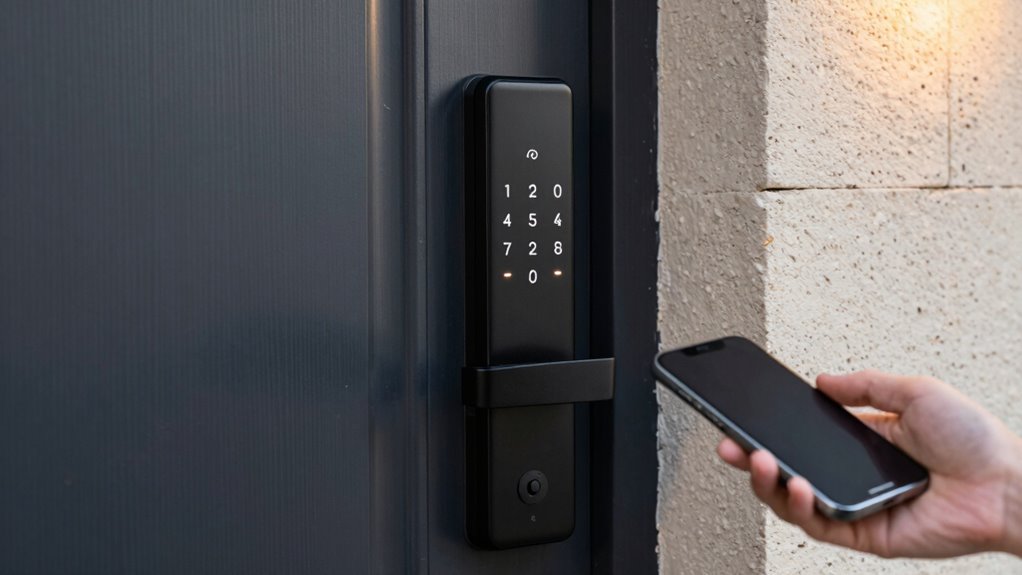

Keyless entry systems change your daily safety habits by replacing traditional keys with digital codes, biometrics, or remote controls, making access more secure and convenient. You no longer need to carry keys or worry about lost duplicates, and you can easily manage permissions for family, visitors, or service providers. Plus, automatic locking and smart device integration boost your home’s security. To discover effective ways to adapt your routines and stay protected, explore further.
Key Takeaways
- Eliminates the risk of lost or stolen physical keys, reducing unauthorized entry.
- Enables remote access management, allowing quick permission changes and access monitoring.
- Automates locking routines, ensuring doors are secured without manual effort.
- Incorporates biometric authentication for enhanced security and user identification.
- Integrates with smart home systems for comprehensive security and real-time alerts.
How Do Keyless Entry Systems Work and Are They Secure?
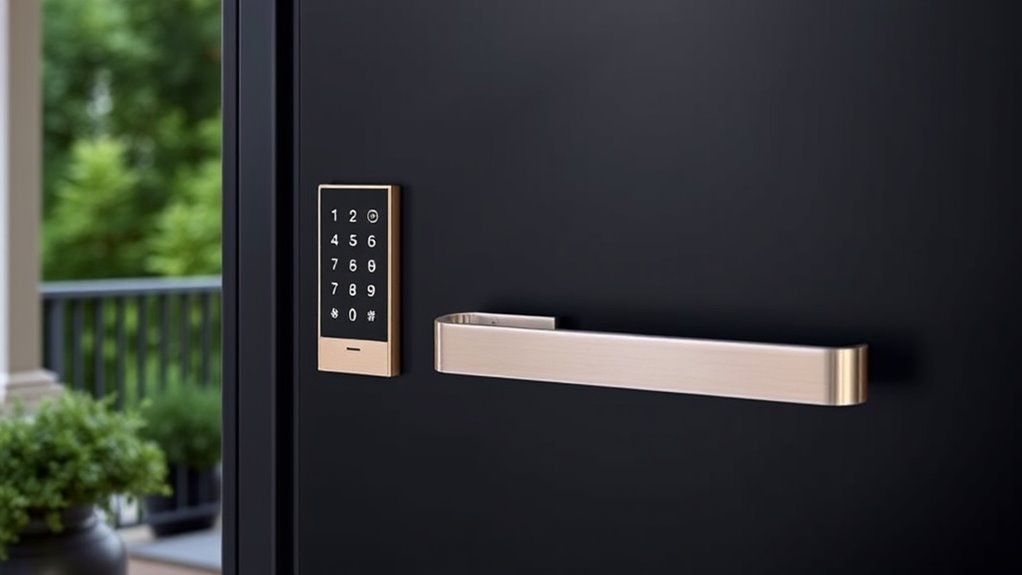
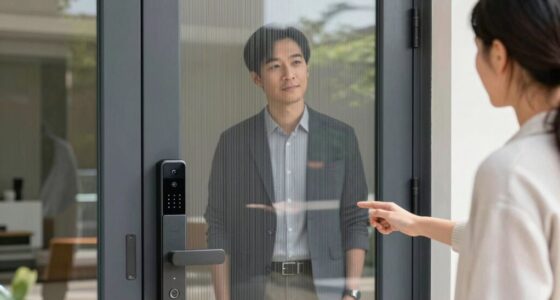
Keyless entry systems work by allowing you to unfasten and secure your doors without using a traditional key, often through electronic signals or codes. Many systems now incorporate biometric authentication, such as fingerprint scanning or facial recognition, to enhance security. This integration of advanced security features helps prevent unauthorized access and provides peace of mind. Additionally, understanding how encryption protocols protect your data can further improve confidence in the system’s safety. This means you can open your door quickly and confidently, knowing only you have access. Moreover, most systems include backup methods like physical keys or keypad codes, ensuring you aren’t locked out during technical issues or power failures. Implementing security best practices can further reduce potential vulnerabilities and enhance your home safety. Regular updates and proper configuration of the system play a crucial role in maintaining its overall security integrity.
How Can I Change My Home Safety Routine With Keyless Locks?
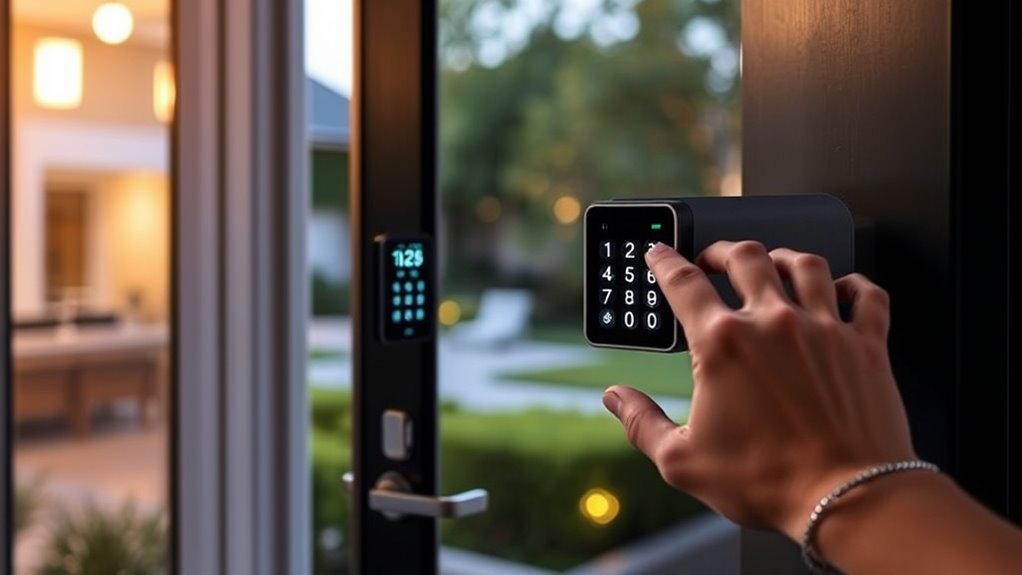
You can improve your home safety routine by simplifying access management with keyless locks, making it easier to control who enters your home. Enhancing security measures, like setting temporary codes for visitors, adds extra protection. Automating locking procedures guarantees your doors are always secured without extra effort on your part. Incorporating high security features such as advanced encryption can further strengthen your home’s defenses. Additionally, understanding the mechanisms behind lock operation can help you troubleshoot issues and maintain optimal security. Leveraging local automation can also streamline your security routines and ensure consistent safety protocols. Exploring the role of nanotechnology in developing smarter lock systems offers promising advancements in home security. Moreover, clear communication about privacy policies helps build trust and ensures users understand how their data is protected during automation processes.
Simplify Access Management
Switching to keyless locks can considerably streamline your home access routine by eliminating the need for physical keys. With digital access management, you can easily assign or revoke user permissions remotely, saving time and reducing hassle. Instead of handing out spare keys, you can generate unique codes or grant temporary access to family members, friends, or service providers. This level of control helps you keep track of who enters your home and when. Plus, changing permissions is quick and effortless, allowing you to adapt your access routines as needed. Modern cloud-based security systems also enable real-time monitoring and alerts, further enhancing your home’s safety and convenience. Overall, keyless locks simplify managing multiple users and enhance your home’s convenience, giving you peace of mind and a more organized approach to home access.
Enhance Security Measures
To substantially boost your home security with keyless locks, start by setting complex and unique access codes for each user. This enhances access customization, allowing you to control who enters and when. Avoid simple combinations, and regularly update codes to reduce vulnerabilities. Take advantage of keyless convenience by using features like temporary codes for visitors or service providers, which minimizes the need for physical keys. You can also disable codes remotely if you suspect they’ve been compromised. These measures strengthen your home’s security by making unauthorized access more difficult. By personalizing access and maintaining control over user codes, you create a safer environment that adapts to your daily routines and security needs, all while enjoying the simplicity keyless technology offers.
Automate Locking Procedures
Automating your lock routines can substantially improve your home’s safety by ensuring doors are secured without relying solely on manual actions. With keyless locks, you can set up automatic locking features, so your doors lock after a certain time or when you leave the house. Accessory installation is simple, often involving smart lock apps or compatible devices, which enhances user convenience. These systems can be programmed to lock or unlock at specific times, reducing the risk of forgetting to secure your home. By automating your locking procedures, you eliminate the need for manual lock checks and create a seamless security routine. Additionally, understanding the security features of your system can help you tailor the automation to best suit your needs. This not only saves time but also provides peace of mind, knowing your home is consistently protected even when you’re in a hurry.
What Do I Need to Know About Using Smartphone Apps and Remote Controls Safely?

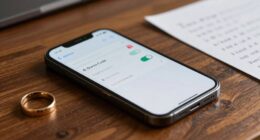
Using smartphone apps and remote controls can greatly enhance your home security, but it’s essential to handle them carefully to prevent potential risks. Always verify the app uses strong digital encryption to protect your data from hackers. Be cautious when granting app permissions—only allow access to necessary features, and regularly review these permissions to prevent unnecessary access. Keep your device’s software and the app itself up to date, as updates often include security improvements. Avoid sharing access codes or remote controls with others, and never leave your device unattended while controlling locks. By being vigilant about encryption and permissions, you minimize vulnerabilities, ensuring your keyless entry system remains a reliable and safe part of your home security routine.
How Do I Manage Access Codes and Permissions for Multiple Users?
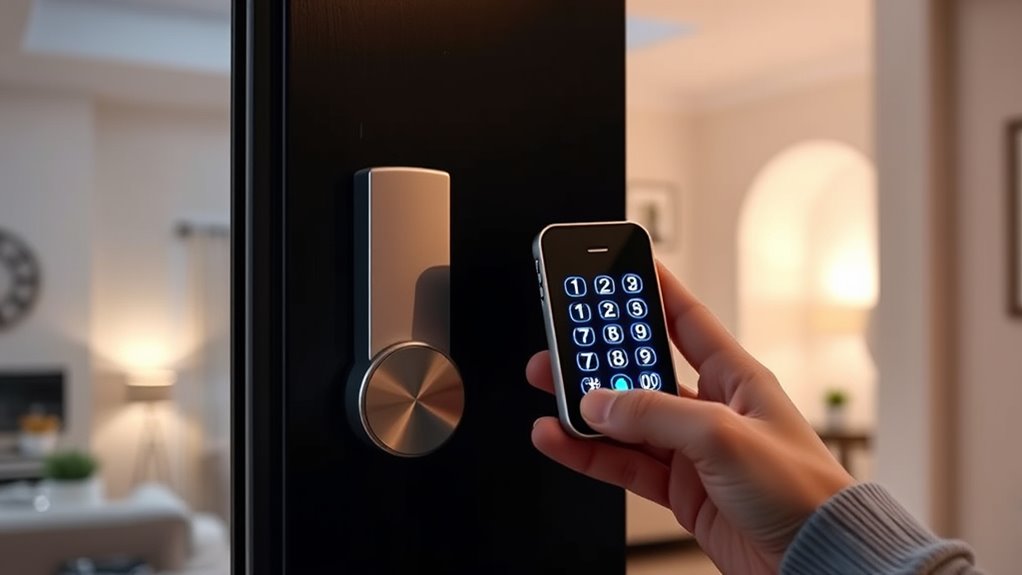
Managing access codes and permissions for multiple users is a key step in maintaining your home’s security. Effective access code management allows you to assign unique codes to each person, making it easier to track who enters and when. Regularly update or revoke codes for anyone who no longer needs access to prevent unauthorized entry. Permission control helps you set different access levels, such as temporary codes for guests or service providers. Keep a record of all assigned codes and monitor activity logs if your system offers them. By staying organized and proactive, you reduce the risk of security breaches. Additionally, essential oils for home safety can be incorporated into your routine to promote a calming and secure environment. Understanding relationship dynamics related to home security can help you communicate more effectively with household members about access protocols. Implementing secure login features further enhances protection by ensuring that only authorized users can modify access permissions, thereby strengthening your overall security measures. Regularly reviewing your access management system helps identify potential vulnerabilities and ensures your security setup remains effective. Furthermore, educating household members about security best practices can foster a collective responsibility for safety. Remember, clear communication with users about their access rights ensures everyone understands how to use the system responsibly and keeps your home safe.
How Can I Integrate Keyless Locks With Other Smart Home Devices?
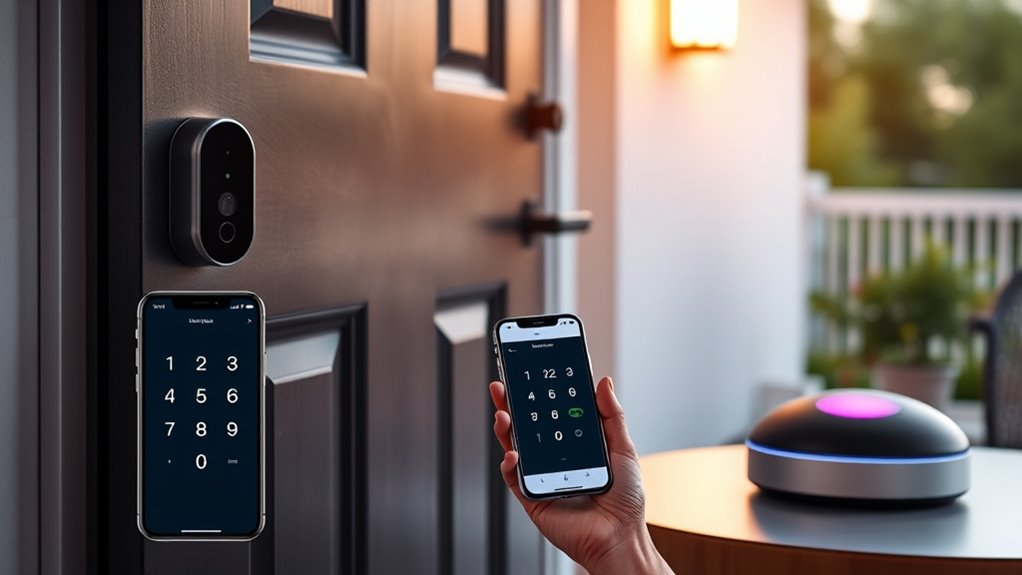
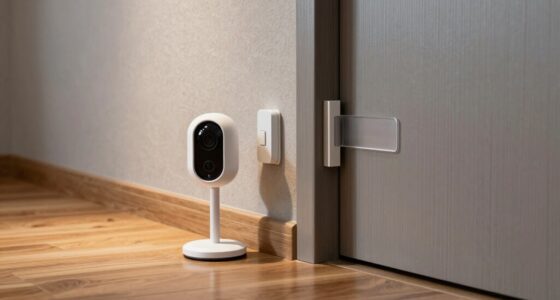
Integrating your keyless locks with other smart home devices allows you to synchronize security systems and streamline access. You can automate controls so your locks work seamlessly with alarms, cameras, and lighting. This integration enhances user management by giving you more control and flexibility over your home’s safety. Leveraging smart home technology can further optimize these connections for improved convenience and security. Additionally, understanding the types of smart locks available can help you choose options that best fit your existing system and needs. Implementing home automation principles can also lead to more intuitive and efficient security management.
Synchronizing Security Systems
Have you ever wondered how to seamlessly connect your keyless lock with your other smart home devices? The key is effective device synchronization. Start by linking your lock to your home automation hub or app, allowing you to manage access codes centrally. This simplifies access code management, so you can easily update or revoke codes without visiting the lock physically. Many smart locks integrate with security cameras, alarms, and lighting systems, enabling coordinated responses to security events. For example, when a door opens, your system can turn on lights or notify you via your smartphone. Ensuring proper device synchronization creates a cohesive security network, giving you greater control over your home’s safety and automating routine tasks effortlessly.
Automating Access Controls
Connecting your keyless lock with other smart home devices opens new levels of convenience and security. You can automate access controls by integrating biometric authentication or voice recognition systems. For example, set your smart lock to access when it recognizes your fingerprint or voice command, eliminating the need for physical keys. Compatibility varies among devices, so check your system’s capabilities.
| Smart Device | Functionality |
|---|---|
| Voice Assistant | Access via voice commands |
| Biometric Auth | Uses fingerprint or facial ID |
| Security System | Locks or access based on alerts |
| Smartphone App | Remote access and control |
Enhancing User Management
To enhance user management with your keyless lock, you can synchronize it with other smart home devices to create a seamless access experience. Integrating your lock allows you to manage user access easily, granting or revoking permissions instantly. This coordination helps guarantee that only authorized users enter your home and simplifies monitoring activities. You can set schedules for user access, limit entry times, or assign temporary codes for guests. Using a trustworthy communication protocol ensures your smart system communicates securely and reliably across devices. Implementing standardized device communication can further improve compatibility and security within your smart home ecosystem. Employing secure network practices minimizes vulnerabilities and protects your system from unauthorized access.
What Are the Main Security Risks of Keyless Entry, and How Can I Avoid Them?

While keyless entry systems offer convenience, they also introduce specific security risks that you need to be aware of. One major concern is encryption vulnerabilities, which can be exploited if hackers find weak points in the system’s code. Physical hacking is another threat, where intruders might use devices to intercept signals or manipulate hardware directly. To minimize these risks, ensure your system uses strong encryption protocols and regularly updates firmware. Additionally, avoid leaving your key fob or access device in easily accessible spots.
| Risk | How to Avoid It |
|---|---|
| Encryption vulnerabilities | Use systems with robust encryption and keep software updated |
| Physical hacking | Keep devices secure and avoid exposing them to high-risk areas |
How to Keep Your Digital Access Credentials Safe and Secure?
Keeping your digital access credentials safe is essential to prevent unauthorized entry and protect your personal information. Your digital passwords and biometric security features are the first line of defense. To strengthen your security, avoid using simple passwords, and opt for complex combinations that are hard to guess. Regularly update your passwords and enable multi-factor authentication whenever possible. Be cautious about sharing access codes and avoid writing them down in obvious places. Use biometric security features like fingerprint or facial recognition for added protection.
- Use strong, unique digital passwords for each account
- Enable multi-factor authentication
- Regularly update your passwords
- Avoid sharing or writing down access codes
- Rely on biometric security when available
What Should I Do If You Lose Your Access Device or Code?
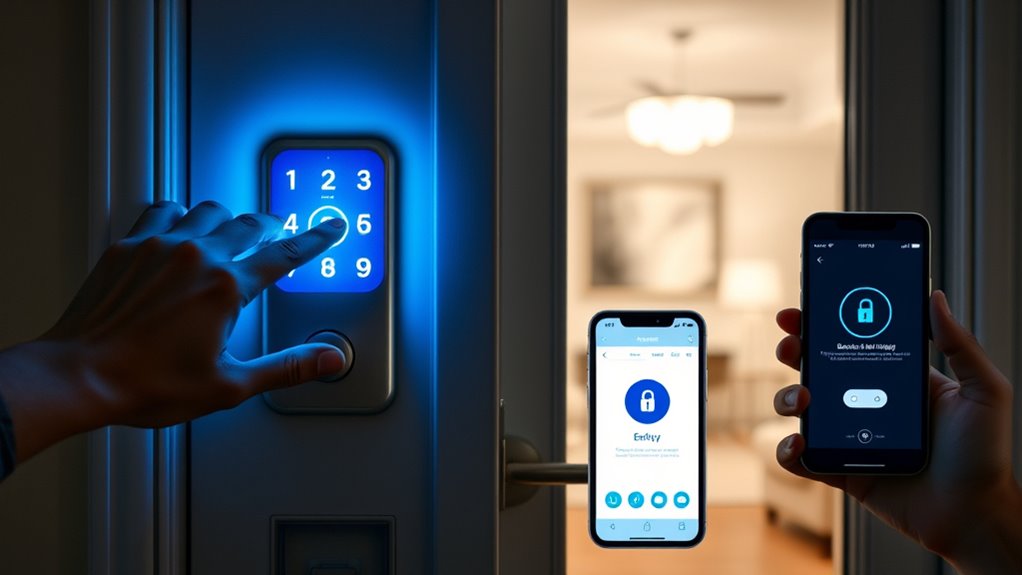
If you lose your access device or code, it’s vital to act quickly to protect your home. You should immediately change your access credentials to prevent unauthorized entry. Contact your security provider right away to make certain your system stays secure and up to date.
Immediate Access Change
Losing your access device or code can be stressful, but acting quickly is essential to secure your home. First, disable the lost device through your system’s app or control panel to prevent unauthorized entry. Consider implementing accessory upgrades like backup codes or biometric options to strengthen security. Review your emergency protocols to ensure swift response if needed.
Remember:
- Change your lock codes immediately
- Notify your security provider if applicable
- Disable or reset the lost device remotely
- Update access permissions for trusted users
- Keep emergency contact info handy
Contact Security Provider
When you realize your access device or code is missing, contacting your security provider promptly is the best course of action. They can perform a security consultation to assess the situation and determine whether your home’s access needs immediate changes. Your provider may recommend updating or disabling old codes or devices to prevent unauthorized entry. This step is vital for emergency planning, ensuring your home remains secure while you resolve the issue. Be prepared to answer questions about your recent activity and confirm your identity. Acting quickly helps minimize risks and keeps your home safe. Remember, your security provider has the tools and expertise to guide you through the process efficiently, giving you peace of mind during an uncertain situation.
How Can I Teach My Family About New Safety Habits With Keyless Locks?

Teaching your family about new safety habits with keyless locks requires clear communication and consistent practice. Start by explaining how the locks work and why they improve safety. Use simple language to guarantee everyone understands. Incorporate safety education into daily routines to reinforce habits. To make learning easier, consider these tips:
- Practice entering and exiting with the code regularly
- Create a family plan for lost or forgotten codes
- Establish a protocol for sharing access securely
- Remind everyone to lock the door after use
- Encourage open family communication about safety concerns
What Are the Future Trends in Keyless Home Security and How Might They Affect Your Daily Safety?

As technology continues to advance, future trends in keyless home security are set to make your home safer and more convenient. Expect smart locks to become more integrated with your smart home systems, allowing you to control access remotely and monitor activity in real-time. Biometric security, such as fingerprint or facial recognition, will enhance safety by providing unique, hard-to-duplicate access methods. These innovations will reduce the risk of lost keys or code sharing, making daily safety easier to maintain. Additionally, AI-powered security features will analyze patterns and detect unusual activity, alerting you immediately. Overall, these trends will streamline your home security, giving you greater peace of mind and more control over who enters your home.
Frequently Asked Questions
Can Keyless Locks Be Hacked Remotely or Physically Forced Open?
Keyless locks can be hacked remotely or physically forced open if security vulnerabilities exist. Hackers may exploit weak encryption or outdated firmware, so it is crucial to update your system regularly and use strong, unique passwords. Physical forced entry might be possible if someone tampers with the lock mechanism. To improve hacking prevention, choose high-quality locks with robust security features and consider adding alarm systems or cameras for extra protection.
Do Keyless Entry Systems Require Regular Software Updates?
Think of your keyless entry system like a car that needs regular maintenance. Yes, it requires software updates to stay secure. These updates act as security patches, fixing vulnerabilities and keeping hackers at bay. Without them, your system becomes a weaker lock in a digital fortress. So, make sure you regularly update your software to protect your home, just as you would service your vehicle for safety and performance.
How Do I Handle Power Outages With Electronic Locks?
During power outages, you handle electronic locks by using the built-in battery backup to keep the system running. If the backup fails, you can access your home with the manual key access option. It’s wise to keep a spare key in a safe, accessible spot or with a trusted neighbor. Regularly check your battery backup’s status so you’re prepared for outages and avoid being locked out.
Are There Age Restrictions or Accessibility Concerns With Keyless Systems?
You might wonder about age limitations or accessibility challenges with keyless systems. Generally, there are no strict age restrictions, but younger children may struggle with digital locks, and seniors might find them difficult if they have mobility or vision issues. To guarantee everyone can use your keyless entry, choose user-friendly options, provide proper instructions, and consider alternative access methods like backup keys or smart home integrations for accessibility.
What Backup Methods Are Available if My Electronic System Fails?
If your electronic keyless system fails, you can use manual keys or mechanical locks as backup methods. Keep a spare key in a safe, discreet location or with a trusted neighbor. Mechanical locks, like traditional deadbolts, provide reliable security without electronics. Regularly check and maintain these backups to guarantee quick access during system outages, so you’re never locked out or vulnerable.
Conclusion
Embracing keyless entry transforms your home into a sleek, modern fortress, where your digital keys release a new level of safety and convenience. Imagine walking up to your door, confidently tapping your smartphone as the lock whisperingly responds, seamlessly integrating into your daily routine. With mindful management and smart habits, you create a sanctuary where security feels effortless—turning your everyday space into a safe haven, glowing softly with the promise of future innovations.