
To prepare your home for floods, fires, and storms, make certain you have thorough insurance and review it regularly. Build an emergency kit with food, water, and important documents, and store it in an accessible spot. Make physical modifications like sealing basement cracks, installing storm shutters, and clearing vegetation to reduce fire risk. Develop family plans, stay informed with alerts, and practice safety drills. Keep these steps in mind, and you’ll find ways to better protect your home when disaster strikes.
Key Takeaways
- Ensure comprehensive home insurance coverage that includes protection against local natural disasters like floods, fires, or storms.
- Prepare an emergency kit with essential supplies, medications, and important documents in a waterproof container.
- Install physical safeguards such as sump pumps, storm shutters, and secure outdoor furniture to mitigate damage.
- Conduct regular risk assessments and develop family emergency plans with clear evacuation routes and communication strategies.
- Stay informed through alerts and weather updates to respond quickly and effectively during disasters.
Natural disasters can strike unexpectedly, but you can take proactive steps to protect your home and loved ones. One of the most important actions you can take is guaranteeing you have extensive home insurance. A good policy can provide critical financial support if your property sustains damage from floods, fires, or storms. Review your coverage regularly to confirm it includes protection against natural disasters common in your area. Understanding your policy helps you avoid surprises when disaster strikes, giving you peace of mind that repairs or rebuilding costs will be covered.
Equally crucial is preparing an emergency kit that’s ready to go at a moment’s notice. Your kit should include essentials like non-perishable food, water, a flashlight, batteries, a first-aid kit, and necessary medications. Keep it in a readily accessible location and check it periodically to replace expired supplies. This way, if you need to evacuate quickly, you won’t waste precious time gathering necessities. Your emergency kit also should contain important documents, such as your home insurance policy, identification, and medical records, stored in a waterproof container. Having these documents on hand can streamline the process of filing claims or getting assistance after a disaster.
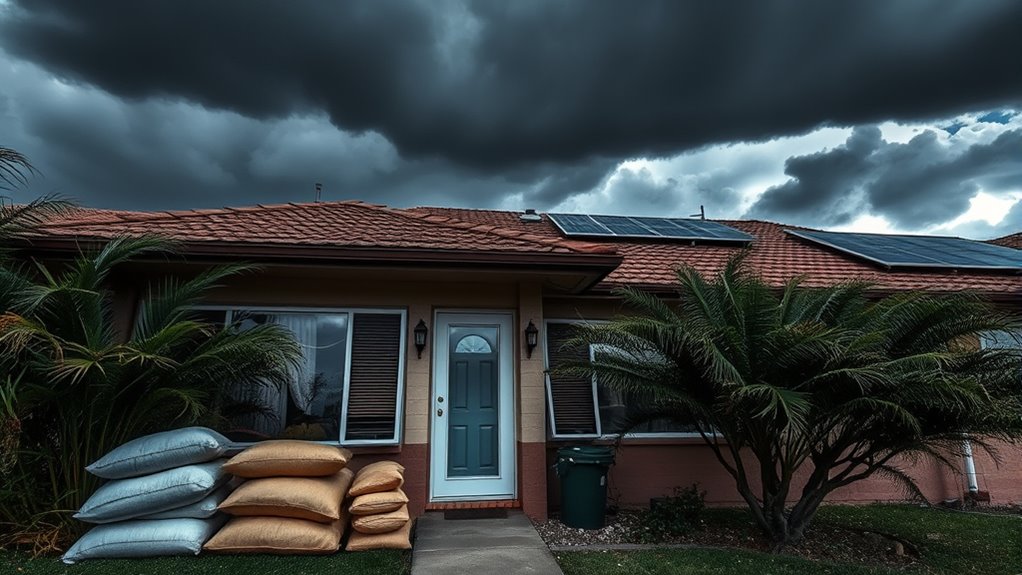
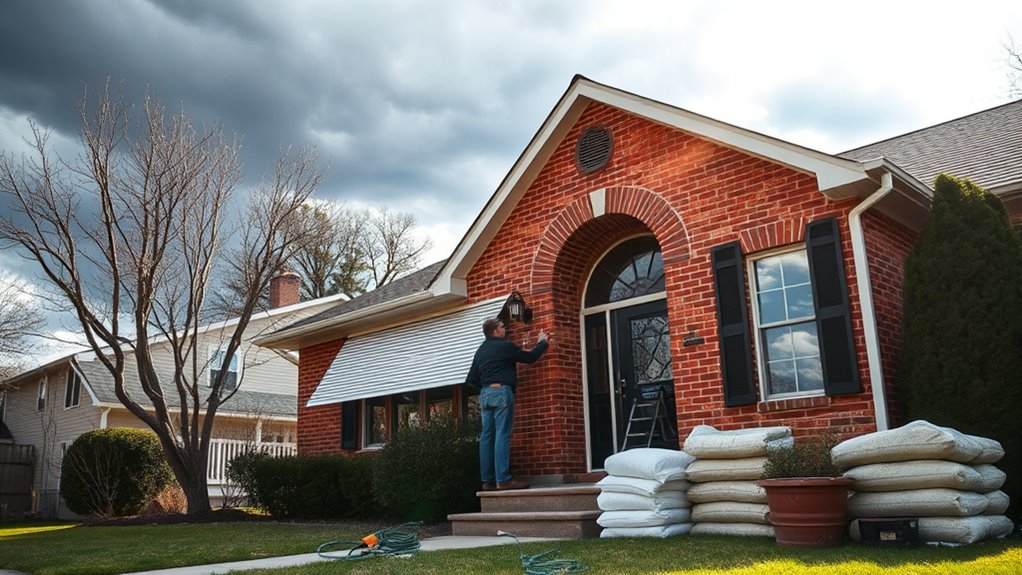
To further prepare your home, consider making physical modifications that reduce damage risks. For floods, install sump pumps and seal basement cracks. For fires, clear brush and dead vegetation around your property, and use fire-resistant landscaping. During storms, reinforce windows with storm shutters or plywood, and secure outdoor furniture or loose items that could become projectiles. These measures can minimize property damage and keep you safer during extreme weather events. Additionally, understanding the importance of risk assessment helps you prioritize the most effective safety measures based on your area’s specific hazards.
Stay informed about the risks specific to your area by subscribing to local alerts and weather updates. This knowledge allows you to act promptly when warnings are issued. Develop a family emergency plan that includes evacuation routes, designated meeting points, and communication strategies. Practice this plan regularly to ensure everyone knows what to do in a crisis. Being prepared mentally and physically can make a significant difference when disaster strikes.
Ultimately, protecting your home from floods, fires, and storms involves a combination of insurance coverage, emergency preparedness, and physical safeguards. By taking these steps, you not only secure your property but also create a safer environment for your loved ones. Preparation might seem like a lot initially, but the peace of mind it offers when facing unpredictable natural events is invaluable. Being ready means you’re less likely to be caught off guard and more capable of handling whatever nature throws your way.

Mini First Aid Kit – 150 Piece Small Waterproof Hard Shell Medical Kit for Home, Car, Travel, Camping, Truck, Hiking, Sports, Office, Vehicle & Outdoor Emergencies- Small First Aid Medical Kit (Red)
ESSENTIALS FOR EMERGENCY: Everything you need is in this first aid kit! Our kit includes over 150 professional-grade…
As an affiliate, we earn on qualifying purchases.
As an affiliate, we earn on qualifying purchases.
Frequently Asked Questions
How Do I Create an Emergency Communication Plan for My Family?
To create an emergency communication plan for your family, start by choosing a reliable family communication method, like a group chat or designated meeting spot. Make sure everyone knows emergency contacts, including relatives and local authorities. Practice the plan regularly, so family members are prepared. Keep a printed copy of emergency contacts and plan details in an accessible place, ensuring everyone can quickly connect during a disaster.
What Insurance Policies Should I Consider for Natural Disaster Coverage?
Think of your home as a fortress under siege—you need the right armor. Consider insurance coverage that includes flood, fire, and storm policies to shield you from unpredictable battles. Explore policy options like homeowners, renters, or specialized disaster policies to guarantee thorough protection. By choosing the right coverage, you secure peace of mind, knowing you’re prepared for whatever nature throws your way.
How Can I Protect My Pets During a Flood or Fire?
To protect your pets during a flood or fire, guarantee pet safety by creating an emergency plan that includes quick access to emergency pet supplies like food, water, and medical records. Keep a leash, carrier, and flashlights handy. Practice evacuation drills with your pets regularly, so they’re familiar with the process. Staying calm and organized helps keep your pets safe and reduces their stress during emergencies.
What Community Resources Are Available After a Disaster Strikes?
When disaster hits, you can find hope through community resources that stand ready to support you. Local community shelter options open their doors to those in need, offering safety and comfort. Volunteer opportunities become essential, allowing you to give back and strengthen your neighborhood. Stay alert, connect with local agencies, and remember—help is available, waiting just around the corner, ready to guide you through recovery and rebuild your life.
How Do I Secure Important Documents Against Water or Fire Damage?
You should prioritize document preservation by storing important papers in fireproof storage containers and waterproof bags. Keep digital copies on secure cloud services or external drives stored in a safe, accessible location. Regularly update and organize your documents to guarantee quick access. By taking these steps, you protect essential records from water or fire damage, making recovery easier after a disaster.
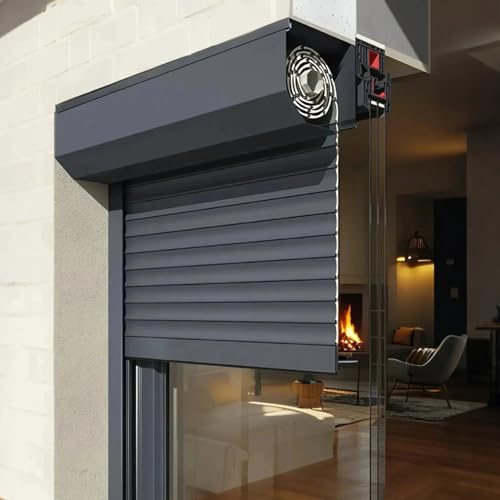
Storm Windows Shutters Retractable Screen for Garage Patio Roll Down Exterior Motorized (Gray)
As an affiliate, we earn on qualifying purchases.
As an affiliate, we earn on qualifying purchases.
Conclusion
Preparing your home for natural disasters might seem intimidating, but it’s your safest bet during chaos. Think of it as building a sturdy fortress in a storm’s eye—calm inside while chaos rages outside. By taking proactive steps, you create a haven of security amidst nature’s fury. Remember, a well-prepared home isn’t just about protection; it’s about peace of mind. When disaster strikes, your readiness becomes the calm in the storm.

WAYNE CDU790-1/3 HP Submersible Cast Iron and Stainless Steel Sump Pump with Integrated Vertical Float Switch – Up to 4,600 Gallons Per Hour – Heavy Duty Basement Sump Pump, Black
Indoor Use Only – This 1/3 HP WAYNE basement sump pump is perfect to keep your basement dry…
As an affiliate, we earn on qualifying purchases.
As an affiliate, we earn on qualifying purchases.

23.6" Inch Long Sleeves Welding Safety Gloves, Lined And Kevlar Stitching Welders Gauntlets Wood Burners Accessories Gloves, Heat Resistant Stove Fire And Barbecue Gloves, Gifts for Men Dad Husband
PREMIUM MATERIALS: Durability with high grade of Cowhide split leather . Full cow split leather back till the…
As an affiliate, we earn on qualifying purchases.
As an affiliate, we earn on qualifying purchases.