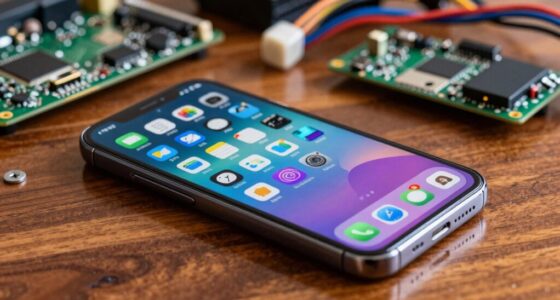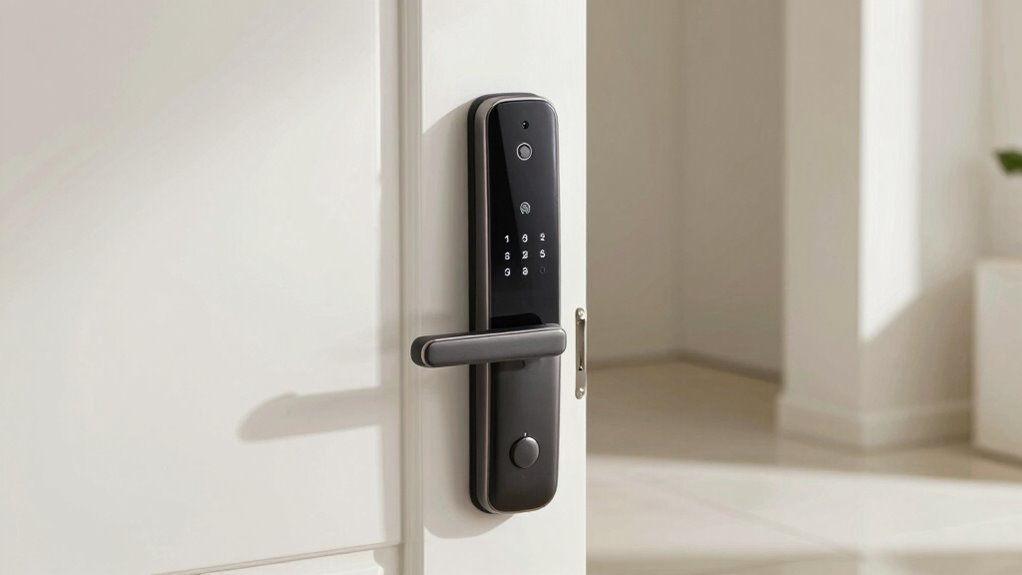

Placing your smart lock too far from your phone or in areas with metal surfaces, thick walls, or electronic interference can ruin its Bluetooth connection and cause access delays. Positioning it poorly can also make it vulnerable to tampering or damage, reducing convenience and security. To keep your smart lock working smoothly, you need to find a spot with clear signal range, protection from environmental factors, and easy access. Want to know how to avoid these common placement mistakes?

Get privacy and security gear delivered free — and shop member deals
- Fast, free delivery on millions of items
- Access to Prime Big Deal Days deals on October 6–7
- Prime Video, Amazon Music and more included
Key Takeaways
- Installing the lock too far from the user’s typical approach weakens Bluetooth signal and delays or prevents unlocking.
- Placing the lock near metal surfaces or thick walls interferes with Bluetooth connectivity, reducing reliability.
- Incorrect orientation or placement in harsh sunlight or weather can cause operational issues and damage.
- Positioning the lock where electromagnetic interference is high can impair Bluetooth performance and user experience.
- Installing the lock in an easily tampered or inaccessible location undermines security and emergency access.
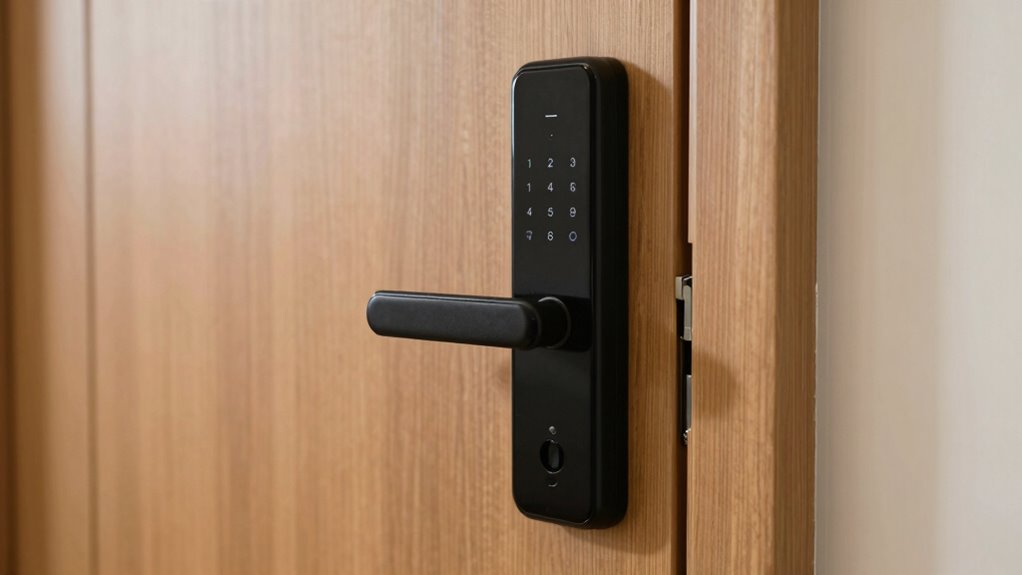
If you’ve recently installed a smart lock, you might not realize that its placement can substantially impact its functionality and security. A poorly positioned lock can hinder its ability to provide seamless keyless entry, causing frustration and potentially compromising your home’s safety. When you’re setting up your smart lock, you want to guarantee it’s placed where it can best leverage features like Bluetooth connectivity, which is vital for smooth, app-based unlocking. If the lock is installed too far from your usual entry point, or if obstacles block its Bluetooth signal, you’ll notice delays or failures when trying to unlock your door with your smartphone. Proper placement is essential to ensure the lock operates reliably and offers the convenience you expect. Bluetooth connectivity allows you to unlock your door without fumbling for keys, offering a level of convenience that many desire. But this feature is only effective if the lock is positioned within an ideal range of your device. Typically, Bluetooth works best within 10 meters—so placing the lock in a spot where the signal can easily reach your phone is essential. If the lock is installed near metal surfaces, thick walls, or other electronic devices, these can interfere with the Bluetooth signal, reducing its reliability. This can leave you stuck outside, unable to unlock your door even when you have your phone in hand. Another aspect to think about is the lock’s orientation relative to the door handle and the user’s typical approach. If it’s mounted too high or too low, you might struggle to access the keypad or touchpad, defeating the purpose of keyless entry. Proper placement ensures you can easily use the lock’s keypad or biometric features, if available, without awkward stretching or bending. It’s also wise to avoid installing the lock in a spot where it’s exposed to direct sunlight or harsh weather, which can damage the electronics and impair Bluetooth connectivity over time. Additionally, considering the signal interference from nearby objects or electronic devices can help maintain a strong Bluetooth connection and reliable operation. Ensuring the lock is installed in a location free from electromagnetic interference can further improve connectivity and performance. To optimize your smart lock’s performance, it’s also helpful to consider the device range and how often you’ll need to access the lock from different locations. Proper placement also involves accounting for potential security vulnerabilities, such as installing the lock where it’s less susceptible to tampering or vandalism. A well-placed lock can also benefit from proper lighting, making it easier to operate at night and deterring potential intruders. Beyond convenience, incorrect placement can also compromise security. A lock positioned too close to a window or exterior wall could be tampered with more easily. Conversely, a lock installed in a hidden or hard-to-reach place might be inaccessible for authorized users in emergencies. Striking the right balance is key—install the lock where it’s accessible, protected from the elements, and within range of your devices’ Bluetooth signals. Doing so guarantees you enjoy the full benefits of keyless entry and reliable Bluetooth connectivity, making your smart lock truly smart and secure.
As an affiliate, we earn on qualifying purchases.
Frequently Asked Questions
How Do Smart Locks Connect to Home Wi-Fi Networks?
Smart locks connect to your home Wi-Fi network using wireless protocols like Wi-Fi or Bluetooth, depending on the model. You usually set them up through an app, where you’ll select your network and enter your password. Be mindful of signal interference from other devices or thick walls, which can weaken the connection. Proper placement guarantees a strong signal, making your smart lock work smoothly and reliably.
Can Smart Lock Placement Affect Other Smart Home Devices?
Yes, smart lock placement can impact other devices. If you place your lock too close to routers or smart hubs, it might cause interference, affecting Wi-Fi connectivity and security. This can lead to security vulnerabilities or drain batteries faster. Imagine your smart lock constantly losing connection because of poor placement—your other devices could face similar issues, reducing overall efficiency and risking security. Proper placement guarantees all devices work smoothly and securely.
What Safety Features Do Smart Locks Typically Include?
Smart locks typically include safety features like multiple layers of user authentication, such as passcodes, fingerprint recognition, or smartphone app access. These features help prevent security vulnerabilities by ensuring only authorized users can *release* your door. Many also offer auto-lock functions, tamper alerts, and activity logs. These safety measures protect your home, but you should regularly update firmware and credentials to maintain security and prevent potential vulnerabilities.
How Often Should I Replace the Batteries in a Smart Lock?
You should replace your smart lock batteries every 6 to 12 months, depending on usage. Keep an eye on the power indicators; they’ll alert you when the batteries are running low. Battery lifespan varies based on how often you lock and unlock the door, so checking these indicators regularly helps prevent unexpected lockouts. Regular replacement guarantees your smart lock remains dependable and functions smoothly.
Are There Legal Restrictions for Smart Lock Installation?
Like a knight’s code, legal regulations and installation guidelines govern smart lock setups. You should check your local laws before installation, as restrictions may vary by region. Some areas require professional installation or specific security standards. Ignoring these rules could lead to fines or security issues. Stay informed and guarantee your smart lock complies with all legal requirements to enjoy seamless, secure access without any unintended consequences.
As an affiliate, we earn on qualifying purchases.
Conclusion
If you place your smart lock too high or too low, you might struggle with convenience or security, much like Sarah, who installed hers out of reach for her kids. They couldn’t lock or activate it easily, causing frustration and delays. Your smart lock’s placement isn’t just about aesthetics; it’s about everyday practicality. Take the time to find the right spot—your peace of mind and ease of access depend on it.
As an affiliate, we earn on qualifying purchases.
best location for smart lock installation
As an affiliate, we earn on qualifying purchases.
As an affiliate, we earn on qualifying purchases.
Evergreen bestsellers Picks
bestsellers
As an affiliate, we earn on qualifying purchases.