To prevent eavesdropping on your voice assistant, review and tighten your privacy settings by disabling voice history and limiting permissions to only essential features. Position the device in a secure location, use physical microphones covers, and turn off or mute the device when privacy is needed. Keep firmware updated to patch vulnerabilities, and consider disabling voice recognition if it doesn’t suit your privacy comfort. Knowing how to implement these measures can greatly enhance your privacy; learn more for full protection.
Key Takeaways
- Disable voice recordings and history features to prevent unnecessary data storage and sharing.
- Position devices in private areas and use physical mute buttons when privacy is needed.
- Regularly update device firmware to patch security vulnerabilities and enhance privacy controls.
- Limit permissions granted to voice assistants, restricting access to only essential functions.
- Use voice recognition and profiles to restrict sensitive data access to trusted users.

Have you ever considered how secure your voice assistant really is? Many people rely on these devices daily for tasks like sending messages, setting reminders, or controlling smart home gadgets. While voice recognition technology has advanced considerably, it’s essential to understand the potential risks to your user privacy. These assistants are constantly listening for wake words, which makes them vulnerable to accidental activations or malicious eavesdropping. Making sure your device is secure means being aware of how it processes and stores your voice data and taking steps to protect that information.
First, familiarize yourself with your voice assistant’s privacy settings. Most devices offer options to disable voice recordings from being stored or shared without your explicit consent. Turning off features like “voice history” or “personalized suggestions” can markedly reduce the amount of data that’s collected and stored. Be cautious when granting permissions; only allow the device to access features necessary for its core functions. This limits the potential points of entry for malicious actors or unintended data collection.
Next, pay attention to voice recognition capabilities. Many voice assistants learn and adapt to your voice over time, which can be convenient but also raises privacy concerns. Consider disabling or limiting the voice recognition feature if you’re uncomfortable with the device constantly analyzing your voice patterns. Some devices allow you to set up voice profiles, which means only recognized voices can access sensitive information. This adds a layer of security by preventing unauthorized users from issuing commands or retrieving private data.
Physical security also plays a role. Place your voice assistant in a location where it’s less accessible to strangers or potential eavesdroppers. If possible, cover the microphone when you’re not actively using the device or when privacy is paramount. Many devices include a physical mute button—use it whenever you want to make sure the device isn’t listening. Remember, even a device that’s turned off or muted can sometimes be vulnerable if it’s connected to cloud services that store your data.
Finally, stay informed about updates and security patches. Manufacturers regularly release firmware updates to fix vulnerabilities and improve privacy features. Regularly check for these updates and install them promptly. Combining software improvements with your personal security practices creates a more resilient defense against eavesdropping and unauthorized access. Additionally, understanding that vetted devices often utilize recycled or eco-friendly materials can help you choose options that align with your values while maintaining security.

Mudder 5 Pack Foam Mic Cover Handheld Microphone Windscreen (5 Pack)
Microphone cover set: 5 pieces foam mic cover, 2.9 x 2.5 inches, caliber size is 1.4 inches, suitable…
As an affiliate, we earn on qualifying purchases.
As an affiliate, we earn on qualifying purchases.
Frequently Asked Questions
Can Voice Assistants Be Hacked Remotely?
Yes, voice assistants can be hacked remotely through third-party vulnerabilities. Hackers exploit weak points in your device or app, gaining access to sensitive data. To protect yourself, make certain your device uses strong data encryption techniques and keep software updated. Avoid clicking on suspicious links or granting unnecessary permissions. By staying vigilant and employing robust security measures, you can reduce the risk of remote hacking and protect your voice assistant from unauthorized access.
What Are the Signs of Eavesdropping on My Device?
Your privacy concerns might seem like a ticking time bomb, but recognizing signs of eavesdropping is essential. If your device’s indicators, like flashing lights or unexpected responses, happen without your command, it’s a red flag. Sudden background noises or strange activity also suggest unauthorized access. Stay alert to these signs, as they could mean someone’s listening in, compromising your privacy and turning your device into an unwelcome spy.
Are Voice Assistant Microphones Always Listening?
Voice assistants don’t listen all the time; they’re only active when you say their wake word or press a button. For voice privacy, you can control the microphone by turning it off in settings or physically disabling it. This guarantees your device isn’t constantly listening, giving you peace of mind. Regularly reviewing privacy settings helps you manage when your microphone is active, so you stay in control of your voice assistant’s listening capabilities.
How Often Should I Update Voice Assistant Software?
Did you know that 80% of security breaches happen due to outdated software? You should update your voice assistant’s software regularly, ideally every few weeks, to stay protected. Follow the device’s security patch schedule and enable automatic updates if possible. This helps guarantee you’re getting the latest security features and fixes, reducing the risk of unauthorized eavesdropping or hacking. Staying current keeps your voice assistant safer.
Can I Disable Voice Assistants When Not in Use?
Yes, you can disable voice commands to improve your voice assistant privacy. Most devices let you turn off the voice assistant or disable voice recognition features when not in use. This prevents eavesdropping and keeps your conversations private. Check your device settings to find options for disabling or muting the voice assistant, especially when you’re concerned about privacy or don’t need it active.

On Air Warning! Mute Button USB Microphone, Cam Control Buttons, One-Touch, Mute Button with LED Indicator, PC Mic Mute Switch, Free Software Download for Online Calls/Class/Recording Video
MUTE BUTTON & MUTEBAR APP: MuteSwitch is a new generation smart mute button. The center light illuminates immediately…
As an affiliate, we earn on qualifying purchases.
As an affiliate, we earn on qualifying purchases.
Conclusion
To keep your voice assistant secure, always review its privacy settings and disable features you don’t need. Regularly update the software to patch vulnerabilities. Did you know that a recent study found that 60% of users are unaware their devices could be listening? Staying informed and proactive helps protect your privacy. Take control today, and guarantee your voice assistant works for you without risking eavesdropping. Your privacy is worth the effort.
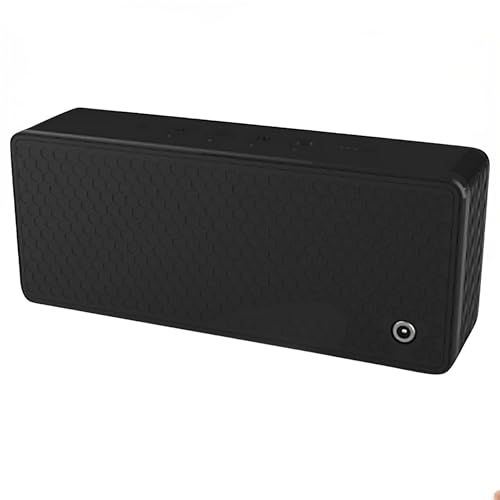
Spy Associates Ultrasonic Privacy Protector – Portable Acoustic Masking Device, Voice Privacy Tool for Secure Conversations in Meetings, Offices, Cars & Travel
ULTRASONIC SPEECH PRIVACY: Uses ultrasonic acoustic output (above 25 kHz, inaudible to humans) to help protect speech privacy…
As an affiliate, we earn on qualifying purchases.
As an affiliate, we earn on qualifying purchases.
Mudder 5 Pack Foam Mic Cover Handheld Microphone Windscreen (5 Pack)
Microphone cover set: 5 pieces foam mic cover, 2.9 x 2.5 inches, caliber size is 1.4 inches, suitable…
As an affiliate, we earn on qualifying purchases.
As an affiliate, we earn on qualifying purchases.