
As quantum computing advances, traditional encryption methods in your smart home become vulnerable, risking your personal data and device security. Starting now with quantum-safe encryption defends your privacy from future threats by using advanced algorithms resistant to quantum attacks. Taking early action ensures your devices and information stay secure. If you want to understand how to prepare for these changes and safeguard your digital life, you’ll find helpful insights ahead.
Key Takeaways
- Quantum-resistant encryption protects smart home devices from future quantum-based hacking threats.
- Early adoption ensures data privacy and prevents potential exposure of personal routines and sensitive information.
- Transitioning now mitigates risks of obsolescence as quantum algorithms threaten current encryption standards.
- Implementing quantum-safe solutions enhances long-term security for connected devices and IoT ecosystems.
- Staying proactive safeguards smart homes against emerging cybersecurity vulnerabilities driven by quantum computing advances.

Quantum Computing For Engineers: The Language, The Hardware, The Future
As an affiliate, we earn on qualifying purchases.
As an affiliate, we earn on qualifying purchases.
Understanding the Threat: How Quantum Computing Challenges Traditional Security
Quantum computing poses a significant threat to traditional security methods because it can perform complex calculations much faster than classical computers. This speed enables quantum algorithms, like Shor’s algorithm, to crack widely used cryptographic systems such as RSA and ECC. These algorithms expose cryptographic vulnerabilities that were previously considered secure, risking the confidentiality and integrity of sensitive data. As quantum computers advance, they could decrypt encrypted communications, compromise digital signatures, and break authentication protocols. This potential for rapid decryption underscores the urgency to understand how quantum algorithms threaten current encryption standards. Without adaptation, our existing security infrastructure could become obsolete, leaving personal information, financial data, and national security at significant risk.
Post-Quantum Cybersecurity for Embedded Systems: Engineering Quantum-Resilient Firmware, RTOS Platforms, IoT Devices, and Edge Infrastructure
As an affiliate, we earn on qualifying purchases.
As an affiliate, we earn on qualifying purchases.
The Fundamentals of Quantum‑Safe Encryption Technologies
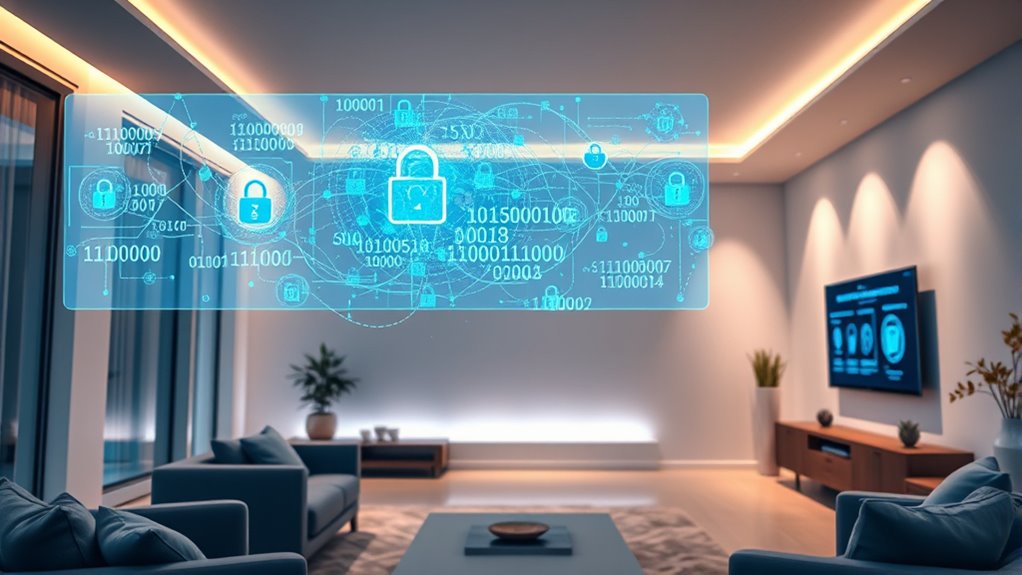
As quantum threats become more imminent, researchers and security experts are developing new encryption methods designed to withstand quantum attacks. Quantum-safe encryption relies on cryptographic protocols that are resistant to quantum algorithms, which can efficiently break traditional encryption schemes. These protocols often use mathematical problems that are hard for quantum computers, such as lattice-based, code-based, or multivariate cryptography. Unlike classical methods, quantum-safe algorithms are designed to remain secure even when powerful quantum algorithms like Shor’s or Grover’s are applied. The goal is to create a robust foundation for protecting your smart home devices and personal data now and into the future. Understanding these fundamentals helps you recognize the importance of adopting quantum-resistant solutions before vulnerabilities emerge. Cybersecurity is increasingly integrating quantum-safe encryption to safeguard sensitive information against future threats.
quantum encryption for smart home
As an affiliate, we earn on qualifying purchases.
As an affiliate, we earn on qualifying purchases.
Assessing the Risks to Smart Home Devices and Personal Data

Have you considered how vulnerable your smart home devices and personal data might become as quantum computing advances? Quantum threats could expose device vulnerabilities that were previously secure, making your smart locks, cameras, and thermostats targets for hacking. These devices often rely on encryption methods that quantum computers can eventually crack, risking unauthorized access. Data privacy also faces serious threats; sensitive information like voice commands, routines, and personal preferences could be exposed or manipulated. Without proper risk assessment, you may underestimate the potential damage. Recognizing these vulnerabilities now is essential to safeguard your digital life. Staying informed about these risks helps you prepare for future security challenges and guarantees your personal data remains protected as quantum technology evolves. Additionally, the potential for AI security vulnerabilities highlights the importance of proactive measures to defend against emerging threats.
Migration to Post-Quantum Cryptography: Cryptographic Discovery – Approach, Architecture, and Security Characteristics of Public Key Application Discovery Tools
As an affiliate, we earn on qualifying purchases.
As an affiliate, we earn on qualifying purchases.
Steps to Implement Quantum-Resistant Security Measures in Your Home

To protect your smart home devices from future quantum threats, you need to start implementing quantum-resistant security measures now. Begin by evaluating your current encryption standards and replacing vulnerable algorithms with quantum-safe alternatives. Quantum algorithms like lattice-based, code-based, and multivariate cryptography are designed to withstand quantum attacks. Update firmware and security protocols on your devices to incorporate these new algorithms, ensuring they align with emerging standards for quantum resistance. Consult with cybersecurity experts or manufacturers to confirm your home’s encryption methods are compatible with quantum-safe technology. Regularly monitor developments in quantum cryptography and stay informed about updates to encryption standards to keep your smart home secure against evolving threats. Acting now ensures you’re prepared for the quantum future. Additionally, paying attention to encryption standards can help you adapt quickly as new guidelines are established.
The Future of Digital Privacy in a Quantum World
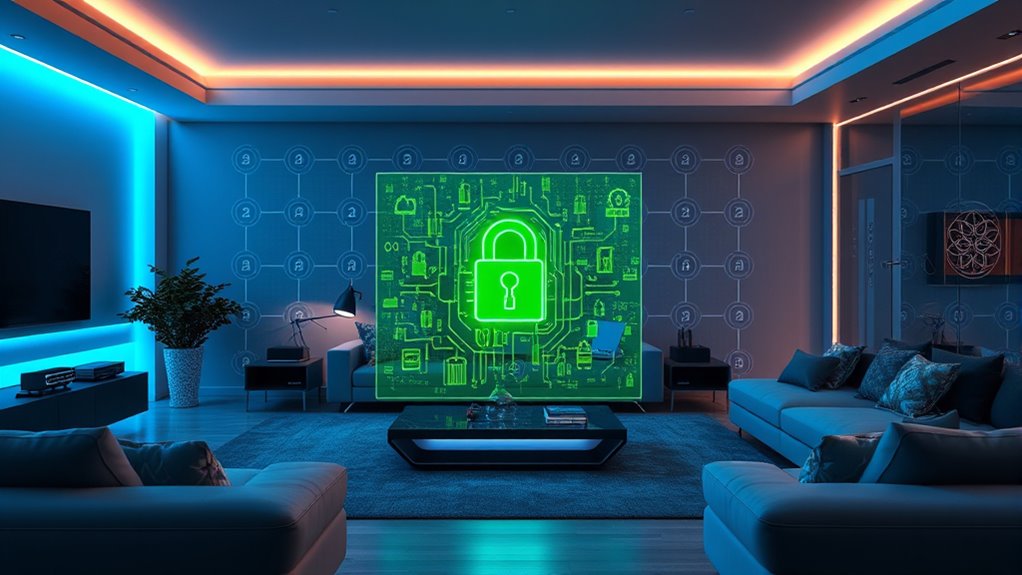
What will digital privacy look like once quantum computers become mainstream? Quantum algorithms will revolutionize data encryption, making current security methods vulnerable. Traditional encryption, like RSA and ECC, could be easily broken by powerful quantum machines, risking your personal and financial information. To maintain privacy, new quantum-resistant encryption techniques must be developed and adopted. These advanced algorithms are designed to withstand quantum attacks, ensuring your data remains secure. As quantum technology advances, the landscape of digital privacy will shift considerably. You’ll need to stay informed and proactive about adopting quantum-safe encryption to protect your smart home and personal data from future threats. Additionally, understanding the power consumption of quantum-resistant algorithms can help in planning for their integration with existing home systems. The future of digital privacy depends on your readiness to embrace these emerging quantum-proof security solutions.
Preparing for the Transition: When and How to Upgrade Your Smart Home Security

As quantum computers become more capable, upgrading your smart home security is no longer a distant concern but an urgent priority. To prepare, focus on adopting systems with encryption agility, allowing seamless updates as new post quantum algorithms emerge. Here are three key steps:
- Assess your current devices for compatibility with quantum-resistant encryption methods.
- Prioritize vendors that support encryption agility, enabling quick upgrades when post quantum algorithms are ready.
- Plan for phased upgrades, replacing vulnerable devices before quantum computers become capable of breaking existing encryption.
- Incorporate security best practices such as regular firmware updates and device monitoring to maintain your smart home’s defenses against evolving threats.
Starting early ensures your smart home remains secure against future threats. By staying informed and proactive, you’ll be ready to implement quantum-safe solutions at the right time, minimizing risks and ensuring long-term security.
Frequently Asked Questions
How Soon Will Quantum Computers Realistically Compromise Current Smart Home Encryption?
You wonder when quantum computers might threaten your smart home encryption. Based on the quantum timeline, experts estimate it could be a decade or more before they can reliably crack current encryption vulnerabilities. While it’s not an immediate threat, preparing now by adopting quantum-safe encryption guarantees your devices stay secure. Staying ahead of the curve minimizes risks, and early action helps protect your smart home from future vulnerabilities.
Are There Any Costs Associated With Transitioning to Quantum-Safe Encryption?
When considering the costs associated with shifting to quantum-safe encryption, you should evaluate cost considerations and implementation expenses. You might face initial setup costs for new hardware or software updates, but these are balanced by long-term security benefits. While implementation expenses can vary, investing now helps protect your smart home from future quantum threats, reducing potential data breaches and safeguarding your privacy against evolving cyber risks.
Can Existing Smart Devices Be Upgraded for Quantum Resistance?
Did you know over 80% of smart devices can be upgraded with firmware updates? You can often improve device compatibility by applying these updates, which may include quantum-resistant features. While some older devices might not support such upgrades, many newer models are designed for easy enhancement. So, if your device supports firmware updates, there’s a good chance you can upgrade it for quantum resistance, securing your smart home’s future.
What Organizations Are Leading in Quantum-Safe Encryption Development?
You should know that leading organizations in quantum-safe encryption focus on developing new cryptography standards and fostering industry collaborations. Companies like NIST, Google, and IBM are at the forefront, working to establish reliable protocols resistant to quantum attacks. These efforts guarantee your smart home devices will stay secure as quantum computing advances. Staying informed about these developments helps you understand how future-proof your connected technology will be.
How Will Quantum-Safe Encryption Impact User Privacy and Data Ownership?
You’ll find that quantum-safe encryption considerably impacts your privacy concerns by better protecting your data from future quantum threats. It strengthens data sovereignty, giving you more control over who accesses your personal information. As encryption evolves, you’re less vulnerable to breaches and unauthorized use. By adopting quantum-safe measures early, you guarantee your privacy stays intact and your data remains under your control, preventing potential misuse as technology advances.
Conclusion
As quantum computers loom on the horizon, think of your smart home as a fortress waiting to be fortified. Starting now, you can build walls with quantum-safe encryption, shielding your personal data like an unbreakable vault. Don’t wait for the storm to hit—lay the foundation today, so tomorrow’s digital world remains a safe haven. By acting early, you’re lighting the path toward a future where your privacy shines brightly, untouched by the coming quantum tide.