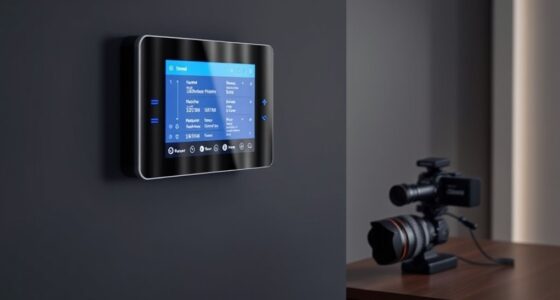

When scenes show characters casually turning off alarms or security systems without proper verification, it creates serious security gaps. This oversimplification can lead you to underestimate the importance of following protocols, like alerting security or confirming identities. Such mistakes expose vulnerabilities that skilled intruders could exploit. Ignoring these precautions may give a false sense of safety. To understand how these cinematic choices impact real security, keep exploring the details behind these common scene errors.

Get privacy and security gear delivered free — and shop member deals
- Fast, free delivery on millions of items
- Access to Prime Big Deal Days deals on October 6–7
- Prime Video, Amazon Music and more included
Key Takeaways
- Turning off security systems casually in scenes can suggest bypassing proper verification and emergency protocols.
- Such portrayals overlook the complexity and importance of verifying identities before deactivating alarms.
- Ignoring security procedures in scenes can mislead viewers into underestimating real-world vulnerabilities.
- Casual deactivation in media highlights human factors and the need for thorough training to prevent security gaps.
- These scenes can foster misconceptions, reducing perceived importance of strict security measures during emergencies.

Have you ever noticed a mistake in a film or TV scene that slips past most viewers? It’s that small, seemingly insignificant detail that can reveal a lot about how scenes are crafted—and sometimes, about the vulnerabilities in real-world security. One common mistake involves scenes where characters deactivate security systems or shut off alarms without following proper security protocols. These moments might seem minor on screen, but they can highlight how easily security gaps can form when emergency procedures aren’t correctly demonstrated or understood. When a character casually presses a button to turn everything off, it might give the impression that security measures are simple or overly relaxed, which isn’t the case in real life.
In reality, security protocols are carefully designed to prevent unauthorized access, ensure safety, and manage emergencies effectively. If these protocols are overlooked or misrepresented, it can lead to a false sense of security. For example, turning off an alarm system without verifying identity or alerting security personnel could be a critical mistake, especially during a real emergency. Emergency procedures are meant to guide how people respond under stress—whether it’s evacuating a building, alerting authorities, or securing sensitive areas. When scenes depict characters bypassing these procedures, viewers might assume that security systems are easily disabled or that emergency responses are unnecessary, which can be dangerous if translated into real-world practices.
This type of scene mistake can also create vulnerabilities in actual security setups. When security professionals see casual handling of alarm systems or access controls, they might worry that staff or users aren’t properly trained. Proper training on emergency procedures ensures that everyone knows how to react swiftly and correctly during a crisis. It emphasizes that security isn’t just about hardware but also about human behavior and adherence to protocols. If a scene shows characters making shortcuts or ignoring these procedures, it underscores the importance of reinforcing security protocols in real life—training staff, regularly testing emergency procedures, and ensuring that security measures are resilient against human error. Additionally, proper training and testing are crucial components to maintain a high level of security. Recognizing these cinematic oversights can also serve as a reminder of the importance of comprehensive security measures that account for human factors.
Understanding that security systems are part of a larger, structured system helps highlight the need for holistic security planning. Incorporating human factors into security design ensures that protocols are realistic and effective, reducing the likelihood of mistakes during actual emergencies. Ultimately, these cinematic oversights serve as a reminder that security isn’t simple. It’s a structured system that depends on strict protocols and clear emergency procedures. When scenes portray otherwise, it risks fostering misconceptions about how security works. For you, understanding this can help you appreciate the importance of proper training and adherence to security protocols in any environment, whether it’s a corporate office, a bank, or a secure government facility. Recognizing these mistakes can also inspire you to advocate for more robust and realistic security measures, especially in high-stakes settings.
home security alarm system with verification
As an affiliate, we earn on qualifying purchases.
As an affiliate, we earn on qualifying purchases.
Frequently Asked Questions
How Common Is the “All Off” Scene Mistake in Security Protocols?
The “all off” scene mistake is quite common in security protocols, often caused by human error or miscommunication. You might accidentally disable essential security features if you don’t follow proper procedures. To prevent this error, implement strict protocols and regular training. Error prevention becomes vital, ensuring you double-check settings before deactivating security measures. Staying vigilant and following best practices helps minimize these mistakes and maintains the integrity of your security system.
What Industries Are Most Affected by This Mistake?
Like a domino effect, industries like manufacturing, healthcare, and finance are most impacted by the “all off” mistake. When security protocols are improperly shut down, supply chain vulnerabilities increase, making it easier for cybercriminals to exploit data breach risks. You might overlook critical safeguards, but this oversight can cause significant disruptions, exposing sensitive information and weakening defenses across interconnected sectors. Staying vigilant helps prevent these costly security gaps.
Are There Specific Warning Signs Indicating an “All Off” Scene Error?
Yes, warning signs include frequent false alarms or notifications that systems are unintentionally disabled. If you notice inconsistent system status updates or unexpected security breach alerts after an “all off” scene, it’s a red flag. These signs suggest the scene may have been triggered incorrectly, risking a security breach. Always verify system settings and alerts to catch potential errors early and prevent vulnerabilities.
How Can Organizations Prevent This Mistake From Occurring?
An ounce of prevention is worth a pound of cure. To avoid the “all off” scene mistake, you should implement a thorough security checklist and regularly update it. Make staff training a priority, ensuring everyone understands the importance of double-checking systems before shutting down. Conduct routine drills and audits to catch potential errors early. This proactive approach helps minimize security gaps and keeps your organization safe from costly oversights.
What Are the Legal Implications of Security Gaps Caused by This Mistake?
If security gaps occur due to this mistake, you could face legal liability for data breaches or non-compliance with regulations like GDPR or HIPAA. These gaps may lead to hefty fines, lawsuits, or damage to your organization’s reputation. Ensuring regulatory compliance by regularly auditing security protocols helps you avoid legal consequences. You must take responsibility for security lapses, demonstrating due diligence to minimize legal risks.
security system access control keypad
As an affiliate, we earn on qualifying purchases.
As an affiliate, we earn on qualifying purchases.
Conclusion
Imagine your security system as a fortress. When you hit “All Off,” it’s like lowering the drawbridge and leaving your gates wide open. That single mistake creates a vulnerable gap, inviting threats to slip unnoticed inside. Just as a fortress needs its defenses intact, your security setup must stay vigilant. Keep the drawbridge up—don’t turn off all systems—so your digital castle remains safe, sealed tight against intruders lurking in the shadows.
professional security alarm training kit
As an affiliate, we earn on qualifying purchases.
As an affiliate, we earn on qualifying purchases.
As an affiliate, we earn on qualifying purchases.
Fall Picks
fall essentials
As an affiliate, we earn on qualifying purchases.