
To build a kill switch for compromised devices, start by identifying critical assets and setting up quick-disconnect options like hardware buttons or remote commands. Enable automatic or manual shutdown options, and segment your network for added safety. Regularly test your setup to guarantee it activates instantly during threats. Monitoring system activity helps you spot suspicious behavior early. Keep security updated and follow best practices to maintain reliable control—continuing further will show you how to optimize and troubleshoot your kill switch for maximum security.
Key Takeaways
- Identify early warning signs like unusual activity, network spikes, or app anomalies to trigger the kill switch effectively.
- Choose between manual (hardware button, quick-access shortcut) or automatic (remote trigger, activity-based) kill switch methods.
- Implement remote management tools and configure automatic activation based on suspicious behaviors for swift response.
- Regularly test the kill switch’s functionality by simulating compromise scenarios and verifying immediate device disconnection.
- Maintain security updates, monitor device activity continuously, and train users to recognize threats for optimal kill switch performance.
hardware kill switch for computers
As an affiliate, we earn on qualifying purchases.
As an affiliate, we earn on qualifying purchases.
Why a Kill Switch Is Essential for Device Security
A kill switch is a crucial tool in your device security arsenal because it allows you to quickly cut off access when your device is compromised. Without it, sensitive data is at risk of exposure. Implementing device encryption ensures that even if someone gains access, they can’t easily read your information. User authentication adds an extra layer of protection by verifying your identity before granting access. When these security measures are in place, a kill switch acts as a last line of defense, enabling you to disable your device instantly if you notice suspicious activity. This rapid response minimizes potential damage, prevents data theft, and keeps your information safe. Additionally, understanding the importance of contrast ratio can help you better assess the security and visibility of your device’s display in various conditions. In today’s digital world, a kill switch isn’t just helpful; it’s essential for thorough device security.
As an affiliate, we earn on qualifying purchases.
How to Detect When a Device Is Compromised Quickly
You need to spot signs of compromise fast, like unusual activity or unexpected behavior. Using real-time monitoring tools helps you catch issues as they happen. Staying alert to these indicators allows you to act before damage spreads. Incorporating local automation can also enable your devices to respond immediately to suspicious activity, minimizing potential harm. Leveraging European cloud innovation can further enhance your security infrastructure by integrating advanced, sustainable solutions that are tailored to your needs. Additionally, understanding cybersecurity best practices ensures you are prepared to recognize and address threats promptly. Recognizing the Horsepower of Electric Dirt Bikes can also inform how quickly a compromised device might react under certain conditions, emphasizing the importance of swift detection. Being aware of Gold IRA markets may seem unrelated, but secure investment environments share similar principles of vigilant monitoring and rapid response to threats.
Unusual Activity Indicators
Unusual activity on your device often signals it may be compromised. Look for behavioral anomalies like sudden crashes, unexpected pop-ups, or apps acting out of control. These signs suggest your device might be under attack. Additionally, watch for unusual network activity, such as data spikes or connections to unfamiliar IPs. Recognizing these indicators quickly helps you respond before damage spreads. Being aware of connected device vulnerabilities can further enhance your ability to detect and prevent security breaches. Awareness of security best practices can also assist in maintaining your device’s integrity. Familiarity with device behavior patterns can help you identify early warning signs of compromise and respond more effectively. Regularly updating your software reduces the risk of exploitation through known security flaws.
Real-Time Monitoring Tools
Real-time monitoring tools are vital for quickly detecting when a device is compromised. These tools continuously analyze system activity, network traffic, and user behavior to spot anomalies. Keep antivirus updates current, as they help identify known threats instantly. Additionally, proper user training is essential; informed users recognize suspicious activity and respond swiftly. Integrating automated alerts with your monitoring system ensures you’re notified immediately of potential breaches. Regularly reviewing logs and setting baseline behavior helps distinguish legitimate activity from malicious actions. By combining real-time monitoring with timely antivirus updates and educated users, you create a robust defense that detects compromises early. This proactive approach minimizes damage and allows you to activate your kill switch before threats escalate.
device monitoring and alert tools
As an affiliate, we earn on qualifying purchases.
As an affiliate, we earn on qualifying purchases.
How to Choose the Right Type of Kill Switch for Your Needs
Choosing the right kill switch depends on your device compatibility, so verify it integrates smoothly with your hardware and software. Decide between manual or automatic switches based on how quickly and effortlessly you need to respond during a breach. Also, consider security and accessibility to keep your switch protected yet easy to activate when necessary.
Device Compatibility Considerations
Selecting the right type of kill switch depends heavily on your device’s hardware and operating system. You need to take into account device compatibility to guarantee the switch functions reliably across your setup. Some kill switches are hardware-based, offering broad compatibility but may require specific ports or connectors. Others rely on software controls, which can vary widely depending on your operating system. If you manage multiple devices with different platforms, look for solutions that support cross platform integration, allowing you to control all devices seamlessly. Compatibility issues can cause delays or failures in isolating a compromised device, so test your chosen method thoroughly. Understanding your device’s specifications and how the kill switch interacts with them is vital for effective, reliable device control.
Manual vs. Automatic Switches
Manual and automatic kill switches each serve different needs, so understanding their advantages can help you decide which is best for your situation. Manual switches require physical action, giving you control during hardware tampering or biometric access concerns. Automatic switches activate instantly when detecting suspicious activity, ideal for rapid response. Consider these factors:
- Response speed during hardware tampering
- Ease of use in high-risk environments
- Dependence on physical presence versus remote activation
- Integration with biometric access systems for added security
- Compatibility with security protocols and existing hardware setups to ensure seamless operation. Additionally, knowing the core security principles can guide you in designing effective kill switch strategies. Manual switches are best if you want direct control, especially when you need to prevent unauthorized biometric access. Automatic switches excel in scenarios demanding quick, autonomous action, reducing the risk of data exposure during compromise. Selecting the appropriate type involves assessing your threat level and operational needs to optimize device protection.
Security and Accessibility
When deciding which kill switch best suits your needs, consider how security and accessibility balance in your operational environment. A highly secure switch might require strong device encryption and multi-factor user authentication, making it harder for unauthorized users to disable it. However, overly complex security measures can hinder quick access during emergencies. Conversely, a switch with minimal security allows faster response but increases the risk of compromise if an attacker gains access. Evaluate your threat level and operational needs to find the right mix. If sensitive data is involved, prioritize robust device encryption and user authentication to prevent accidental or malicious disablement. Incorporating security protocols can help ensure your device remains protected without sacrificing necessary accessibility during critical moments. Additionally, understanding the net worth of individuals involved can inform the level of security measures needed to protect sensitive information and assets.
Furthermore, assessing the network architecture can help identify potential vulnerabilities and determine where a kill switch would be most effective to mitigate risks. Considering security vulnerabilities in your system setup allows for a more comprehensive security strategy that aligns with your specific operational environment.
automatic device disconnect switch
As an affiliate, we earn on qualifying purchases.
As an affiliate, we earn on qualifying purchases.
How to Set Up Basic Kill Switches on Your Devices
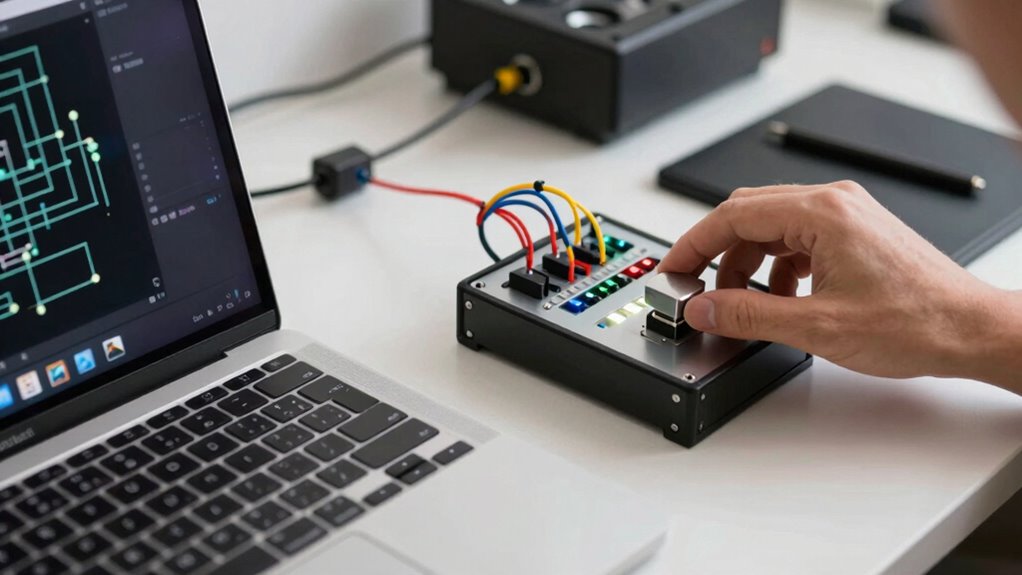
Setting up basic kill switches on your devices is a crucial step to quickly disable them if they become compromised. This can prevent malicious access and safeguard sensitive data. To do this effectively, consider these key steps:
Implement quick kill switches to disable devices and protect sensitive data from malicious access.
- Disable remote access features when not in use to prevent unauthorized control. Disabling remote access reduces the risk of external threats gaining control over your device. Regularly reviewing your device security settings helps maintain a strong defense against evolving threats. Staying informed about vetted security practices enhances your ability to protect your devices.
- Create a quick shortcut or button to power down the device instantly.
- Adjust battery management settings to restrict background activities that could be exploited.
- Use physical switches or hardware buttons to cut power immediately if needed.
- Regularly review and update your security measures to stay ahead of potential threats.
These simple measures ensure you can swiftly disable your device, even if remote access is compromised.
How to Automate Kill Switches for Faster Response

Automating your kill switches allows for a faster response when devices are compromised, reducing the window of opportunity for attackers. By setting up remote access controls, you can trigger a kill switch instantly from anywhere, even if you’re off-site. This eliminates delays caused by manual intervention, ensuring swift containment. Properly configured user permissions are essential; restrict access to trusted personnel only, so unauthorized users can’t disable or bypass the kill switch. Automation tools can monitor device activity and, upon detecting suspicious behavior, automatically activate the kill switch without waiting for manual approval. This proactive approach minimizes damage and keeps your network secure. Remember, automating these processes requires careful planning to avoid false positives or accidental shutdowns, but the speed advantage is well worth the effort. Understanding the importance of reliable monitoring] is key to effective automation.
How to Integrate Kill Switches Into Your Network Security Setup

To effectively incorporate kill switches into your network security setup, start by mapping out critical assets and understanding potential attack vectors. This helps identify where to implement control points. Next, segment your network to isolate sensitive systems, reducing the risk of lateral movement. Control user access rigorously, ensuring only authorized personnel can activate or deactivate kill switches. Consider the following steps:
- Implement network segmentation to contain breaches.
- Define strict user access policies with multi-factor authentication.
- Integrate kill switches with centralized management systems for quick control.
- Set automated alerts for suspicious activity related to critical assets.
How to Test Your Kill Switch to Ensure It Works
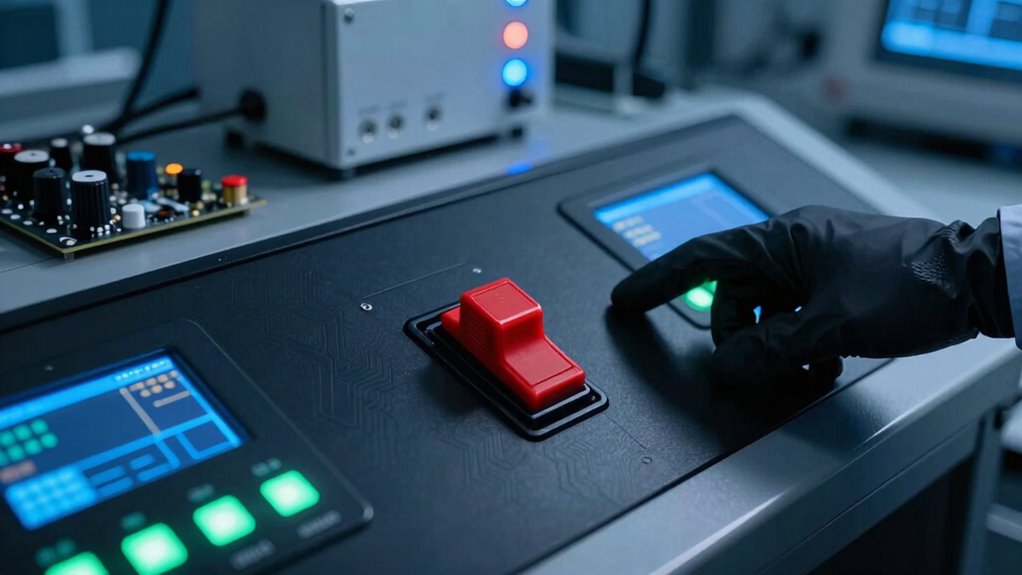
After integrating kill switches into your network security setup, testing them thoroughly guarantees they function correctly when needed. Begin by disabling remote access to the compromised device, then activate your kill switch to ensure it cuts off all network connections immediately. Verify that the device is no longer reachable from any network, confirming the switch’s effectiveness. Next, check data recovery options by attempting to access or retrieve critical information before and after activation, ensuring your backup procedures work smoothly. Conduct these tests in controlled environments to avoid unintended disruptions. Regularly testing your kill switch builds confidence in its reliability, so when a real threat appears, you can act swiftly, confident your device’s access will be securely severed and data protected. Understanding network connectivity quirks and how your device interacts with various networks can further improve your testing accuracy. Additionally, familiarizing yourself with network segmentation strategies can prevent potential breaches from spreading across your devices during testing. Incorporating Glycolic Acid benefits into your routine can also help maintain your device’s surface integrity, ensuring safer handling during troubleshooting.
Best Practices for Maintaining and Updating Your Kill Switches
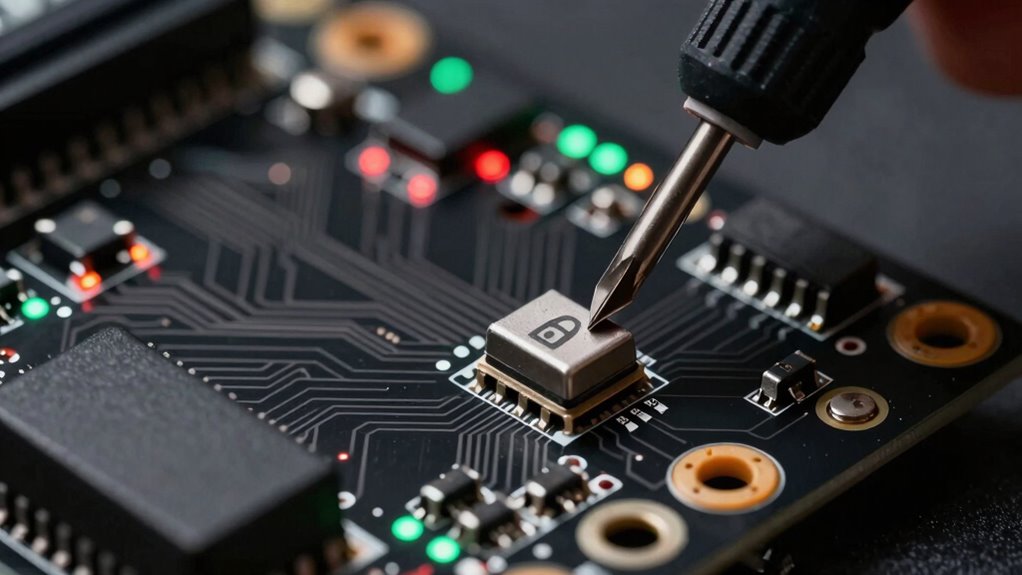
Maintaining and updating your kill switches is essential to guarantee they remain effective against evolving threats. Regular reviews ensure your emergency protocols stay current, and user alerts function properly during crises. To keep your kill switch reliable:
Regularly update and review your kill switches to ensure they stay effective against evolving threats.
- Schedule routine audits to verify functionality and update software.
- Incorporate real-time monitoring for early threat detection.
- Test emergency protocols periodically, ensuring quick activation when needed.
- Keep users informed with clear alerts, so they understand when and how to respond.
Consistent maintenance prevents false positives and ensures swift action during an attack. Staying proactive helps you adapt to new vulnerabilities, keeping your device environment secure and responsive. Remember, a well-maintained kill switch is your first line of defense in critical moments.
Troubleshooting Common Issues With Kill Switches

Even well-designed kill switches can encounter issues that hinder their effectiveness during emergencies. Firmware vulnerabilities might prevent the switch from activating correctly or delay its response, so regularly testing firmware updates is essential. Problems with user authentication can also cause delays or prevent authorized personnel from shutting down devices promptly. If the kill switch fails to engage, verify that authentication protocols are functioning properly and that the firmware is up to date. Sometimes, hardware glitches or misconfigurations cause false positives, so double-check the switch’s setup and connections. Additionally, ensure your security measures don’t inadvertently block legitimate access. Troubleshooting these issues quickly minimizes risks, ensuring your kill switch remains reliable when you need it most. Regular maintenance and testing are key to avoiding common pitfalls.
Frequently Asked Questions
Can Kill Switches Be Bypassed by Advanced Hackers?
Yes, advanced hackers can sometimes bypass kill switches through remote disablement or hardware removal. They may exploit vulnerabilities in the software or firmware, disable security features, or physically remove hardware components to regain control. While a well-designed kill switch offers strong protection, no system is entirely foolproof. Staying vigilant, updating security protocols, and monitoring for suspicious activity help prevent hackers from bypassing your kill switch.
What Are the Legal Considerations for Deploying Kill Switches?
You need to take into account privacy concerns and regulatory compliance when deploying a kill switch. Make sure you have clear consent from users, as unauthorized disabling of devices can violate privacy laws. Check relevant regulations in your jurisdiction, such as data protection laws, to avoid legal repercussions. Document your process thoroughly, and consult legal experts if needed, so your kill switch usage aligns with privacy standards and legal requirements.
How Do Kill Switches Impact Device Warranty and Support?
Did you know that 65% of manufacturers void warranties if firmware updates are tampered with? Using kill switches can complicate your device’s warranty and support, as they might interpret the feature as unauthorized tampering. While it helps protect user privacy and security, be aware that activating a kill switch could limit access to official repairs or updates, potentially voiding your warranty and reducing support options.
Are There Specific Industries Where Kill Switches Are Mandatory?
You’ll find kill switches mandatory in industries like healthcare, finance, and government, where industry compliance demands strict security measures. These switches help prevent unauthorized access and data breaches, aligning with ethical implications of safeguarding sensitive information. By implementing kill switches, you guarantee rapid device control during emergencies, maintaining compliance and protecting users. Ignoring these requirements can lead to legal issues, so prioritize industry-specific regulations and ethical standards when deploying such security features.
How Do Kill Switches Affect Device Performance During Normal Operation?
A kill switch is like a safety net, so it usually has minimal impact on device performance during normal use. It’s designed to stay dormant until needed, ensuring your user experience remains smooth. However, some minor performance impacts can occur if the kill switch constantly monitors for threats. Overall, a well-implemented kill switch balances security with performance, so your device stays responsive and safe without sacrificing functionality.
Conclusion
Think of your kill switch as the lighthouse guiding your ship through treacherous waters. When danger lurks beneath the surface, it illuminates a safe path, steering you away from disaster. Keep your device’s beacon shining bright with well-maintained kill switches, ready to cut the dark waves of compromise. With vigilance and swift action, you chart a course toward secure horizons, where your digital voyage remains steady and protected against unseen storms.