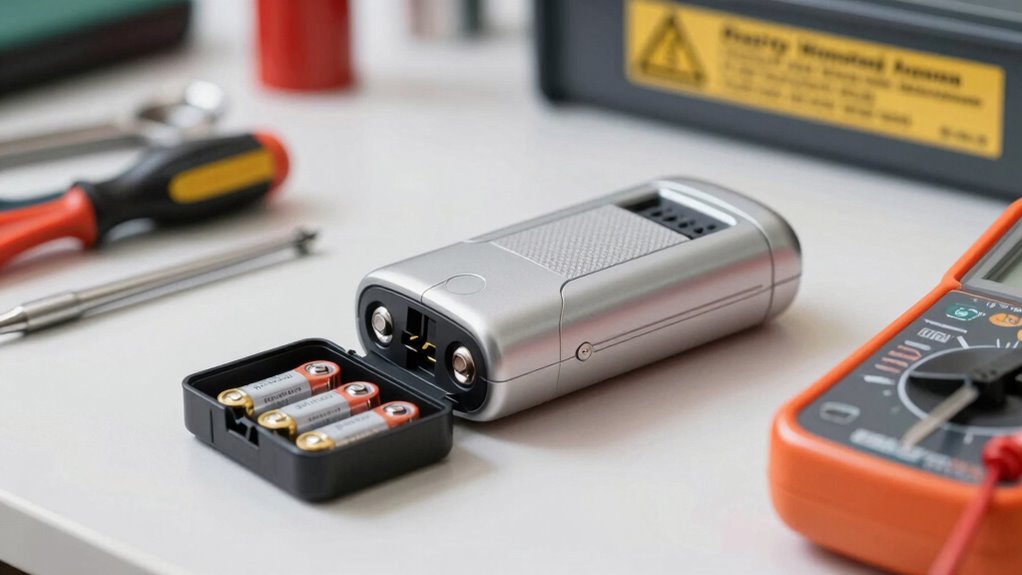

To keep your personal safety devices reliable, regularly check and maintain their batteries. Use the right type, like rechargeable lithium-ion or alkaline batteries, and store them properly in a cool, dry place. Test your device often with LED indicators or performance checks, and replace batteries when signs of deterioration appear. Proper storage, charging habits, and environmental awareness help extend battery life. Continue exploring how to guarantee your safety devices work seamlessly when you need them most.
Key Takeaways
- Regularly test safety devices to ensure batteries are functioning properly and replace low or dead batteries promptly.
- Use safety-certified, compatible batteries and store them in cool, dry environments to extend lifespan.
- Inspect for signs of corrosion or leakage and clean contacts to maintain reliable performance.
- Follow manufacturer guidelines for charging, discharging, and replacing batteries to prevent unexpected failures.
- Keep devices in energy-efficient modes and monitor indicators to ensure readiness during emergencies.
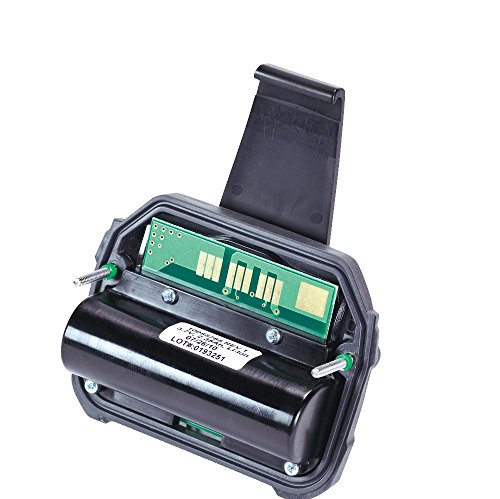
MSA 10114835 ALTAIR 5X Multi-Gas Detector Battery Pack, Rechargeable, Lithium-Ion, Portable Gas Monitor Battery Replacement, Durable, Handheld, Easy to Install
- Device Compatibility: Compatible with multiple ALTAIR 5X models
- Extended Device Life: Replace battery to prolong detector lifespan
- Rechargeable Lithium-Ion: 6.7V rechargeable batteries last up to 12 hours
As an affiliate, we earn on qualifying purchases.
As an affiliate, we earn on qualifying purchases.
Why Battery Maintenance Matters for Your Safety Devices
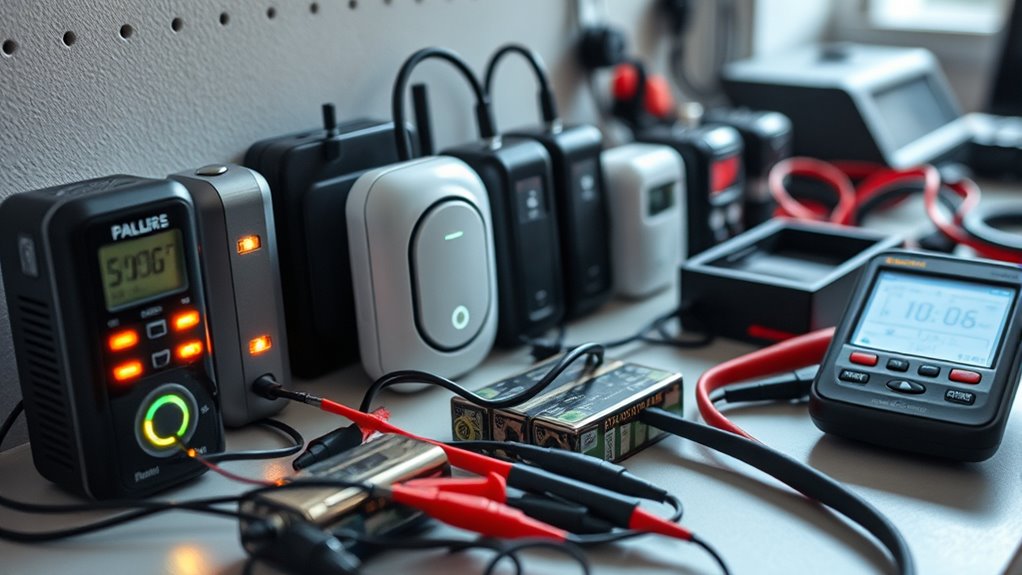
Proper battery maintenance is essential because a safety device can’t protect you if its battery fails when you need it most. Over time, neglecting battery care reduces its lifespan, increasing the risk of sudden failure during an emergency. Regularly checking and replacing batteries ensures your device stays functional when it matters most. Additionally, using batteries with proper safety certification guarantees they meet safety standards, reducing risks of leaks, overheating, or other hazards. Well-maintained batteries not only improve reliability but also extend the overall lifespan of your safety device. Ensuring correct battery installation practices can prevent damage and maintain optimal performance. Regular inspection of battery contacts helps prevent corrosion and connection issues that could compromise device operation. Choosing the right vacuum features to consider can also help ensure your device is reliable and effective in emergency situations. Proper battery storage techniques can further enhance the longevity and safety of your batteries. By paying attention to these factors, you guarantee your safety device performs at its best, providing peace of mind knowing it will work reliably when needed. Proper maintenance truly is key to your safety. Free Floating techniques can help optimize your device’s longevity and effectiveness.
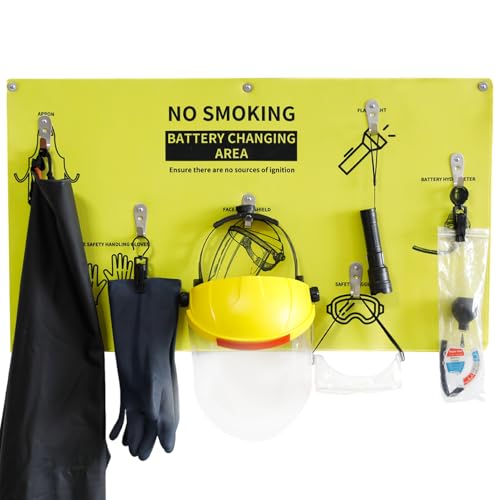
7-in-1 Complete Battery PPE Kit for Forklift Battery Maintenance – Wall-Mount PPE Station for Lift Battery Water Handling, Propane Tasks & Warehouse Safety Gear Storage
- Complete PPE Kit: Includes gloves, goggles, shield, apron, hydrometer, flashlight
- Reduces Maintenance Hazards: Designed to minimize risks during battery tasks
- Wall-Mount Storage: Keeps all gear organized and easily accessible
As an affiliate, we earn on qualifying purchases.
As an affiliate, we earn on qualifying purchases.
What Types of Batteries Do Personal Safety Devices Use?

Personal safety devices typically use a variety of batteries designed for reliability and long-term use. Most rely on specific battery chemistries that balance power and safety, such as lithium-ion or alkaline batteries. Rechargeable options are increasingly common, offering convenience and cost savings over time. These rechargeable batteries, often lithium-ion or nickel-metal hydride, provide consistent performance and can be recharged multiple times. The choice of battery chemistry impacts device lifespan and safety features. Here’s a quick comparison:
| Battery Type | Rechargeable | Common Uses |
|---|---|---|
| Lithium-ion | Yes | High-performance devices |
| Alkaline | No | Disposable, everyday use |
| Nickel-metal hydride | Yes | Environmentally friendly options |
Selecting the appropriate battery also involves considering battery safety tips to prevent malfunctions or hazards. Proper battery maintenance is essential to ensure safety and prolong the device’s lifespan. Additionally, understanding battery lifespan and proper maintenance can significantly extend the usability of your safety device. For example, storing batteries in appropriate conditions can help maintain their effectiveness over time. Furthermore, choosing batteries with built-in safety features can help prevent accidents and ensure reliable operation. Choosing the right battery guarantees your safety device remains reliable when you need it most.

Granicell 16-Pack 1350mAh Lithium AAA Batteries | 1.5V for Blink Cameras, Smart Locks, Alarms & Tech Devices | 10-Year Life, Leak-Proof, Extreme-Temp Resistant (Non-Rechargeable)
- High Capacity and Long-Lasting Power: 1200mAh for high-drain devices
- Leak-Proof Safety Features: UL-certified with explosion-proof valves
- Extreme Temperature Performance: Operates from -40°F to 140°F
As an affiliate, we earn on qualifying purchases.
As an affiliate, we earn on qualifying purchases.
How to Test If Your Safety Device Battery Is Working
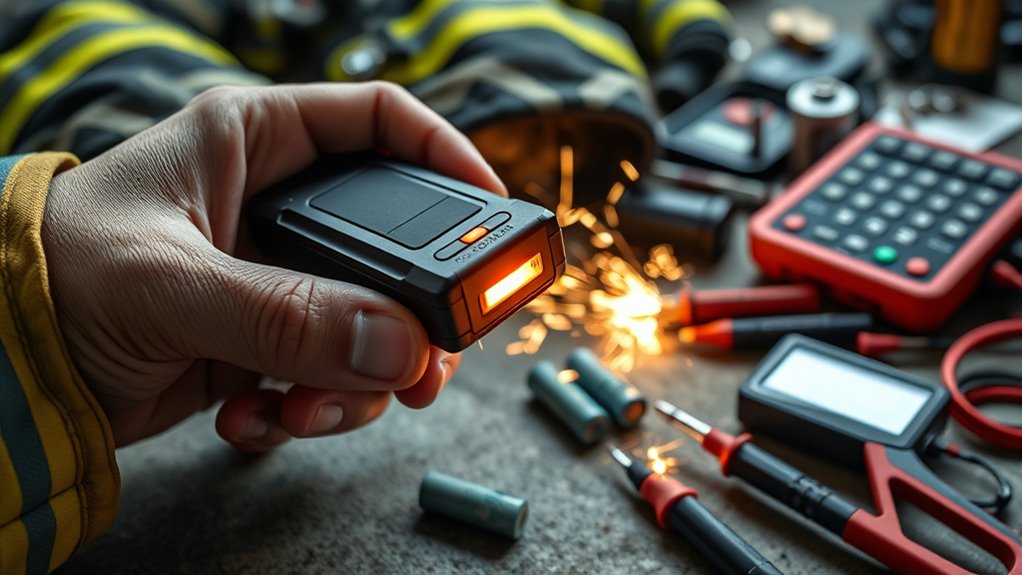
You should start by checking the visual indicators on your safety device to see if they signal a low or dead battery. Next, perform a quick function test, like activating the device to make certain it works properly. These simple steps can help confirm your battery is still reliable and ready when you need it. Additionally, consult your device’s maintenance schedule to ensure all components are in optimal condition for continued safety. Regular battery maintenance can also prolong the device’s lifespan and ensure it functions correctly in emergencies. Staying informed about design principles can help you better understand how your safety device is built and how to ensure it remains dependable. Understanding your device’s thermal behavior may also assist in troubleshooting any issues related to power or operation.
Check Visual Indicators
How can you quickly determine if your safety device’s battery is still functional? Check the visual cues on your device, specifically the indicator lights. Most safety devices have LED lights that signal their status. When the battery is good, you’ll see a steady green light or a similar positive indicator. If the light is flashing, red, or absent, it’s a sign that the battery may be low or dead. Always familiarize yourself with your device’s indicator light patterns, so you can interpret them correctly. Regularly inspecting these visual cues helps you catch battery issues early, ensuring your safety device remains reliable when you need it most. Vetted – wave and wind Keeping an eye on indicator lights is a simple, effective way to maintain your device’s readiness. Understanding battery indicators can help you quickly identify when maintenance is needed before an emergency occurs. Additionally, battery lifespan varies depending on usage and device type, so regular checks are essential for optimal performance. Regular testing of your safety device helps ensure that its battery capacity remains sufficient to operate during critical moments.
Perform Function Test
After checking the visual indicators, performing a function test provides a more definitive way to confirm your safety device’s battery is working properly. To do this, activate the device according to the manufacturer’s instructions. This test assesses the battery chemistry’s ability to supply power under real conditions, ensuring proper power management. If the device powers on and functions as intended, your battery is likely in good shape. If it doesn’t, consider replacing the battery or consulting a professional. Regular testing helps detect issues before failure, especially since battery chemistry can degrade over time. Understanding battery chemistry can help you better appreciate how your device’s power system works and why regular testing is essential. Proper maintenance of batteries extends their lifespan and reliability. For example, knowing how temperature affects battery performance can help you optimize your maintenance routine. Additionally, battery storage practices can significantly influence battery lifespan and effectiveness. Remember, a properly functioning battery ensures your device will operate when needed, providing peace of mind and reliable personal safety. premium craftsmanship in battery manufacturing can help you choose higher-quality components for longer-lasting performance.

VTECHOLOGY 2Pcs Battery Tester for AA AAA C D 9V 1.5V Household Batteries
- Multi-Purpose Battery Testing: Tests AA, AAA, C, D, 9V, button batteries
- No Battery Required: Powered by the battery being tested
- Portable and Lightweight: Compact design for easy use on the go
As an affiliate, we earn on qualifying purchases.
As an affiliate, we earn on qualifying purchases.
Signs Your Battery Needs Replacing or Charging

Recognizing the signs that your battery needs replacing or charging is essential for maintaining personal safety devices. Over time, batteries experience a limited lifespan, which affects their performance. If your device’s battery drains quickly or doesn’t hold a charge despite regular charging, it’s a clear indicator that replacement may be necessary. Pay attention to increased charging frequency; if you find yourself plugging in your device more often, the battery could be deteriorating. Additionally, if the device powers off unexpectedly or exhibits reduced responsiveness, these are signs the battery is no longer dependable. Regularly monitoring these indicators helps you avoid sudden failures and ensures your safety device remains functional when you need it most. Staying alert to these signs prolongs battery life and maintains device readiness.
When and How to Safely Replace Batteries in Your Safety Device

Replacing batteries in your safety device should be done promptly and carefully to guarantee ongoing protection. Knowing the right time for replacement depends on the battery lifespan and replacement timing recommended by the manufacturer. If your device signals low power or the battery has been in use for a while, it’s time for a change. Always turn off the device before replacing the battery to avoid damage or accidental activation. Use the correct type of batteries specified in your user manual for ideal performance. Handle batteries with dry hands and dispose of old batteries responsibly. Regularly check for corrosion or leaks, which indicate a need for immediate replacement.
- Follow manufacturer’s instructions closely
- Use fresh, compatible batteries
- Replace in a dry, cool environment
Tips to Extend Battery Life and Performance

To get the most out of your safety device, you should focus on proper charging techniques and avoid overcharging. Store your batteries in cool, dry places to maintain their performance over time. Regularly checking your batteries helps catch issues early and keeps your device ready when you need it most.
Proper Charging Techniques
Proper charging techniques are essential for maximizing your device’s battery life and ensuring ideal performance. Following safe practices helps protect against potential hazards and extends your battery’s lifespan. Always use the charger and cable provided by the manufacturer to guarantee charging safety. Avoid letting your device completely drain before recharging; partial charges are better for battery health. Keep your device in a cool, dry place during charging, as heat can damage the battery. Don’t overcharge—unplug once it reaches 100%—to prevent unnecessary stress on the battery. Regularly monitoring your charging habits can markedly improve longevity. Remember, consistent, safe charging habits contribute to a healthier battery and more reliable device operation over time.
Optimal Storage Conditions
Maintaining the right storage conditions can effectively extend your device’s battery life and guarantee it performs reliably over time. Store your device in a cool, dry place away from direct sunlight. Avoid extreme temperatures, as heat accelerates battery degradation, while cold can temporarily reduce capacity. For maximum battery safety, keep the device at about 50% charge if stored long-term. Check the table below for ideal storage parameters:
| Temperature | Humidity | Charge Level |
|---|---|---|
| 20-25°C | 40-60% | 50% |
| Avoid extremes | Keep dry | Partial charge |
Proper storage conditions minimize capacity loss and prolong battery health, ensuring your personal safety device remains dependable when needed most.
Regular Battery Checks
Regularly checking your battery helps catch issues early and guarantees your device stays reliable. By monitoring its condition, you can identify signs of degradation that may affect the battery lifespan and performance. This simple habit promotes power conservation, ensuring your device uses energy efficiently. To enhance your battery health, consider these tips:
- Inspect for corrosion or damage, which can hinder performance.
- Test voltage levels periodically to detect early signs of capacity loss.
- Keep your device updated with the latest firmware for optimal battery management.
Consistent checks help prevent unexpected failures and extend your device’s usability. Taking proactive steps not only safeguards your personal safety devices but also maximizes battery efficiency, keeping your device ready when you need it most.
How to Store and Charge Batteries Properly
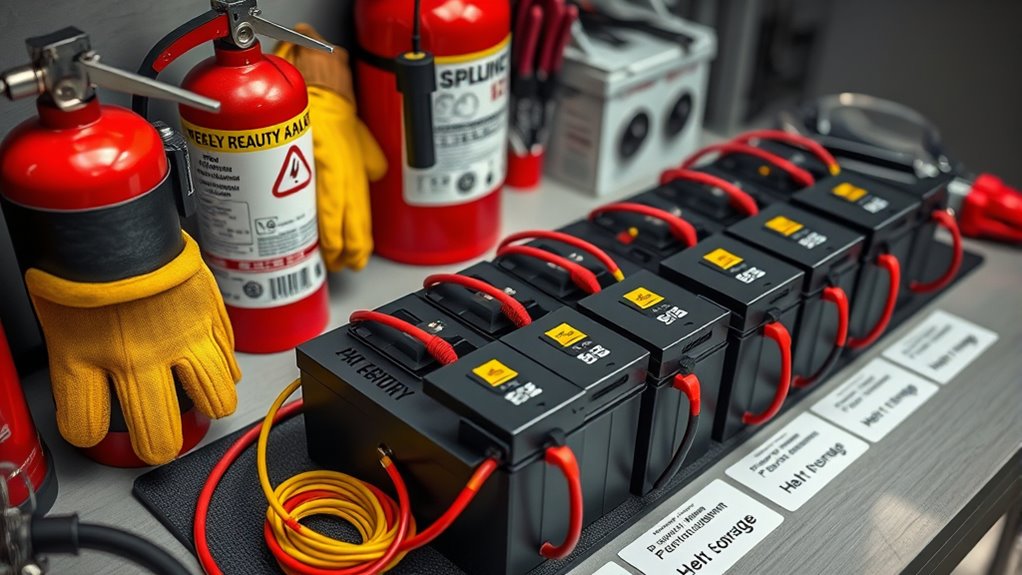
To guarantee your batteries last longer and perform safely, you need to store and charge them correctly. Store batteries in a cool, dry place away from direct sunlight and extreme temperatures, which can damage their capacity. When charging, avoid overcharging by unplugging devices once fully charged, as this can shorten battery life and increase safety risks. Remember to follow manufacturer recommendations for charging cycles; frequent shallow cycles are better than deep discharges. Proper disposal and battery recycling are crucial to prevent environmental harm and recover valuable materials. If your batteries show signs of damage or reduced performance, consider recycling them responsibly instead of throwing them away. Correct storage and charging habits extend your batteries’ lifespan and ensure your personal safety devices work reliably when you need them most.
Quick Troubleshooting Tips When Your Device Fails

When your personal safety device fails unexpectedly, quick troubleshooting can secure you valuable time and guarantee your safety isn’t compromised. First, check device compatibility—ensure you’re using the correct batteries and accessories recommended by the manufacturer. Sometimes, incompatible batteries cause malfunctions. Next, inspect the battery contacts for dirt or corrosion and clean them gently to restore connection. If your device still doesn’t work, consider battery recycling options—proper disposal can prevent future issues and support environmental responsibility.
- Verify battery compatibility before replacement
- Clean contacts to improve connectivity
- Recycle old batteries responsibly to avoid hazards
Environmental Factors That Affect Battery Performance

Temperature and humidity can considerably impact your battery’s performance. High heat can cause batteries to degrade faster, while moisture leads to corrosion and potential failure. Knowing how environmental factors affect your device helps you keep it reliable when you need it most.
Temperature Effects on Batteries
Extreme temperatures can considerably impact your personal safety devices’ batteries, causing them to perform unpredictably or degrade more quickly. Hot environments accelerate chemical reactions inside the battery, reducing battery longevity and increasing the risk of failure. Cold temperatures slow down these reactions, which can lead to decreased power output and unreliable performance. Proper temperature regulation is vital to maintain peak battery health and ensure your device functions when needed. To protect your batteries, avoid leaving your devices in extreme heat or cold. Keep them in a climate-controlled environment whenever possible to maximize lifespan. Remember, consistent temperature management helps preserve battery capacity, reliability, and overall safety during critical moments. Your vigilance in temperature regulation directly influences your device’s effectiveness and longevity.
Humidity and Corrosion
Humidity and corrosion are significant environmental factors that can compromise your personal safety device’s battery performance. High humidity levels can lead to moisture buildup inside the device, causing humidity effects that accelerate battery degradation. Moisture promotes corrosion on metal components, which can weaken electrical connections and reduce battery life. To prevent this, always store your device in a dry, cool place and avoid exposure to humid environments. Regularly inspect for signs of corrosion, such as rust or discoloration, especially around terminals and connectors. Corrosion prevention is vital to maintaining peak battery function. Using protective covers or silica gel packs can help reduce moisture exposure. By taking these steps, you enhance your device’s reliability and guarantee it functions properly when you need it most.
Choosing a Personal Safety Device With Long-Lasting Batteries
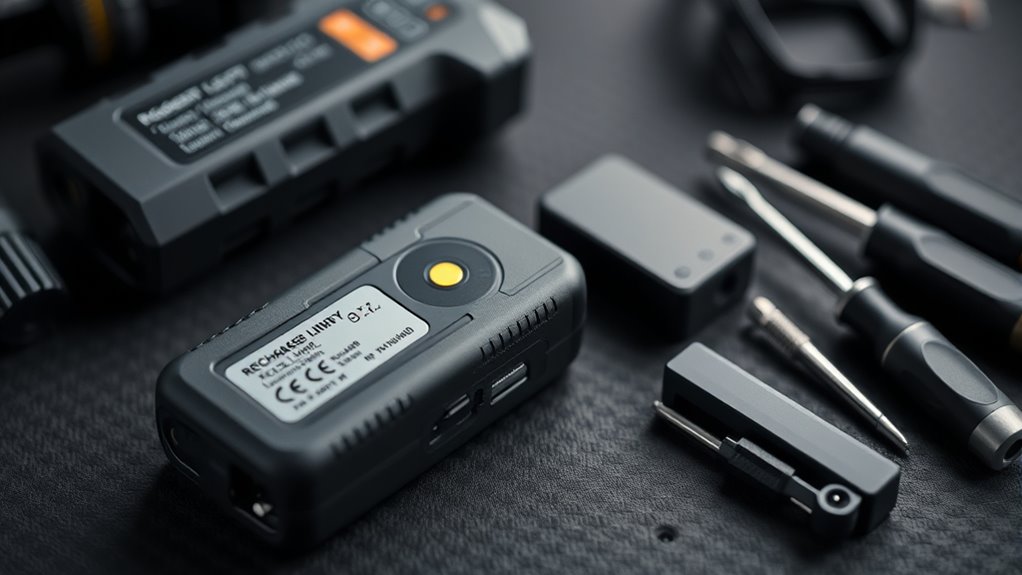
When selecting a personal safety device, prioritizing long-lasting batteries guarantees you’re always prepared when it matters most. Focus on devices with excellent battery lifespan and features that enhance power conservation. This ensures reliable operation during emergencies and reduces frequent recharging or replacements. Look for models with energy-efficient modes that extend battery life. Consider devices with rechargeable batteries and fast charging options to stay ready. Additionally, check user reviews for real-world performance on battery longevity. A well-chosen device with durable batteries provides peace of mind, even during extended use. Remember, the key is balancing performance with power conservation to maximize reliability when safety is critical.
Frequently Asked Questions
Are There Eco-Friendly or Biodegradable Battery Options for Safety Devices?
Yes, there are biodegradable batteries available as eco-friendly power sources for safety devices. These batteries use environmentally safe materials that break down naturally, reducing waste and pollution. By choosing biodegradable batteries, you support sustainability and lessen your environmental impact. Keep in mind, technology is advancing, so regularly check for new eco-friendly options. Using biodegradable batteries helps you stay safe while also caring for the planet.
Can Temperature Fluctuations Cause Safety Device Batteries to Fail Prematurely?
Yes, temperature fluctuations can cause safety device batteries to fail prematurely. High or low temperatures affect battery lifespan, making them more temperature sensitive. When exposed to extreme heat or cold, your batteries may degrade faster, reducing their effectiveness when you need them most. To guarantee ideal performance, keep your safety device batteries within recommended temperature ranges, and avoid exposing them to harsh environmental conditions that can shorten their lifespan.
How Do Different Brands Compare in Battery Longevity for Safety Gadgets?
You’ll find that brand reliability considerably impacts battery lifespan in safety gadgets. Reputable brands usually use higher-quality batteries that last longer and perform better over time. Cheaper or less-known brands might save you money initially but often have shorter battery life and less reliable performance. To maximize safety and device longevity, choose trusted brands known for durability and consistent battery performance, ensuring your safety device remains operational when you need it most.
Are There Smart Safety Devices That Monitor Battery Health Automatically?
Think of smart safety devices as your vigilant guardian angels, always watching over you. Yes, many models feature smart battery monitoring that tracks battery health in real-time. They send automatic safety alerts if the battery’s power drops or if there’s a potential issue. This proactive approach helps you stay safe and guarantees your device is ready when you need it most, giving you peace of mind with less worry.
What Safety Measures Should Be Taken During Battery Disposal or Recycling?
When disposing of batteries, you should follow proper disposal and recycling guidelines to prevent environmental harm. Always take used batteries to designated recycling centers or collection points instead of throwing them in the trash. Handle batteries carefully to avoid leaks or fires, and never puncture or crush them. By adhering to these safety measures, you help protect the environment and ensure safe recycling practices, reducing potential health and safety risks.
Conclusion
Keeping your safety device’s battery in top shape is like tending a fragile flame—without proper care, it can flicker out when you need it most. Regular maintenance, timely replacements, and mindful storage guarantee your device remains a reliable guardian. Think of your batteries as silent sentinels; honoring them with proper care keeps your safety net strong and ready to catch you when life throws its curveballs. Stay vigilant, stay safe.