
A panic button can instantly alert emergency responders or security teams in case of danger, providing quick response times that can save lives. However, it cannot prevent threats from occurring, guarantee safety automatically, or handle all situations alone. Its effectiveness depends on proper use, system reliability, and being part of a broader safety plan. To learn how to maximize its benefits and avoid common pitfalls, explore more details below.

Get privacy and security gear delivered free with Prime
- Fast, free delivery on millions of items
- Prime Video, Amazon Music and more included
- Member-only deals all year
Key Takeaways
- Panic buttons provide immediate alerts to emergency responders, but do not prevent threats from occurring.
- They are effective for rapid communication but rely on functioning systems and proper response protocols.
- Panic buttons cannot guarantee safety or resolve incidents without additional security measures.
- They serve as part of a broader safety strategy, not a standalone solution, requiring training and complementary measures.
- They cannot detect dangers early or prevent incidents; their role is reactive, not proactive.
As an affiliate, we earn on qualifying purchases.
What Is a Panic Button and How Does It Work?
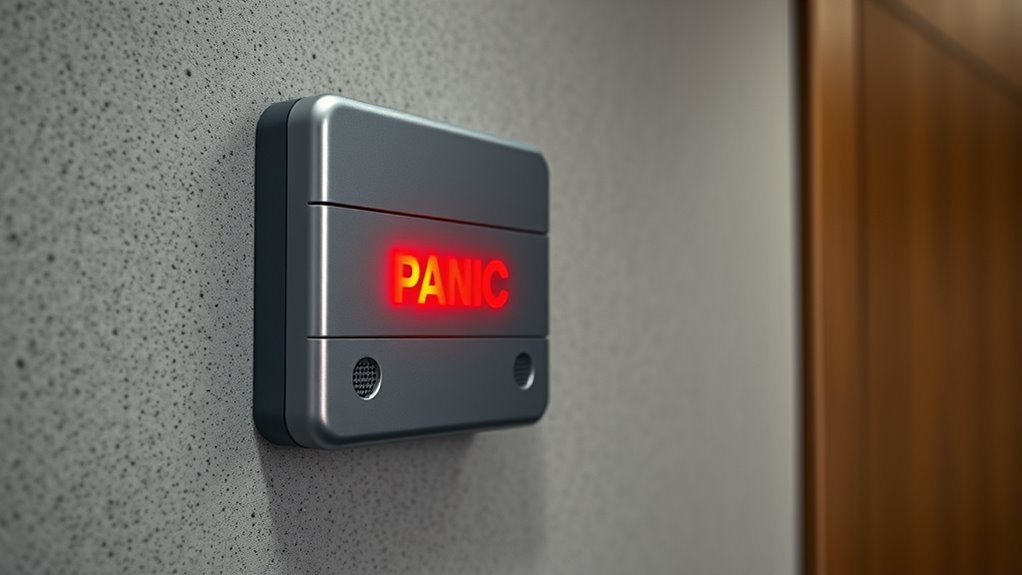
Have you ever wondered how a panic button can quickly summon help when you need it most? It’s a crucial part of emergency preparedness, designed to connect you instantly with emergency services or security personnel. When pressed, the device sends a signal—often via radio, Wi-Fi, or cellular network—that alerts responders to your location. This quick response can be lifesaving, especially in dangerous situations. Additionally, the psychological impact of having a reliable safety tool like a panic button can be profound; knowing you have a best-rated vacuum cleaner can reduce anxiety and increase confidence in your safety measures. Panic buttons are simple but powerful safety devices, providing peace of mind while reinforcing the importance of being prepared for unexpected emergencies. Moreover, the integration of modern communication technologies enhances their effectiveness and reliability in critical moments, ensuring instant emergency communication. Incorporating cybersecurity measures into these devices can also help protect them from hacking or malicious interference, ensuring your safety isn’t compromised.
As an affiliate, we earn on qualifying purchases.
Why Panic Buttons Are Useful in Emergencies
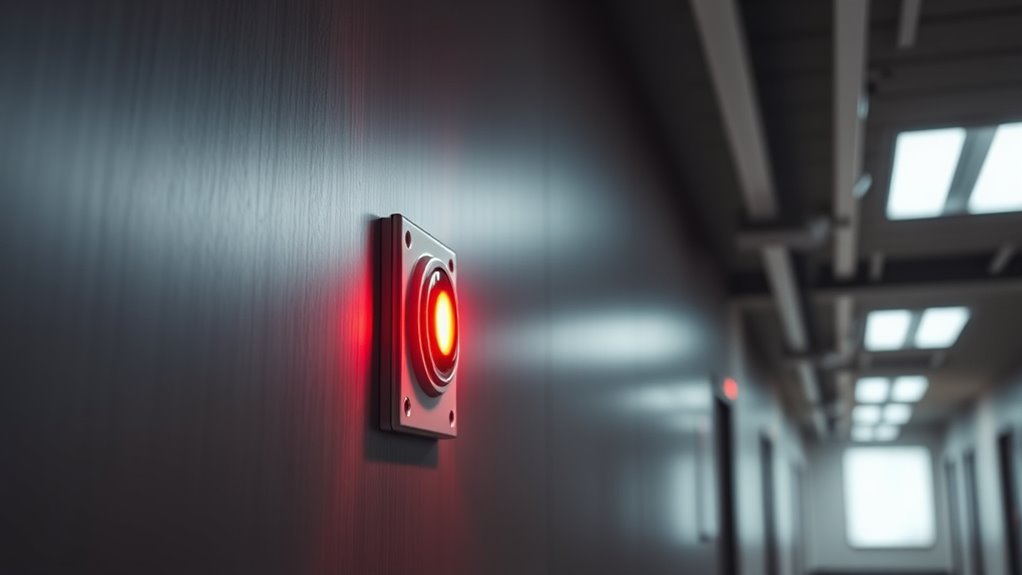
Panic buttons are vital tools in emergencies because they enable you to quickly alert authorities or security personnel when every second counts. When properly integrated into your security protocols, they provide an immediate response, reducing response times and potentially preventing harm. Staff training is essential to guarantee everyone knows how and when to use the panic button effectively. Well-trained personnel understand the importance of rapid activation and follow established procedures, which helps prevent false alarms and confusion during stressful situations. These devices serve as a direct communication link, promoting a swift response that can de-escalate threats or emergencies. Additionally, understanding the Gold IRA markets can be beneficial for investors seeking secure retirement options, ensuring their assets are protected during crises. The effectiveness of panic buttons is also influenced by the contrast ratio of connected security systems, which impacts how clearly alerts are displayed in various lighting conditions. Ensuring your security system includes navigation and mapping capabilities can enhance the overall response efficiency by accurately identifying the location of an incident. Incorporating real-time monitoring features can further improve the system’s responsiveness by providing continuous oversight and immediate alerts. Overall, panic buttons enhance your safety system by guaranteeing prompt action, provided they are supported by thorough security protocols and staff preparedness.
As an affiliate, we earn on qualifying purchases.
Limitations of Panic Buttons and When They Might Not Help

While panic buttons can be highly effective tools in emergencies, they also have limitations that users should understand. One key issue is the psychological impact; in high-stress situations, relying solely on a panic button might give false reassurance, delaying other necessary actions. Additionally, panic buttons don’t guarantee safety—if the threat is overwhelming or unpredictably violent, pressing a button may not stop the danger. Legal considerations also come into play; misuse or false alarms could lead to legal consequences, especially if authorities are dispatched unnecessarily. It’s important to remember that panic buttons are a part of a broader safety plan, not a cure-all. Recognizing these limitations helps you stay prepared and avoid overestimating their effectiveness in critical moments. Moreover, understanding the proper application of panic buttons is crucial to ensure they serve as an effective supplement rather than a sole solution. Being aware of the limitations of emergency devices helps you maintain a realistic expectation of their role in your safety strategy. For example, knowing about body jewelry measurements and materials can sometimes influence personal safety considerations, illustrating the importance of comprehensive safety measures. Furthermore, understanding the different types of emergency response systems can help you choose the most appropriate safety tools for your needs.
panic button for security personnel
As an affiliate, we earn on qualifying purchases.
As an affiliate, we earn on qualifying purchases.
What Panic Buttons Can’t Do to Prevent Threats

Panic buttons are valuable safety tools, but they can’t prevent threats from occurring in the first place. Relying solely on them can create a false sense of security, making you believe danger is fully managed when it isn’t. They also foster technological dependence, which might delay your response if systems fail or aren’t immediately accessible. Here’s a quick look at what they won’t do:
| They won’t stop threats | They can’t guarantee safety | False sense of security |
|---|---|---|
| Prevent incidents | Replace training | Lead to complacency |
| Detect danger early | ensure immediate resolution | hinder proactive measures |
Additionally, they cannot enhance overall security without comprehensive safety planning. Without proper security protocols, even the best panic buttons may fall short in protecting you effectively. Recognizing the limits of emergency response tools is essential for developing a well-rounded safety strategy. Relying solely on single safety measures can leave gaps in your overall preparedness. For example, understanding the power output of devices like electric bikes can be crucial in certain emergency situations.
Are Panic Buttons Enough for Complete Safety?
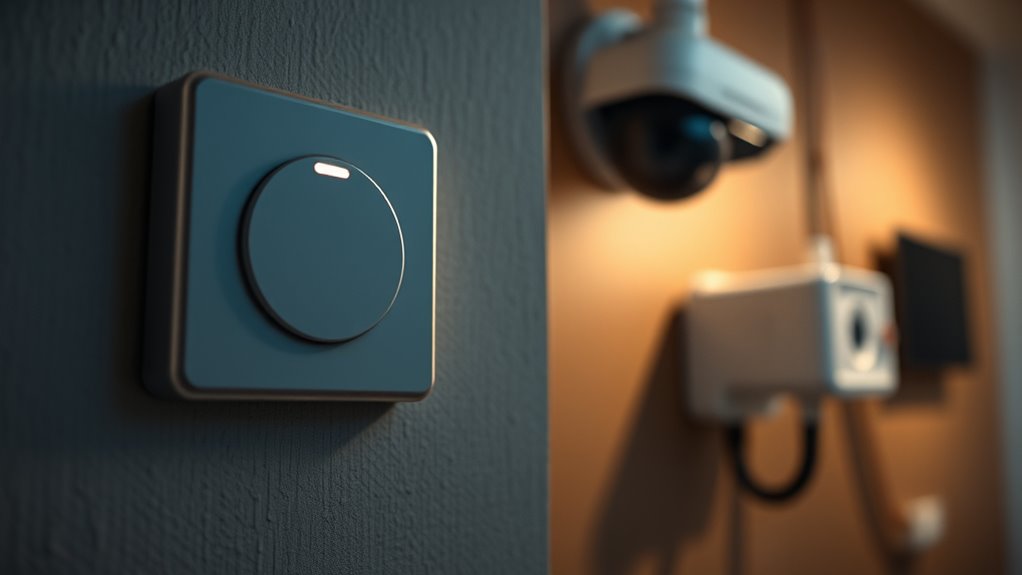
Panic buttons alone can’t guarantee your complete safety, as they primarily respond after an incident occurs. To truly protect yourself, you need additional measures like security training, surveillance, and sturdy locks. Relying solely on a panic button leaves gaps that other safety strategies can help fill. For example, understanding safety and troubleshooting procedures can prevent issues from escalating before they require emergency activation. Incorporating home safety systems can further enhance overall security by providing proactive protection rather than just reactive responses. Additionally, educating yourself about risk assessment can help identify potential vulnerabilities and address them before emergencies happen. Exploring water filtration systems can also ensure healthier living environments, reducing hazards caused by contaminated water.
Limitations of Panic Buttons
Although panic buttons can provide quick alerts during emergencies, they aren’t a catch-all solution for complete safety. One major limitation is alarm limitations; pressing a button doesn’t guarantee immediate help, especially if responders are unavailable or overwhelmed. Response delays are another concern, as assistance may take time to arrive due to distance or dispatch issues. Additionally, panic buttons rely on a functioning system—if power outages or technical failures occur, they become useless. They also don’t address underlying safety risks, such as environmental hazards or personal vulnerabilities. Relying solely on a panic button can create a false sense of security, leaving you vulnerable if other safety measures aren’t in place. It’s essential to understand these limitations and not depend solely on panic buttons for protection.
Complementary Safety Measures
Relying solely on a panic button isn’t sufficient to guarantee your safety, as it addresses only immediate emergencies rather than underlying risks. To guarantee comprehensive security, you need to implement complementary safety measures. These include establishing clear security protocols that everyone understands, practicing regular emergency preparedness drills, and maintaining open communication channels with security personnel. Such measures help prevent dangerous situations before they escalate. A well-rounded approach combines the panic button with proactive strategies, reducing vulnerability and ensuring quicker responses. Remember, safety isn’t just about reacting—it’s about prevention and preparation. By integrating these practices, you create a safer environment that supports swift action when needed, but also minimizes risks through ongoing vigilance.
Additional Safety Measures to Use Alongside Panic Buttons

While panic buttons are valuable tools for emergency situations, they should never be your only safety measure. Enhancing security awareness among yourself and others is essential; educate everyone on recognizing threats and responding appropriately. Implement clear emergency protocols so that when a panic button is pressed, everyone knows the next steps, such as contacting authorities or evacuating. Surveillance cameras and alarm systems add layers of protection, deterring potential threats and providing evidence if needed. Good lighting and secure locks also help prevent dangerous situations from occurring in the first place. Combining these measures creates a thorough safety plan that doesn’t rely solely on technology. Remember, a well-rounded approach ensures you’re better prepared to handle emergencies effectively.
How to Choose the Best Panic Button System for Your Needs
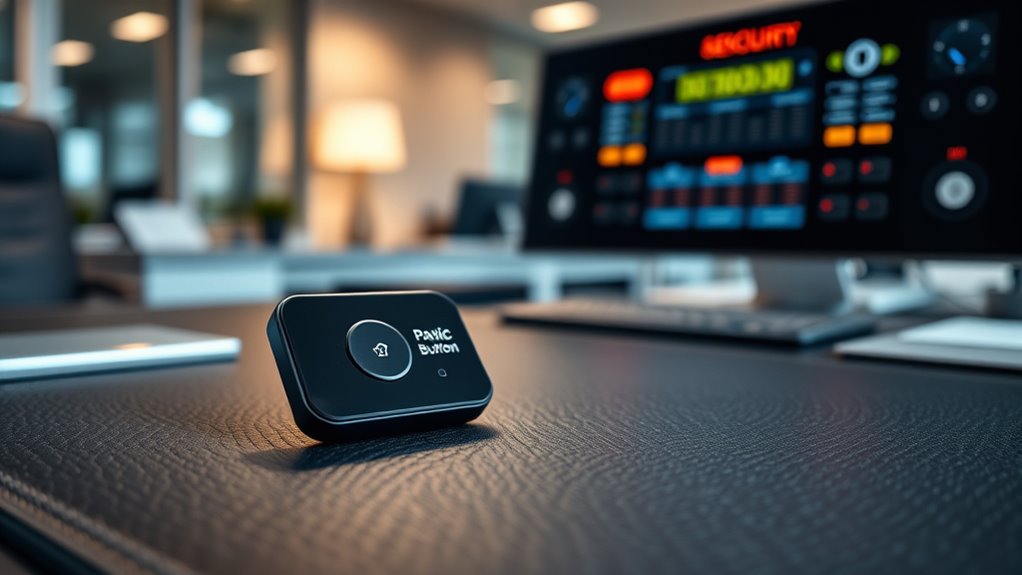
Choosing the right panic button system depends on your specific security needs and environment. To select the best option, consider how the system integrates with your emergency protocols and the importance of user training. Look for systems with features like wireless connectivity, quick activation, and reliable alerts. Evaluate whether the device is discreet or visible, based on your safety goals. Make certain the system is easy for users to operate under stress and that staff are trained thoroughly. Also, think about response times and how the system connects to emergency services.
- Compatibility with existing security infrastructure
- Ease of use and quick activation
- Clear instructions and user training requirements
Common Mistakes to Avoid When Relying on Panic Buttons
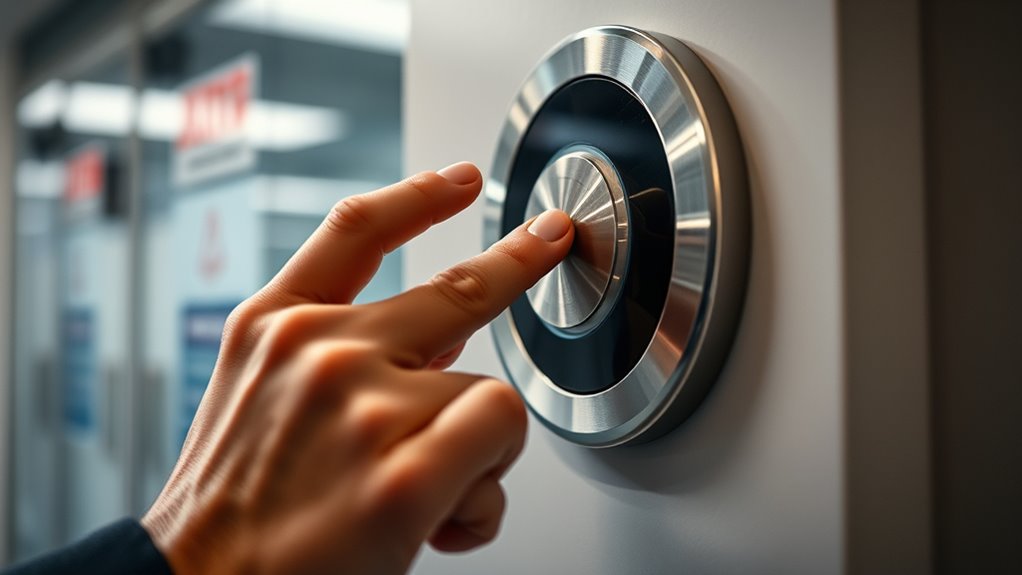
Many people mistakenly overestimate what panic buttons can do, thinking they’re foolproof security solutions. Skipping proper training can leave you unprepared to respond effectively in an emergency. Relying only on technology without a clear plan can create dangerous gaps in your safety measures.
Overestimating Panic Button Capabilities
It’s common to assume that pressing a panic button will instantly resolve all emergency situations, but this overestimation can lead to dangerous complacency. Relying solely on the button ignores essential factors like user authentication, which ensures that only authorized individuals activate it. It also assumes emergency response coordination will happen automatically, which isn’t always the case. Your panic button can alert responders, but it doesn’t guarantee immediate action or proper assessment.
Be aware that:
- False alarms may occur without proper user authentication protocols.
- Emergency response coordination depends on trained personnel, not just the button.
- Overestimating capabilities might delay thorough safety measures, increasing risk.
Ignoring Proper Training Procedures
Relying solely on a panic button without proper training can create dangerous gaps in safety. When training oversight is lacking, you may not understand how to activate or respond effectively during an emergency. This neglect can lead to procedural compliance issues, where responses become inconsistent or delayed. Without clear instructions and practice, you might panic or hesitate, reducing the panic button’s effectiveness. Proper training guarantees everyone knows when and how to use the device correctly and understands the subsequent steps to take. Skipping or neglecting training undermines the safety system, leaving critical moments vulnerable to human error. To maximize safety, always ensure staff receives thorough training and that procedures are reinforced regularly. This way, the panic button becomes a reliable part of your emergency response plan.
Relying Solely on Technology
While panic buttons are valuable safety tools, depending on them exclusively can be a critical mistake. Relying solely on technology introduces security vulnerabilities and fosters user complacency. If you ignore backup plans, a malfunction or hacking could leave you unprotected. Overconfidence in the system may cause you to bypass safety protocols or neglect situational awareness. To stay safe, remember that technology isn’t foolproof. Consider these points:
- Security vulnerabilities can be exploited, rendering the panic button ineffective.
- User complacency might delay or prevent timely responses during an emergency.
- Technical failures or power outages can disable the device when you need it most.
Always complement panic buttons with proper training, awareness, and alternative safety measures to ensure thorough protection.
Frequently Asked Questions
Can Panic Buttons Be Hacked or Disabled by Intruders?
Yes, panic buttons can be hacked or disabled by intruders due to cybersecurity vulnerabilities. If security measures aren’t strong, hackers might disable or bypass the system, undermining user accessibility when you need it most. To prevent this, guarantee your panic button system has robust encryption and regular updates. Staying vigilant about cybersecurity helps protect your safety and ensures the panic button works reliably when you need it.
Are Panic Buttons Effective for Individuals With Disabilities?
Think of a panic button as a lighthouse guiding you through stormy seas—it’s a vital tool for disability safety. For individuals with disabilities, these accessible features can be life-saving, providing quick help when needed. While they’re effective, remember that their success depends on proper placement and awareness. When integrated thoughtfully, panic buttons become a beacon of security, empowering you to feel more confident steering your environment.
How Quickly Do Emergency Responders Typically Arrive After Activation?
Emergency responders typically arrive within 5 to 15 minutes after activation, but response times can vary depending on your location and current response variability. Factors like traffic, distance, and call volume influence how quickly help arrives. You should always activate the panic button as soon as you need assistance, knowing that response times may differ. Staying calm and providing clear information can help responders assist you more efficiently.
Can Panic Buttons Be Used Remotely or From a Mobile Device?
You can use panic buttons remotely or from your mobile device. For example, a school staff member might activate a panic alert via a mobile app during an emergency, alerting security teams instantly. These systems offer remote activation and mobile accessibility, allowing you to send distress signals from anywhere. This flexibility enhances safety, ensuring help is just a tap away, whether you’re inside or outside the premises.
Do Panic Buttons Require Ongoing Maintenance or Updates?
You’ll need to perform regular maintenance and updates on your panic buttons to guarantee they function properly. Check installation requirements carefully, as some models may need specific power sources or network connections. Durability concerns are valid—choose weather-resistant or vandal-proof options if used outdoors or in high-traffic areas. Staying on top of these aspects keeps your panic button reliable and ready for immediate use when needed.
Conclusion
Remember, a panic button is like a lighthouse guiding you through stormy seas—valuable, but not the only beacon of safety. While it can summon help swiftly, it won’t stop threats from reaching you. To truly stay protected, combine it with other safety measures. Think of it as part of your armor, not the entire suit. Stay vigilant, prepared, and aware—because your safety depends on more than just one tool.
Halloween Picks
halloween
As an affiliate, we earn on qualifying purchases.