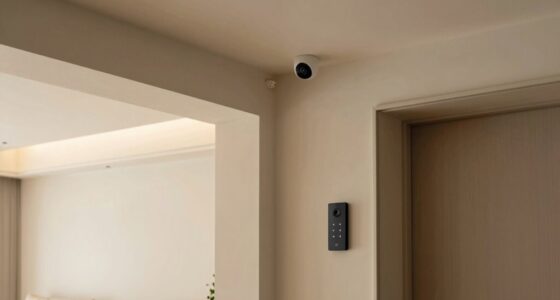
Understanding forced entry methods helps you identify vulnerabilities in your home without relying on fear tactics. Criminals often target weak points like poorly secured doors and windows, using tools such as crowbars, lock picks, or smashing glass. Spotting signs like scratches, dents, or broken locks can alert you to potential trouble. By learning these methods, you can take practical security measures to protect your home. Keep exploring to discover how to better safeguard your space.
Key Takeaways
- Recognize common forced entry methods like lock picking, window smashing, and prying to understand potential vulnerabilities.
- Identify signs of forced entry such as damaged locks, broken glass, or scratches near entry points.
- Learn about security enhancements like reinforced locks, tamper-proof hardware, and security film to prevent forced access.
- Understand the importance of surveillance, alarms, and lighting in deterring and detecting forced entries.
- Focus on proactive measures and awareness to improve safety without inducing fear, emphasizing prevention and quick response.
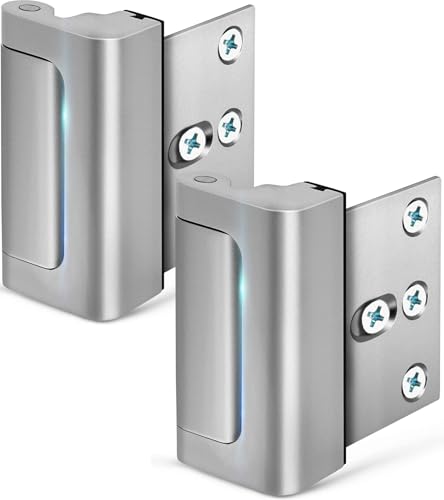
Home Security Door Lock, 2 Pack Childproof Door Reinforcement Lock with 3 Inch Stop Withstand 800 lbs for Top Front Inward Swinging Door, Upgrade Flip High Night Lock to Defend Your Home Kids
Upgraded Security Design: 3" Stop metal construction home security door lock with 8 screws designed to withstand 800Ibs…
As an affiliate, we earn on qualifying purchases.
As an affiliate, we earn on qualifying purchases.
What Is Forced Entry and How Do Criminals Do It?

Have you ever wondered how criminals manage to break into secured buildings? They often use forced entry techniques like lock picking or window smashing. Lock picking involves manipulating the lock’s internal components to open it without a key, which requires skill and patience. When that fails or isn’t an option, they may resort to window smashing, breaking glass to gain quick access. Criminals choose these methods to bypass security measures efficiently, often targeting weaker points like unlocked or poorly protected windows and doors. They understand the vulnerabilities in building security and exploit them to gain entry swiftly. These tactics highlight the importance of robust locks and reinforced windows to prevent unauthorized access. Additionally, knowing common forced entry methods can assist in selecting the most effective security measures for your home or business. Recognizing the vulnerable points in building security can help you implement targeted defenses against such intrusion tactics. Understanding security vulnerabilities is crucial for developing comprehensive protection strategies. Being aware of security system limitations further helps in designing defenses that are harder to breach.

BDF S8MC Window Film Security and Safety 8 Mil Clear – 30in X 12ft
MINIMIZE PROPERTY DAMAGE by absorbing impact from break-in attempts and holding shattered glass together. This film is applied…
As an affiliate, we earn on qualifying purchases.
As an affiliate, we earn on qualifying purchases.
How Do Intruders Pick Vulnerable Entry Points?
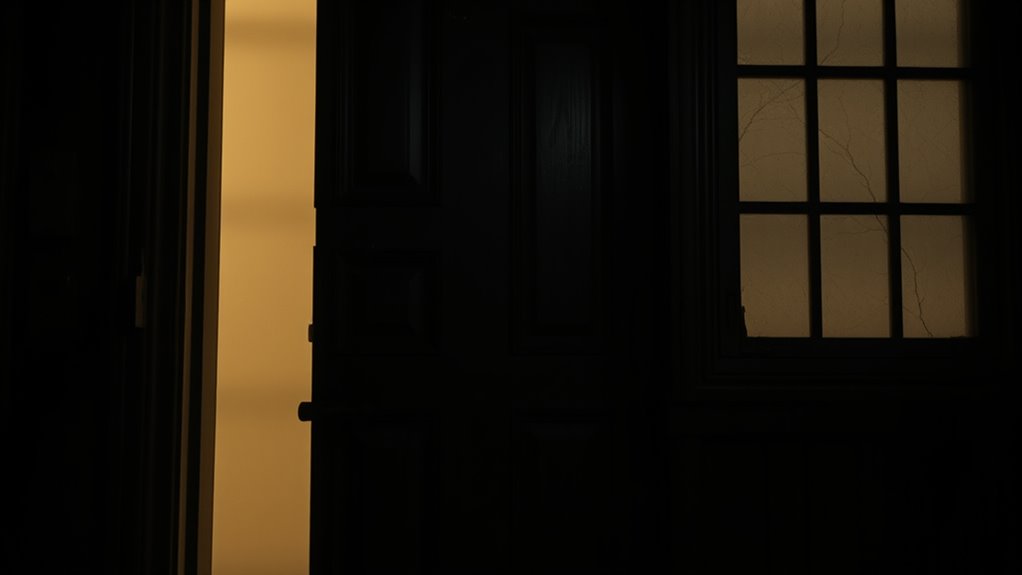
Criminals don’t randomly choose any entry point; instead, they target vulnerabilities that are easier to exploit. Understanding intruder psychology helps explain how they select these weak spots. They look for signs of neglect, such as unlocked doors, broken locks, or windows left open. Areas that are less visible or poorly secured are prime targets. Intruders assess the environment to identify entry point selection opportunities that require minimal effort and risk. They prefer locations where they can work quickly without attracting attention. By recognizing these common vulnerabilities, you can better understand where your home might be at risk and take steps to reinforce those weak points, making it harder for intruders to find an easy entry. Additionally, familiarizing yourself with security vulnerabilities can help you implement more effective preventative measures. Being aware of how home security can be compromised allows homeowners to take proactive steps to minimize risks and improve overall safety. Recognizing patterns in intruder behavior can also help in designing security measures that are more resistant to common tactics.
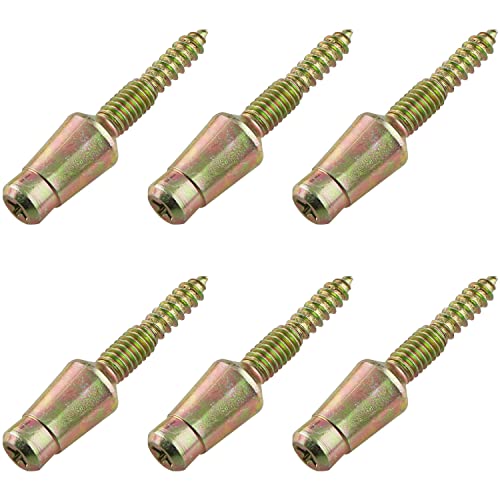
JianLing 6pcs Door Hinges Security Screws Tamper Proof Screws Color Zinc Metal Door Hinge Security Pins
Package includes: You will get 6pcs door hinge safety screws. Installing door hinge safety screws on door hinges…
As an affiliate, we earn on qualifying purchases.
As an affiliate, we earn on qualifying purchases.
What Tools and Techniques Do They Use to Break In?
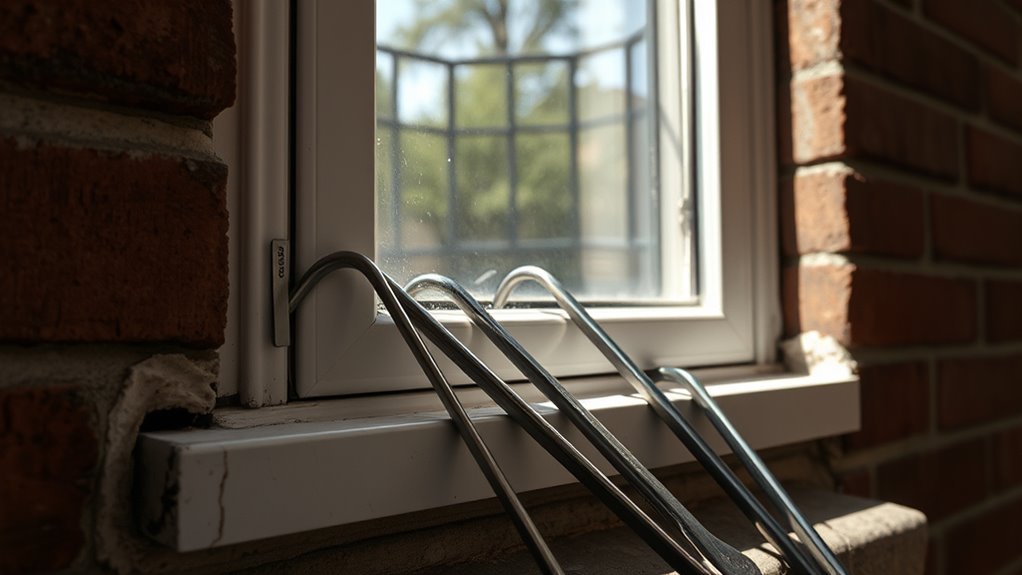
What tools and techniques do intruders rely on to break into a home? Criminal methods vary, but they often use specific tools designed for forced entry. Common tools include crowbars, screwdrivers, and lock picks, which allow quick access through weak points. Techniques involve prying doors, shimming locks, or bypassing security systems. Here’s a quick overview:
| Tool | Technique | Purpose |
|---|---|---|
| Crowbar | Prying doors or windows | Forceful entry |
| Lock pick set | Picking locks | Silent entry |
| Screwdriver | Tampering with hardware | Loosening or removing locks |
| Slim Jim | Manipulating latches | Gaining access through car or door locks |
Additionally, intruders may exploit weak or unsecured entry points such as poorly secured windows or doors to facilitate their break-in. They often target vulnerable areas that are less protected, making it easier to gain access without raising suspicion. Some intruders also use distraction techniques to divert attention during a break-in. Understanding these tools and techniques helps you recognize potential vulnerabilities and stay prepared. Being aware of forced entry methods enables you to take proactive measures to secure your property against such intrusions. Moreover, criminal activities can be deterred by installing effective security systems that detect and alert homeowners of unauthorized access.

WiFi Door Alarm System, Wireless DIY Smart Home Security System, with Phone APP Alert, 8 Pieces-Kit (Alarm Siren, Door Window Sensor, Remote), Work with Alexa, for House, Apartment, by tolviviov
WIFI Network: WIFI connection, Only works on 2.4GHz WiFi network, does NOT support 5GHz WiFi networks.
As an affiliate, we earn on qualifying purchases.
As an affiliate, we earn on qualifying purchases.
How Can You Spot Signs of Forced Entry?
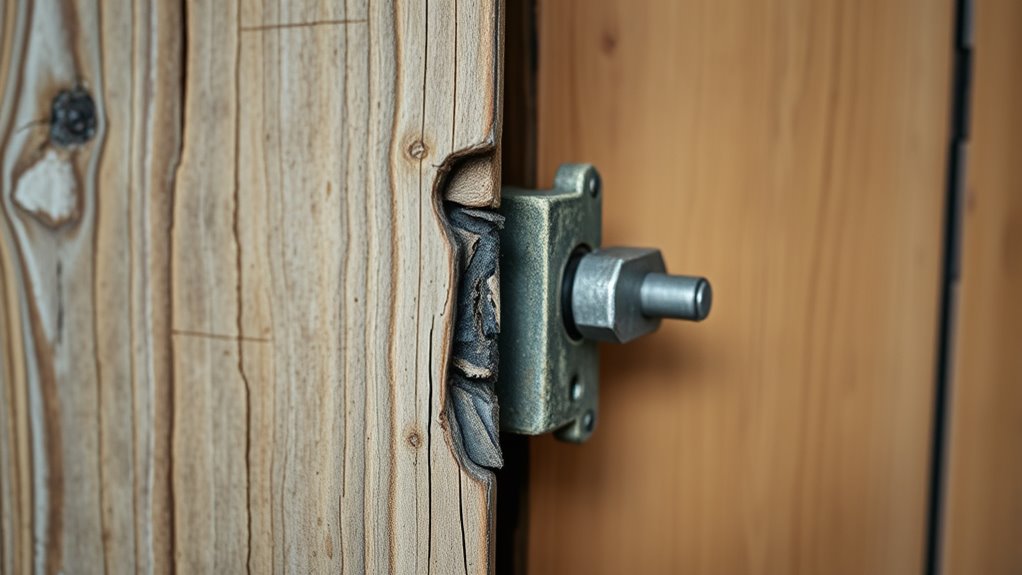
Recognizing the signs of forced entry can help you respond quickly and prevent further damage or theft. Look for fresh scratches, dents, or cracks around door frames and locks, indicating tampering. Check your security camera placement for unusual activity or recent footage showing someone attempting to breach your property. If the door feels loose or the lock is damaged, it’s a sign that someone tried to force entry. Examine door reinforcement methods like added security plates or reinforced strike plates—if these are bent or missing, it signals an attempted break-in. Also, inspect windows for broken locks or broken glass. Being vigilant about these signs allows you to act promptly, securing your property and alerting authorities if needed. Additionally, understanding Free Floating can help you identify vulnerabilities in your outdoor security measures. Regularly reviewing your security protocols and incorporating the latest security technology can further enhance your ability to detect and deter forced entry attempts, especially by staying informed about common forced entry methods used by intruders. Staying aware of common intrusion tactics can give you an edge in recognizing early warning signs and safeguarding your property.
How Can You Prevent Forced Entry Without Causing Alarm?

To prevent forced entry without alarming intruders, focus on implementing discreet security measures that don’t signal weakness. Building your security awareness helps you identify vulnerabilities silently. Prevention strategies include subtle modifications that make forced entry more difficult without raising suspicion. For example, reinforce door frames or install tamper-proof locks that blend seamlessly with existing hardware. Additionally, consider using security film on windows to delay forced entry while maintaining a discreet appearance. Regularly maintaining and monitoring your security system ensures it operates smoothly without drawing attention. Incorporating top-rated security products can further enhance your protection without increasing the risk of detection. Understanding contrast ratio and its impact on visual clarity can help you choose the right security monitors and screens for discreet surveillance setups. Moreover, integrating European cloud servers can securely store your security footage, ensuring data privacy and swift access when needed. Staying informed about security hardware options allows you to select the most effective solutions that remain unobtrusive. Leveraging advanced surveillance technology can also help detect suspicious activity discreetly, adding an extra layer of security without raising alarm.
What Are Effective Ways to Respond If You Find a Break-In?

When you discover a break-in, your immediate priority should be ensuring your safety. Stay calm and avoid confronting intruders. If possible, quietly leave the home and find a safe location nearby. Contact emergency services immediately to report the break-in; they can handle the situation and help secure your home. Remember, your home safety depends on a well-practiced emergency planning routine—know your exits and keep emergency contacts accessible. If you’re unable to leave safely, find a secure room, lock the door, and call for help. Avoid touching anything that could compromise evidence. Once authorities arrive, cooperate fully. After the incident, review your emergency plan, reinforce home safety measures, and consider installing security devices to prevent future break-ins. Practicing awareness and staying informed about common break-in methods can help you respond more effectively.
How Do Security Devices Help Deter Forced Entry?
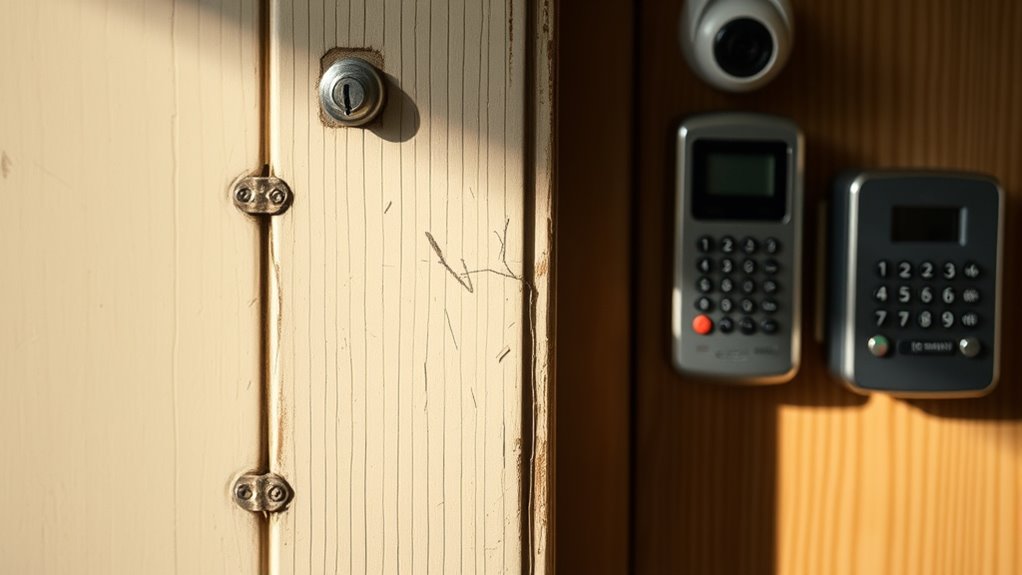
Security devices play a crucial role in deterring forced entry by making your home less appealing to intruders. Alarm systems alert you and authorities instantly if someone attempts to break in, increasing the risk for intruders. Security signage signals that your home is protected, discouraging potential burglars from targeting you. These devices work together to create a layered defense, making forced entry more difficult and risky.
Key deterrents include:
- Visible alarm system components that signal active security measures
- Prominent security signage warning of surveillance
- Reinforced locks and deadbolts to delay forced entry
- Motion-activated lights that expose intruders to visibility
Together, these measures create a formidable barrier, reducing the likelihood of a break-in.
How Can Learning About Forced Entry Improve Your Home Security?
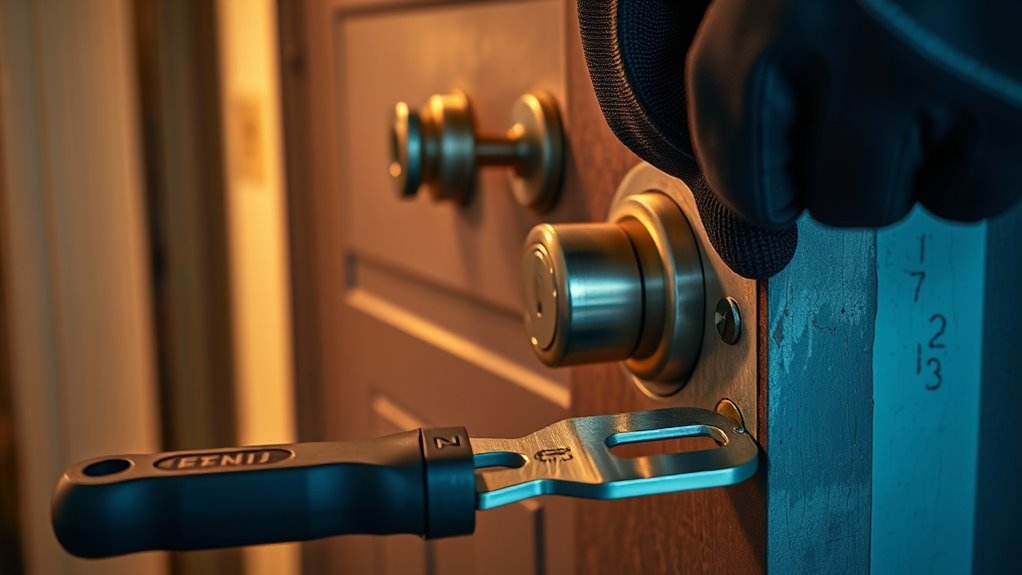
Understanding how forced entry methods work can substantially enhance your home security. When you know common tactics criminals use, you can better identify vulnerabilities around your home. This knowledge helps you select effective crime prevention measures, such as reinforced doors, strong locks, and secure windows. By understanding these methods, you can create targeted security strategies that make it more difficult for intruders to succeed. Learning about forced entry also empowers you to recognize signs of attempted break-ins and respond quickly. Overall, staying informed enables you to implement proactive security solutions, reducing the risk of a break-in and protecting your loved ones. Ultimately, this awareness strengthens your home security and gives you peace of mind.
Frequently Asked Questions
What Are Common Misconceptions About Forced Entry Methods?
Many believe security myths that certain forced entry methods are impossible or highly sophisticated, but false assumptions often overlook basic tools and techniques used by intruders. You might think only professionals can breach locks, yet common methods like prying or jimmying are more accessible than you realize. Recognizing these misconceptions helps you better understand real risks, so you can implement effective security measures without falling for false assumptions about forced entry.
How Do Criminals Adapt Their Techniques Over Time?
Criminals adapt their techniques through evolving tactics and adaptive strategies, like when burglars switch from forced entry to lock picking after increased security measures. They study security trends, refine their methods, and exploit new vulnerabilities. For example, if a neighborhood installs smart locks, criminals might target those devices or use social engineering. Staying aware of these evolving tactics helps you anticipate threats and reinforces your home’s defenses effectively.
Are There Legal Considerations When Monitoring for Forced Entry?
You must guarantee legal compliance when monitoring for forced entry, as surveillance regulations vary by jurisdiction. Always obtain proper consent and avoid infringing on privacy rights, as unauthorized monitoring can lead to legal penalties. Stay informed about local laws and regulations regarding surveillance to protect yourself and your property. Regularly review your security practices to ensure they align with current legal standards, preventing potential legal issues down the line.
How Does Environmental Context Influence Forced Entry Risks?
Think of your building like a fortress, where environmental design shapes its defenses. Environmental context influences forced entry risks by highlighting security vulnerabilities—poor lighting, landscaping, or weak entry points, for example. These factors act like open doors for intruders. By understanding how environmental elements impact security, you can better reinforce vulnerable areas and create a safer space, reducing the chances of forced entry.
Can Increasing Security Measures Unintentionally Attract More Criminals?
Yes, increasing security measures can sometimes unintentionally attract more criminals due to the security paradox. When you upgrade your security for crime deterrence, it may signal that you’re a high-value target, prompting more sophisticated or daring attempts. Criminals might see your enhanced defenses as a challenge, making them more tempted to test your measures rather than avoiding your property altogether. Always balance your security efforts to minimize this unintended consequence.
Conclusion
By understanding forced entry, identifying vulnerabilities, and recognizing signs, you empower yourself to protect your home. By knowing how intruders operate, choosing the right security measures, and acting swiftly if needed, you create a safer environment. By staying vigilant, implementing prevention, and maintaining awareness, you not only deter criminals but also build confidence. Stay informed, stay prepared, and stay secure—because protecting your home is a constant effort that keeps you one step ahead.