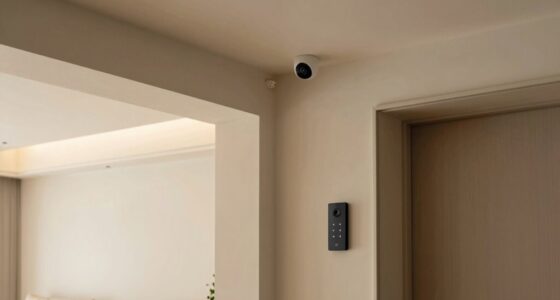
Wired security systems generally offer more reliable connection and consistent performance, but they’re harder to install and less flexible. Wireless systems are easier to set up and can be moved or expanded quickly, though they may face interference and signal issues. Your choice depends on your priorities—long-term reliability or ease of installation. To find out which option suits your needs best, you’ll discover more about the key differences and real-life impacts below.
Key Takeaways
- Wired security systems offer more stable connections and higher reliability, reducing signal interference issues in real-life use.
- Wireless systems provide easier installation, quick setup, and flexible placement, ideal for dynamic or expanding security needs.
- Wired setups typically have higher long-term durability and less maintenance, but initial costs and installation are more complex.
- Wireless systems are more susceptible to interference and hacking risks but support easier remote upgrades and scalability.
- The choice depends on environmental factors, security priorities, and the need for flexibility versus stability in real-world applications.

Blink Outdoor 4 – Wireless smart security camera, two-year battery life, 1080p HD day and infrared night live view, two-way talk. Sync Module Core included – 5 camera system
Outdoor 4 is our most affordable wireless smart security camera yet, offering up to two-year battery life for…
As an affiliate, we earn on qualifying purchases.
As an affiliate, we earn on qualifying purchases.
How Do Wired and Wireless Security Systems Differ?

Wired and wireless security systems differ primarily in how they connect their components. With wired systems, you benefit from wired durability. The wires provide a stable connection, making the system less prone to interference or signal loss. This setup is often more reliable over time, especially in environments where interference is common. On the other hand, wireless systems offer wireless flexibility. You can easily add or move sensors without worrying about running cables, which simplifies installation. Wireless systems are more adaptable to changing needs and easier to expand. However, their reliance on Wi-Fi or radio signals can sometimes lead to connectivity issues. Proper system maintenance and regular updates help ensure reliable operation of wireless setups. Additionally, considering proper ventilation and sanitation is important for maintaining the system’s longevity and performance. Regularly checking for signal interference and ensuring your network is secure can further improve wireless system reliability. Implementing security protocols is crucial to protect the system from potential cyber threats. Ultimately, wired systems prioritize durability, while wireless setups focus on flexibility and ease of use.
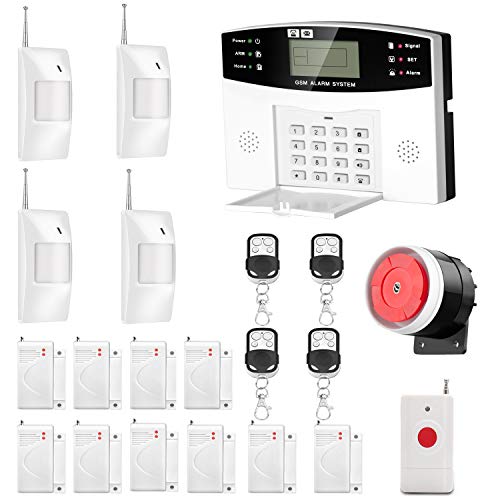
AGSHOME Security Alarm System 99+7 Zone Auto Dial 3/4G GSM SMS Home Burglar Security Wireless GSM Alarm System Detector Sensor Kit Remote Control
No monthly fees and contracts with security companies,Just pay the cell phone operation service provider; Put-in a GSM…
As an affiliate, we earn on qualifying purchases.
As an affiliate, we earn on qualifying purchases.
Installation and Setup: Which Is Easier and Faster?

When it comes to installation and setup, wireless security systems are generally quicker and easier to get up and running. Since they rely on wireless connectivity, you don’t need to drill holes or run cables through walls, reducing installation complexity. You can typically set up sensors and cameras yourself, often with minimal tools or technical knowledge. Many systems come with user-friendly apps that guide you through the process step-by-step. This simplicity means less time spent hiring professionals and fewer disruptions to your daily routine. Additionally, smart-home integrations allow for seamless control and automation, further simplifying management. In contrast, wired systems require more extensive planning, wiring, and professional installation, making setup more complex and time-consuming. Overall, wireless systems offer a faster, more straightforward installation process for most users. Wireless setups also benefit from flexible placement options, making it easier to adapt your security system to your changing needs. Moreover, advancements in wireless technology continue to improve reliability and security, making them even more appealing for home and business use. As wireless systems evolve, they increasingly incorporate encryption protocols to protect your data from potential breaches. Furthermore, ongoing innovations in battery life and power management help ensure consistent system performance without frequent maintenance.

WiFi Door Alarm System, Wireless DIY Smart Home Security System, with Phone APP Alert, 8 Pieces-Kit (Alarm Siren, Door Window Sensor, Remote), Work with Alexa, for House, Apartment, by tolviviov
WIFI Network: WIFI connection, Only works on 2.4GHz WiFi network, does NOT support 5GHz WiFi networks.
As an affiliate, we earn on qualifying purchases.
As an affiliate, we earn on qualifying purchases.
Reliability and Performance: Which System Holds Up Better?

When it comes to reliability, your main concerns are signal stability and system uptime. Wireless systems can face interference that affects performance, while wired setups tend to be more consistent. Understanding how each system handles these factors helps you choose the one that offers the best long-term dependability. Additionally, considering the Free Floating nature of wireless setups, which allows for flexible placement but can also introduce unpredictability, is important in assessing overall system reliability. The presence of interference sources in the environment can further impact wireless system performance, making wired systems a more robust choice in certain settings. Ensuring proper system maintenance can also help mitigate reliability issues in both setups.
Signal Stability and Interference
Wireless security systems often face challenges with signal stability due to interference from other electronic devices, thick walls, or large distances between sensors and the control panel. This can lead to signal interference, causing interruptions or delayed alerts. When signal interference occurs, your connection stability suffers, increasing the risk of missed or false alarms. Wireless systems rely on Wi-Fi or radio frequencies, which are more susceptible to environmental factors than wired connections. If your home has many electronics or thick walls, these issues may become more frequent. Ensuring proper placement of sensors and minimizing sources of interference can improve connection stability. Understanding environmental impacts can help you optimize your setup. However, in environments with significant interference, wired systems generally maintain more consistent signal stability without these concerns.
System Uptime and Reliability
System uptime and reliability are vital factors to take into account when choosing between wired and wireless security systems. Wired systems typically offer higher system uptime because they’re less affected by interference or power outages, making them more dependable. Wireless systems depend on Wi-Fi or cellular signals, which can sometimes falter, affecting overall reliability. Your choice should consider these reliability factors. Here’s a quick comparison:
| Feature | Wired System | Wireless System | Reliability Factors |
|---|---|---|---|
| System Uptime | Usually higher due to stable connection | Can drop during interference | Wired is more dependable |
| Power Dependency | Power outages may affect system | Battery backup helps | Wired is less vulnerable |
| Signal Interference | Minimal | More susceptible to interference | Wired excels in stability |
| Setup Complexity | More complex, permanent install | Easier, flexible placement | Wireless offers convenience |
| Maintenance | Less frequent | Regular updates needed | Wired systems are more straightforward |
Additionally, advancements in technology standards have improved the robustness of wireless systems, but they still generally lag behind wired systems in terms of consistent reliability. Moreover, ongoing research into interference mitigation techniques is gradually enhancing wireless system stability, but they remain somewhat vulnerable in highly congested environments.

ANNKE 8CH H.265+ 3K Lite Wired Security Camera System with AI Human/Vehicle Detection, 4 x 1920TVL 2MP CCTV IP67 Cameras with Smart Dual Light for Outdoor Use, Color Night Vision, 1TB Hard Drive
【AI Motion Detection 2.0】Driving AI to the next level, human&vehicle detection and flexible detection area are more accurate…
As an affiliate, we earn on qualifying purchases.
As an affiliate, we earn on qualifying purchases.
Cost Comparison: Upfront Expenses and Long-Term Savings

When comparing wired and wireless security systems, you’ll want to take into account initial installation costs, which can vary considerably. Keep in mind that maintenance and upgrades may also impact your long-term expenses, depending on the system you choose. Additionally, factors like system reliability and ease of integration with smart home gadgets can influence the overall cost-effectiveness of your security setup. A thorough understanding of well-sourced coverage can help ensure you select a system with accurate and dependable information. Moreover, considering the performance ratings and durability of components can further optimize your investment over time. Understanding the filtration of system components can also contribute to their longevity and consistent operation, ultimately saving you money on repairs or replacements. Being aware of component quality can help you evaluate the overall lifespan and reliability of your security system.
Initial Installation Costs
Although initial installation costs can vary considerably, wireless security systems often have lower upfront expenses compared to wired options. The initial setup for wireless systems is simpler and faster, reducing labor costs. You save on wiring costs because there’s no need to run cables through walls or ceilings. Wireless systems typically require fewer tools and less planning during installation. Here’s what to contemplate:
- No extensive wiring needed
- Shorter installation time
- Lower labor costs
- Flexible placement options
- Easier to add or move sensors
Additionally, wireless systems often have cost advantages due to their easier setup process. These factors make wireless systems more budget-friendly upfront. While wired systems might have higher wiring costs during setup, wireless options provide a straightforward initial setup, saving you time and money. Furthermore, the installation process for wireless systems can be less disruptive, especially in existing structures. The scalability of wireless systems allows homeowners to expand their security network easily as needed.
Maintenance and Upgrades
Maintenance and upgrade costs play a significant role in choosing between wired and wireless security systems. With wireless setups, software updates are often easier to implement remotely, helping keep your system current without costly service visits. However, you need to guarantee hardware compatibility with new updates to avoid system malfunctions or the need for replacements. Wired systems typically require more effort for upgrades, as they involve physical modifications or component replacements, which can be costly and time-consuming. Regular maintenance for both types includes checking connections and functionality, but wireless systems may incur ongoing costs for battery replacements or signal boosters. Ultimately, understanding these maintenance needs helps you budget effectively and ensures your security system remains reliable over time.
Long-Term Value Benefits
Choosing between wired and wireless security systems involves considering their long-term value. Wireless systems often have lower upfront costs, making them more accessible initially. Over time, they offer significant long-term savings through easier upgrades and maintenance, reducing expenses on rewiring or extensive renovations. Plus, wireless systems are flexible, allowing you to expand your setup easily as your needs grow—supporting future expansion without costly modifications. Wired systems tend to have higher upfront expenses due to installation complexity, but they can be more reliable over the long haul. Ultimately, wireless solutions can provide better long-term value by minimizing costs related to upgrades and scalability, while wired systems might be suited for those prioritizing stability and minimal future adjustments.
- Lower initial costs
- Easier future expansion
- Reduced maintenance expenses
- Flexibility for upgrades
- Cost-effective long-term savings
Are Wireless or Wired Systems More Flexible and Scalable?

Wireless security systems offer greater flexibility and scalability compared to wired setups, making it easier for you to adapt your security coverage as your needs change. With wireless flexibility, you can add or move sensors without rewiring, allowing quick adjustments. Wired scalability, on the other hand, often requires extensive rewiring and more effort to expand. To illustrate this, consider the table below:
| Feature | Wireless Systems | Wired Systems |
|---|---|---|
| Flexibility | Easy to move and add devices | Limited by physical wiring |
| Scalability | Quick expansion | Time-consuming installation |
| Adjustment Ease | Immediate changes | Requires rewiring |
| Maintenance | Simple, minimal disruption | More complex, invasive |
This shows that wireless systems excel in flexibility, while wired systems are more limited in scalability.
What Are the Security Risks and Vulnerabilities of Wired vs Wireless?

While wireless systems offer unmatched flexibility, they also introduce unique security vulnerabilities that wired setups typically avoid. You face hacking risks due to signal interception and unauthorized access. Wireless networks are more susceptible to encryption vulnerabilities, where weak encryption can be exploited by hackers. Additionally, radio frequency signals can be intercepted or jammed, compromising your system. Here are some key vulnerabilities:
- Susceptibility to hacking risks through signal interception
- Encryption vulnerabilities that weaken security
- Potential for unauthorized access if passwords are weak
- Signal jamming or interference disrupting system operation
- Physical tampering with wireless devices
In contrast, wired systems are generally more secure, but wireless vulnerabilities demand careful protection measures to keep your property safe.
Which Security System Is Right for Your Home or Business?

Selecting the right security system for your home or business depends on your specific needs, budget, and the level of protection you want. Consider factors like battery life and power sources to guarantee reliable operation. Wireless systems often rely on batteries, which require regular checks, while wired systems connect to your main power supply. Here’s a quick comparison:
| Feature | Wireless System | Wired System |
|---|---|---|
| Battery Life | Limited; needs periodic replacement or recharge | No battery needed; continuous power supply |
| Power Sources | Batteries or backup power options | Main electrical power supply |
| Flexibility | Easy to install and relocate | Fixed installation, less flexible |
| Vulnerability | Susceptible to battery depletion | Less vulnerable; relies on wiring |
Choose based on your preference for mobility, maintenance, and reliability.
Frequently Asked Questions
How Do Wired and Wireless Systems Impact Home Automation Integration?
Wired systems often provide better smart home compatibility since they connect directly to your home’s infrastructure, making integration smoother. However, they can be more complex to install, especially if you need to run new cables. Wireless systems are easier to set up and more flexible, letting you add devices effortlessly. Consider your home’s layout and your tech needs to choose the system that best fits your automation goals.
What Maintenance Is Required for Wired Versus Wireless Security Systems?
Picture your security system as a vigilant guardian, standing guard daily. For wireless systems, you’ll mainly replace batteries and check signal strength. Wired systems require wiring inspections to prevent corrosion or damage. Both need occasional updates and cleaning. Regularly replacing batteries keeps wireless sensors alert, while inspecting wiring ensures wired systems stay intact. Staying proactive with these simple tasks keeps your security guardian both reliable and ready to protect.
Can Wired Systems Be Easily Upgraded or Expanded Over Time?
Wired systems can be expanded, but it’s less straightforward due to cabling flexibility and installation complexity. You’ll need to run new cables and possibly modify your existing setup, which can be time-consuming and costly. While upgrades are possible, they require more planning and effort compared to wireless systems. If you prioritize easy expansion, wireless might be a better choice, but wired systems offer reliable, long-term security.
How Do Power Outages Affect Wired and Wireless Security Systems?
During a power outage, wired security systems usually keep working if they have a battery backup, ensuring continuous protection. Wireless systems, on the other hand, might lose connection due to signal interference or power loss unless they also have a battery backup. You should consider installing battery backups for both types to maintain security during outages and minimize signal interference, ensuring your system stays reliable no matter what.
Are There Differences in Customer Support and Warranty Options?
Customer support and warranty options are like a safety net, offering peace of mind. With wired systems, you might find more extensive warranties due to their durability, but wireless systems often come with quicker, more accessible customer support because of their tech-driven nature. You should compare brands to see which offers better warranty coverage and responsive customer service, ensuring you’re protected whether your system is wired or wireless.
Conclusion
Choosing between wired and wireless security systems isn’t just about costs or setup—it’s about what’s best for your peace of mind. Will you prioritize seamless flexibility or rock-solid reliability? The decision could shape your home’s safety in ways you never expected. But there’s one critical factor you haven’t considered yet. Are you ready to uncover the hidden risks and secrets that could make or break your security choice? The answer might surprise you.