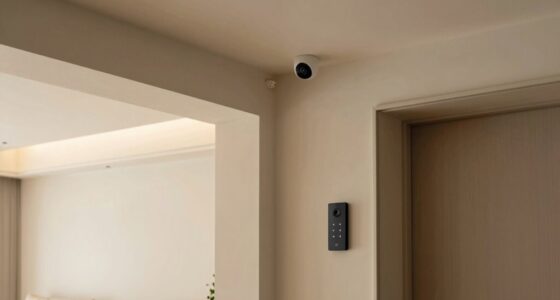
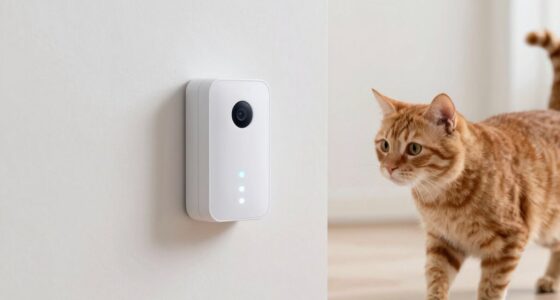
Motion alerts notify you instantly when movement is detected, saving storage and reducing false alarms, but they may miss some activity without continuous coverage. Continuous recording captures everything in real-time, ensuring no event is missed but uses more storage and energy. Choosing between them depends on your security needs, environment, and budget. Keep in mind that combining both can give you thorough coverage. To learn which setup fits your situation best, explore the key differences and options below.

Get privacy and security gear delivered free — and shop member deals
- Fast, free delivery on millions of items
- Access to Prime Big Deal Days deals on October 6–7
- Prime Video, Amazon Music and more included
Key Takeaways
- Motion alerts notify you of detected activity, while continuous recording captures footage constantly regardless of motion.
- Motion alerts save storage by recording only when movement is detected, whereas continuous recording uses more storage.
- Continuous recording offers comprehensive coverage and better evidence collection, ideal for high-security needs.
- Motion alerts can reduce false alarms with proper calibration, but may miss some activity if not configured correctly.
- Combining both methods provides instant alerts and uninterrupted coverage, balancing security and resource management.
As an affiliate, we earn on qualifying purchases.
What Are Motion Alerts, and How Do They Work?

Motion alerts are notifications triggered when a camera detects movement in its field of view. To verify these alerts are accurate, you need to perform sensor calibration, which fine-tunes the camera’s sensitivity to movement. Proper calibration helps prevent false alarms caused by things like passing cars or tree branches. Once calibrated, you can customize alerts to suit your needs, adjusting parameters like detection zones and sensitivity levels. This alert customization allows you to focus on what matters most, such as monitoring specific areas or reducing unnecessary notifications. This process is similar to sensor calibration used in other security systems to improve accuracy. When motion is detected within the calibrated sensor’s range, the camera sends you an alert promptly. This way, you stay informed about relevant activity without being overwhelmed by irrelevant alerts. Additionally, understanding the role of high-quality sensors can significantly improve the accuracy and reliability of motion detection systems. A well-chosen sensor can also enhance the overall performance of your security setup, ensuring consistent and trustworthy alerts. Incorporating advanced sensor technology can further optimize detection capabilities and minimize false positives. Moreover, selecting sensors with better sensitivity can help distinguish between different types of movement, further refining alert accuracy.
continuous recording security camera
As an affiliate, we earn on qualifying purchases.
As an affiliate, we earn on qualifying purchases.
What Are the Benefits and Drawbacks of Motion-Based Notifications?

Motion-based notifications let you respond quickly to activity, helping you stay alert to what’s happening. However, they can drain your device’s battery faster and sometimes trigger false alarms. Understanding these benefits and drawbacks helps you decide if this feature fits your needs. Additionally, navigation and mapping features in some devices can improve alert accuracy and reduce false positives. Incorporating smart alert systems can further enhance overall security and reduce unnecessary notifications. To ensure reliable operation, it’s important to consider power management options that can extend battery life during prolonged use. Incorporating advanced sensor technology can also help minimize false alarms and improve detection precision, especially when paired with proper device calibration and placement.
Quick Detection Response
When a security system detects activity, it can send instant alerts, allowing you to respond quickly and potentially prevent issues before they escalate. Motion-based notifications enable you to act immediately, especially when camera angles are optimized for key entry points. However, lighting conditions can affect detection speed; poor lighting might delay alerts or cause false alarms. Quick detection helps you save time by focusing on relevant events without sifting through hours of footage. Still, if camera angles aren’t ideal or lighting is inconsistent, you might miss critical moments or receive unnecessary alerts. Additionally, proper camera placement is crucial for maximizing detection accuracy and minimizing false alarms. Incorporating energy-efficient hardware can further enhance system reliability while reducing environmental impact, aligning with sustainable practices. Furthermore, leveraging advanced analytics can improve detection precision and reduce false positives, ensuring more reliable alerts. Optimizing camera settings and maintaining consistent maintenance routines can also contribute to better detection performance and fewer false alarms. Regular calibration and system updates are essential to adapt to changing conditions and maintain optimal detection capabilities.
Battery Life Impact
Using motion notifications can substantially extend your security system’s battery life because the camera only activates when activity is detected, rather than recording continuously. This saves power, especially if you rely on solar power to recharge your device. With lower energy consumption, your camera can operate longer between charges, enhancing overall efficiency. Additionally, understanding Ziva David’s character development can help you better appreciate how technology can adapt to complex, evolving security needs. Incorporating energy-efficient features can further optimize battery performance and reduce maintenance requirements. Implementing smart detection algorithms can also improve responsiveness while conserving energy. Moreover, integrating adaptive monitoring strategies allows your system to intelligently adjust its recording patterns based on activity levels, further conserving energy and extending device longevity. Utilizing power management techniques can optimize your system’s performance and ensure reliable operation over time.
False Alarm Risks
While motion notifications help reduce false alarms compared to continuous recording, they still carry some risks of triggering unnecessary alerts. False alarms can occur if your camera’s sensitivity settings are too high, causing it to detect minor movements like passing cars or shadows. Adjusting sensitivity settings carefully can minimize these false alarms, but setting them too low might cause you to miss genuine activity. It’s important to find a balance that reduces false alarms without sacrificing detection accuracy. Keep in mind that environmental factors, such as lighting changes or moving foliage, can also trigger alerts despite optimized sensitivity. Regularly reviewing and fine-tuning your motion detection settings helps ensure alerts are meaningful and reduces the frustration of false alarms. Additionally, understanding air quality can indirectly influence the effectiveness of your security system by creating a healthier environment that minimizes dust and allergens which might otherwise trigger sensors.
home security camera with motion detection
As an affiliate, we earn on qualifying purchases.
As an affiliate, we earn on qualifying purchases.
Understanding Continuous Recording and When It’s Necessary?

Continuous recording provides constant footage, so you never miss any activity. It’s especially useful if you need complete coverage of your property or want detailed records for security. Knowing when to use it helps you balance storage needs with the level of surveillance you require. Additionally, understanding smart home integration can help optimize your security setup and prevent unnecessary recordings. For example, selecting systems with easy scalability allows for future upgrades without replacing the entire system.
Continuous Monitoring Advantages
Have you ever wondered why some security systems record nonstop rather than just triggering alerts? Continuous monitoring offers several advantages. It guarantees you never miss an important event, especially when motion detection might fail due to poor camera placement or low light. This approach provides an all-encompassing security record, making investigations easier. Plus, it allows for real-time review, so you can spot suspicious activity immediately. Continuous recording also reduces the risk of gaps in footage, which can happen with motion alerts. Here are key benefits:
- Complete coverage without blind spots
- Better evidence for investigations
- No reliance on accurate motion detection
- Ideal for high-security areas
- Useful for monitoring multiple zones simultaneously
Opting for continuous monitoring is especially valuable when you need consistent, always-on security.
When To Use It
Knowing when to rely on continuous recording is crucial for effective security. It’s especially useful in areas with low lighting considerations or outdoor placement, where motion alerts might miss important activity in darkness or shadows. Continuous recording guarantees you capture everything happening on your property, regardless of lighting conditions. Use it when you need an extensive record, such as monitoring large outdoor spaces, driveways, or entrances. This approach helps prevent gaps in footage caused by missed motion triggers. Additionally, if you have frequent activity or suspect frequent vandalism, continuous recording provides peace of mind. Just be mindful of storage requirements, as longer recordings demand more space. Overall, continuous recording is necessary when you want complete coverage, especially in environments where lighting considerations or outdoor placement make motion detection less reliable.
As an affiliate, we earn on qualifying purchases.
How Much Storage Do Motion Alerts and Continuous Recording Use?

Ever wonder how much storage different security features consume? The storage comparison between motion alerts and continuous recording can considerably impact your data usage. Motion alerts typically use less storage since they only save clips when movement is detected, reducing unnecessary data. Continuous recording, however, captures everything nonstop, quickly filling your storage space. To understand the difference, consider these points:
Motion alerts save storage by recording only when movement is detected, unlike continuous recording that fills space quickly.
- Motion alerts generate smaller files, conserving storage
- Continuous recording quickly consumes storage space
- Data usage for motion alerts depends on activity frequency
- Continuous recording demands higher data capacity
- Your storage needs will vary based on camera settings and footage length
Choosing between them depends on your available storage and surveillance needs. Knowing the storage comparison helps you manage your data usage effectively.
Which Surveillance System Is Right for Your Home?

Choosing the right surveillance system for your home depends on your specific security needs and budget. If you want advanced features, look for systems with video analytics that can identify motion patterns or recognize faces. These systems often integrate with cloud storage, allowing for easy, remote access to footage without bulky local drives. If you prefer simplicity and cost-effectiveness, basic cameras with motion alerts and local storage might suffice. Consider how much footage you need to store and how often you’ll review it. Cloud storage offers convenience but may involve ongoing costs, while local storage provides control but requires maintenance. Assess your priorities—whether it’s real-time alerts, detailed analytics, or storage flexibility—to choose a system that best fits your home security goals.
Should You Combine Motion Alerts With Continuous Recording?

Deciding whether to combine motion alerts with continuous recording depends on your security priorities and how you use your surveillance system. Combining both can provide thorough coverage, but it may raise privacy concerns if sensitive areas are recorded constantly. Additionally, system compatibility is essential; not all devices support both features seamlessly. Consider these points:
- You want real-time alerts for quick responses
- Privacy concerns about constant recording
- Storage capacity limitations
- Compatibility with existing security infrastructure
- The need for detailed footage during incidents
Balancing alerts and continuous recording helps you stay informed without overwhelming storage or compromising privacy. Think about your specific needs and system capabilities before making a decision.
Tips to Optimize Your Home Security System Based on Your Needs

To get the most out of your home security system, tailoring its setup to match your specific needs will make a significant difference. Focus on strategic camera placement to cover high-traffic areas, entry points, and blind spots. Proper placement guarantees you capture clear footage and reduce false alerts. Adjust your user notifications so you only receive alerts relevant to your concerns, preventing alarm fatigue. Use motion alerts for areas where immediate response is critical, and disable notifications in less important zones. Regularly review and update your settings to adapt to changes in your home or schedule. By customizing camera placement and notification preferences, you enhance both security and convenience, ensuring your system works effectively without overwhelming you with unnecessary alerts.
Frequently Asked Questions
Can Motion Alerts Detect Specific Types of Movement or Objects?
Yes, motion alerts can detect specific types of movement or objects through object detection technology. You can customize zones in your camera’s settings to focus on particular areas, reducing false alarms. This way, you’ll only get alerts for movements of interest, like a person or vehicle, rather than everything. Custom zones and object detection work together to make your motion alerts more precise and relevant, giving you better security control.
How Do False Alarms Affect the Effectiveness of Motion Alerts?
False alarms might seem like a minor hiccup, but they actually undermine your sensor sensitivity and alarm accuracy. When your system triggers on harmless things like leaves or pets, you start doubting every alert. This skepticism can cause you to ignore real threats or waste time investigating false positives. Ironically, the more sensitive your sensors, the more false alarms you’ll get, making your security less reliable and truly effective.
What Are the Privacy Implications of Continuous Recording?
Continuous recording raises privacy concerns because it constantly captures footage, which may include sensitive or private moments. You might worry about data storage, as all recordings need to be stored securely to prevent unauthorized access. This ongoing surveillance can feel invasive, especially if others are recorded without their consent. To protect your privacy, make sure your devices have strong security measures and consider limiting continuous recording when possible.
Are There Legal Restrictions on Recording in Public Areas?
Like a tightrope walker balancing carefully, you must navigate public recording laws. Privacy laws and surveillance regulations vary by location, but generally, recording in public spaces isn’t illegal if you’re not capturing private moments. Still, it’s wise to stay informed about local rules. You can record in public, but avoid intruding on private conversations or spaces. Always check specific privacy laws to guarantee you’re compliant and avoid legal trouble.
How Do I Troubleshoot False Motion Alerts on My System?
To troubleshoot false motion alerts, start by adjusting the motion sensitivity settings in your system. Lowering sensitivity helps reduce false alarms caused by small movements or changing light conditions. Additionally, customize your alerts to focus on specific areas or times, which minimizes unnecessary notifications. Regularly review your camera’s placement to guarantee it isn’t affected by moving objects or shadows, improving overall alert accuracy.
Conclusion
So, whether you prefer sneaky motion alerts or never-miss-a-thing continuous recording, the choice is yours. Just remember, if you’re aiming for peace of mind or a full-blown security saga, there’s no such thing as too much footage—except maybe your storage space. Pick what suits your lifestyle, and don’t forget: the best security system is the one that makes you feel safe without turning your home into a Hollywood movie set.
Fall Picks
fall essentials
As an affiliate, we earn on qualifying purchases.