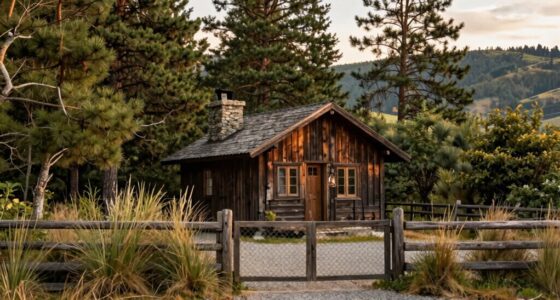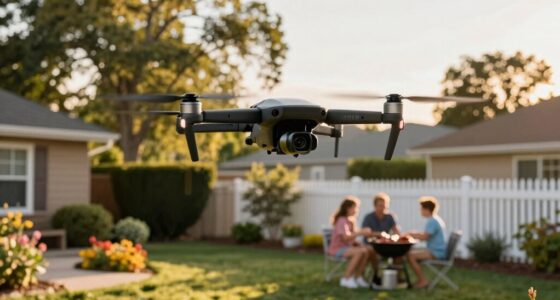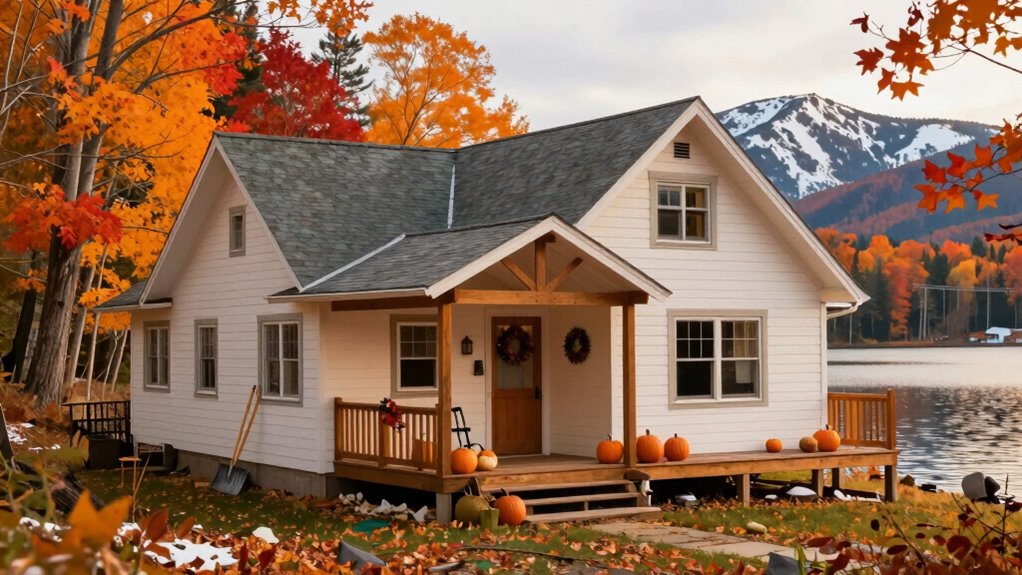

Seasonal properties need different security rules because they’re often vacant for long periods, making them vulnerable to break-ins and vandalism. You should tailor security measures, like remote surveillance and access controls, to fit their unique needs. Using visible cameras, restricted access, and community coordination can help protect your property effectively. Implementing proactive security strategies guarantees better protection, especially when you’re away. Keep exploring to discover more ways to keep your seasonal property safe year-round.

Get privacy and security gear delivered free — and shop member deals
- Fast, free delivery on millions of items
- Access to Prime Big Deal Days deals on October 6–7
- Prime Video, Amazon Music and more included
Key Takeaways
- Seasonal properties are often vacant for extended periods, increasing vulnerability to theft and vandalism.
- They require tailored security measures to suit unpredictable occupancy and environmental conditions.
- Remote surveillance enables continuous monitoring despite infrequent onsite visits.
- Custom access controls and physical barriers help restrict entry to trusted individuals only.
- Coordinating with neighbors and authorities enhances overall security effectiveness during off-season times.
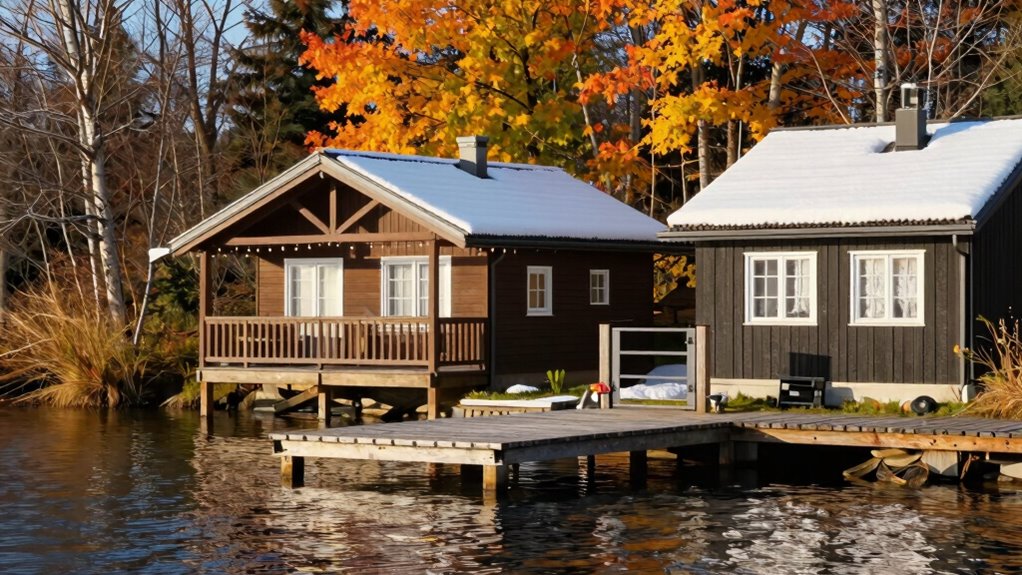
As the seasons change, it’s essential to review and update your security measures for seasonal properties. These properties often sit vacant for months, making them vulnerable to intruders, vandalism, or theft. To protect your investment, you need tailored security rules that match the unique challenges of seasonal use. Remote surveillance becomes a critical tool in this effort. With remote surveillance systems, you can keep an eye on your property from anywhere, receiving real-time alerts if anything unusual occurs. Modern security cameras with remote access allow you to monitor activity constantly, even if you’re miles away. This ongoing surveillance deters potential intruders and provides you with peace of mind, knowing you can respond quickly to any suspicious activity. Additionally, integrating biodiversity considerations into your security plan can help ensure that natural habitats and local wildlife are also protected during your property’s off-season periods. Incorporating environmental impact measures into your security strategy can further promote sustainable practices and protect the natural surroundings. Implementing sustainable security practices can also help align your property management with eco-friendly principles. Regular maintenance and inspections can also identify vulnerabilities early, helping you stay ahead of potential threats. In fact, a comprehensive security approach should include both proactive measures and adaptable strategies to address evolving risks.
Alongside remote surveillance, establishing strict access restrictions is indispensable. When your property isn’t occupied regularly, you want to control who can enter and when. Access restrictions help prevent unauthorized entry by limiting access to trusted individuals only. For example, you can set up keypad locks or smart locks that require codes, which you change regularly. This way, only you and select trusted parties can enter when needed. You might also consider installing security gates or fencing that clearly delineate the property’s boundaries, further reducing the chance of trespassing.
You should also think about scheduling visits or maintenance, so there’s a routine presence at the property, which can act as a deterrent. Limiting access to specific times and people minimizes the risk of unwanted visitors slipping through unnoticed. Combining access restrictions with remote surveillance creates a layered security approach that’s more effective than relying on just one method. Moreover, maintaining a detailed record of all security measures and access logs can enhance accountability and improve response times in case of incidents. It’s also beneficial to coordinate with neighbors or local watch programs to increase the community’s security awareness.
Furthermore, it’s smart to inform local authorities about your property’s seasonal status. This way, if something suspicious happens, authorities are aware and can respond promptly. Regularly updating your security plan to include new technology or changing circumstances is also indispensable. For instance, if you upgrade your remote surveillance system or change access codes, be sure to document these updates and share the information with anyone who needs it. Incorporating local law enforcement into your security strategy can further enhance the effectiveness of your efforts.
In the end, protecting your seasonal property requires proactive planning and smart technology use. Remote surveillance offers continuous oversight, while access restrictions ensure only authorized people can come and go. These strategies, combined with regular inspections and communication with local authorities, help safeguard your property year-round. By implementing tailored security rules, you considerably reduce risks, ensuring your seasonal property remains secure until you’re ready to return.
remote security camera system for vacation home
As an affiliate, we earn on qualifying purchases.
As an affiliate, we earn on qualifying purchases.
Frequently Asked Questions
How Do Security Needs Vary Between Winter and Summer Seasons?
You need different security rules in winter and summer because seasonal access changes, and weather-related risks increase. In winter, you should focus on safeguarding against snow, ice, and potential break-ins during low occupancy, while in summer, outdoor vulnerabilities like theft or vandalism become more prominent. Adjusting your security measures to these seasonal shifts ensures your property stays protected, regardless of weather conditions or occupancy levels.
What Insurance Considerations Are Unique to Seasonal Properties?
You should consider unique insurance factors for seasonal properties, especially regarding insurance claims and coverage limitations. Since these properties are vacant or lightly used for parts of the year, they’re more vulnerable to damage or theft, which can complicate claims. Check your policy for coverage limitations on unoccupied homes, and make sure you have adequate protection during off-season periods to avoid surprises when you need to file a claim.
How Often Should Security Systems Be Maintained for Seasonal Use?
You should check and maintain your security system at least twice a year to keep it in top shape. Regular upkeep guarantees remote monitoring stays reliable and access control features work smoothly when you’re away. Think of it as giving your property a health check-up. This routine helps catch issues early, preventing costly repairs or security breaches, and keeps your seasonal property safe and ready when you need it most.
Are There Specific Threats More Common During Certain Seasons?
During certain seasons, you’re more vulnerable to threats like seasonal vandalism and wildlife intrusion. In winter, vandalism can spike when properties are less monitored, and animals may try to access unsealed areas. Spring and summer bring increased wildlife activity, which can lead to intrusion or damage. Being aware of these seasonal threats helps you tailor your security measures, ensuring your property stays protected year-round.
How Can Property Owners Balance Security With Guest Privacy?
Balancing security with guest privacy is like walking a tightrope—you want safety without infringing on privacy. You should implement guest screening processes to guarantee only trusted visitors access your property. Use access control systems, like keyless entry, to carefully manage who enters and when. Clearly communicate privacy policies upfront, so guests feel secure and respected. This way, you protect your property while respecting your guests’ right to confidentiality.
smart lock keypad for seasonal property
As an affiliate, we earn on qualifying purchases.
As an affiliate, we earn on qualifying purchases.
Conclusion
Remember, nearly 60% of seasonal property thefts happen when owners aren’t around, making tailored security rules crucial. By adjusting your security measures to match the property’s usage, you’re markedly reducing risk. Don’t underestimate the importance of seasonal-specific strategies—they’re your best defense against break-ins and vandalism during off months. Stay proactive, stay vigilant, and guarantee your property remains safe year-round. Proper security isn’t just smart; it’s essential for peace of mind.
security fencing for property boundaries
As an affiliate, we earn on qualifying purchases.
As an affiliate, we earn on qualifying purchases.
video surveillance system with remote access
As an affiliate, we earn on qualifying purchases.
As an affiliate, we earn on qualifying purchases.
Halloween Picks
halloween
As an affiliate, we earn on qualifying purchases.