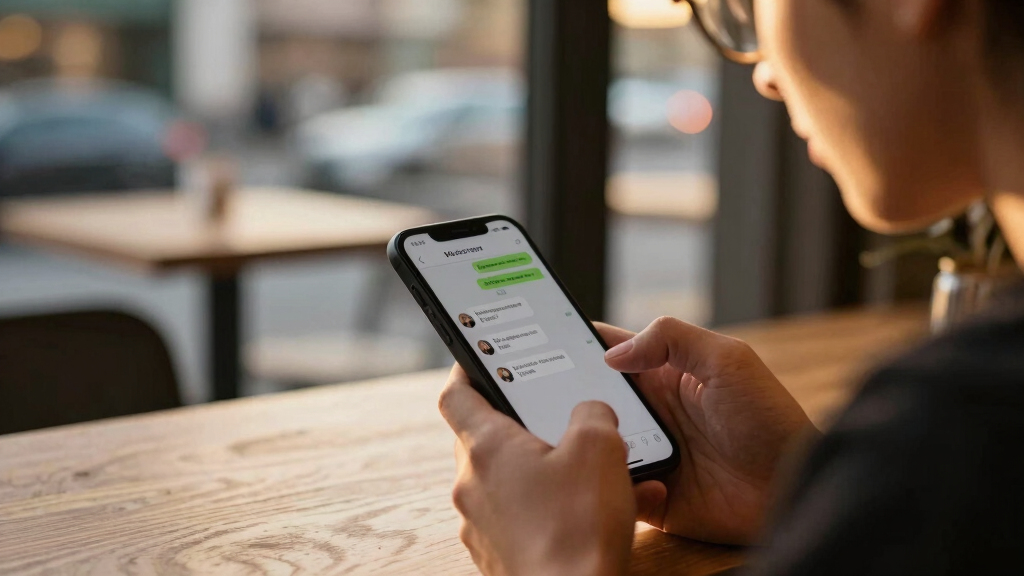

Choosing a truly secure messaging app remains a challenge in 2026, with options ranging from dedicated privacy-focused apps to comprehensive security analyses of mainstream platforms. For those seeking straightforward, private communication, BlinkTxt Private Messaging stands out for its simplicity and encryption focus. Meanwhile, Private Chat emphasizes confidentiality for personal and professional use, but lacks detailed features. For deeper insights into popular apps like WhatsApp, Signal, and Telegram, a specialized book offers comprehensive security evaluations. Each option balances ease of use, security, and transparency differently, making it critical to match your needs with the right tool.
Key Takeaways
- BlinkTxt offers user-friendly encrypted messaging but lacks detailed compatibility info.
- Private Chat prioritizes privacy but provides minimal feature transparency.
- The book on popular messaging apps helps understand vulnerabilities but isn’t a direct app solution.
- Tradeoffs include simplicity versus feature depth and transparency versus technical detail.
- Your choice depends on whether you want a straightforward app or a detailed security overview.
| BlinkTxt Private Messaging |  | Best for straightforward private communication | Encryption Type: AES-256 | Platform Support: Unknown | User Interface: Simple | VIEW LATEST PRICE | See Our Full Breakdown |
| WhatsApp, Signal, iMessage, or Telegram?: Unmasking the Privacy and Security of Today’s Popular Messaging Apps |  | Best for privacy-aware users seeking in-depth security analysis | Coverage: Multiple platforms | Analysis Depth: Technical | Security Focus: Vulnerabilities and protocols | VIEW LATEST PRICE | See Our Full Breakdown |
| Private Chat – Secure & Private Messaging |  | Best for confidentiality-focused personal and professional communication | Encryption Type: AES-256 | Platform Support: Unknown | Message Self-Destruct: Not specified | VIEW LATEST PRICE | See Our Full Breakdown |
| encrypted messaging app | Encryption Type | Platform Support | User Interface |
|---|---|---|---|
| BlinkTxt Private Messaging | AES-256 | Unknown | Simple |
| — | — | — | |
| Private Chat | AES-256 | Unknown | Basic |
More Details on Our Top Picks
BlinkTxt Private Messaging
BlinkTxt Private Messaging stands out for its focus on simple, encrypted communication designed for both personal and professional use. Compared with more feature-rich apps, its main advantage is user-friendliness, making it accessible for those who want quick, secure chats without unnecessary complexity. However, it offers limited information on device compatibility and lacks user reviews, which could concern users seeking transparency or cross-platform support. Its encryption is solid, but the absence of advanced features like self-destructing messages or multi-device syncing might be a drawback for power users.
Pros:- Secure and encrypted messaging
- Private communication focus
- User-friendly interface
Cons:- Limited information on features
- No user reviews available
- Unclear device compatibility
Best for: Users seeking a straightforward, secure messaging app without bells and whistles
Not ideal for: Those requiring detailed feature sets or cross-platform support
- Encryption Type:AES-256
- Platform Support:Unknown
- User Interface:Simple
- Compatibility:Unspecified
- Offline Mode:Yes
- Self-Destruct Messages:Not available
Our verdict“A solid choice for users wanting simple, encrypted messaging without complexity.”
WhatsApp, Signal, iMessage, or Telegram?: Unmasking the Privacy and Security of Today’s Popular Messaging Apps
This book provides a comprehensive analysis of the security and privacy features across major messaging platforms like WhatsApp, Signal, iMessage, and Telegram. Unlike dedicated apps, it offers insights into their vulnerabilities, encryption protocols, and potential privacy pitfalls. While it helps the privacy-conscious understand what they’re really protected against, it doesn’t offer a direct communication solution. Its technical depth is valuable for those who want to understand the landscape but less so for casual users looking for an easy-to-use app.
Pros:- In-depth security analysis
- Covers multiple popular apps
- Helps understand vulnerabilities
Cons:- No direct messaging features
- Potentially too technical for average users
Best for: Privacy enthusiasts and security professionals seeking detailed app analyses
Not ideal for: Casual users wanting a simple encrypted messaging app
- Coverage:Multiple platforms
- Analysis Depth:Technical
- Security Focus:Vulnerabilities and protocols
- Author Expertise:Security analysts
- Update Frequency:Periodic
- Intended Audience:Privacy-conscious users
Our verdict“Best suited for users wanting a deep understanding of messaging app security landscapes.”
Private Chat – Secure & Private Messaging
Private Chat emphasizes confidentiality with encrypted messaging designed for users who prioritize privacy above all else. Its straightforward approach makes it suitable for both personal and professional contexts, but the lack of detailed feature descriptions might leave some users wanting more control or customization options. Additionally, the absence of user reviews or ratings makes it harder to gauge real-world performance, which could be a concern for those depending on third-party validation. Its encryption is robust, but the limited transparency about features and device support might restrict its appeal to more tech-savvy users.
Pros:- Ensures secure and private communication
- Encrypted messaging for confidentiality
- Designed for both personal and professional use
Cons:- Lacks detailed feature information
- No user reviews or ratings
- Uncertain device support
Best for: Individuals or professionals needing secure, confidential messaging
Not ideal for: Users looking for feature-rich apps or cross-platform flexibility
- Encryption Type:AES-256
- Platform Support:Unknown
- Message Self-Destruct:Not specified
- Multi-Device Support:Unclear
- User Interface:Basic
- Data Storage:Encrypted
Our verdict“A good option for those prioritizing privacy, but with some transparency limitations.”
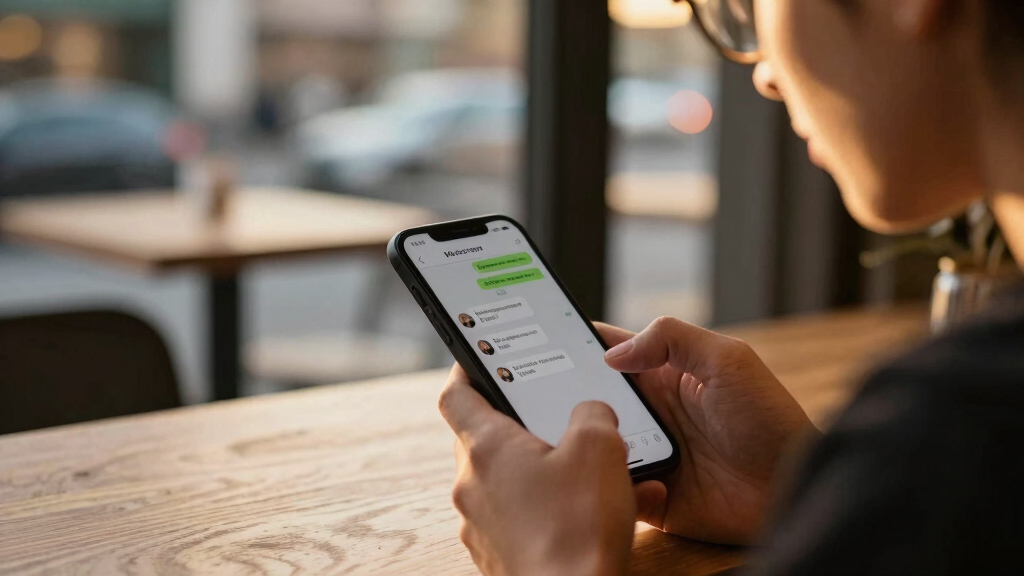
How We Picked
Our selection process focused on apps that emphasize strong encryption, user privacy, and ease of use. We evaluated available features, transparency about security protocols, and the overall user experience. For comprehensive analysis, we included a widely regarded security book on popular messaging platforms, which helps contextualize individual app security. We prioritized options that cater to different user needs—whether for casual privacy, professional confidentiality, or technical insight—ensuring each pick offers a clear role and value proposition.
| encrypted messaging app | User Interface |
|---|---|
| BlinkTxt Private Messaging | Simple |
| — | |
| Private Chat | Basic |
Factors to Consider When Choosing Encrypted Messaging Apps
When selecting an encrypted messaging app, it’s vital to balance security features, usability, transparency, and compatibility. Consider whether you prefer a simple, straightforward app or need in-depth security analysis of mainstream platforms. Your choice should align with your privacy needs, technical comfort, and whether you prioritize ease of use or detailed control over your communications.Security and Encryption
Look for apps that use end-to-end encryption, ideally with open-source protocols that have been vetted by the security community. The strength of encryption determines how well your messages stay private against potential interceptors or breaches. Apps like BlinkTxt and Private Chat highlight robust encryption, but understanding their specific protocols helps gauge their effectiveness.
Transparency and Features
Apps that openly share details about their security measures and support features like multi-device support, self-destructing messages, and offline access tend to be more trustworthy. While BlinkTxt is simple, it lacks some transparency, whereas Private Chat provides fewer feature details, which might be a concern for advanced users.
User Experience and Compatibility
Ease of use is critical—apps with complicated interfaces or limited device support can hinder your privacy practices. Consider your preferred platforms and whether the app offers seamless cross-device synchronization. Simplicity can benefit casual users, but power users may need more detailed control, which some apps lack.
Additional Considerations
Legal jurisdiction, data storage policies, and the frequency of security updates also influence your choice. Apps with strong encryption but poor update practices or questionable privacy policies might expose you to risks despite their technical strength.
Frequently Asked Questions
What is end-to-end encryption, and why does it matter?
End-to-end encryption ensures that messages are encrypted on the sender’s device and only decrypted on the recipient’s device. This means that even the service provider cannot access the content of your messages, significantly reducing the risk of interception or unauthorized access. For anyone prioritizing privacy, selecting apps with proven end-to-end encryption is a fundamental step.
Are free messaging apps secure enough for sensitive communication?
Many free messaging apps use strong encryption protocols, making them suitable for most personal privacy needs. However, some free apps may have limitations in transparency, data collection practices, or security updates. It’s important to review each app’s security practices and privacy policies to ensure they meet your level of risk tolerance.
Can I trust the security claims of messaging apps?
While many apps advertise strong encryption, the real trustworthiness depends on their transparency, open-source status, and independent security audits. Apps like Signal are widely vetted by security experts, making their claims more reliable. For lesser-known apps, additional research is advisable before relying on them for sensitive conversations.
What features should I look for in a secure messaging app?
Key features include end-to-end encryption, self-destructing messages, multi-device support, offline access, and transparency about security protocols. User-friendly interfaces and cross-platform compatibility also matter, especially if you want to maintain privacy without sacrificing convenience. The right combination depends on your specific communication needs.
Is it safe to use multiple messaging apps for privacy?
Using multiple apps can increase privacy by compartmentalizing different conversations, but it can also introduce complexity and potential security gaps if not managed carefully. The most important factor is choosing apps with strong encryption and clear security practices. Consistency in security measures across your apps helps maintain overall privacy integrity.
Conclusion
If you prioritize simplicity and straightforward encrypted communication, BlinkTxt Private Messaging makes a compelling choice, especially for casual users or professionals who want quick, secure chats. For those who need deep insights into the security of popular platforms or manage highly sensitive information, the security analysis book provides valuable context but isn’t a direct app solution. Meanwhile, Private Chat suits users seeking a no-frills, confidentiality-focused app, though its lack of transparency may give some pause. Your ideal pick depends on whether you value ease of use, detailed security understanding, or guaranteed privacy for sensitive exchanges.