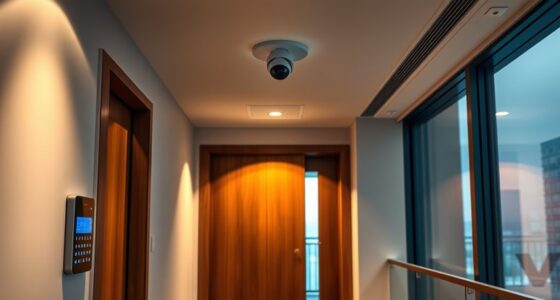

To create a safe corner in any room without renovations, start by checking for hazards like clutter, loose cords, or sharp furniture edges. Use affordable solutions like cushions, non-slip rugs, and soft padding on sharp corners. Organize items to keep walkways clear and reduce tripping risks. Add cozy lighting and personal touches to make it inviting and relaxing. Keep safety in mind at every step, and you’ll find simple ways to make your space safer and more comfortable.
Key Takeaways
- Declutter the area, removing obstacles and organizing cords with affordable cable management solutions.
- Add soft corner protectors and cushioned mats to prevent injuries and reduce impact hazards.
- Use budget-friendly lighting like LED lamps or string lights for better visibility and ambiance.
- Arrange furniture to create clear walkways, ensuring easy and safe navigation.
- Incorporate cozy cushions, plants, or personal touches to enhance comfort and make the space inviting.
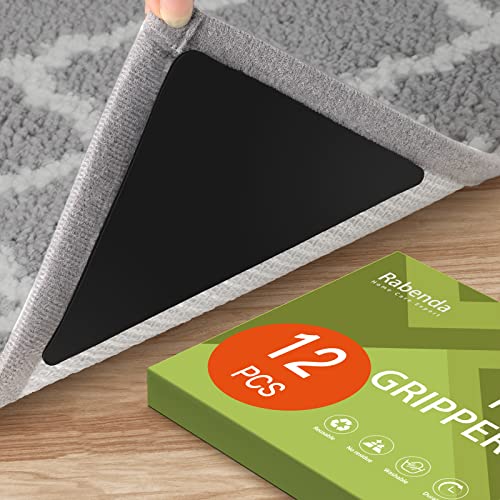
Rabenda 12 Pcs Rug Tape, Non Slip Rug Pads Grippers for Hardwood Floors and Tiles, Reusable Carpet Tape for Area Rugs, Double-Sided Adhesive Rug Stickers Keep Corners Flat (Black)
Advantaged Triangle Design: The Triangle Design grippers for area rugs and hardwood floors will maximum increase the contact…
As an affiliate, we earn on qualifying purchases.
As an affiliate, we earn on qualifying purchases.
Evaluate Your Space to Find Safety Hazards

Before creating a safe corner, you need to identify potential hazards in your space. Look for fire hazards like overloaded power strips or unattended candles. Check for electrical safety issues, such as frayed cords, exposed wiring, or improperly grounded outlets. Ensure that electrical devices are in good condition and used correctly. Remove clutter that could block exits or cause trips. Inspect furniture and decor for sharp edges or unstable items that could fall. Consider areas where heat or flames could ignite nearby materials. Incorporate fire safety principles to further protect your space from potential dangers. This step is essential to build a secure, comfort-focused corner that’s both functional and hazard-free. Being aware of food safety principles can also help prevent accidents related to improper handling or storage of items in your space, and understanding Glycolic Acid benefits can help you select skin-safe products if you choose to enhance your space with skincare routines. Additionally, evaluating your space for natural lighting can contribute to a more welcoming and safer environment.

Baby Proofing Corner Protectors Guards – Furniture Edge Protector for Babies & Kids – Safety Guards & Cushions for Table, Desk, Crib, Fireplace, Corners & Edges | Clear, Safe | 12 Bumpers Pack
𝐎𝐕𝐄𝐑 𝟏𝟕,𝟎𝟎𝟎 𝟓-𝐒𝐓𝐀𝐑 𝐑𝐄𝐕𝐈𝐄𝐖𝐒: Babyproofing is easier with Amazon’s most successful corner protectors, loved for their combination of…
As an affiliate, we earn on qualifying purchases.
As an affiliate, we earn on qualifying purchases.
Choose Affordable Solutions for Your Safe Corner
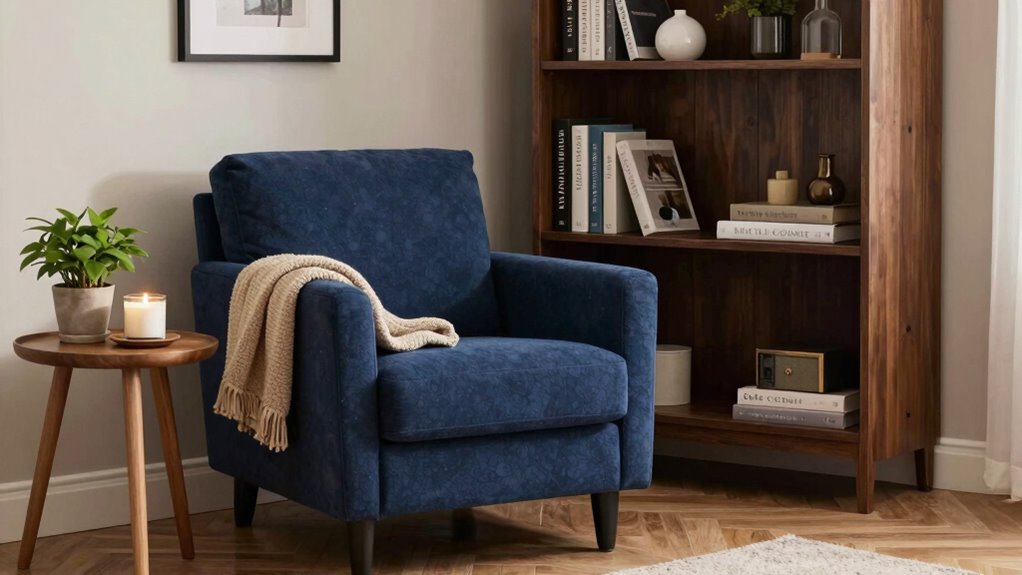
Creating a safe corner doesn’t have to break the bank; there are many affordable solutions that can make your space secure and comfortable. Start with cost-effective furniture like soft armchairs or bean bags, which provide comfort without high costs. Add budget-friendly accessories such as non-slip rugs, cushioned floor mats, or foam corner protectors to prevent injuries. Consider these options:
- Use inexpensive storage bins or shelves to keep clutter away.
- Incorporate affordable lighting, like LED lamps, for visibility.
- Choose simple, sturdy furniture that doesn’t require extensive installation.
- Add soft textiles, such as blankets and cushions, for comfort and safety.
- Incorporate cushioned edges and padding to further enhance safety without adding significant expense. Additionally, selecting cost-effective safety measures can maximize your safety budget. Implementing home safety tips can also help you identify more affordable ways to improve your space’s security. For example, understanding electric dirt bike horsepower can inspire safer, controlled use of electric-powered devices in your home. Being aware of air-based cooking fundamentals ensures safety when handling appliances that produce heat or fumes in your safe corner.
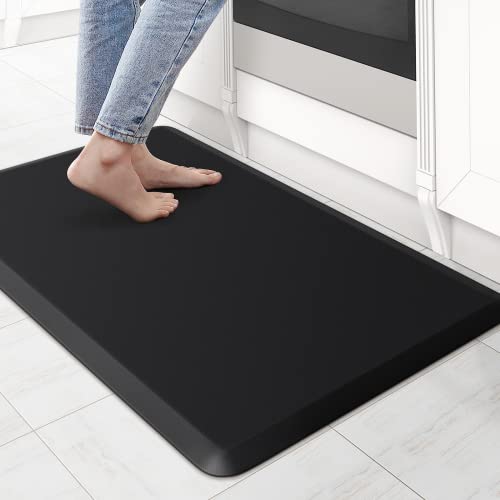
KitchenClouds Kitchen Mat Cushioned Anti Fatigue Rug 17.3"x28" Water Resistant, Non Slip, Standing and Comfort Desk/Floor Mats for House Sink Office (Black)
Comfort and Quality: the kitchen rug is made of high-quality, soft PVC foam which provides a thick cushion…
As an affiliate, we earn on qualifying purchases.
As an affiliate, we earn on qualifying purchases.
Declutter and Organize Your Space for Safety
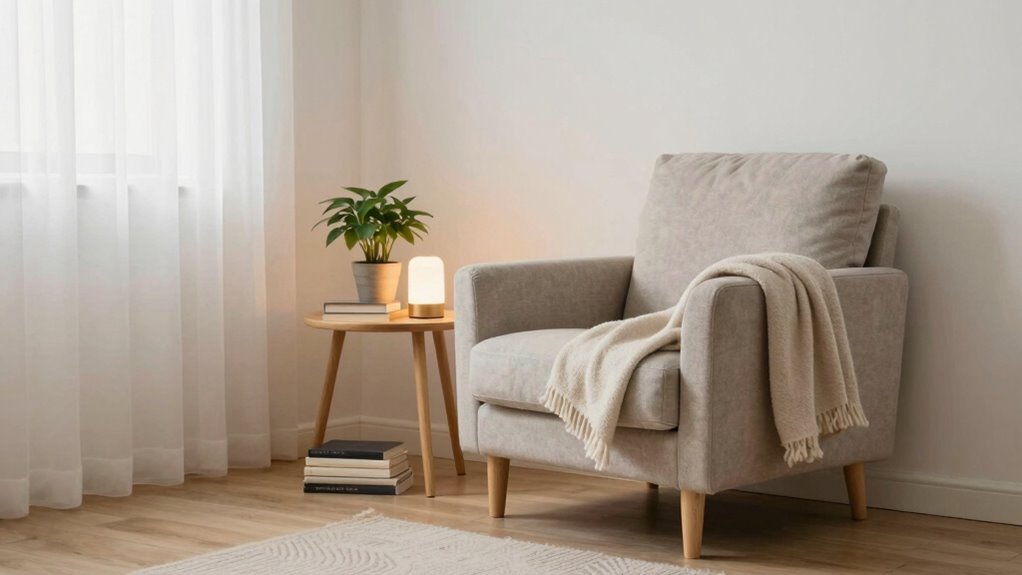
Organizing your space is essential for safety because clutter can cause trips and falls. When your environment is tidy, you reduce hazards that might lead to injuries, enhancing your safety awareness. Keep walkways clear by storing items properly and avoiding clutter buildup. This not only minimizes tripping hazards but also makes your environment more visually appealing, encouraging better maintenance habits. This approach also supports smart appliance integration, making your space safer and more efficient. Regularly check for loose cords, misplaced objects, and cluttered surfaces that could trip you up. Proper storage techniques help maintain an organized space, minimizing risks and promoting better emergency preparedness. An organized space promotes better emergency preparedness, ensuring you can respond swiftly in unexpected situations. By maintaining a clutter-free environment, you create a safer, more manageable corner that promotes independence and peace of mind. Incorporating ergonomic principles can further improve your safety and comfort while navigating your space. Simplify your surroundings to protect yourself and improve safety every day.

OIYN Smart RGBICW LED Corner Floor Lamp – 16 Million DIY Colors, 68+ Scenes, Music Sync, App & Remote Control, Color-Changing Ambient Lighting for Living Rooms, Bedrooms, and Gaming Rooms
Dynamic RGBICW Color Technology:Unleash your creativity with our RGBICW LED floor lamp, offering customizable colors for each segment…
As an affiliate, we earn on qualifying purchases.
As an affiliate, we earn on qualifying purchases.
Add Soft Padding and Protective Materials to Hard Surfaces
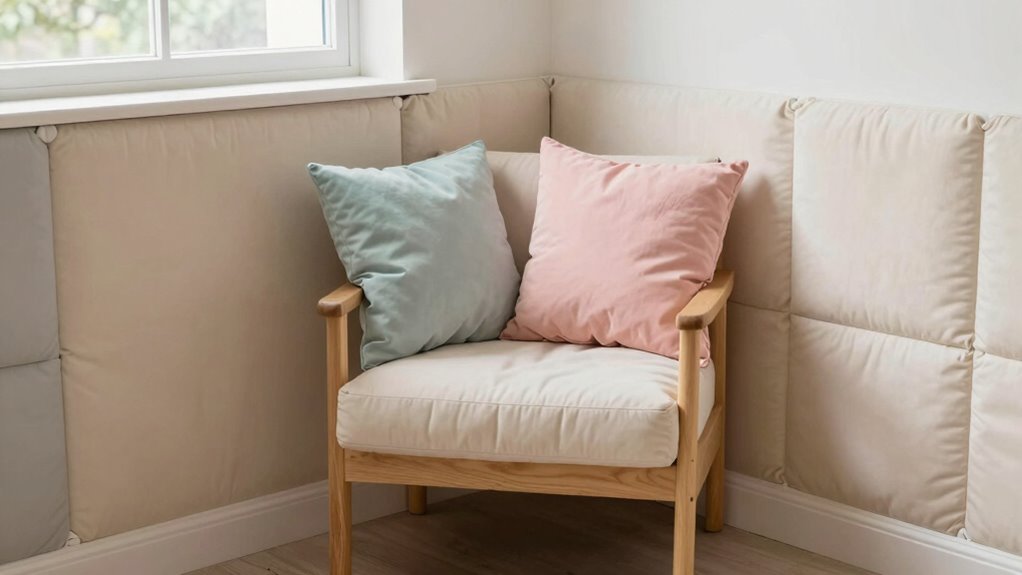
Adding soft padding and protective materials to hard surfaces can considerably reduce the risk of injury if you fall or bump into furniture. To enhance safety, consider these options:
- Cover sharp table edges with soft padding or corner protectors.
- Apply foam or rubber pads to the base of furniture legs.
- Use cushioned mats or rugs on slippery or hard flooring.
- Add protective materials like wall bumper strips to prevent injuries from accidental bumps.
- Regularly check and replace worn padding or protective strips to maintain safety, ensuring your home environment stays secure and comfortable for everyone. Incorporating impact absorption materials can further minimize injury risks during accidental collisions. Using proper installation techniques guarantees that padding stays securely in place and remains effective over time. Additionally, selecting high-quality padding can increase durability and safety. These simple modifications make your space safer without permanent changes. Soft padding absorbs impact, while protective materials act as a barrier against hard surfaces. Using safety enhancements like padding can also help create a more secure environment for children and elderly family members.
Decorate and Personalize Your Safe Corner for Comfort and Use
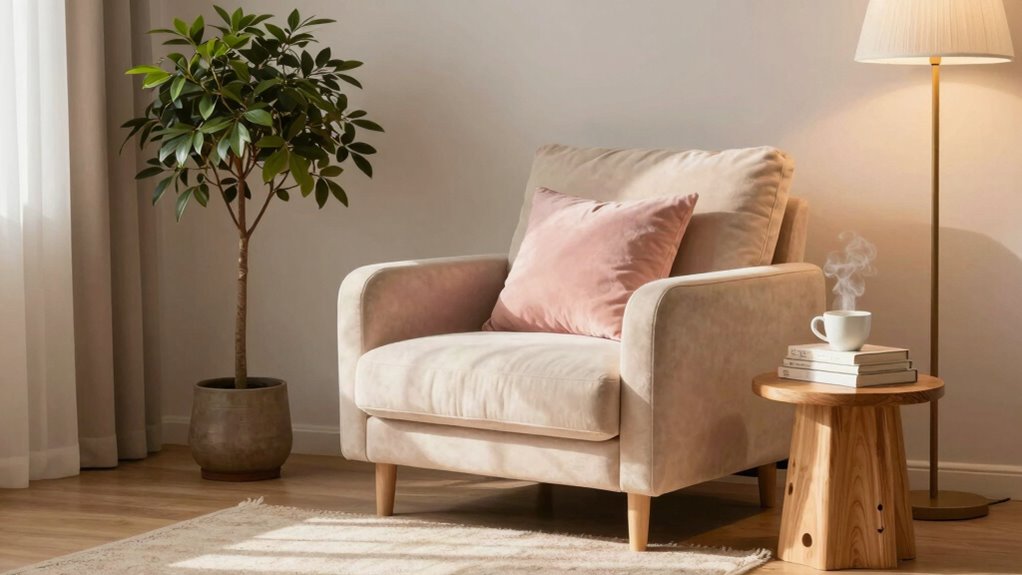
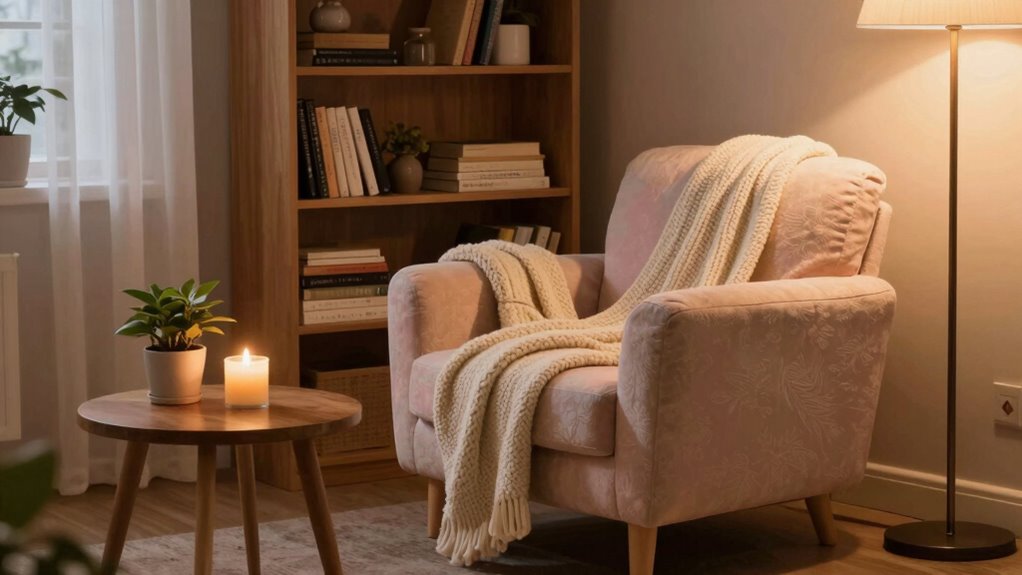
To make your safe corner inviting and functional, you should focus on decorating and personalizing it with items that promote comfort and ease of use. Personalize decor by adding meaningful touches like cozy cushions, small plants, or favorite photos that create a calming atmosphere. Incorporate lighting that enhances the space without being harsh—consider soft LED lamps or string lights to add warmth and visibility. Keep the layout simple to ensure easy access and avoid clutter. Use colors and textures that make you feel relaxed and secure. This personalized touch not only makes the corner more comfortable but also encourages regular use, turning it into a true sanctuary tailored specifically to your needs. Additionally, understanding how interior design principles can influence the ambiance helps in creating a space that truly feels like your personal retreat. Incorporating ergonomic considerations ensures the space remains comfortable and supportive during use, promoting well-being. Paying attention to security features can also enhance your sense of safety in the space. Being mindful of child safety tips can further ensure the corner remains a secure environment for both you and your little one.
Frequently Asked Questions
Can I Create a Safe Corner in Small or Awkward Spaces?
Yes, you can create a safe corner in small or awkward spaces. Use space-saving furniture like compact chairs or wall-mounted shelves to maximize room. Add soft decorative accents such as plush rugs, cushions, or wall art to make it cozy and inviting. Arrange everything thoughtfully to guarantee the area feels secure and comfortable, turning even tiny or tricky spaces into your personal safe corner without any renovation.
What Are the Best Materials for Soft Padding in a Safe Corner?
Oh, the irony of choosing materials for soft padding—nothing beats foam padding or cushioned fabrics. Foam padding offers excellent shock absorption, making it perfect for those accidental tumbles. Cushioned fabrics provide a cozy, plush feel that’s gentle on skin and easy to customize. Both are lightweight, versatile, and simple to attach, turning any corner into a safe haven without the need for fancy renovations. Who knew safety could be so comfortable?
How Often Should I Reassess the Safety of My Safe Corner?
You should reevaluate the safety of your safe corner at least every three to six months. During your safety review, perform a risk assessment to identify any new hazards or wear in the padding. Regular checks ensure the corner remains secure and comfortable, especially if children or vulnerable individuals use it. Adjust the padding or setup as needed to maintain a safe environment, keeping safety a consistent priority.
Are There Any Child-Proofing Tips Specific to Safe Corners?
Yes, child-proof your safe corner by using a thorough child proofing checklist to identify hazards. Secure furniture with safety straps, cover electrical outlets, and keep choking hazards away. Consider safety gate options to block access if needed, especially for younger children. Regularly reassess your setup to guarantee everything remains secure as your child grows, and update safety measures accordingly to maintain a truly safe space.
Can I Incorporate Storage Solutions Into My Safe Corner Design?
Yes, you can incorporate storage solutions into your safe corner with decorative accents and lighting options. Use stylish baskets or bins that blend with your decor to store toys or essentials, keeping the space organized. Add soft lighting, like a small lamp or fairy lights, to create a cozy atmosphere. These touches make your safe corner functional and inviting, ensuring safety while maintaining aesthetic appeal.
Conclusion
So there you have it—your foolproof plan to create a “safe corner” without breaking a sweat or the bank. Who knew safety could be so effortless and stylish? Just a few simple tweaks, and you’ll turn any room into a fortress of comfort—perfect for when life throws a tantrum or you just want a cozy hideaway. Because really, who needs renovation chaos when safety and sanity are just a corner away?