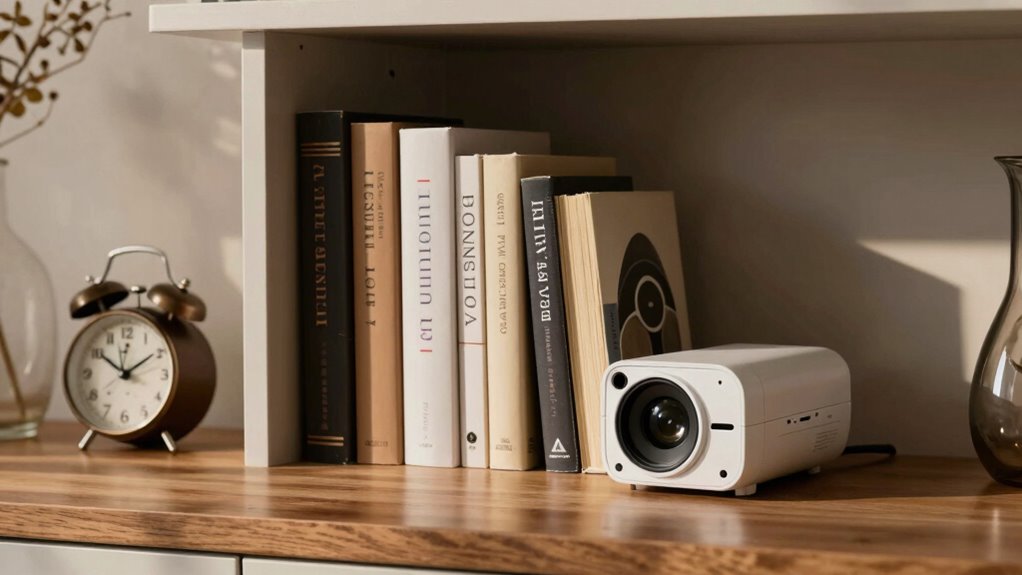

Beyond hidden cameras, you should also look for concealed microphones, RF bugs, and smart home devices that can secretly eavesdrop. Spies hide these in furniture, picture frames, electrical outlets, and everyday objects. Use RF detectors, spectrum analyzers, and flashlight scans to detect unusual signals or tiny lenses. Regularly check for tampering or suspicious electronics. Staying aware of these threats helps protect your privacy — continuing exploration can give you the tools and techniques to stay secure.
Open a free Amazon Business account
Business pricing, bulk buying and tax-exempt orders.
As an affiliate, we earn on qualifying purchases.
Key Takeaways
- Scan for RF signals and electromagnetic interference indicating hidden wireless bugs or transmitters.
- Inspect furniture, electrical outlets, and concealed compartments for tampering or unusual modifications.
- Use RF detectors and spectrum analyzers to identify unexpected electronic signals or active devices.
- Look for audio anomalies such as static, clicking, or unusual noises that suggest hidden microphones.
- Check for tiny camera lenses, infrared reflections, or suspicious wires with flashlight inspections.
RF detector for hidden cameras and microphones
As an affiliate, we earn on qualifying purchases.
As an affiliate, we earn on qualifying purchases.
What Hidden Surveillance Devices Could Be in Your Space?

Hidden surveillance devices can be stealthy enough to go unnoticed, making it essential to know what to look for. When it comes to spy camera placement, these devices are often cleverly concealed in everyday objects or fixtures. Covert device hiding can involve anything from picture frames and clocks to power strips and books. They’re designed to blend seamlessly into your environment, so you might not realize they’re there. Pay attention to unusual wires, unfamiliar objects, or anything that seems out of place. Regularly inspecting common areas for signs of tampering or hidden gadgets can help you spot potential threats. Being aware of how and where hidden cameras are typically placed gives you a better chance of catching any covert device hiding in your space. Additionally, understanding common hiding spots can significantly improve your ability to detect hidden surveillance devices, especially when you recognize how discreet camera designs are crafted to mimic everyday items. Recognizing these concealment techniques can empower you to better protect your privacy. For instance, familiarizing yourself with surveillance device features can help you identify subtle signs of tampering or unauthorized installation, and staying informed about technological advancements can aid in detecting newer forms of covert devices.
spectrum analyzer for electronic signals
As an affiliate, we earn on qualifying purchases.
As an affiliate, we earn on qualifying purchases.
Common Places Spies Hide Microphones and Bugs

Spies often hide microphones and bugs in furniture or everyday items to stay undetected. You might find listening devices concealed in lamps, picture frames, or even inside pens and clocks. Being aware of these common hiding spots helps you spot potential threats around your space. Additionally, discreet hiding spots can be used to conceal various types of surveillance devices, making regular inspections essential. Conducting thorough and systematic inspections can help you better identify and prevent covert listening devices from compromising your privacy. Regularly inspecting discreet hiding spots and understanding camera concealment techniques can further reduce the risk of unnoticed surveillance. Incorporating advanced detection tools into your security routine can also improve your ability to find hidden devices more effectively.
Hidden Spots in Furniture
Microphones and bugs can be concealed in various spots within furniture, making them easy for an intruder to hide and difficult for you to detect. Furniture concealments, especially hidden compartments, provide perfect hiding spots for surveillance devices. These hidden spots might be inside drawers, behind panels, or within hollowed-out sections. Spies often exploit these areas because they blend seamlessly with everyday furniture. To spot hidden bugs, carefully inspect furniture for unusual seams, loose panels, or unexplained cavities. Here’s a quick overview of common hiding spots:
| Spot | How to Detect | Common Examples |
|---|---|---|
| Drawer interiors | Check for loose or altered sections | Hidden microphones in drawers |
| Behind panels | Feel for uneven surfaces | False back panels |
| Hollowed-out areas | Listen for hollow sounds | Couch armrests |
| Underneath furniture | Use a flashlight to look underneath | Coffee tables, desks |
| Inside hidden compartments | Inspect for tampering | Secret storage spaces |
Additionally, audio leakage can sometimes reveal the presence of hidden microphones, so listening carefully for unusual sounds can be a helpful detection method.
Everyday Items as Concealments
Many covert devices are designed to blend seamlessly into everyday objects, making them easy for intruders to hide without arousing suspicion. They often hide inside common items using hidden compartments or disguised containers. You should check:
- Hollowed-out books or false-bottomed notebooks
- Disguised power adapters or chargers
- Fake electrical outlets or switches
- Hidden compartments in picture frames or clocks
- Concealed spaces inside everyday kitchen or bathroom items
These items are crafted to look normal but can hide tiny microphones or bugs. Spies prefer these common places because they’re less likely to be inspected. Regularly inspecting such objects helps ensure you’re not unknowingly compromised. Additionally, electric power generation devices like bike generators can be discreetly hidden in various locations, making them a potential concealment for covert equipment. Being aware of security vulnerabilities in everyday objects can help you identify suspicious modifications or hidden compartments. For example, some electrical components might be altered or replaced with covert listening devices. Always stay vigilant about what seems out of place or oddly modified, especially in areas where support breakfast items might be stored or prepared. For example, hidden compartments can sometimes be found in unlikely household items, making routine checks even more important.
concealed camera lens detector flashlight
As an affiliate, we earn on qualifying purchases.
As an affiliate, we earn on qualifying purchases.
How to Detect Hidden Listening Devices and Microphones

Are you wondering how to spot hidden listening devices in your space? Start by paying attention to unusual audio interference, such as static noises or buzzing sounds during conversations. These could indicate a nearby microphone transmitting your voice. Use a radio frequency (RF) detector to scan the area; covert cameras often emit faint electronic signals that RF detectors can pick up. Listen for unexplained clicking or beeping sounds, which may signal hidden microphones or transmitters. Check common hiding spots like electrical outlets, picture frames, or vents. Physically inspect objects that seem out of place or don’t belong. Remember, even small devices can cause audio disturbances, so staying alert and methodical helps you uncover hidden listening devices effectively. Additionally, understanding basic home and small-shop power concepts can help you recognize unusual electrical patterns or device behaviors that might indicate tampering. Being aware of electrical safety principles can also prevent mishaps when inspecting these devices. Recognizing signal interference, often caused by electromagnetic signals, can be a crucial clue in identifying hidden listening equipment. Sometimes, power fluctuations in your environment can also hint at covert device activity, so keeping an eye on electrical anomalies can be beneficial.
As an affiliate, we earn on qualifying purchases.
Recognizing Wireless Bugging Devices and RF Interception Tools

You need to be able to spot wireless bugging devices and RF interception tools to protect your privacy. Recognizing these devices involves checking for unusual signals or interference around you. Once you identify potential threats, understanding RF interception helps you determine if your communications are being monitored. Being aware of AI-driven surveillance technologies can further enhance your ability to detect sophisticated monitoring efforts. Staying informed about wireless signal analysis techniques allows you to better identify covert eavesdropping devices. Regularly updating your knowledge on security vulnerabilities ensures you’re aware of the latest methods used by malicious actors. Incorporating home energy and security systems into your awareness can help identify anomalies that might indicate surveillance activities.
Detecting Wireless Devices
Detecting wireless bugging devices and RF interception tools requires a proactive approach, as these covert gadgets can operate without visible signs. Your goal is to identify unusual wireless signals or device signatures that may indicate hidden surveillance. Use a spectrum analyzer or RF detector to scan your environment for unexpected signals. Look for devices emitting constant or irregular signals, especially in sensitive areas. Here are some signs to watch for:
- Unfamiliar or persistent wireless signals
- Devices with unusual or unfamiliar signatures
- Signal sources that move or turn on/off unpredictably
- Devices that seem out of place in your environment
- Hidden devices responding to specific frequencies
Identifying RF Interception
Recognizing RF interception devices requires a careful and systematic approach, as these tools are designed to remain hidden and operate silently. To spot them, perform RF signal analysis around your environment, noting unusual or persistent signals. Pay attention to devices that emit weak or irregular signals, which may indicate interception attempts. Understanding encryption methods can help you identify if intercepted signals are protected or compromised. Use RF scanners to detect hidden transmission sources and analyze signal patterns. Be aware that advanced interception tools can mimic legitimate signals, so look for inconsistencies. Regular sweeps and analysis can reveal covert devices before sensitive information is compromised.
| Signal Characteristics | Detection Tips |
|---|---|
| Irregular Signal Strength | Use RF scanners for precise detection |
| Unusual Transmission Patterns | Look for inconsistent or repeated signals |
| Encrypted vs. Open Signals | Check for encrypted signals indicating interception |
| Hidden or Low Power Devices | Search for weak, hidden transmitters |
Smart Home Gadgets That Might Be Spying on You

Smart home gadgets promise convenience and security, but they can also become tools for spying if not carefully managed. These devices often collect data to enhance functionality, but poor device security can expose your smart home privacy. You might unknowingly allow access to sensitive information or give hackers an entry point into your network. Be aware of gadgets like:
- Smart speakers listening constantly
- Connected security cameras with unsecured feeds
- Voice-activated assistants storing conversations
- Wi-Fi-enabled thermostats transmitting usage data
- Smart locks vulnerable to hacking
To protect yourself, regularly update device firmware, change default passwords, and review privacy settings. Staying vigilant ensures your smart home remains a safe space rather than a privacy breach waiting to happen.
Simple Sweeping Techniques to Find Hidden Devices

If you suspect someone has placed a hidden device in your space, simple sweeping techniques can help you uncover it. Start by using camera detectors, which can identify lens reflections or infrared signals from hidden cameras. Move around slowly, paying attention to suspicious spots like smoke detectors, electrical outlets, or picture frames. Be aware of audio jammers, which might emit signals that disrupt sound recordings; turning off potential sources and listening for interference can reveal their presence. You can also scan your environment with a flashlight to spot tiny camera lenses reflecting light. Regularly check for unusual objects or wires. These basic steps won’t guarantee detection but can substantially improve your chances of spotting hidden devices before they compromise your privacy.
Tools and Tips for Protecting Your Privacy From Hidden Spies

Protecting your privacy from hidden spies requires more than just basic detection; it involves using specialized tools and adopting proactive habits. To address privacy concerns, consider using signal jammers, RF detectors, and privacy screens. Regularly update your devices and enable data encryption to safeguard sensitive information. Use strong, unique passwords and enable two-factor authentication for added security. Keep an eye on your network activity with monitoring apps, and consider installing privacy-focused software. These tools help you identify potential threats and prevent unauthorized access. Remember, staying vigilant and informed is key to maintaining your privacy. Incorporate these practical measures into your routine to ensure your space remains secure from modern surveillance. Your proactive approach is your best defense.
Best Practices to Keep Your Space Secure From Modern Surveillance

Maintaining security from modern surveillance requires consistent, proactive measures to stay ahead of increasingly sophisticated threats. Regularly audit your space for security vulnerabilities, such as loose wires or unfamiliar devices. Use strong, unique passwords on Wi-Fi networks and update them frequently to prevent privacy breaches. Install security cameras with encrypted feeds and disable unnecessary features that could expose vulnerabilities. Consider employing RF detectors or signal jammers in sensitive areas to detect hidden surveillance devices. Keep software and firmware updated on all connected devices to patch security flaws. Limit access to private spaces and educate everyone about potential risks. By actively monitoring and reinforcing your defenses, you reduce the chances of privacy breaches and ensure your space remains secure from modern surveillance threats.
Frequently Asked Questions
Can Hidden Cameras Be Activated Remotely Without Your Knowledge?
Yes, hidden cameras can be activated remotely without your knowledge through wireless control. Many covert devices use Wi-Fi or Bluetooth, allowing someone to access and turn them on from afar. To protect yourself, regularly scan your environment with detection apps or physical checks for unusual devices. Stay vigilant about suspicious electronics, especially in private spaces, and update your security measures to prevent unauthorized remote activation.
Are There Legal Ways to Identify Hidden Surveillance Devices?
Yes, there are legal ways to identify hidden surveillance devices. You can use legal detection methods like radio frequency scanners to locate transmitting devices, ensuring you follow surveillance regulations. Regularly inspecting your space for unusual objects or wiring also helps. Remember, always stay within the law and consult professionals if you’re unsure. These steps help protect your privacy without violating legal boundaries or surveillance regulations.
How Often Should I Perform a Sweep of My Space?
You should perform routine inspections and maintenance checks at least once a month to stay ahead of potential threats. Think of it as guarding your privacy with the vigilance of a hawk. Regular sweeps help you catch hidden cameras or other devices early, preventing surprises. Frequent checks keep your space secure, giving you peace of mind and ensuring that no unwanted eyes are watching when they shouldn’t be.
What Signs Indicate Someone Has Installed a Hidden Listening Device?
You’ll notice signs someone installed a hidden listening device through audio anomalies, such as unexplained sounds or static during conversations. You might also hear faint clicking or high-pitched noises that aren’t part of normal surroundings. If your phone or other electronics seem unusually active, or if you detect strange background noises during calls, these could be clues that a listening device is present. Trust your senses and investigate further if you suspect something.
Can Everyday Household Items Be Used as Covert Surveillance Tools?
Did you know 60% of covert surveillance devices are disguised as everyday household items? Yes, your common objects can be used for household espionage. For DIY detection, check items like clocks, chargers, and even pens for unusual attachments or noises. Stay vigilant—these items could hide listening devices or cameras. Regularly inspect your belongings, and trust your instincts if something seems out of place. Protect your privacy from unexpected threats.
Conclusion
Now that you know what to watch for, you’re better equipped than ever to protect your privacy. With sharp eyes and the right tools, you can uncover hidden spies lurking in your space—no secret device stands a chance. Stay vigilant, regularly sweep your environment, and don’t let any sneaky bug or gadget turn your private moments into a spy’s playground. Your privacy is priceless—guard it fiercely before it’s stolen by the tiniest intruder.
Flea & tick season Picks
flea and tick prevention
As an affiliate, we earn on qualifying purchases.