Apartment lobby security is often the weakest link in building safety, with vulnerabilities like poor surveillance, easy access points, and flawed design that let intruders slip through unnoticed. Lack of proper access controls, blind spots in cameras, and untrained staff can all compromise residents’ safety. By improving these areas with smarter technology and better management, you can strengthen your building’s defenses. Keep exploring to learn how you can boost your lobby security effectively.
Key Takeaways
- Lobby security often remains overlooked, despite being the primary access point vulnerable to unauthorized entry.
- Poorly designed lobbies and blind spots in surveillance facilitate intruder movement and concealment.
- Reliance on basic locks and surveillance creates a false sense of security without comprehensive access controls.
- Elevator and mailroom security lapses enable quick access to upper floors and mail theft risks.
- Implementing advanced access controls, surveillance, and resident management practices is essential to strengthen lobby security.

Philips Wi-Fi Door Lock, WiFi Smart Lock Keyless Entry Deadbolt for Front Door, Compatible with Alexa & Google Assistant, Remote Control, Built-in WiFi, APP Fingerprint Passcode Unlock, Auto Locking
𝐅𝐥𝐞𝐱𝐢𝐛𝐥𝐞 𝐖𝐚𝐲𝐬 𝐭𝐨 𝐔𝐧𝐥𝐨𝐜𝐤: Unlock the way you want: app, passcode, fingerprint, physical key, or voice via Alexa/Google...
As an affiliate, we earn on qualifying purchases.
Why Lobby Security Is the Weakest Link in Apartment Safety

Despite its importance, lobby security often remains the weakest link in apartment safety. You might think it’s well-monitored, but vulnerabilities still exist. Elevator safety is a critical concern, as elevators are frequently targeted for unauthorized access or tampering, giving intruders quick access to upper floors. Mailroom security also plays a significant role; without proper screening, outsiders can easily access residents’ mail, leading to theft or identity fraud. Many buildings overlook these areas, assuming they’re secure by default. However, a lack of strict controls or surveillance in elevators and mailrooms creates openings for intruders. Addressing these weaknesses is essential for a safer environment, ensuring that common points of entry don’t become easy ways for unwanted visitors to gain access. Additionally, understanding DLP technology can help develop better security protocols to protect these vulnerable areas, especially by implementing access controls that limit entry to authorized personnel only. Implementing video surveillance in elevator lobbies and mailrooms can further deter unauthorized access and quickly identify suspicious activity. Incorporating security audits periodically can also reveal overlooked vulnerabilities and enhance overall safety measures. Regular training of security staff is also crucial to ensure prompt response and proper handling of security breaches.
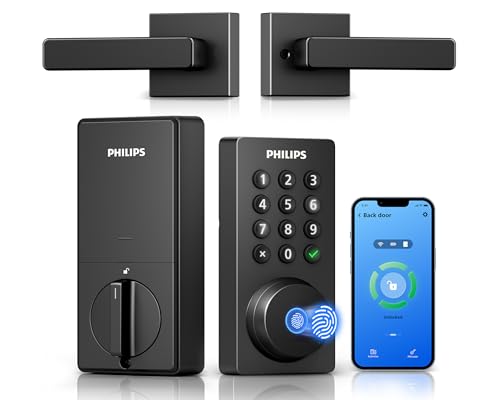
Philips WiFi Keypad Door Lock with Handle, Built-in WiFi, APP Remote Control, Voice & Fingerprint Unlock, Smart Locks for Front Door with Auto Lock, Digital Front Door Lock Set, Keyless Entry Deadbolt
Connect to 2.4GHz WiFi, No Hub Needed:Connect your Philips 4200 Series Wifi Door Lock Deadbolt directly to your...
As an affiliate, we earn on qualifying purchases.
What Are Common Vulnerabilities in Lobby Access and Surveillance?

Lobby access points and surveillance systems often harbor overlooked vulnerabilities that intruders can exploit. One common issue is security camera blind spots, which allow intruders to move unseen, gaining time and cover to breach security. These blind spots may be caused by poor camera placement or obstructions, making surveillance ineffective in critical areas. Additionally, unauthorized key access remains a significant threat. If keys fall into the wrong hands or are duplicated without oversight, intruders can easily enter the lobby or gain access to elevators and stairwells. Relying solely on locks and basic surveillance creates a false sense of security. To combat these issues, implementing comprehensive security protocols is essential for strengthening entry control and surveillance effectiveness. Conducting regular security assessments helps identify and address vulnerabilities proactively, preventing potential exploitation. Incorporating advanced access control systems can significantly reduce the risk of unauthorized entry. Moreover, understanding the importance of security camera placement is crucial, as strategic positioning can minimize blind spots and improve overall coverage. Combining these vulnerabilities, intruders can exploit gaps in your security system, making it essential to address camera placement and control access methods proactively.

REOLINK Smart 5MP 8CH Home Security Camera System, 4pcs Wired PoE IP Cameras Outdoor with Person/Pet/Vehicle Detection, 4K 8CH NVR with 2TB HDD for 24-7 Recording, RLK8-520D4-5MP
CAPTURE CRIME FROM DETAILS: Discover potential crime has never been so easier with superior 5MP HD. With advanced...
As an affiliate, we earn on qualifying purchases.
How Poor Lobby Design Can Let Unwanted Visitors In

Poor lobby design can substantially undermine security by making it easier for unwanted visitors to gain access. When lobby aesthetics prioritize style over function, they often neglect key security features, risking resident privacy. Here are three common issues:
- Obstructed Entry Points – Poorly placed furniture or decorative elements can block sightlines or slow visitor screening. Incorporating visibility enhancements can improve security by maintaining clear sightlines at all times. Additionally, strategic placement of security cameras can serve as a deterrent and aid in monitoring activity.
- Lack of Controlled Access – No secure entry systems or visitor logs let strangers wander freely.
- Unsecured Common Areas – Open layouts and minimal surveillance make it easier for intruders to blend in unnoticed. Implementing access controls can restrict entry to authorized residents and staff, reducing vulnerabilities.
- Inadequate security features—failing to incorporate modern security technology leaves the entrance vulnerable to intrusion. Modern solutions like electronic entry systems and surveillance integrations are vital for comprehensive security.
These flaws compromise not only the safety of residents but also their privacy. A poorly designed lobby invites unwanted visitors, creating vulnerabilities that are often overlooked in favor of aesthetics.

Hiseeu 3K PTZ Wired Security Camera System Outdoor with Color Night Vision,Audio,8 x 5MP IP67 CCTV Cameras,5MP DVR 8CH,3TB HDD,360°Coverage,Person/Vehicle Detection,Alarm Spotlight,24/7 Recording
【360° Surveillance & Dual Control Security System】Flexibility 355° Pan + 90° Tilt Coverage - Eliminate blind spots with...
As an affiliate, we earn on qualifying purchases.
What Features Make an Apartment Lobby Safer?

Implementing key security features can substantially enhance the safety of your apartment lobby. Clear lobby signage directs visitors and residents efficiently, reducing confusion and preventing unauthorized access. Strategic placement of signs indicating security protocols, visitor check-in procedures, or emergency exits helps deter potential intruders. Additionally, thoughtful interior decor can contribute to a safer environment; well-lit, open layouts eliminate hiding spots and increase visibility. Use of sturdy materials for doors and partitions enhances durability and security. Incorporating security mirrors or surveillance camera signs subtly reminds visitors of monitoring systems in place. These features not only promote safety but also create a welcoming, professional atmosphere that discourages unwanted visitors from attempting to breach security. Effective security design is crucial for creating a resilient and secure apartment lobby environment, especially when considering the importance of network infrastructure in modern security systems. Incorporating field‑of‑view considerations into camera placement can significantly improve monitoring effectiveness.
How to Implement Effective Access Control Measures

Effective access control measures are essential for safeguarding your apartment’s residents and property. To implement them effectively, focus on establishing strong security protocols that prevent unauthorized entry. Here are three key steps:
- Use electronic access systems like key cards or biometric scanners to control entry points. Incorporating secure entry methods can significantly reduce risks associated with traditional keys. Additionally, selecting systems with encryption technology enhances data security and prevents hacking attempts. Regularly updating firmware and software contributes to maintaining these security features at optimal levels. Staying informed about the latest security innovations can further improve your building’s safety measures.
- Limit access rights based on resident needs and regularly review permissions.
- Install surveillance cameras at entrances to monitor activity and deter intruders.
- Proper maintenance of security systems ensures they function correctly and continue to provide protection. Regular upkeep of these systems is crucial to maintain their effectiveness and reliability.
Why Staff and Visitor Management Matter for Lobby Security

Staff and visitor management play an essential role in maintaining a secure apartment lobby because they help control who enters and exits the building. Your staff’s ability to monitor tenant behavior and identify suspicious activity is key for preventing unauthorized access. Effective staff screening ensures that only trusted individuals gain entry, reducing the risk of security breaches. When staff are trained to observe tenant behavior, they can spot unusual actions that may indicate a threat. Managing visitors through proper check-in procedures further limits access to authorized guests. By staying vigilant and enforcing strict management protocols, you create a layered security approach that makes it harder for intruders to exploit weak points. Strong staff and visitor management keep your lobby safer and help protect everyone inside. Incorporating security protocols into daily routines further enhances overall safety. Additionally, consistent staff training on security awareness can significantly improve the effectiveness of these measures. Regularly updating visitor management procedures ensures that security practices evolve with potential threats. Implementing access control systems can also streamline entry processes and add an extra layer of security.
What Technology Can Strengthen Lobby Security?

You can substantially boost lobby security by implementing advanced access control systems, which restrict entry to authorized individuals. Upgrading video surveillance technology helps you monitor activity in real-time and review incidents quickly. Additionally, modern visitor management tools streamline check-ins and verify guest identities, making your lobby safer for everyone.
Access Control Systems
Access control systems play a critical role in strengthening lobby security by regulating who can enter the building. They prevent unauthorized access while protecting tenant privacy and ensuring maintenance access is secure. To maximize effectiveness, consider these features:
- Smart keycards or fobs – Limit entry to authorized residents and staff, reducing the risk of tailgating.
- Biometric authentication – Use fingerprint or facial recognition for added security and quick access.
- Controlled access zones – Designate secure areas for maintenance, allowing workers in without compromising tenant privacy.
These systems ensure only approved individuals enter, enhancing overall security while maintaining privacy and streamlined maintenance access. Investing in advanced access control technology is a smart move to address weak points in lobby security.
Video Surveillance Upgrades
Upgrading video surveillance technology is essential for strengthening lobby security and deterring potential intruders. Modern systems offer clearer images, wider coverage, and real-time alerts, making it harder for unauthorized individuals to go unnoticed. Pairing upgraded video surveillance with improved lobby lighting ensures every corner is visible, reducing blind spots. Consider the following features:
| Feature | Benefit | Best Use Case |
|---|---|---|
| High-definition cameras | Clearer footage for identification | Entrance and exit points |
| Night vision | 24/7 monitoring in low light | Parking areas and corridors |
| Motion detection | Alerts for suspicious activity | Common areas and stairwells |
Investing in these technologies creates a safer environment and makes your lobby less attractive to intruders.
Visitor Management Tech
Implementing advanced visitor management technology markedly enhances lobby security by streamlining access control and tracking. It simplifies visitor screening, ensuring only authorized individuals enter. Plus, it boosts package security by monitoring deliveries and preventing theft. To maximize effectiveness, consider these key features:
- Digital visitor logs with photo identification for quick screening
- Contactless check-in options reducing contact and wait times
- Real-time alerts for suspicious activity or unauthorized access
These tools help you monitor who’s coming and going, making your lobby safer. They also help manage deliveries more securely, reducing theft risks. By integrating visitor management tech, you create a more controlled, efficient environment that deters unwanted visitors and protects residents’ packages. Ultimately, this technology is an essential upgrade to strengthen your apartment’s security.
How to Train Residents and Staff to Spot Security Risks

Training residents and staff to recognize security risks is essential for maintaining a safe apartment lobby. Resident education should focus on common signs of suspicious activity, such as unfamiliar individuals lingering or attempting to access restricted areas. Staff training must emphasize awareness of unusual behaviors, tailgating, or anyone avoiding security measures. Encourage open communication and establish clear procedures for reporting concerns promptly. Regular drills and updates help reinforce these concepts, making security a shared responsibility. By empowering residents and staff with the knowledge to spot potential threats early, you create a proactive security culture. This approach not only deters unwanted behavior but also ensures quick responses to emerging risks, ultimately strengthening your lobby’s safety.
How Improving Lobby Security Protects the Entire Building

Enhancing lobby security doesn’t just protect those who pass through it; it creates a safeguard that extends throughout the entire building. When your lobby is secure, you reduce unauthorized access, which lowers the risk of theft, vandalism, and safety threats. Improved security measures can also boost elevator safety by preventing tampering or misuse, ensuring residents feel safe when moving between floors. Additionally, investing in appealing lobby decor can deter trespassers, as a well-maintained space signals active monitoring. Here are three ways security upgrades benefit the whole building:
- Prevent unauthorized entries, safeguarding residents and property
- Promote elevator safety through controlled access
- Enhance overall building reputation and resident confidence
Frequently Asked Questions
How Often Should Lobby Security Systems Be Inspected and Upgraded?
You should inspect and upgrade your lobby security systems at least twice a year to guarantee peak access control and emergency preparedness. Regular checks help identify vulnerabilities, like malfunctioning cameras or outdated access cards. Upgrading ensures your system stays current with the latest security technology, providing a safer environment. Consistent maintenance not only protects residents but also ensures quick response times during emergencies, making your lobby a secure and reliable entry point.
What Are the Legal Considerations for Monitoring and Surveillance?
You might think surveillance always boosts security, but investigating the truth reveals privacy rights and legal compliance are essential. When monitoring, make sure you’re respecting residents’ privacy rights and following applicable laws, such as informing tenants about cameras and limiting recording areas. Regularly review your policies to stay compliant with evolving regulations, and consult legal experts if needed. This way, you balance security with residents’ rights, avoiding potential legal pitfalls.
How Can Residents Be Encouraged to Report Security Concerns?
You can encourage residents to report security concerns by fostering community engagement through regular meetings and open communication. Promote the use of anonymous reporting options, making residents feel safe and comfortable sharing their worries without fear of retaliation. Recognize and thank residents who report issues, reinforcing a collective responsibility for safety. When people see their feedback leads to positive change, they’re more likely to stay involved and vigilant about security.
What Are the Costs Associated With Improving Lobby Security?
Improving lobby security is like upgrading a fragile chain—every link matters. Costs vary depending on your needs, but expect to spend on security cameras and access control systems. Basic setups may start around a few thousand dollars, while extensive solutions with high-tech cameras and biometric access can go much higher. Remember, investing in quality equipment and professional installation guarantees better security and peace of mind for residents.
How Does Lobby Security Impact Property Value and Tenant Retention?
You’ll see that strong lobby security boosts property value and tenant retention by creating a safe environment. When you implement access control and clear emergency protocols, tenants feel more secure and are more likely to stay. This reduces turnover and increases desirability. Plus, potential renters notice your commitment to safety, which enhances your property’s reputation. Ultimately, investing in lobby security pays off through higher occupancy and long-term value.
Conclusion
Think of your apartment lobby as the front door to your safety castle. When it’s weak or overlooked, vulnerabilities spread through every corridor. By tightening access, upgrading technology, and staying alert, you reinforce that castle’s walls. Remember, a secure lobby isn’t just an entry point—it’s the gatekeeper that guards your peace of mind. Strengthen this first line of defense, and you protect everything behind it, making your home a safer haven for all.