
Scheduled access is safer and more flexible than temporary codes because it limits entry to specific times, reducing security risks like code sharing or interception. Temporary codes can be quickly compromised if mishandled, while scheduled access offers better control and monitoring. For consistent security, it’s best to default to scheduled access, though choosing the right method depends on your needs. Keep going to get expert tips on managing access securely.
Open a free Amazon Business account
Business pricing, bulk buying and tax-exempt orders.
As an affiliate, we earn on qualifying purchases.
Key Takeaways
- Scheduled access offers precise time controls, reducing the risk of unauthorized entry outside designated hours.
- Temporary codes are more vulnerable to sharing and interception, making them less secure for long-term or sensitive access.
- Using scheduled access simplifies monitoring and logging, enhancing overall security oversight.
- Temporary codes are ideal for quick, short-term needs but pose higher security risks if not managed properly.
- Defaulting to scheduled access provides consistent, long-term security control and minimizes vulnerabilities.
As an affiliate, we earn on qualifying purchases.
What Are Temporary Codes and Scheduled Access?
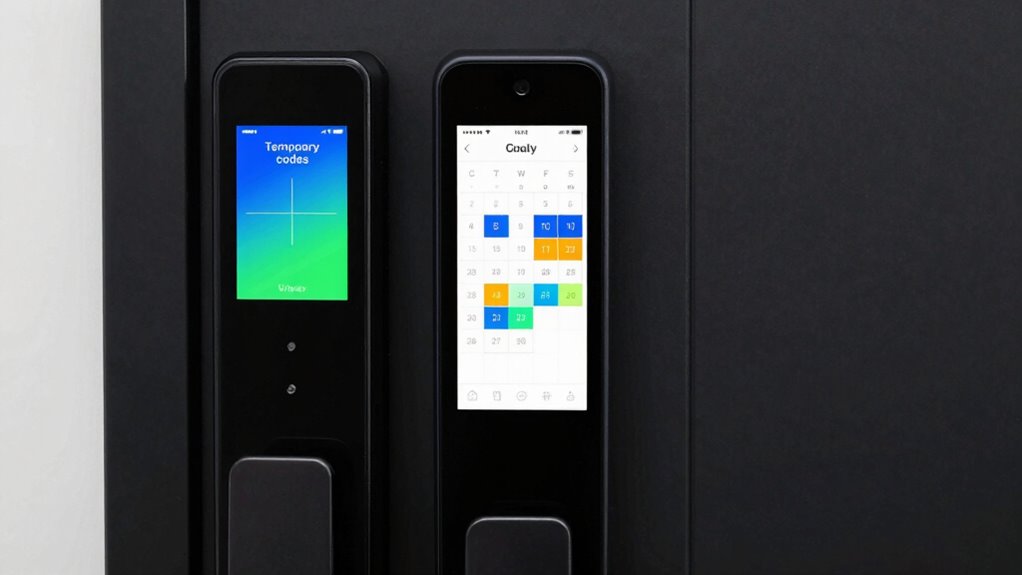
Have you ever wondered how you can give someone temporary or scheduled access to a secure system? Temporary codes are unique, time-limited passphrases that grant short-term access, often used for visitors or service providers. Scheduled access, on the other hand, involves setting specific times when authorized users can enter, based on security protocols. Both methods help you manage access control effectively, ensuring only authorized individuals can enter during designated periods. Using these options properly enhances your security by reducing the risk of unauthorized entry and maintaining control over who can access your system and when. Incorporating connected appliances can further improve your ability to monitor and manage access remotely. Employing security protocols ensures these access methods are implemented safely and reliably, and understanding the contrast ratio in your security setup can help optimize visibility and monitoring effectiveness. Additionally, access logs can be valuable for tracking entry and maintaining security records. Implementing access management systems can streamline this process and provide comprehensive oversight.
As an affiliate, we earn on qualifying purchases.
What Are the Security Risks of Temporary Codes?
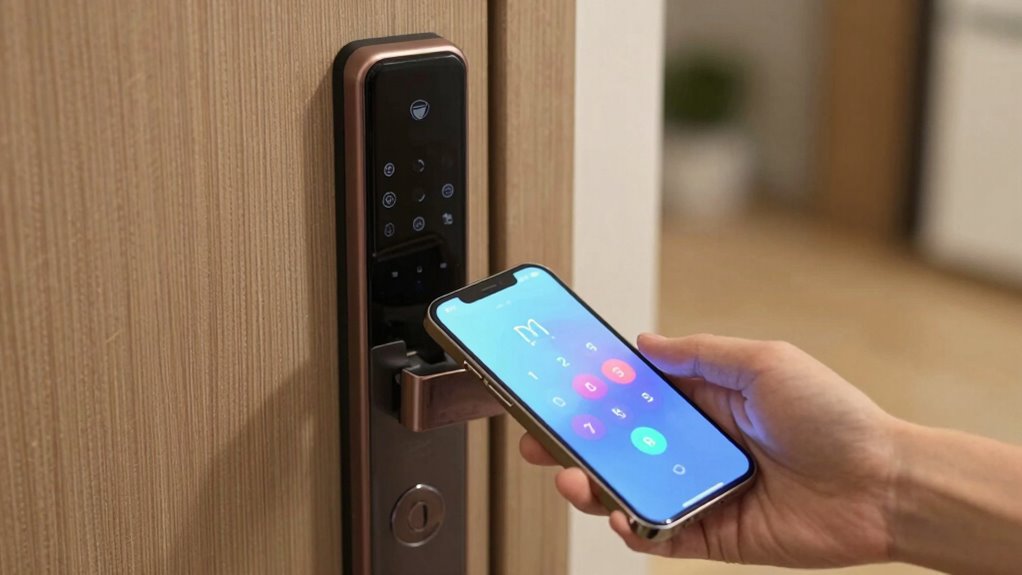
Temporary codes can pose significant security risks if not managed properly. One major concern is access code vulnerabilities, which hackers or unauthorized individuals can exploit if codes are shared or intercepted. These codes may be used repeatedly if not disabled after use, leading to unauthorized code reuse. Additionally, temporary codes often have limited complexity, making them easier to guess or brute-force. If codes are generated without strict controls, they can be leaked through insecure channels or social engineering. The risk increases when temporary codes are sent via email or text message, which might be less secure than other methods. To minimize these risks, it’s essential to implement strict expiration policies and avoid sharing codes carelessly. Understanding security protocols can help prevent unauthorized access through temporary codes. Implementing secure code generation practices further reduces potential vulnerabilities. Being aware of the common attack vectors associated with temporary codes also helps in designing safer access systems. Incorporating robust authentication methods adds an extra layer of security beyond simple temporary codes. Moreover, staying informed about emerging security threats is critical for maintaining the integrity of access controls.
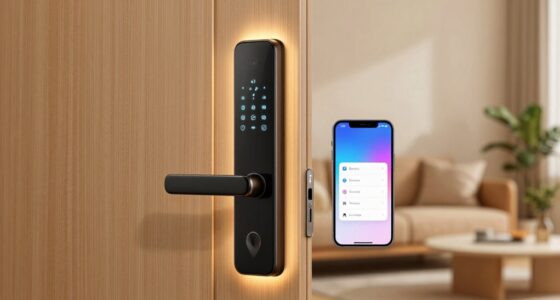
smart lock with scheduled access
As an affiliate, we earn on qualifying purchases.
As an affiliate, we earn on qualifying purchases.
Why Is Scheduled Access Safer and More Flexible?
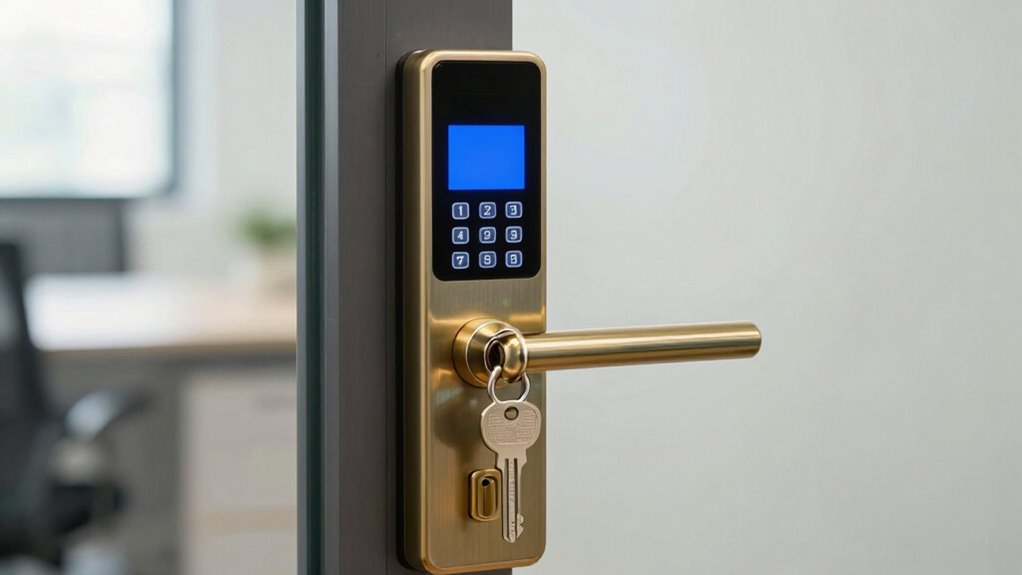
Scheduled access offers enhanced security controls, letting you set precise timeframes and permissions. This reduces the risk of unauthorized entry compared to temporary codes. Plus, it gives you greater flexibility to adjust access plans as your needs change. Incorporating simple systems makes managing access even more straightforward and reliable. Additionally, digital security tools can streamline monitoring and ensure consistent safety measures. Emphasizing European cloud innovation can further bolster security through localized infrastructure and compliance standards.
Enhanced Security Controls
Because scheduled access integrates predefined timeframes into security protocols, it inherently offers greater control over who can access systems and when. This setup enhances your overall security by ensuring access is limited to specific periods, reducing the risk of unauthorized entry. By implementing scheduled access, you strengthen your access control measures and create a more robust security environment.
- Limits access windows, preventing late-night or unauthorized entries
- Ensures accountability by tracking scheduled login times
- Reduces the risk of security breaches caused by forgotten or shared codes
With these controls in place, your security protocols become more effective, giving you peace of mind that only authorized users can access sensitive systems during approved times.
Greater Scheduling Flexibility
Flexible scheduling options allow you to tailor access times to fit specific needs, making security protocols more adaptable. With scheduled access, you control exactly when people can enter, reducing risks associated with open or temporary codes. You can set precise access control parameters, ensuring that users have permissions only during authorized hours. This flexibility helps in managing multiple users and varying schedules efficiently. Here’s a quick overview:
| Scheduling Options | Benefits | Usage Scenario |
|---|---|---|
| Fixed Schedule | Consistent access times | Office hours |
| Recurring Access | Repeating permissions | Weekly shifts |
| One-Time Access | Temporary, specific period | Maintenance |
As an affiliate, we earn on qualifying purchases.
Factors to Consider When Choosing Access Methods
When choosing between temporary codes and scheduled access, you need to take into account several key factors to guarantee you select the best option for your needs. Think about your access control requirements and the security protocols in place. Consider how often access is needed, who requires entry, and the potential risks involved. Additionally, assessing the security features of each method can help determine which approach offers the most robust protection for your property. For example, understanding the access management capabilities can streamline how you assign and revoke privileges. The sensitivity of the area you’re protecting. The level of monitoring and audit trails needed. The ease of managing and revoking access rights. Implementing secure authentication methods can further enhance safety. Incorporating access control best practices ensures that your chosen method maintains optimal security standards. Prioritizing these factors helps you make an informed decision that balances convenience with security. Choosing the right access method ensures your property stays protected while providing just enough flexibility for legitimate users.
When Should You Use Temporary Codes or Scheduled Access?
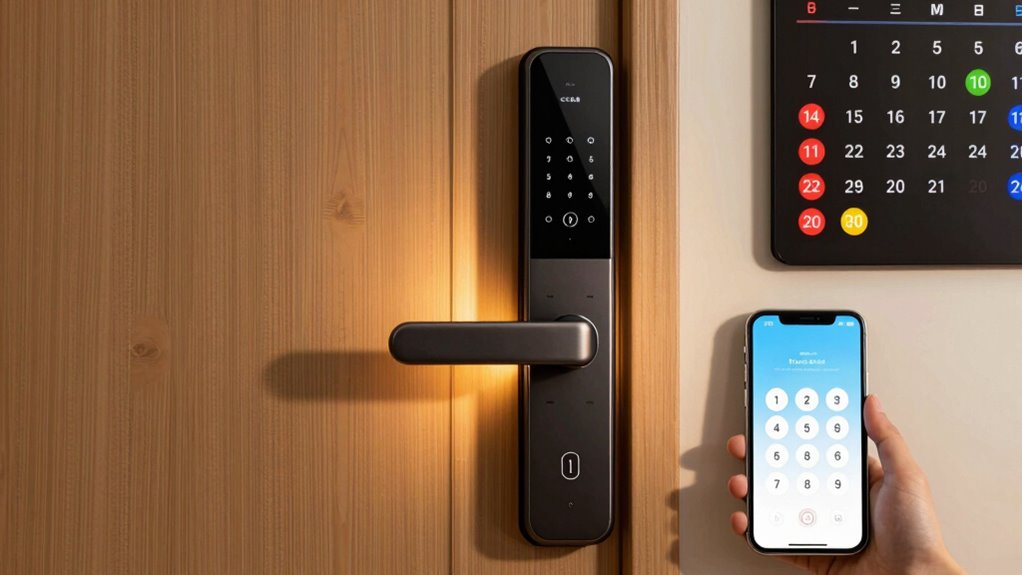
You should use temporary codes when you’re expecting visitors or need short-term access for specific tasks. Scheduled access works best for employees who need regular, ongoing entry. In emergencies or situations requiring flexibility, temporary codes provide quick, adaptable solutions. Additionally, understanding security protocols can help you choose the safest method for different scenarios, especially when considering the security risks associated with each type of access. Being aware of access management principles can further enhance your ability to select the most secure option for your needs. Implementing privacy policies ensures that user data remains protected during these processes. Proper authorization procedures help prevent unauthorized entry and protect your property effectively.
Temporary Codes for Visitors
Temporary codes are ideal for granting visitors quick, limited access without the need to set up a recurring schedule. They guarantee visitor privacy remains protected while offering access convenience. Use temporary codes when hosting contractors, delivery personnel, or friends stopping by briefly. These codes prevent prolonged access and reduce security risks. Additionally, they are useful for managing Free Floating access points, ensuring that temporary permissions do not compromise overall security. Consider using temporary codes if: – You want to maintain visitor privacy by limiting their access duration – You need a hassle-free, quick way to grant access – You’re concerned about security and want to avoid giving out permanent or scheduled access Temporary codes make it easy to control entry, keep your property secure, and avoid the complications of managing ongoing schedules. They’re a safe, convenient solution for short-term visitor access.
Scheduled Access for Employees
Choosing between temporary codes and scheduled access for employees depends on the nature of their work and security needs. Scheduled access is ideal when employees need consistent, predictable entry times, allowing you to enforce strict access control and security protocols. It reduces the risk of unauthorized entry outside designated hours, ensuring your premises stay secure. Use scheduled access for full-time staff, maintenance crews, or any employees with regular schedules. It simplifies monitoring and enhances security by limiting access to specific times. On the other hand, if employees require flexible hours or occasional access, temporary codes might be suitable. Overall, scheduled access offers a safer, more controlled environment, helping you maintain tight security protocols while accommodating routine employee schedules. Additionally, understanding access control systems can help you implement the most effective security measures for your facility. Implementing security policies that are tailored to your operational needs further enhances protection and efficiency.
Emergencies and Flexibility
When emergencies or unexpected situations arise, flexibility in access control becomes essential. You need a quick way to grant temporary access without compromising security. Temporary codes are ideal in emergencies because they can be issued instantly and revoked just as fast once the situation is resolved. Scheduled access, on the other hand, might delay emergency response times. Proper emergency preparedness involves knowing when to use each method to maintain safety and control.
Consider these points:
- Use temporary codes for urgent access needs during emergencies.
- Rely on scheduled access for routine, planned situations, not crises.
- Ensure your access control system can quickly adapt to changing circumstances.
This balance helps you stay prepared and ensures safety without sacrificing security.
Practical Tips for Managing Access Securely

To manage access securely, you need to implement clear policies and leverage technology effectively. Establish strict access control measures and follow robust security protocols to prevent unauthorized entry. Regularly update permissions and review access logs to detect suspicious activity. Use technology like digital locks and authentication systems to enforce policies seamlessly. Training staff on security protocols ensures everyone understands their responsibilities. Here’s a quick guide:
| Policy | Technology | Monitoring |
|---|---|---|
| Clear rules | Digital access control | Regular audits |
| Staff training | Biometric authentication | Log analysis |
| Permissions | Time-based access | Incident response |
Sticking to these tips helps you manage access securely and reduces vulnerabilities.
Why Scheduled Access Should Be Your Default Choice
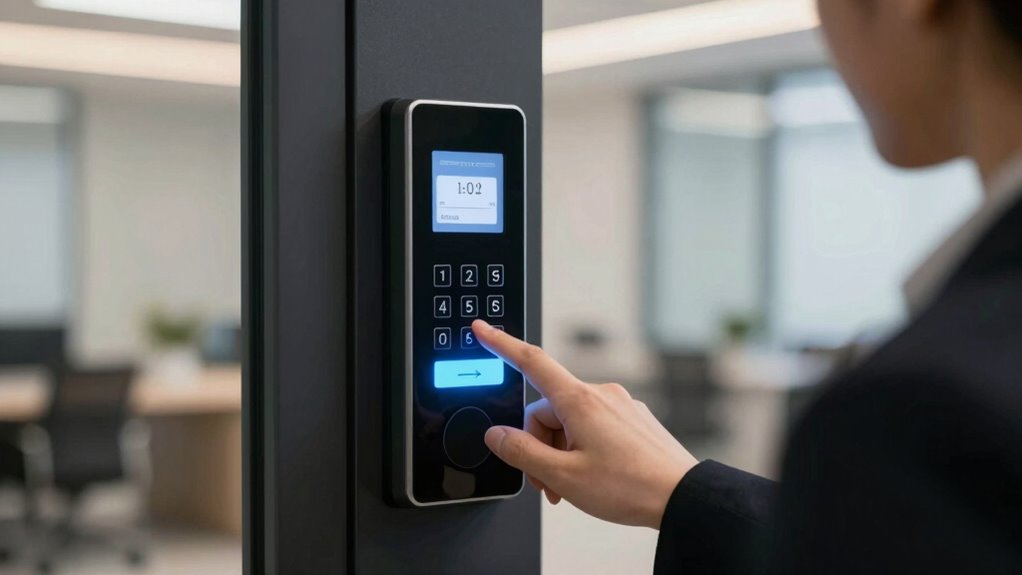
Implementing scheduled access as your default is a proactive way to enhance security and control. It guarantees that access is granted only during designated times, making it easier to enforce consistent security protocols. By doing so, you reduce the risk of unauthorized entry and maintain better access control. Scheduled access simplifies monitoring and auditing, giving you clear records of who entered and when. It also minimizes the chances of human error associated with temporary codes or ad hoc permissions.
Implement scheduled access to improve security, control, and simplify monitoring during designated times.
- Enforces strict security protocols automatically
- Limits access to specific times, reducing vulnerabilities
- Simplifies tracking and compliance efforts
Choosing scheduled access as your default ensures a safer environment, streamlines management, and supports long-term security goals.
Frequently Asked Questions
Can Temporary Codes Be Easily Changed or Revoked?
Yes, temporary codes can be easily changed or revoked. You benefit from code flexibility, allowing you to update access quickly when needed. Most systems provide straightforward revocation procedures, so you can disable or modify temporary codes without hassle. This guarantees you maintain control over who enters your space, enhancing security. Always check your system’s specific features, but generally, temporary codes offer convenient and secure options for managing access.
How Do Scheduled Access Permissions Integrate With Existing Security Systems?
Scheduled access permissions seamlessly integrate with your existing security system through access control settings. You simply set specific times for authorized entry, and the system automatically enforces these schedules. This guarantees tighter security, reduces manual intervention, and enhances security integration. You’ll find it easier to manage permissions, monitor activity, and maintain a secure environment, making scheduled access the safer, more efficient choice for your security needs.
Are There Industry Standards for Implementing Scheduled Access?
Think of industry standards for implementing scheduled access like a reliable map guiding your security journey. You should follow access control policies aligned with standards such as ISO/IEC 27001 or NIST guidelines to guarantee security compliance. While there’s no universal rule, adhering to these widely accepted frameworks helps you set consistent, secure schedules, minimizes risks, and maintains regulatory compliance, ultimately keeping your facilities safe and well-managed.
What Training Is Needed for Staff to Manage Access Methods Securely?
To manage access methods securely, you need thorough staff training in access management protocols. guarantee your team understands how to create, monitor, and revoke access privileges, emphasizing the importance of using scheduled access over temporary codes whenever possible. Regular training updates help staff stay informed about best practices, security threats, and system changes, so they can effectively protect your systems and data. Proper training is essential for maintaining a secure access environment.
How Does User Behavior Influence the Effectiveness of Access Controls?
Think of your access controls as a fragile bridge—you hold the key to its strength. Your user compliance directly impacts its stability. When you follow security protocols, you reduce behavioral risks that could weaken the system. But if you disregard these guidelines, the bridge becomes vulnerable to breaches. Staying vigilant and adhering to best practices ensure your access controls remain a sturdy, reliable safeguard against threats.
Conclusion
Choosing between temporary codes and scheduled access is like steering your ship through stormy seas—safety depends on your choices. When you prioritize security, scheduled access acts as your sturdy lighthouse, guiding you safely home. Trust it to keep your doors guarded and your peace of mind intact. Always lean on the safer option, and you’ll navigate your access management with confidence, turning potential hazards into calm waters. Your peace of mind is the true treasure.
Flea & tick season Picks
flea and tick prevention
As an affiliate, we earn on qualifying purchases.