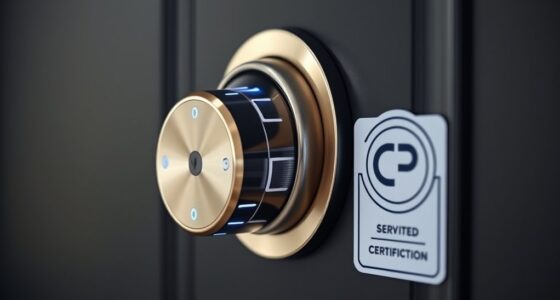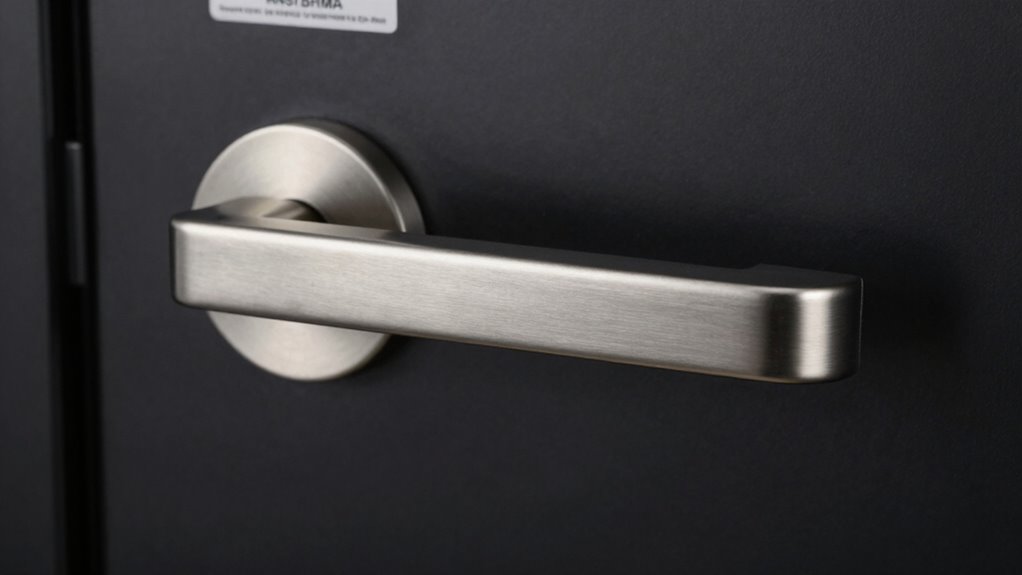

ANSI and BHMA grades set industry standards that measure door hardware’s durability, security, and performance. These ratings help you choose the right hardware based on how often your door is used and the level of security needed. Grade 1 offers the most strength for high-traffic or security-sensitive areas, while Grade 3 is best for light-duty spaces. Understanding these grades guarantees you select reliable hardware—keep exploring to learn how these ratings impact your security and investment.
Listen free for 30 days with Audible
Thousands of audiobooks and originals — cancel anytime.
As an affiliate, we earn on qualifying purchases.
Key Takeaways
- ANSI/BHMA grades (1, 2, 3) indicate hardware durability and security levels, with Grade 1 being the most robust.
- Grades are based on rigorous testing for resistance to wear, forced entry, and environmental factors.
- Higher grades generally offer increased security, durability, and long-term performance in high-traffic or sensitive areas.
- Ratings reflect specific performance aspects; hardware with the same grade may perform differently based on installation.
- These standards help select appropriate hardware based on door use, environment, and security requirements.
As an affiliate, we earn on qualifying purchases.
What Are ANSI and BHMA Grades and Why Do They Matter?
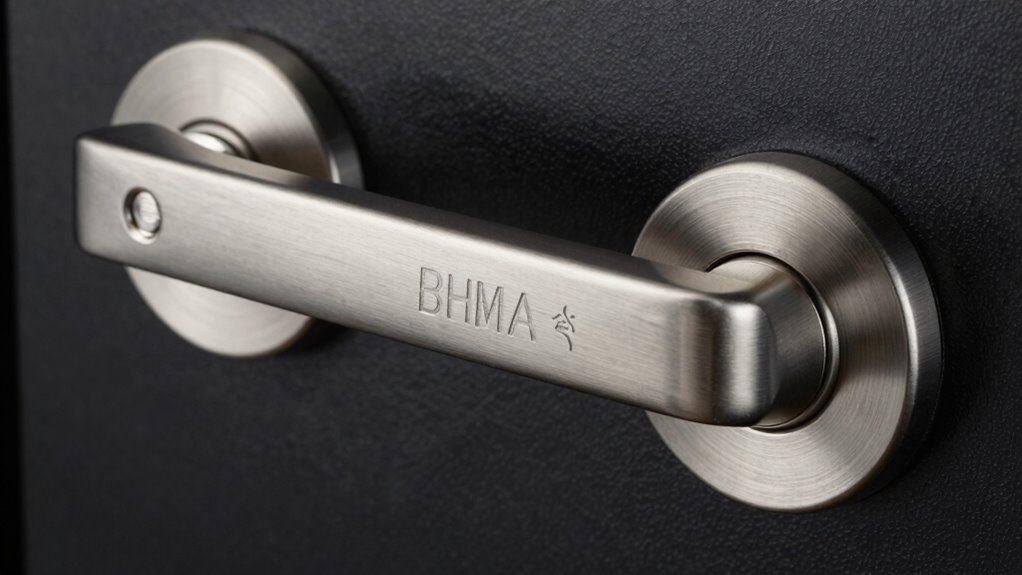
Understanding ANSI and BHMA grades is essential because they set standardized benchmarks for door hardware durability and security. These grades help you choose the right hardware based on factors like door material and the environment where it’s installed. The grading system evaluates hardware through rigorous testing of materials, ensuring they meet specific performance levels. When considering installation procedures, knowing the grade helps you understand how the hardware will perform under stress or frequent use. Higher grades, like Grade 1, are designed for heavy-duty applications, while Grade 3 suits residential or light commercial settings. This standardized approach simplifies your decision-making process, ensuring you select door hardware that aligns with your security needs and installation requirements. Recognizing the importance of testing standards can further assist in understanding the reliability of different hardware grades, as they reflect the hardware’s ability to withstand wear and tear. Additionally, these grades are crucial in meeting building codes and ensuring compliance with industry regulations. Being aware of performance testing procedures can also help you better assess the quality and longevity of the hardware you choose.
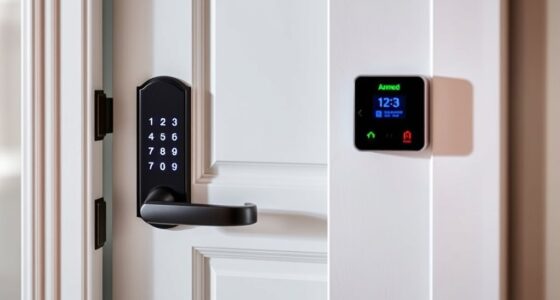
ANSI BHMA Grade 3 residential door hardware
As an affiliate, we earn on qualifying purchases.
As an affiliate, we earn on qualifying purchases.
How Do ANSI/BHMA Door Hardware Grades Compare to Other Standards?

Compared to other standards, ANSI/BHMA grades are widely recognized for their rigorous testing and clear classification of door hardware durability and security. These grades are often compared to mortgage standards and architectural codes, which also emphasize safety and quality. Unlike some local or industry-specific standards, ANSI/BHMA provides an objective and consistent framework that helps you select hardware suitable for various applications. They ensure that your doors meet the necessary security, durability, and performance levels required by building regulations. While other standards may focus on aesthetics or basic functionality, ANSI/BHMA grades deliver detailed information on hardware performance, making them a reliable benchmark for architects, contractors, and property owners aiming for compliance and long-term reliability. Additionally, media literacy is essential for understanding how to interpret these standards within the broader context of digital information about building codes and safety standards. Recognizing the testing procedures used in ANSI/BHMA grading can further help stakeholders assess the reliability of hardware options in real-world scenarios. Moreover, understanding the standardization process behind these grades can provide deeper insights into their credibility and relevance in various projects. Furthermore, being aware of the industry recognition that ANSI/BHMA standards have earned can help you gauge their acceptance across different regions and markets. Additionally, familiarity with performance testing results can aid in comparing hardware options more effectively.
As an affiliate, we earn on qualifying purchases.
Which ANSI/BHMA Grade Is Right for Your Door? A Quick Guide

Choosing the right ANSI/BHMA grade for your door depends on how you plan to use it and the environment it’s in. For high-traffic or security-sensitive areas, Grade 1 hardware offers superior door security and material quality, making it ideal. For residential or low-traffic spaces, Grade 2 provides adequate durability without overspending. Grade 3 is suitable for interior doors with minimal use. Additionally, understanding floating on water concepts can help inform decisions about the durability and performance of hardware in wet or humid environments. Recognizing material longevity can also guide you in selecting hardware that withstands various environmental conditions over time, especially when considering material quality for specific applications. Moreover, considering corrosion resistance is crucial for hardware installed in outdoor or moist settings to ensure long-term functionality. Incorporating environmental durability factors can further optimize hardware choices for different settings.
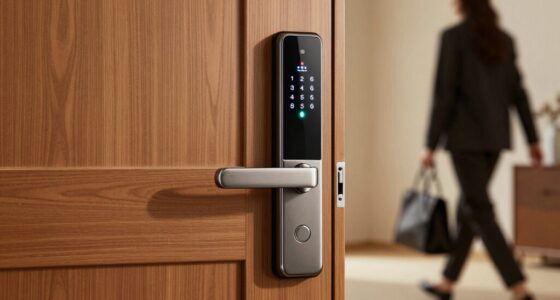
heavy-duty door hardware ANSI BHMA
As an affiliate, we earn on qualifying purchases.
As an affiliate, we earn on qualifying purchases.
What Does Grade 1 Mean for Your Door Hardware?
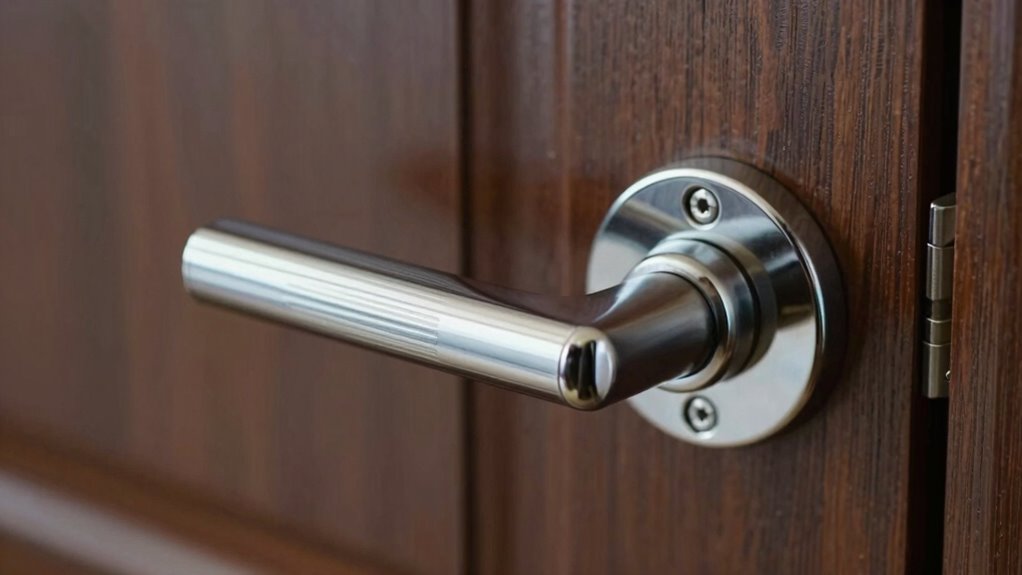
Ever wonder what makes Grade 1 hardware the top choice for security and durability? It’s all about meeting the highest grading standards set by ANSI/BHMA. Grade 1 door hardware is built to withstand heavy use, making it ideal for commercial buildings, hospitals, and high-traffic areas. These products are tested rigorously to ensure they resist forced entry, wear, and corrosion over time. When you choose Grade 1 door hardware, you’re selecting the most durable and secure options available. The grading standards ensure that these products deliver superior performance and longevity. This makes Grade 1 hardware the reliable choice if you need dependable, long-lasting door hardware that can handle frequent use and tough conditions. Additionally, vetted products are often recommended by professionals for their quality and compliance with industry standards, which are validated through rigorous testing procedures. Understanding the testing standards helps you make informed decisions about the hardware you select for your security needs. Knowing that these standards involve comprehensive performance testing gives you confidence in their ability to meet real-world demands.
What Is ANSI/BHMA Grade 2 and Why Is It Common?

ANSI/BHMA Grade 2 hardware offers durability for daily use, making it suitable for many commercial and residential applications. It’s the industry standard choice because it reliably stands up to regular wear and tear. Many people choose Grade 2 because it meets specific safety and quality benchmarks effectively. Additionally, compliance standards ensure that Grade 2 hardware meets specific safety and quality benchmarks. Understanding the security features included in Grade 2 hardware can help consumers make informed decisions about their door hardware choices, especially when considering the long-term comfort and reliability of their workspace environment. Regular testing and adherence to industry standards further support the trusted reputation of Grade 2 hardware for everyday security needs.
Durability for Daily Use
Because durability is essential for everyday use, ANSI/BHMA Grade 2 locks are designed to withstand frequent, daily traffic without compromising security or performance. They offer excellent door hardware longevity and resilience, making them ideal for spaces with regular use like offices, schools, and retail stores. These locks are tested to endure millions of cycles, ensuring reliable operation over time. Their sturdy construction and materials provide the daily usage resilience you need in high-traffic environments. By choosing Grade 2 hardware, you ensure that your doors will remain functional, secure, and durable despite constant use. The testing standards that Grade 2 locks must meet guarantee their capacity to handle demanding daily cycles, which is why they are a practical choice for many commercial and residential applications where daily durability matters most. Additionally, understanding the ratings helps in selecting hardware that aligns with the specific security and durability requirements of your space.
Industry Standard Choice
ANSI/BHMA Grade 2 hardware has become the industry standard for commercial and residential door locks because it strikes the right balance between security, durability, and cost. This grade offers reliable performance for everyday use, making it suitable for most applications. When choosing hardware, consider door hardware aesthetics and installation considerations to guarantee proper fit and style. Grade 2 options typically feature moderate security and durability, fitting well in high-traffic environments without excessive expense. Here’s a quick comparison:
| Grade | Durability | Typical Use |
|---|---|---|
| Grade 1 | Highest | Heavy commercial |
| Grade 2 | Moderate | Commercial & residential |
| Grade 3 | Basic | Light residential |
This makes Grade 2 the most versatile and popular choice overall.
What Does Grade 3 Signify? Is It Enough for Light-Duty Applications?
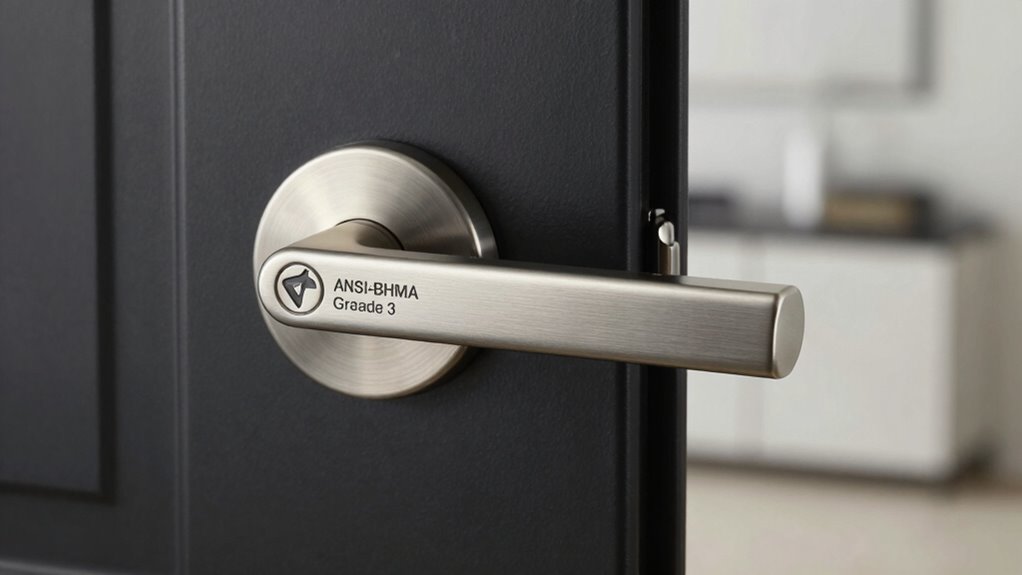
Grade 3 locks are designed for light-duty use, making them suitable for areas with minimal traffic and lower security needs. If you’re working in low traffic environments like closets, storage rooms, or interior doors, Grade 3 hardware can be sufficient. These locks are tested for basic durability and performance but aren’t built for high wear or frequent use. If you require a lock for a space with infrequent access, Grade 3 provides a cost-effective option. However, for areas with more traffic or security concerns, higher grades like Grade 1 or Grade 2 are recommended. While Grade 3 hardware may meet your needs in light-duty applications, it’s essential to assess the specific security and durability requirements of your space before choosing this grade.
Common Myths About Door Hardware Ratings Debunked
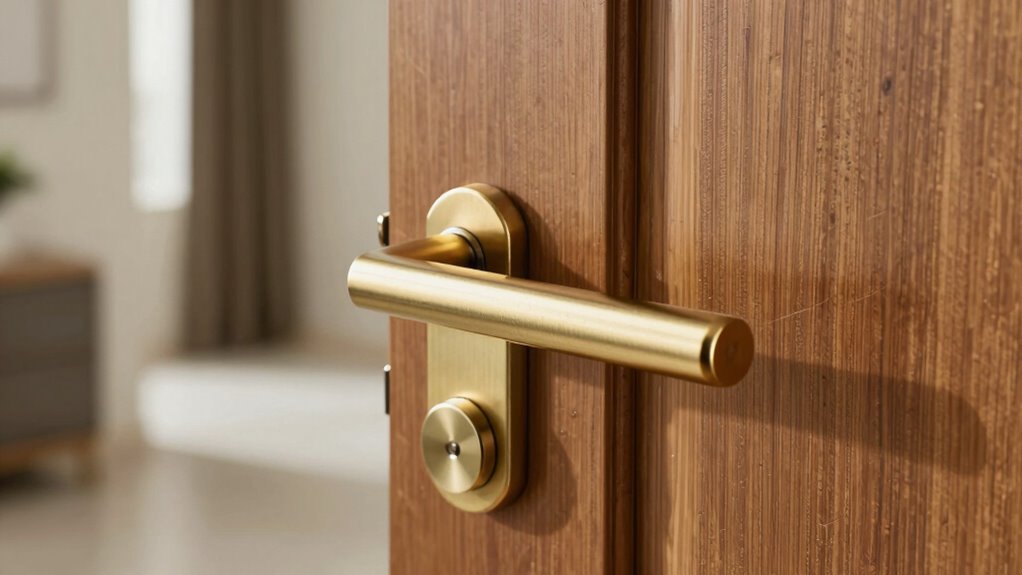
Many people believe that door hardware ratings are straightforward indicators of quality, but in reality, there are several misconceptions that can lead to confusion. One common door hardware myth is that a higher rating always means better performance. However, ratings reflect specific performance aspects, not overall quality. Rating misconceptions can cause you to overlook hardware suited for your needs or overpay for unnecessary features. To clarify, here’s a quick comparison:
| Myth | Reality |
|---|---|
| Higher rating equals better | Ratings measure specific performance, not overall quality |
| All hardware with the same rating performs equally | Performance varies based on installation and use |
| Ratings are just marketing | Ratings follow strict industry standards |
| Ratings don’t matter | Proper ratings ensure appropriate durability and security |
| Lower ratings are unsafe | Lower-rated hardware can still meet safety requirements |
How Do ANSI/BHMA Ratings Affect Your Security, Durability, and Investment?

Understanding how ratings impact your security, durability, and investment helps you make smarter choices when selecting door hardware. Higher ANSI/BHMA grades ensure a security enhancement by providing resistance against tampering and forced entry, especially in high-traffic or commercial settings. These ratings also reflect durability, meaning the hardware can withstand frequent use without compromising function or safety. This directly affects your long-term investment, as quality hardware reduces replacement costs and maintenance needs. Additionally, aesthetic considerations matter; while higher-rated hardware often offers a sleek, professional look, it’s essential to balance appearance with performance. Knowing how these ratings influence security and durability helps you select hardware that not only looks good but also provides dependable protection for years to come.
Frequently Asked Questions
How Often Should Door Hardware Be Tested for Ansi/Bhma Compliance?
You should test your door hardware for ANSI/BHMA compliance at least annually to guarantee durability and safety. Regular testing helps verify that the hardware maintains its rated performance, especially in high-traffic areas. By performing compliance verification each year, you can identify wear or damage early, ensuring your door hardware continues to meet industry standards and provides reliable security and functionality.
Can a Higher Grade Hardware Be More Cost-Effective Long-Term?
A higher grade hardware can actually be more cost-effective long-term, despite higher initial costs. You benefit from better durability benefits, reducing replacement and maintenance expenses. When conducting a cost analysis, consider that stronger hardware withstands frequent use and harsh conditions more effectively. While it may seem pricier upfront, investing in higher-grade door hardware saves money over time by minimizing repairs and replacements, making it a smarter, more economical choice in the long run.
Are There Specific Industries That Require Grade 1 Hardware?
Yes, certain industries require Grade 1 hardware to meet industry standards and guarantee maximum hardware durability. You’ll find these in commercial buildings, healthcare facilities, airports, and government institutions where high traffic and security needs demand top-tier hardware. By choosing Grade 1, you guarantee that the hardware withstands heavy use, complies with safety standards, and provides long-lasting performance, making it essential for environments with rigorous durability and safety requirements.
How Do Environmental Factors Influence Ansi/Bhma Grade Selection?
Environmental factors greatly influence your ANSI/BHMA grade choice. For instance, over 60% of hardware failures are linked to environmental durability issues. Climate impact, such as humidity, salt, or extreme temperatures, can weaken weaker hardware grades quickly. To guarantee longevity and safety, you need to select higher-grade door hardware in harsh environments, as they’re designed to withstand these conditions better and maintain performance over time.
What Maintenance Practices Are Recommended for Maintaining Grade Integrity?
To maintain grade integrity, you should regularly perform hardware inspections to identify wear or damage. Keep door hardware properly lubricated to guarantee smooth operation and prevent rust or corrosion. Address any issues promptly, such as loose screws or misaligned parts. Consistent maintenance, including cleaning and lubrication, helps preserve the hardware’s performance and rating, extending its lifespan and ensuring it continues to meet safety and security standards.
Conclusion
Understanding ANSI/BHMA grades helps you choose the right door hardware for your needs. But remember, these ratings aren’t just numbers—they could be the difference between safety and vulnerability. Will you settle for less, or prioritize durability and security? The choice is yours, but the stakes are higher than you think. Make sure you know what each grade truly means before making your next hardware purchase—because sometimes, what you don’t know could surprise you.
Flea & tick season Picks
flea and tick prevention
As an affiliate, we earn on qualifying purchases.