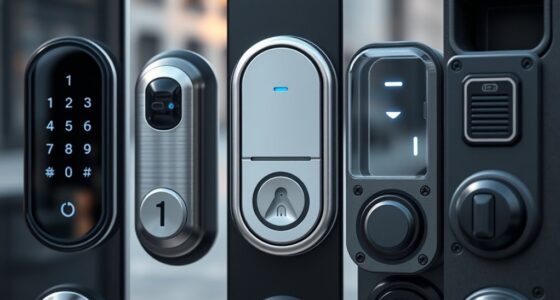

To instantly make keyless entry safer, use a unique, complex PIN that you change regularly and never share. Combine this with multi-layered security like biometric verification and encryption protocols. Keep your devices updated and review access logs frequently. This layered approach makes unauthorized access much harder. Staying proactive about your security adds extra protection, and if you continue, you’ll uncover even more effective ways to secure your system.
Open a free Amazon Business account
Business pricing, bulk buying and tax-exempt orders.
As an affiliate, we earn on qualifying purchases.
Key Takeaways
- Use unique, hard-to-guess PINs that are not related to personal information.
- Regularly update your PIN to prevent unauthorized access.
- Combine PINs with biometric authentication for multi-layered security.
- Encrypt all authentication data during transmission to protect against interception.
- Implement multi-factor authentication for an added security layer.
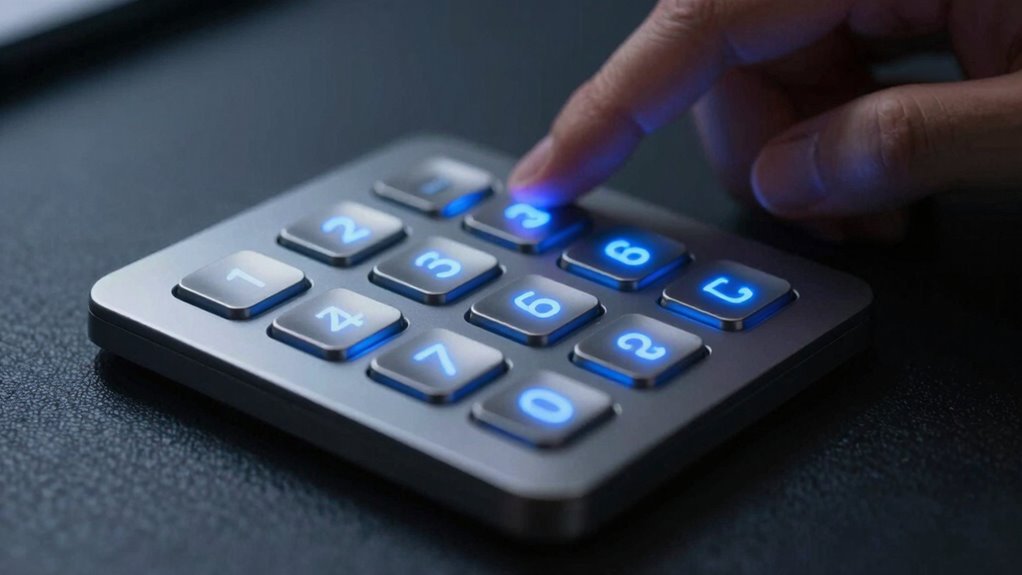
Your PIN code is a vital line of defense for your financial security, so protecting it should be a top priority. When it comes to keyless entry systems, the most effective way to enhance security is by combining traditional PIN protection with modern authentication methods like biometric authentication. This approach makes it significantly harder for unauthorized individuals to gain access, even if your PIN is compromised. Biometric authentication, such as fingerprint or facial recognition, adds an extra layer of security by verifying your identity based on unique biological features that are difficult to duplicate or steal.
However, relying solely on biometric authentication isn’t enough. You should also ensure that the data transmitted during authentication is protected by robust encryption protocols. Encryption encrypts your PIN and biometric data, making it unreadable to anyone who intercepts it during transmission. This prevents cybercriminals from capturing sensitive information and using it for malicious purposes. When your system employs strong encryption protocols, even if someone tries to hack the system, the encrypted data remains secure, reducing the risk of identity theft and unauthorized access. Additionally, understanding encryption protocols can significantly improve your overall security posture. Implementing these protocols with end-to-end encryption ensures that your data remains protected from the moment it leaves your device until it reaches the intended recipient.
Protect transmitted data with strong encryption to prevent cybercriminals from capturing sensitive information during authentication.
The key to making keyless entry safer lies in implementing a multi-layered security approach. By combining PIN codes with biometric authentication and protecting all data with encryption protocols, you create a formidable barrier against intrusion. This method ensures that even if a thief manages to obtain your PIN, they still can’t access your vehicle or home without the biometric verification. Moreover, many systems now include secondary confirmation features, such as a fingerprint scan after entering the PIN, which acts as an extra safeguard. Incorporating multi-factor authentication further strengthens your security by requiring multiple forms of verification. Employing security best practices, such as regularly reviewing access logs and updating security settings, can also help prevent unauthorized access.
It’s also essential to keep your PIN confidential and avoid sharing it with others. Choose a PIN that’s unique and not easily guessable, avoiding common combinations like “1234” or “0000.” Regularly updating your PIN and ensuring your device’s security features are up to date further fortify your defenses. When you use a system that combines biometric authentication with encrypted data transmission, you’re taking a proactive step toward safer, more secure keyless entry. This integrated approach helps you protect your property and personal information more effectively, giving you peace of mind in a world where digital threats continually evolve.
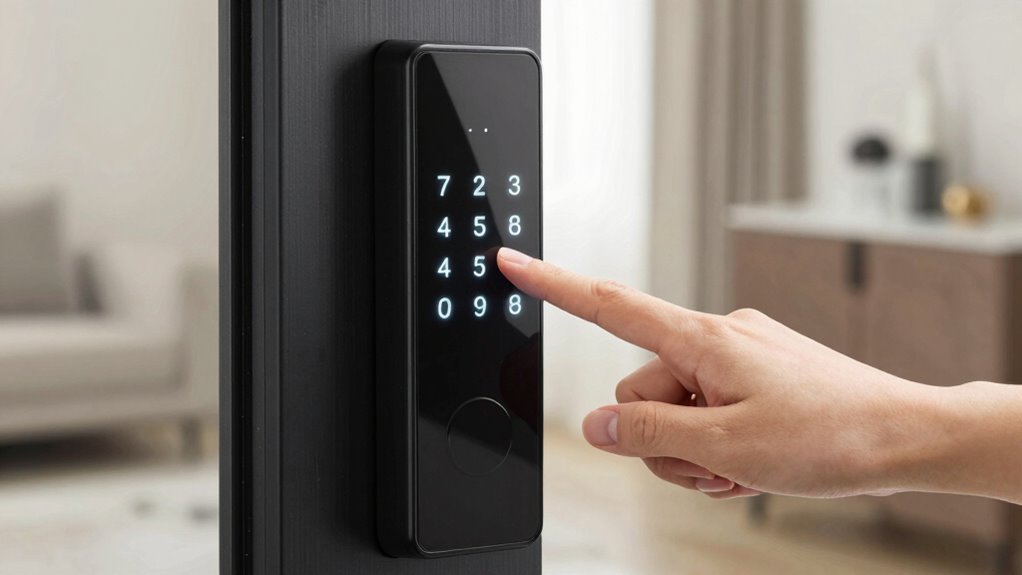
keyless entry system with biometric authentication
As an affiliate, we earn on qualifying purchases.
As an affiliate, we earn on qualifying purchases.
Frequently Asked Questions
How Does the New PIN Code Rule Compare to Traditional Security Methods?
The new PIN code rule enhances security by requiring higher password complexity, making it harder for intruders to guess your code. Unlike traditional methods, it often integrates biometric features like fingerprint or facial recognition, adding an extra layer of protection. You benefit from a more robust system that adapts to modern threats, ensuring your keyless entry remains safer while providing convenience through seamless biometric authentication.
Can This PIN Code Rule Be Applied to Existing Keyless Entry Systems?
Yes, you can apply this PIN code rule to existing keyless entry systems, enhancing your garage security. Upgrading your system with this new rule makes it harder for intruders to gain access, which could lower your insurance premiums. Implementing this change provides immediate security benefits, giving you peace of mind. You’ll safeguard your property better and potentially enjoy insurance benefits due to improved garage security.
What Are Common Mistakes Users Make With the New PIN Safety Rule?
Imagine leaving your house door slightly ajar, inviting trouble. You might unknowingly open yourself to PIN code vulnerabilities, like choosing easy-to-guess numbers or sharing codes. Common mistakes include neglecting to update PINs regularly and failing to guarantee user compliance with safety protocols. To keep your home secure, treat your PIN like a precious key—never share it, change it often, and enforce strict adherence to safety rules.
How Often Should Users Update Their PIN Codes Under This Rule?
You should update your PIN code every three to six months to maintain PIN longevity and security. Regular updates reduce the risk of unauthorized access, especially if you use simple codes. Focus on increasing code complexity by mixing numbers, avoiding common patterns, and not reusing old PINs. This habit keeps your system safer, making it harder for potential intruders to guess or crack your code over time.
Does the Rule Work Equally Well for All Types of Vehicles?
Think of the rule as a universal shield, but its effectiveness depends on vehicle compatibility and your awareness. Some vehicles, especially newer models, respond more seamlessly, while older ones may need additional tweaks. You should stay alert and understand your vehicle’s specific features. By doing so, you guarantee the PIN code rule offers maximum protection, regardless of the vehicle type, making your keyless entry safer and more reliable.
smart lock with multi-factor authentication
As an affiliate, we earn on qualifying purchases.
As an affiliate, we earn on qualifying purchases.
Conclusion
By simply following this PIN code safety rule, you’re not just protecting your keys—you’re erecting an impenetrable fortress around your vehicle. It’s as if you’ve armed your car with an invisible shield so powerful, no hacker or thief could ever breach it. Implement this rule today, and watch your security skyrocket to levels so extraordinary, even the most cunning criminals will be left in awe. Your peace of mind has never been safer or more unstoppable.
As an affiliate, we earn on qualifying purchases.
As an affiliate, we earn on qualifying purchases.
Fall Picks
fall essentials
As an affiliate, we earn on qualifying purchases.