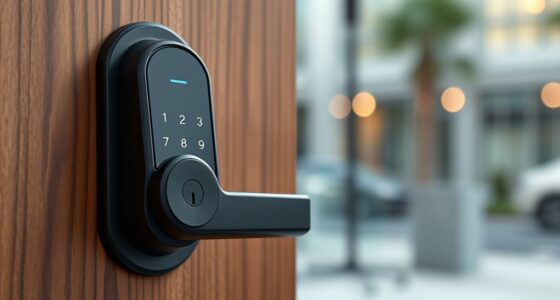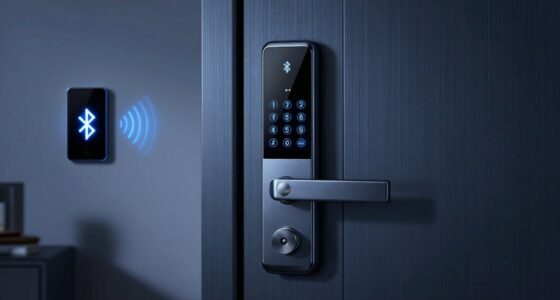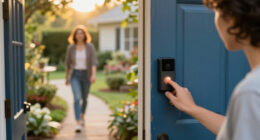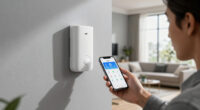
The most overlooked security risk for your smart lock is human error. You might underestimate how sharing access codes, neglecting updates, or using insecure networks can leave your system vulnerable. Overconfidence and complacency lead to risky behaviors like leaving devices disarmed or ignoring security practices. These habits can be more dangerous than technological flaws. If you want to discover how to better manage these risks, keep exploring ways to protect your home effectively.

Get privacy and security gear delivered free — and shop member deals
- Fast, free delivery on millions of items
- Access to Prime Big Deal Days deals on October 6–7
- Prime Video, Amazon Music and more included
Key Takeaways
- Human neglect of regular security updates leaves vulnerabilities unpatched, increasing hacking risks.
- Sharing access codes or permissions without revoking or changing them creates ongoing security gaps.
- Overconfidence in device security leads to lax practices like weak passwords and leaving devices unlocked.
- Using insecure networks or falling for social engineering tricks exposes smart lock systems to cyber threats.
- Lack of user awareness and education causes overlooked risks and improper management of access privileges.

Smart locks offer convenience and advanced features, but they also come with notable security risks. While the technology behind these locks seems robust, many vulnerabilities stem from human behavior. You might think the biggest threat comes from hackers or technical flaws, but often, it’s your own actions that create the most significant risk. User privacy can be compromised when you share access codes or grant temporary keys without considering the consequences. A simple oversight, like leaving your phone unlocked or sharing passwords over insecure channels, can give intruders an easy pathway into your home.
Hacking vulnerabilities are real, but they’re only part of the story. Even with strong encryption and security protocols, human errors can undermine your smart lock’s safety. For instance, if you use weak or repeated passwords, hackers can exploit this to gain entry. Many users underestimate the importance of creating unique, complex passcodes, making it easier for someone to guess or crack them. Additionally, if you don’t regularly update your lock’s firmware or security settings, known vulnerabilities remain accessible. But the most overlooked human risk is complacency. You might think your smart lock is invulnerable, leading you to ignore important security practices like disabling remote access when it’s unnecessary or avoiding suspicious links that could install malware.
Another human factor involves the way you handle user privacy. If you share access privileges too freely, or don’t revoke permissions when someone no longer needs access, you’re exposing yourself to unnecessary risks. For example, giving a friend or contractor temporary access without changing the code afterward can be exploited. Smart lock manufacturers often emphasize the importance of secure passwords and regular software updates, but it’s up to you to follow through. Neglecting these steps leaves you vulnerable to hacking attempts that target human mistakes. Furthermore, understanding the importance of biodiversity and conservation in our environment can help foster a broader awareness of protecting your personal space and community from unnecessary harm.
The human element also extends to how you interact with the technology daily. If you’re not vigilant about secure habits, such as avoiding public Wi-Fi when managing your lock remotely, you open the door to potential hacking vulnerabilities. Social engineering tactics are also common, where attackers trick you into revealing sensitive information or clicking malicious links. It’s crucial to stay informed about the latest cybersecurity threats to effectively defend your smart home devices. Recognizing the importance of user education can significantly reduce the likelihood of human error leading to security breaches. Additionally, being aware of common scams and phishing tactics can help you recognize and avoid potential threats before they compromise your security. Ultimately, the most overlooked security risk isn’t just about the technology itself; it’s about how you use and manage the device. Staying informed, practicing good security hygiene, and remaining cautious about sharing access are key steps in protecting your home. Remember, no matter how advanced your smart lock is, human error remains the weakest link in the chain.
As an affiliate, we earn on qualifying purchases.
Frequently Asked Questions
How Can User Behavior Compromise Smart Lock Security?
Your complacency and poor password habits can seriously compromise your smart lock’s security. If you use simple or repetitive passwords, hackers can easily access your lock. Additionally, neglecting to update firmware or sharing access codes with others increases risk. Stay vigilant by creating strong, unique passwords, regularly changing them, and only sharing access when necessary. Your mindful behavior is essential to keeping your smart lock secure.
What Training Improves Human Security Awareness?
You can boost your security awareness by training that emphasizes understanding user motivation and cognitive biases. Challenging assumptions about safety, like believing your lock is foolproof, helps you recognize vulnerabilities. Interactive sessions with real-world scenarios make risks tangible, while emphasizing the importance of cautious behavior. This training shifts your perspective from complacency to vigilance, empowering you to make smarter decisions and reduce human-related security risks with every lock operation.
Are There Psychological Factors Influencing Security Lapses?
Yes, psychological factors like behavioral biases and decision-making heuristics influence security lapses. You might overlook security protocols due to cognitive biases like optimism bias or present bias, believing threats won’t happen to you. These mental shortcuts can cause rushed decisions or dismiss potential risks. Being aware of these biases helps you pause, evaluate your actions critically, and make more secure choices, reducing the chance of human error compromising smart lock security.
How Do Social Engineering Attacks Target Smart Lock Users?
Social engineering attacks are like fishing with a tempting bait, targeting your trust to gain access. You might receive phishing scams pretending to be a trusted entity, convincing you to reveal your smart lock credentials. This can lead to identity theft and unauthorized entry. Stay cautious, verify sources, and don’t share sensitive info, because human error remains the weakest link in securing your smart lock system.
What Role Does User Trust Play in Security Breaches?
User trust plays a vital role in security breaches because when you have too much trust or are overly skeptical, you might make risky decisions. Trust calibration helps you balance your skepticism, so you don’t fall for social engineering tricks or share access unnecessarily. Maintaining healthy skepticism without distrust keeps your smart lock secure, ensuring you’re alert to potential threats without becoming overly suspicious of everyone.
As an affiliate, we earn on qualifying purchases.
Conclusion
Remember, the biggest threat to your smart lock’s security is often human error. Nearly 70% of security breaches involve some form of user mistake, like sharing passwords or neglecting updates. Stay vigilant—use strong, unique passwords, enable two-factor authentication, and stay informed about updates. By being mindful of your habits, you can greatly reduce the risk and keep your home safe. Human error remains the most overlooked, yet critical, security risk to address.
smart lock password management tools
As an affiliate, we earn on qualifying purchases.
As an affiliate, we earn on qualifying purchases.
secure smart lock access control
As an affiliate, we earn on qualifying purchases.
As an affiliate, we earn on qualifying purchases.
Fall Picks
fall essentials
As an affiliate, we earn on qualifying purchases.